
Language
Views: 222 Author: Edvo Publish Time: 2025-12-13 Origin: Site


Content Menu
● Reintegrated Overview of Orthotics and Insoles
● Expanded Discussion: When Stacking Can Make Sense
● Expanded Discussion: Clear Situations to Avoid Stacking
● Shoe Fit, Volume, and Design Details
● Comfort versus Correction in Real Use
● Advanced OEM Design Strategies for Brands
● Practical Testing Steps for Users and Buyers
● Long Term Care, Replacement, and User Education
● FAQ
>> 1. Should orthotics usually replace the original insole?
>> 2. Can I safely stack orthotics and insoles in work boots?
>> 3. Why does stacking sometimes feel comfortable at first but worse later?
>> 4. How can brands design shoes that work well with orthotics?
>> 5. What should buyers look for when choosing OEM insole partners?
Orthotic insoles both influence how the foot sits and moves inside a shoe, so combining them must be done with care. When used correctly, the right structure under the foot can improve comfort, stability, and long term joint health, but the wrong layering can create new pressure points or even increase injury risk.
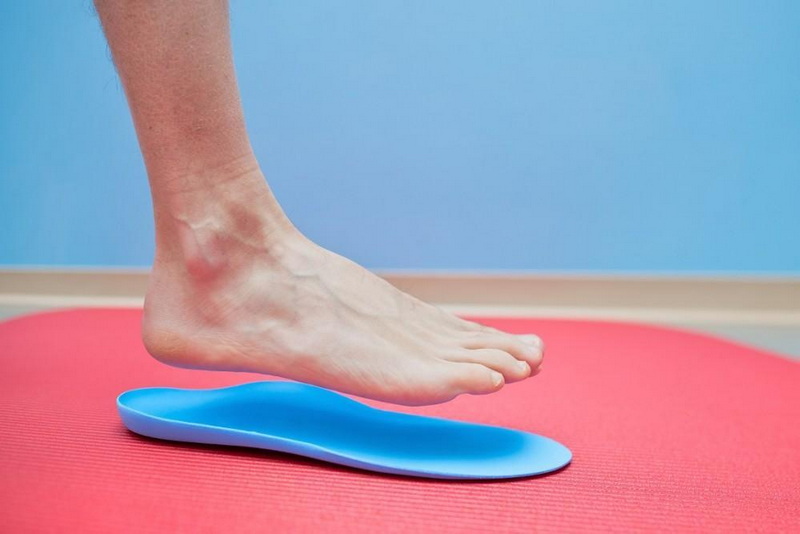
Orthotics are structured devices designed to guide alignment, redistribute pressure, and manage biomechanical problems such as excessive inward rolling, high arches, or chronic heel discomfort. They use carefully shaped shells, posts, and contours to change the way forces travel through the foot and up the kinetic chain during standing and walking. Regular insoles, by contrast, focus mainly on cushioning, gentle arch contour, and general comfort for a broad audience rather than individual correction.
Because orthotics depend on predictable contact with the shoe base, they work best when they sit flat and firmly supported without a soft, uneven layer shifting beneath them. Standard comfort insoles can move, compress, or deform as the user walks, which may tilt a corrective orthotic and change its intended angles. Understanding this difference between precision correction and general cushioning is the foundation for any discussion about stacking orthotics over insoles.
There are limited but real situations where using orthotics over insoles can be reasonable. One situation is when shoes have a deep interior, a removable liner, and a slightly roomy fit that feels loose around the heel or over the instep. In such cases, a thin, flat underlying insole can act as a volume filler that helps lock the heel and keep the orthotic in a more secure position. Another situation appears in robust work boots or hiking footwear, where the interior often has generous space and the wearer spends long hours on hard ground; here, a semi rigid orthotic on top of a thin cushioning layer can blend structural control with impact softness.
Another practical scenario involves partial length devices such as heel wedges, metatarsal pads, or forefoot posts designed to sit on top of a neutral insole rather than replace it. These targeted elements are often used to fine tune pressure distribution for specific pain points. In this case, the underlying insole provides a continuous surface, while the orthotic piece modifies loading in a local zone such as beneath the ball of the foot or under the heel. For such partial supports, the question is less about full stacking and more about accurate placement and secure fixation.
Despite those exceptions, there are many situations where stacking orthotics over insoles should be avoided. If a shoe already feels close fitting when worn with the original insole alone, any extra layer can crowd the toes, compress the instep, and increase friction along the sides of the foot. Persistent tightness can lead to blisters, calluses, numbness, and even nerve irritation. A primary warning sign is when lacing the shoe suddenly becomes difficult or leaves the top of the foot feeling pinched after adding the orthotic.
Another clear red flag is the presence of a thick, soft, highly contoured comfort insole under a corrective orthotic. In that situation, the orthotic no longer sits on a stable base; instead, it rocks and tilts as the soft foam compresses and rebounds. That movement reduces the precision of the corrective angles that were designed into the orthotic and can shift pressure to unintended areas. Users might notice uneven shoe wear, new discomfort in the knees or hips, or a sense that the foot is unstable during side to side movements. For safety footwear, stacking also risks changing the way the shoe interacts with the ground, which can alter slip resistance or other tested properties.
Shoe design strongly influences whether orthotics and insoles can be combined successfully. Many athletic and walking shoes are built with removable liners and extra volume to accommodate either a factory insole or a replacement support device. For these models, the cleanest solution is often to remove the original insole and drop in a full length orthotic so it sits directly on the midsole. Brands frequently rely on OEM insole partners to tailor liner thickness, heel cup depth, and midfoot geometry to balance factory comfort with aftermarket orthotic compatibility.
Slim dress shoes, fashion sneakers, and formal loafers are more challenging. Their low profile silhouettes and narrow toe boxes leave little spare space for added layers. In this category, low volume orthotics made from high strength thin shells can sometimes be used, but usually only when the original insole is removed or replaced with an ultra thin liner. For open styles such as clogs or sandals, the best approach is often a dedicated orthotic friendly footbed designed into the shoe from the beginning rather than trying to stack separate products.
Real world users often face a tradeoff between immediate comfort and long term correction. A plush comfort insole can feel appealing when first tried in a shop, because the foot sinks into soft foam and pressure feels evenly cushioned. However, softness alone does not control excessive motion or improve alignment. A well designed orthotic may feel firmer under the arch and heel, yet over time it can reduce strain on ligaments, tendons, and joints by guiding the foot through a more efficient movement path.
When both devices are present, the most effective choice is usually to decide which role is more important for a given user and shoe. For someone with minor fatigue and generally healthy mechanics, a quality comfort insole might be adequate, with no need to introduce a corrective orthotic at all. For a person with chronic heel pain, recurring overuse injuries, or confirmed biomechanical issues, a well fitted orthotic placed directly on the shoe base will often deliver more reliable relief than layering extra foam underneath it. The key is to treat cushioning as a complement to structure, not a substitute for it.
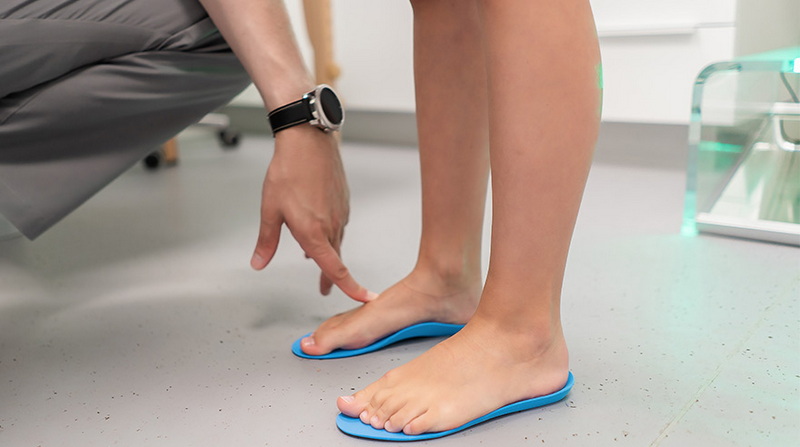
From the viewpoint of a leading insole factory serving overseas brands, wholesalers, and producers, the question of stacking orthotics over insoles is also a design opportunity. Instead of leaving consumers to experiment with random combinations, footwear brands can partner with OEM insole specialists to create integrated systems. One strategy is to develop modular footbeds where a base insole includes anchor points, shallow recesses, or textured zones that accept removable orthotic elements without increasing bulk.
Another advanced approach is to design a layered insole system with a thin, supportive chassis and interchangeable top cushions of different densities. In this concept, the structural layer acts almost like an embedded orthotic, while the top layer offers the soft feel that shoppers expect. Because both elements are engineered together, the stack height, stiffness distribution, and flex pattern remain under control. This type of design allows brands to advertise shoes as ready for orthotic style support without asking end users to stack unrelated products. For B2B buyers, such systems also create clear product stories and up sell opportunities.
For individual users, testing different configurations is a practical way to discover the best setup. Start by wearing the shoe with only the original insole and notice how the arch, heel, and forefoot feel during normal activities. Then try the orthotic alone, with the original insole removed, paying attention to whether alignment feels more stable and whether any discomfort appears or disappears. Finally, if there is adequate space, test the orthotic over a thin insole and compare pressure patterns, toe room, and heel hold.
During each test, walk on both hard and soft surfaces, climb a few stairs, and spend a little time in both standing and seated positions. Watch for signs such as rubbing along the sides of the foot, feeling perched too high inside the shoe, or losing contact with the heel counter. If discomfort persists or spreads to the knees, hips, or lower back, it is a signal to simplify the setup or consult a foot specialist. For brands and procurement teams evaluating OEM samples, similar trial routines across multiple wear testers can highlight whether a proposed insole design truly supports orthotic use or needs further refinement.
Even the best orthotic plus insole combination will not perform well forever. Materials gradually compress, edges can fray, and top covers may absorb moisture and odor. Educating users about regular inspection and replacement is therefore essential. As a guideline, insoles that show clear flattening, cracking, or persistent odor should be replaced, and orthotics that cause new discomfort or visible tilt inside the shoe should be reassessed.
For brands working with a Chinese OEM insole manufacturer, this creates a natural opportunity to design product lines that include replacement programs, multi pack insole offerings, and upgraded footbeds for premium models. Providing clear user leaflets, online tutorials, and even short video guides on how to fit, test, and care for insoles and orthotics can also increase customer satisfaction and reduce returns. When consumers understand that comfort and correction both depend on fit, layering choices, and upkeep, they are more likely to value quality insole systems and to remain loyal to the brand.
Orthotics can be used over insoles in select situations, especially in shoes with generous depth, removable liners, and stable, thin underlying layers. However, for precise biomechanical correction, the most reliable solution is usually to place the orthotic directly on a firm footbed and remove thick cushion insoles that might compromise stability. For everyday comfort, a well designed insole alone may be simpler and more effective than complex stacking.
From the perspective of international brands and wholesalers, the smartest path is to collaborate with experienced OEM insole manufacturers to create footwear and insole systems that are inherently compatible with orthotic style support. By engineering depth, geometry, material firmness, and modularity from the start, products can deliver both comfort and correction without forcing end users to guess about layering. This approach protects foot health, enhances perceived quality, and helps build strong, long term partnerships across global footwear markets.

In most closed shoes, especially athletic and walking models, full length orthotics work best when they replace the original insole rather than sit on top of it. Removing the liner gives the orthotic a stable, flat base and prevents excess tightness over the instep. Only very thin, flat liners are sometimes left in place under the device.
Work boots often have deeper interiors, so a semi rigid orthotic over a thin comfort layer can sometimes work if the foot still has enough room and the heel remains locked. However, stacking should never compromise safety features or cause the foot to sit so high that ankle stability is reduced. If the boot feels crowded or unstable, simplify to a single support layer.
Extra layers can initially feel soft and cushioned, which many users interpret as comfort. Over time, though, the added height and instability from compressible foams can alter gait, increase joint strain, and create new pressure points. When the novelty of softness fades, lingering discomfort or fatigue reveals that the structure beneath the foot is not well balanced.
Brands can specify deeper lasts, removable liners, and stable heel counters, then cooperate with OEM insole factories to fine tune thickness, arch contour, and foam density. By doing so, a shoe becomes orthotic ready, meaning users can easily remove the factory insole and insert their own device without crowding the interior or compromising stability.
Buyers should look for factories with strong material knowledge, tooling capability, and experience producing both comfort insoles and orthotic compatible footbeds. The best partners can adjust density gradients, incorporate heel cups and arch shells, and develop modular systems that give brands flexible platforms for different consumer segments without sacrificing fit or durability.


