
Views: 222 Author: Edvo Publish Time: 2025-10-14 Origin: Site


Content Menu
● Introduction to Arch Support Inserts
● Evolution of Footwear and the Role of Inserts
● Who Needs Arch Support Inserts?
● Benefits of Arch Support Inserts
>> Pain Relief and Enhanced Comfort
>> Improved Alignment and Injury Prevention
>> Enhanced Performance for Athletes
● Types of Arch Support Inserts
>> 2. Structured (Rigid or Semi-Rigid) Inserts
● How to Determine Your Arch Type and Needs
>> The Wet Test
● Choosing the Right Arch Support Inserts
>> Ventilation and Moisture Control
● Practical Tips for Buying Inserts
● Caring for Your Arch Support Inserts
● When To Replace Arch Support Inserts
● Innovations and Trends in Arch Support Inserts
● Wearing Arch Support Inserts: Adjusting Period
● Common Myths About Arch Support Inserts
>> Myth 1: Only People with Flat Feet Need Inserts
>> Myth 2: All Insoles Are the Same
>> Myth 3: Premium Price Always Means Better Performance
● Potential Drawbacks and Precautions
● FAQ
>> 1. What types of arch support inserts exist?
>> 2. How do I know if I need arch support?
>> 3. Can arch support inserts be used in any shoe?
>> 4. How often should I replace my arch support inserts?
>> 5. Are custom orthotics better than over-the-counter inserts?
Arch support inserts have become an essential accessory for people from all walks of life—athletes, workers, seniors, and students alike. Whether you're battling persistent foot pain or just seeking improved comfort for daily activities, the right arch support insert can truly transform how you feel on your feet.
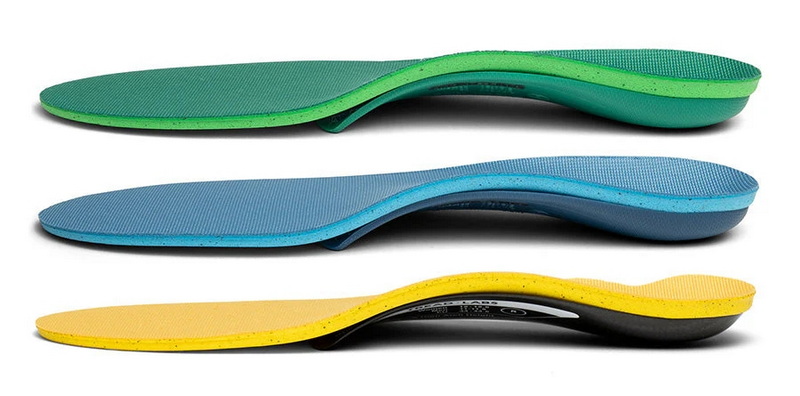
Arch support inserts, commonly called insoles or orthotics, are removable devices that sit inside your shoes to provide structural support to your foot's arch. While our feet are designed to absorb impact and distribute pressure, factors like age, physical activity, and footwear type can lead to decreased foot efficiency or even chronic pain. Arch support inserts help realign the body, enhance stability, and encourage proper foot mechanics, making them valuable for a range of needs.
Over the years, footwear has evolved from simple protective coverings to complex shoes designed for specific activities—running, hiking, or work. Despite these advances, mass-produced shoes can't always accommodate the unique shape of every individual's foot. This is where arch support inserts step in, bridging the gap between standard shoe construction and personal comfort.
People used to rely mainly on custom orthotics prescribed by podiatrists. Now, thanks to advances in materials and medical research, high-quality over-the-counter inserts are easily accessible and effective for most users. Inserts are available in various designs, materials, and thicknesses, meaning nearly everyone can find a perfect match.
Arch support inserts are highly beneficial for:
- Individuals with flat feet, high arches, or plantar fasciitis
- Athletes seeking enhanced shock absorption and foot alignment
- People whose jobs require standing or walking for prolonged periods
- Seniors who experience reduced fat padding under the foot with age
- Children with developmental foot concerns
- Anyone looking to prevent fatigued feet or sore legs after a long day
If you experience persistent pain in your feet, knees, hips, or lower back, chances are that a pair of quality arch support insoles can provide noticeable relief.
Arch support inserts help address pain caused by improper posture, collapsed arches, or repetitive stress. By supporting the natural arch of the foot, they alleviate tenderness in the heel, forefoot, and arch itself. Inserts also serve as an additional cushion, absorbing shocks while you walk or run.
Misaligned feet can affect your entire kinetic chain—from ankles to lower back. Inserts guide your foot to land and move correctly, helping your body maintain a healthy, neutral position. This minimizes the chance of overuse injuries such as shin splints, tendinitis, stress fractures, and joint strain.
For athletes, arch support inserts can improve balance, promote energy efficiency, and reduce fatigue during high-impact activities. Many sports insoles also provide targeted compression and moisture-wicking properties, reducing the risk of blisters and discomfort associated with sweat and friction.
There are several categories to consider:
Best for people requiring gentle support and extra softness, these inserts feature plush, shock-absorbing materials like memory foam or gel. They suit individuals with sensitive feet or those recovering from foot injuries.
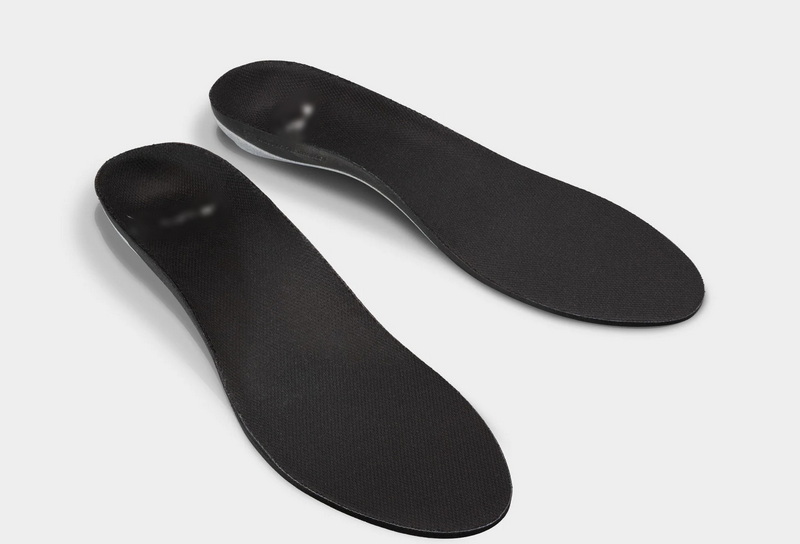
Designed to offer maximum support and control, these insoles are made with firmer materials such as plastic or carbon fiber. Ideal for correcting overpronation, they help control excessive rolling of the foot and stabilize stride patterns.
Available through medical professionals, custom orthotics are molded specifically for your feet using scans or casts. While more expensive, they address complex structural issues and can often be claimed under health insurance policies.
A quick home “wet test” can reveal your natural arch type. Wet your foot, step onto a dry paper or cardboard, and observe the imprint:
- A wide imprint with very little curve means flat feet.
- A curved arch with a gap in the center indicates a neutral/medium arch.
- A very narrow footprint with only the heel and ball showing points to high arches.
Look at the soles of your most-worn shoes. Flattened areas, especially on the inside, suggest overpronation and flat feet. Excessive wear on the outer edge may indicate high arches or supination. This insight can help guide your selection process.
Insert sizing typically matches shoe size but can sometimes require trimming for an exact fit. Many insoles include trimming lines for easy customization. Always make sure shoes still feel comfortable and not overly snug after placing the new insert.
Consider your primary activity:
- Running: Select inserts with shock absorption and reinforced heel support.
- Standing or walking: Look for firm arch support and durable cushioning.
- Sport-specific: Choose inserts tailored for the demands of your activity, like court sports, hiking, or cycling.
The most common materials are:
- Memory Foam: Plush comfort and even weight distribution.
- Gel: Superior shock absorption; ideal for high-impact sports.
- Cork or Leather: Classic, natural options with good breathability.
- Plastic or Carbon Fiber: Lightweight, rigid support for correcting severe biomechanical issues.
Many modern insoles have antimicrobial treatments, perforations, or ventilation channels to control moisture, reduce odor, and keep your feet cooler during activity or hot weather.
- Always try both shoes with the insert in place to ensure symmetrical fit.
- Bring the socks you typically wear with the shoes when trying out insoles for optimal sizing.
- If purchasing online, measure your current insole and compare to manufacturer dimensions.
- Don't hesitate to consult with store staff or use virtual fit tools.
Proper cleaning can extend the life of your insoles:
- Remove insoles regularly to air them out.
- Wipe with a damp cloth or wash using mild soap. Avoid machine washing unless specified by the manufacturer.
- Dry naturally, keeping them out of direct sunlight or high heat.
- Replace when you notice permanent loss of shape, reduced cushioning, or persistent odor.
Most insoles last between 6 to 12 months, though heavy usage or low-quality materials may require more frequent replacement. Listen to your body—if you notice returning pain, or reduced support/cushioning, it's time for a fresh set.
Several recent developments make today's insoles more effective:
- 3D Printing: Allows for tailored support and precision not previously possible in mass-market products.
- Eco-Friendly Materials: Cork, recycled foams, and bioplastics are being used for sustainability-conscious customers.
- Smart Insoles: Some advanced models have sensors to track gait, posture correction, or impact forces, offering real-time data to athletic or rehabilitative users.
- Modular Designs: Interchangeable arch pads or heel cups let people adjust support levels depending on the activity or daily need.
For those new to insoles, some adjustment is normal. Start by wearing the inserts for a couple of hours a day, gradually increasing duration over a week. Minor soreness may occur as your feet adapt, but this usually subsides quickly. If discomfort persists, reassess fit or material type, or consult a podiatrist.
In reality, individuals with high arches or even neutral arches benefit greatly. High arches are less effective at absorbing impact, making arch supports crucial for shock absorption and pressure distribution.
Insert design, materials, and intended purpose vary dramatically. The right choice depends on your foot type, lifestyle, and comfort preferences.
While custom orthotics suit specific medical needs, many over-the-counter options deliver excellent support and comfort at a fraction of the price, especially for general aches and prevention.
While most users report positive results, a poor fit or selecting the wrong type can contribute to additional discomfort. Hypersensitive skin may also react to certain materials. Always start gradually, and discontinue use if pain worsens. For significant foot deformities or injuries, medical advice from a podiatrist or orthopedic specialist is recommended.
Arch support inserts are a practical, accessible solution for anyone seeking all-day comfort, enhanced performance, and pain relief. As both preventive and therapeutic tools, they respond to the foot's natural anatomical needs, facilitating healthy movement from the ground up. With a diverse selection of types and materials available, your perfect fit is within easy reach. Prioritize your comfort and well-being, and your feet will support you for miles to come.
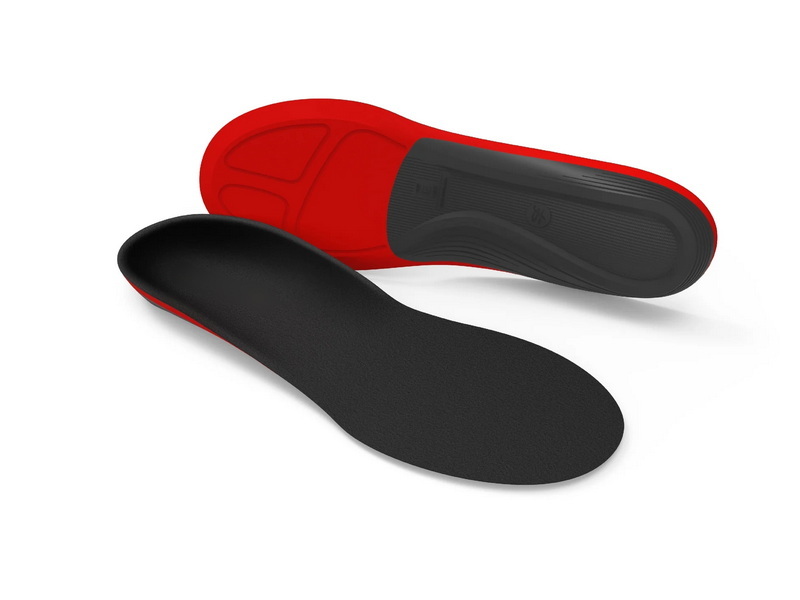
There are three main types: cushioned for shock absorption, rigid/semi-rigid for maximum support, and custom orthotics tailored for unique foot shapes or medical issues.
People with foot pain, fallen arches, or discomfort after walking or standing often benefit. Common signs include persistent foot, heel, or lower body pain, particularly in the morning or after activity.
Most inserts are designed to fit athletic, casual, or work footwear. Slim designs exist for dress shoes or specialty footwear, though some trimming or adjustment may be needed for a perfect fit.
Most need replacing every 6 to 12 months, or sooner if you notice them losing shape, decreasing in support, or causing discomfort.
Custom orthotics are essential for complex or severe biomechanical issues. However, OTC inserts are suitable—and much more affordable—for general support, pain relief, and prevention of daily aches.


