
Language
Views: 222 Author: Edvo Publish Time: 2026-01-06 Origin: Site


Content Menu
● How to Choose the Right Insoles for Running Shoes
>> 2. Decide on Insole Purpose and Support Level
>> 3. Check Shoe Compatibility
>> 4. Evaluate Material and Breathability
>> 5. Consider Custom Orthotics
● How to Properly Insert Insoles in Running Shoes
● Avoiding Common Mistakes When Using Insoles
● Benefits of OEM-Produced Insoles for Runners
● How Insoles Affect Running Performance
● Caring for Your Running Insoles
● Are Insoles Suitable for Every Runner?
● How Runners Can Customize Their Insole Experience
● Why OEM Partnerships Matter for Global Running Shoe Brands
● FAQ
>> 1. Can I replace the original insoles in my running shoes?
>> 2. How often should I replace running insoles?
>> 3. Can insoles help with plantar fasciitis or heel pain?
>> 4. Are custom orthotic insoles worth it?
>> 5. Will insoles make my running shoes feel tighter?
Running is one of the most accessible forms of exercise, offering both physical and mental benefits. Yet, the repetitive motion and high impact can take a toll on your feet, especially if your running shoes no longer provide enough cushioning or support. This leads many runners to wonder: Can you put shoe insoles in running shoes?
The simple answer is yes, and doing so can provide major improvements in comfort, stability, and long-term foot health. Whether you are a casual jogger or a performance runner, using the right insoles in your running shoes can transform the running experience and protect your lower body from injuries.
In this guide, we'll look at how insoles work, why they're essential for runners, how to choose the perfect pair, and ways to make the most of them. You'll also learn insights from professional insole manufacturing for global brands that rely on OEM services for high-quality foot support products.
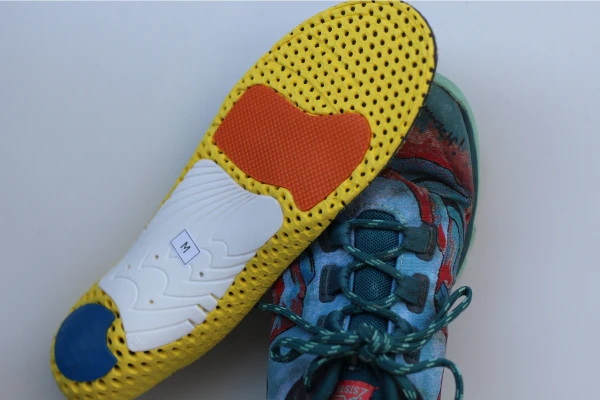
Insoles are thin layers of supportive material placed inside shoes to provide shock absorption, cushioning, and alignment. They are also known as footbeds or inner soles. Although most running shoes include basic insoles, these stock versions often lack long-term comfort or structural support.
Replacing them with specialized insoles can relieve pain, improve balance, and even correct overpronation or supination. Insoles come in various materials such as EVA foam, polyurethane, gel, memory foam, and cork. Each material type has a distinct benefit — for example, gel absorbs shock effectively, while EVA foam provides lightweight resilience.
For runners, high-performing insoles support every stride, helping the body maintain natural alignment during runs. They can also improve the fit of a shoe, especially for runners who experience slippage or require more space around the arch or heel.
Runners add insoles to their shoes for several practical and biomechanical reasons. Properly designed insoles can make a significant difference in comfort, endurance, and even recovery.
- Improved comfort: Running generates repetitive impact. A cushioned insole spreads this impact evenly and reduces soreness after long runs.
- Better support and alignment: The right insole shapes the foot's position, promotes a healthier gait, and prevents uneven pressure distribution.
- Reduced injury risk: Insoles can prevent painful conditions like shin splints, plantar fasciitis, and Achilles tendon strain by absorbing shock and stabilizing the heel.
- Enhanced shoe fit: Some shoes have more internal space or feel loose. Insoles fill gaps, making the shoes snugger and more controlled.
- Performance optimization: When your feet experience less fatigue, you maintain consistent stride rhythm, increasing efficiency across long distances.
The human foot is complex, containing more than two dozen bones and dozens of tendons that must work in harmony. A slight imbalance can affect your leg muscles and posture. Insoles help maintain biomechanical balance from the ground up.
Not all insoles are the same. Choosing one depends on your arch type, running style, and comfort needs. Understanding these differences ensures you pick an optimal product.
Your foot structure determines your insole choice. Most people fall into one of three categories:
- Flat feet: These lack a defined arch, often causing overpronation. Choose firm orthotic insoles that increase arch height and reduce inward rolling.
- Neutral arches: The most balanced shape, suitable for medium-density foam or gel insoles offering general cushioning.
- High arches: These create extra pressure on the forefoot and heel. Soft, flexible insoles with deep heel cups reduce tension and impact.
You can identify your arch type with a simple wet footprint test — a flat print indicates flat feet, while a narrow midsection shows higher arches.
Ask yourself why you need insoles. Are you looking for comfort, pain relief, or performance enhancement? Thicker insoles with rigid arch structures work best for support, while thinner and more flexible models are made for everyday comfort or short runs.
Running shoes have different internal volumes. Some insoles can make them tighter or uncomfortable. Before you buy, remove the original insoles, measure or trim the replacements, and make sure they fit without crowding the toes or lifting the heel.
Runners who use race-ready or lightweight shoes should lean toward thin-profile insoles to maintain responsiveness, while those who train on hard surfaces can benefit from thicker cushioning.
Sweat and friction are inevitable during long runs. Breathable, antimicrobial insoles help reduce odor and moisture buildup. EVA, PU foam, or micro-mesh layers promote airflow and quick drying. A non-slip bottom layer ensures the insole stays stable inside the shoe even during sharp turns or sprints.
If you suffer from specific foot problems — such as plantar fasciitis, bunions, or chronic knee pain — custom orthotics made by a medical professional may be worth it. They are tailored to your individual foot shape and gait, offering the most accurate correction of biomechanical imbalance.
Placing insoles correctly may seem simple, but attention to detail is key for comfort and function.
1. Remove the original insole from your shoe. Leaving it in could make the new one unstable or too tight.
2. Align the new insole with the old one. If it's larger, trim the toe end slightly using scissors.
3. Place it flat inside the shoe, making sure the heel sits securely against the shoe's back.
4. Try on both shoes and walk or jog lightly to check for uneven pressure or tight spots.
5. Adjust if necessary, and test for short runs before using them for long distances.
Ensuring a proper fit is just as important as choosing the right material. Poor placement can lead to friction or blisters — both big setbacks for runners.
To maximize insole performance, avoid these frequent errors:
- Using the wrong size: If the insole doesn't match the shoe, it may slide or fold under pressure.
- Ignoring discomfort: Any new pain means the insole might not fit your arch type.
- Stacking insoles: Using two layers makes shoes cramped and disrupts stability.
- Keeping worn-out insoles too long: Materials compress over time and lose support.
- Neglecting shoe condition: Old, deformed shoes won't benefit even from premium insoles.
A good maintenance routine helps too. Remove insoles after each run to air them out, and clean lightly with mild soap to prevent bacteria growth.
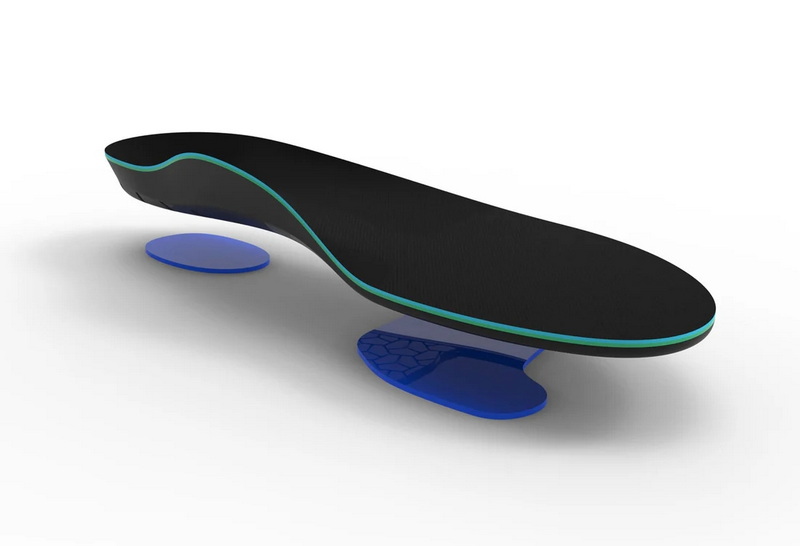
For sports brands, wholesalers, or distributors, sourcing insoles directly from OEM manufacturers in China offers flexibility and cost efficiency. A reliable insole factory understands the ergonomics and materials required for professional runners.
Leading OEM insole manufacturers provide:
- Custom design: Tailored molds for orthotic, sports, or casual shoe lines.
- High-performance materials: EVA, PU, memory foam, latex, and gel blends developed for superior comfort and durability.
- Advanced features: Breathable top cloth, anti-slip base layers, odor control, and shock distribution structures.
- Scalable production: From small sample batches to full bulk orders for global supply chains.
- Branding opportunities: Custom logos, colors, and packaging options that strengthen brand identity.
For international brands, an OEM partnership means combining innovation and affordability while maintaining consistent product quality. Manufacturers with professional R&D teams can even help create insoles optimized for regional climate and user preferences, whether for European, American, or Asian foot shapes.
Good insoles don't just make running more comfortable; they enhance the way your body moves. Balanced support helps runners maintain proper leg alignment from the feet up to the hips and spine. This alignment can reduce energy loss from unnecessary motion.
Here's how performance changes with proper insoles:
- Energy efficiency: By stabilizing arches and limiting excessive motion, insoles improve stride consistency.
- Longer endurance: Reduced fatigue allows you to train longer and recover faster.
- Faster recovery: Proper cushioning decreases inflammation caused by repetitive impact, shortening recovery time after intense runs.
- Injury prevention: Shock absorption helps protect joints and tendons from stress-induced damage.
Many runners notice they can focus more on pace and breathing rather than adjusting their stride for discomfort. The result is smoother, more enjoyable running.
Proper care extends the life of your insoles and maintains hygiene. Here are a few essential practices:
- Air dry after each run: Remove and pair-dry them to prevent moisture buildup.
- Clean monthly: Use mild soap and a damp cloth. Avoid machine washing or submerging insoles.
- Avoid heat exposure: Dry naturally; never place near heaters or dryers.
- Replace regularly: Depending on mileage, replace every 6–12 months or sooner if support feels weaker.
Runners who log high weekly mileage might need more frequent replacement, while casual joggers can extend lifespan slightly longer.
Almost any runner can benefit from insoles, but needs vary. Lightweight runners with perfect arches may only need minimal cushioning, whereas heavier or injury-prone runners might rely on structured orthotic insoles.
If you experience persistent knee or heel pain, consult a sports podiatrist before choosing. Sometimes improper shoe selection, rather than the insole, is the issue. However, in most cases, switching to a better-quality insole reduces pressure immediately and improves comfort across multiple surfaces such as asphalt, trails, or treadmills.
Every foot is unique, and small adjustments make a big difference. To fine-tune insole performance:
- Experiment with thickness: Start with medium-density options and adjust based on comfort.
- Pair with the right socks: Moisture-wicking running socks complement breathable insoles.
- Rotate between pairs: If you run often, alternate insoles to extend life and maintain freshness.
- Adapt for seasonal use: Softer, shock-absorbent insoles are ideal in winter when surfaces are harder; thinner, cooler materials may work better in summer.
Customization helps you personalize your run without needing fully bespoke solutions.
For businesses in the sportswear industry, insoles represent a significant yet often underutilized branding opportunity. Collaborating with a skilled Chinese OEM insole factory enables product differentiation through specialized designs and material innovation.
Typical advantages include:
- Development of eco-friendly materials meeting European and American standards.
- Response to global trends favoring sustainability — recyclable foams or plant-based fabrics.
- Integrated mold customization to match the shoe's style language.
- Quality testing for compression, durability, and rebound performance.
By outsourcing production while retaining design control, brands can launch new insole lines faster and gain a competitive edge in retail and wholesale markets.
So, can you put insoles in running shoes? Absolutely — and in most cases, you should. Insoles play an essential role in creating a stable, comfortable foundation for your body's movement. Whether your goal is to prevent injuries, run longer distances, or simply make your workout more enjoyable, the right insole will help you achieve better support and alignment.
For runners, the benefits are immediate: improved comfort, reduced fatigue, and reduced joint strain. For international sports brands and distributors, partnering with a professional OEM insole manufacturer ensures you access high-quality, customizable products designed for different customer needs across global markets.
Insoles may be small, but their impact is monumental. They bridge the gap between performance and protection — one step at a time.
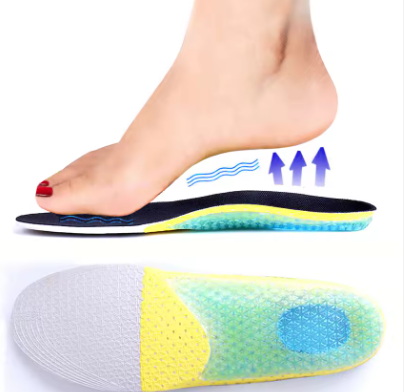
Yes. Most running shoe insoles are removable. Replacing them with better-quality or orthotic options can improve comfort and support.
Replace them every 6 to 12 months, depending on how often you run and the wear condition. When cushioning flattens or support feels weaker, it's time for a new pair.
Yes, insoles specifically designed with strong arch and heel support can relieve pressure on the plantar fascia, reducing pain and inflammation.
For chronic pain, irregular gait, or foot deformities, custom orthotics made by specialists can provide exceptional correction. For everyday use, high-quality OEM insoles are usually sufficient.
Thicker insoles can reduce shoe volume slightly. To avoid this, remove the original insole and ensure the new one fits correctly before running.


