
Language
Views: 222 Author: Edvo Publish Time: 2026-01-06 Origin: Site


Content Menu
● Why Cleaning Shoe Insoles Is So Important
● Can All Insoles Go in the Washing Machine?
>> Foam and Memory Foam Insoles
>> Gel Insoles
>> Fabric or Synthetic Insoles
● How to Tell If Your Insoles Are Machine Washable
● Step-by-Step: How to Wash Insoles in the Machine
>> Step 2: Brush Away Loose Dirt
>> Step 3: Use a Mesh Laundry Bag
>> Step 4: Set the Washer Correctly
>> Step 5: Rinse and Remove Promptly
● Correct Drying Techniques for Insoles
>> Air Drying
>> Towel Drying
>> Drying Time
● Hand Washing: The Safer, Versatile Method
● Advanced Cleaning Tips for Long-Term Freshness
● How Often Should You Wash Insoles?
● When to Replace Insoles Instead of Cleaning
● Choosing the Right Replacement Insoles
● Understanding OEM Washable Insoles
>> Key Features of Our Washable Insoles
>> Benefits for Footwear Brands
● Common Mistakes When Cleaning Insoles
● Professional Insights on Long-Lasting Shoe Hygiene
● FAQ
>> 1. Can I machine dry my insoles?
>> 2. How frequently should I wash my insoles?
>> 3. Which detergent works best for insoles?
>> 4. Can washing remove built-in arch support?
>> 5. Are OEM washable insoles worth the investment for brands?
Maintaining clean footwear is important for comfort, hygiene, and durability. However, one often-overlooked part of shoe care is cleaning the insoles—the layer that contacts your feet directly. Over time, insoles absorb sweat, dirt, and odors, becoming a breeding ground for bacteria. Many people wonder: Can you put shoe insoles in the washing machine?
The answer is both yes and no—it depends on the type of insole, its material composition, and the cleaning method used. In this article, we'll explore how to determine if your shoe insoles are machine washable, how to wash and dry them properly, and when replacement is the better option. Whether you're a consumer or a footwear brand sourcing OEM insoles, understanding proper care methods ensures long-lasting quality and comfort.
Even the most advanced pair of shoes can't stay comfortable if the insoles are dirty or worn down. Insoles play multiple vital roles:
- Hygiene: Prevent bacteria and fungi from building up due to sweat and friction.
- Comfort: Retain cushioning and arch support, reducing foot fatigue.
- Durability: Extend the life of shoes and maintain their shape.
- Odor control: Prevent lingering smells caused by moisture buildup.
Regular cleaning keeps footwear fresh, protects against infections like athlete's foot, and enhances the user's overall experience. For brands, cleanable and washable insoles add value, helping distinguish your products in competitive global markets.
Not all insoles are designed to withstand washing machines. Some materials handle water and agitation well, while others deteriorate quickly. Knowing which type you have will determine the best cleaning approach.
These insoles provide exceptional cushioning and pressure relief but are highly absorbent. Prolonged exposure to water or heat can cause them to lose structure, shrink, or tear apart. For foam or memory foam, avoid machine washing; a gentle hand clean is safer.
Gel insoles excel at shock absorption but depend on sealed gel layers. Washing machines can rupture the gel sacs or loosen adhesives that keep them in place. Always wipe gel insoles with a damp cloth and mild soap to maintain their performance.
Leather insoles feel luxurious but are sensitive to moisture. Machine washing strips oils and causes stiffness or cracking. Clean leather insoles by gently wiping them with a damp towel, then treating them with a leather conditioner to retain flexibility and shine.
These are typically the most machine-washable insoles. They can endure mild detergent and cold water when placed in protective laundry bags. However, check for foam interiors or glued layers that could separate during washing.
Eco-friendly insoles made of cork or bamboo fiber are becoming popular for sustainability. However, they absorb moisture easily. Light surface cleaning is recommended instead of soaking or machine washing, which may cause warping or mold growth.
Before placing your insoles in the washing machine, take a few precautionary steps:
1. Check manufacturer guidelines. Many brand or OEM insoles include care symbols on tags or packaging.
2. Test for color fastness. Dampen a corner with a wet towel; if it bleeds color, it's not washable.
3. Understand bonding layers. If the insole features multi-layer foam or adhesive films, washing could loosen the layers.
4. Material identification. If uncertain, identify the material through touch and flexibility—leather feels firm, while foam compresses easily.
5. When in doubt, hand wash. This universal approach reduces risk while ensuring cleanliness.
When washing is safe, doing it correctly makes a big difference. Follow these professional steps to clean your insoles effectively without causing harm.
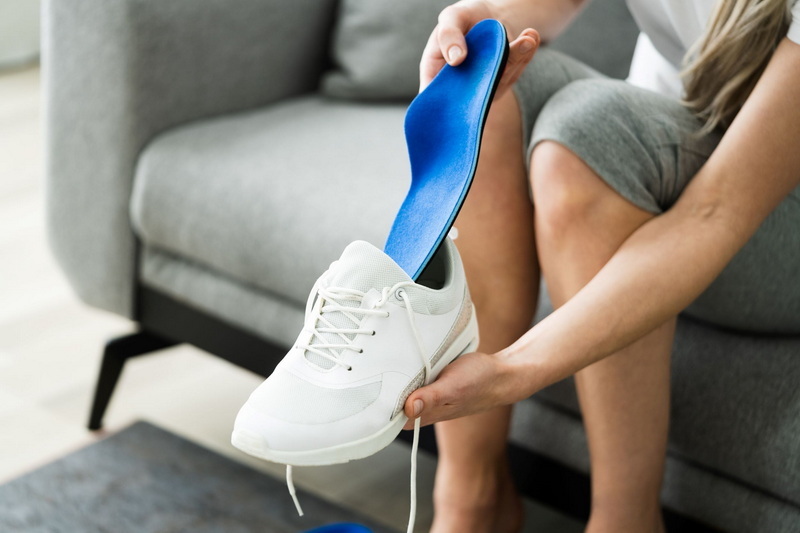
Take the insoles completely out of your shoes. Leaving them inside traps dirt and prevents the water from cleaning properly.
Use a soft brush or dry cloth to remove lint, mud, or sand. This prevents residue from recirculating in the washer.
Place insoles in a mesh bag or pillowcase to protect them during the cycle. This minimizes friction and prevents direct impact with the drum walls.
- Choose cold or lukewarm water.
- Apply a gentle cycle.
- Use a small amount of mild detergent.
Avoid bleach, fabric softeners, or hot water, as they can damage the shape and bonding materials.
Once washing is complete, remove the insoles right away. Extended soaking can cause delamination (layer separation) or lingering odors.
Improper drying is one of the main reasons insoles lose their shape or develop mold. Follow these drying best practices to preserve their structure and hygiene.
Position the washed insoles in a shaded, well-ventilated area. Never expose them directly to sunlight or high heat. The slow natural drying process helps maintain material elasticity.
Press a clean, absorbent towel against the surface to blot away excess moisture. Replace the towel once it becomes damp.
Insert crumpled paper under or inside the insoles to draw out moisture faster. Replace it every few hours until dry.
Most insoles require 12 to 24 hours to dry completely. Ensure they are fully dry before reinserting them to avoid bacterial growth.
Avoid these drying methods:
- Clothes dryer
- Radiator or heater
- Hairdryer
- Microwave
All of these produce excessive heat, which can warp or melt materials.
If there's any uncertainty about material safety, hand washing is the most effective and safest approach.
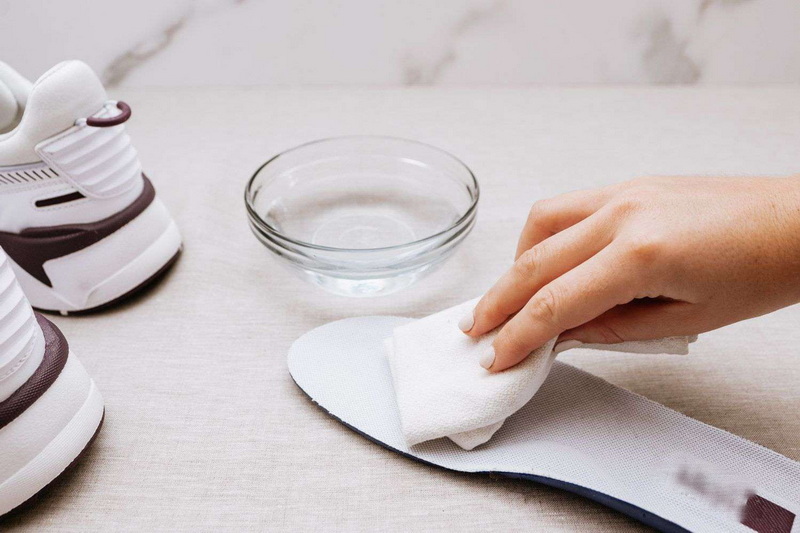
1. Prepare a bowl of warm water with mild soap.
2. Use a soft bristle brush or sponge to scrub dirt off.
3. Rinse with clean, lukewarm water—avoid full submersion.
4. Wipe dry with a towel to remove surface water.
5. Air dry naturally before reinserting them.
Hand washing ensures your insoles stay intact while still removing sweat and bacteria effectively. It's also ideal for insoles with glued layers, foam interiors, or delicate surfaces.
To maintain cleanliness between washes, use these simple yet effective tips:
- Use baking soda as a natural deodorizer. Sprinkle it over the insole overnight and shake it off in the morning.
- Apply antimicrobial sprays that kill odor-causing bacteria.
- Avoid wearing wet shoes. Moisture accelerates odor growth.
- Rotate between two or more pairs of shoes to give each set time to air out.
- Replace socks daily, as clean socks dramatically reduce insole contamination.
These preventive habits help not only preserve your current insoles but also improve your overall foot comfort and hygiene.
The frequency depends on your lifestyle and usage. For daily wearers or athletes, washing every two to three weeks is ideal. If you use shoes occasionally or switch pairs frequently, monthly cleaning may suffice.
Odor, discoloration, or visible buildup are clear indicators that a wash or replacement is due. The key is consistency—cleaning before odor develops will keep both your shoes and feet healthier.
Even with regular maintenance, insoles eventually wear out. Cleaning can disguise odor temporarily, but it can't restore lost structure or support.
Replace your insoles when you notice:
- Persistent odor even after cleaning.
- Cracked or flattened cushioning.
- Worn-out fabric layers or peeling foam.
- Uneven thickness or loss of arch support.
For most users, replacing insoles every six months ensures optimal comfort. Runners or those standing long hours may need replacements sooner.
When replacing insoles, pick materials that suit your purpose:
- For sports: Choose breathable EVA or PU foam insoles with moisture-wicking capabilities.
- For office wear: Leather or hybrid insoles add comfort while maintaining professional aesthetics.
- For work boots: High-density foam insoles with reinforced arch support and shock absorption.
- For sustainability: Recycled or bamboo fiber insoles that reduce environmental impact.
OEM manufacturers can tailor materials, density, and washable features according to brand or market requirements.
As a trusted OEM supplier in China, our factory specializes in producing custom washable insoles for international shoe brands, wholesalers, and manufacturers.
- Machine and hand washable materials optimized for repeated cleaning cycles.
- Antibacterial coating for odor prevention and long-term hygiene.
- Breathable structure for ventilation and moisture control.
- Memory or EVA foam cores that maintain shape after washing.
- Custom branding options including embossed logos or printed designs.
- Enhances footwear value with hygiene-conscious design.
- Reduces warranty claims linked to odor or premature wear.
- Aligns with sustainability trends through washable durability.
- Encourages repeat purchases by improving user experience.
Customized OEM insoles combine functionality with branding, helping companies in the footwear industry compete globally with performance-driven, washable solutions.
Even with good intentions, improper cleaning can ruin insoles. Avoid these common errors:
- Using bleach or alcohol: These harsh agents damage fibers and adhesives.
- Soaking insoles completely: Extended water immersion leads to delamination.
- Skipping the drying step: Residual moisture creates a perfect environment for bacteria.
- Using strong brushes: Abrasive scrubbing can destroy surface textures or logos.
Gentle handling combined with regular cleaning ensures long-lasting use without compromising comfort.
From a manufacturing perspective, proper insole maintenance reduces total shoe disposal rates. For large-scale footwear brands or wholesalers, promoting washable insole products supports both environmental goals and user satisfaction.
Encouraging end users to clean their insoles regularly can also reduce returns due to odor complaints, improve brand reputation, and extend product lifespans. As consumer expectations shift toward sustainable footwear, washable insoles represent a simple yet impactful upgrade.
At our manufacturing facilities, we continuously research materials that can endure repeated washing cycles without losing cushioning performance. Our OEM partnerships cover the production of athletic, orthopedic, and casual insoles engineered for machine-wash resilience.
So, can you put shoe insoles in the washing machine? The answer depends entirely on their material and construction. Fabric or synthetic insoles can usually handle gentle machine washing, while foam, gel, and leather versions should be washed by hand. Always use cold water, mild detergent, and avoid harsh heat exposure.
Proper washing and drying extend the lifespan of insoles, maintain comfort, and prevent odor. For brands and distributors, investing in washable OEM insoles provides a market advantage—offering hygiene, durability, and sustainability that appeal to modern consumers.
Keep your insoles fresh, treat them well, and they'll reward you with long-lasting comfort and performance every step of the way.
No. Heat from a dryer can deform or shrink them. Always let insoles air dry in a well-ventilated area.
Ideally every two to four weeks, or sooner if you notice odor or visible stains.
A mild, fragrance-free detergent is recommended. Avoid bleach or solvents that degrade adhesives.
No, but frequent heat exposure can weaken foam density. Washing gently and drying naturally helps preserve structure.
Absolutely. They lower odor complaints, increase repeat purchases, and align with sustainable footwear trends.


