
Views: 222 Author: Edvo Publish Time: 2026-01-10 Origin: Site


Content Menu
● What Are Insoles and Their Function?
● Can You Remove Insoles From Shoes?
● Why Do Manufacturers Make Removable Insoles?
● Reasons People Remove Insoles
● How to Safely Remove Insoles Without Damage
● Recognizing When to Replace Insoles
● Benefits of Removable Insoles for Foot Health
● Popular Types of Removable Insoles
● Materials Commonly Used in Insole Production
● How Removable Insoles Enhance Shoe Value
● When You Should Not Remove Insoles
● Maintenance and Cleaning of Removable Insoles
● OEM and Brand Considerations for Insole Customization
● Common Mistakes When Replacing Insoles
● FAQs
>> 1. Can all shoes have removable insoles?
>> 2. How often should I change insoles?
>> 3. Are removable insoles suitable for orthopedic inserts?
>> 4. What materials are best for replacement insoles?
>> 5. How do I keep insoles from slipping inside the shoe?
Insoles are small in size but significant in impact. They directly affect comfort, hygiene, and the overall wear experience of shoes. Whether you're a consumer looking to make your footwear more comfortable or a brand evaluating design features, one common question arises — can you remove insoles from shoes?
The answer varies depending on shoe type, manufacturing process, and material design. This detailed article explores every aspect of removable shoe insoles, from how to identify them to why they matter for both wearers and OEM manufacturers.
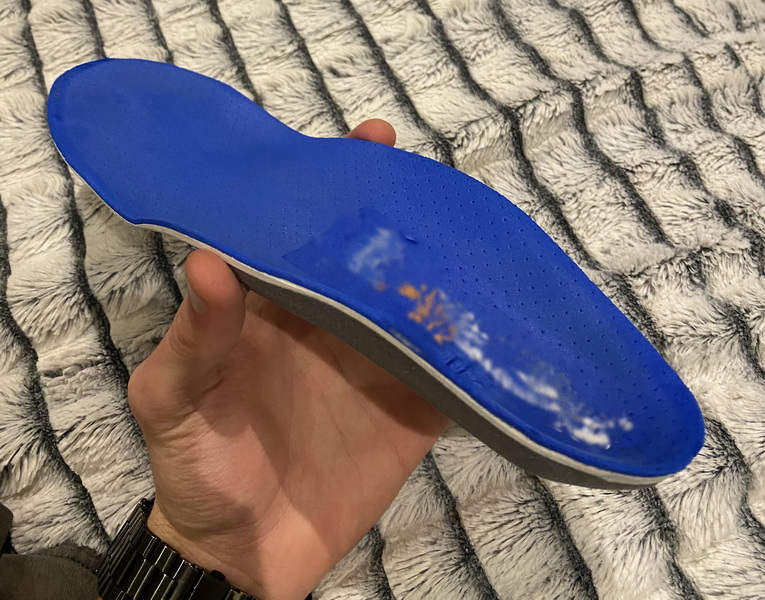
Insoles, often called inner soles or footbeds, are the soft layers of material placed inside shoes. They cushion the feet against impact and provide better fitting. Depending on the product type, insoles range from very basic foam layers to advanced orthopedic support structures with breathable, moisture-wicking, or antibacterial properties.
For shoe designers and manufacturers, the insole is not just an accessory—it is a functional and strategic component that affects user comfort, production cost, and market differentiation. High-quality insoles enhance shoe performance and brand reputation, while low-quality or non-removable ones can limit consumer satisfaction.
In general, yes, you can remove insoles from most shoes, but not all. The removability depends on how the shoes are constructed:
- Removable insoles are specifically designed to be lifted out. They sit loosely inside the shoe and can be replaced easily for cleaning or customization.
- Fixed insoles are either glued or stitched into the shoe base. They form part of the shoe's structure, and forcefully removing them might cause interior damage or warp the shape.
If you are unsure, look under the heel or toe area to see if the insole edge lifts slightly. Shoes designed for sports, orthopedic use, or casual everyday wear commonly feature removable insoles, whereas luxury leather shoes and some boots might have permanently fixed insoles for durability.
From a manufacturing and OEM perspective, offering removable insoles greatly expands design flexibility and customer appeal. There are several reasons why removable models are beneficial:
1. Consumer versatility: Buyers can adapt their shoes according to foot needs, inserting customized supports or medical orthotics.
2. Enhanced hygiene: Removable insoles can be washed or replaced, preventing odor build-up.
3. Sustainability: Instead of discarding entire shoes, users can replace only the worn-out insoles, extending the product's lifespan.
4. After-sales opportunity: Brands can offer replacement insoles as part of their supply chain, opening new revenue channels.
5. Comfort optimization: Adjustable insoles allow different cushioning densities or arch profiles to be installed within the same shoe model.
For OEM shoe companies, establishing a reputation for thoughtful, adaptable design can significantly improve brand loyalty among distributors and end consumers.
Customers remove insoles for multiple practical and personal reasons. Understanding these motivations helps manufacturers design products that meet varied market expectations.
- To insert orthotic or custom insoles: Many people require insoles prescribed by podiatrists to correct foot alignment or relieve pain conditions like plantar fasciitis or arch strain.
- To clean and air the shoes: Insoles absorb sweat and odor; removing them regularly keeps shoes fresh.
- To improve or alter fit: Sometimes insoles add too much bulk, and removing them provides more toe room. Conversely, replacing them with thicker versions can tighten loose-fitting shoes.
- To switch seasonal insoles: Thicker or wool-lined insoles may be replaced with breathable summer ones.
- To test for material wear: Long-term users remove insoles to check shoe construction quality or repair inner linings.
Removing insoles requires care, especially with glued or partially fixed designs. Here's how to do it effectively:
1. Inspect the edges: Gently lift the heel part to test attachment. If it feels stiff or glued, proceed slowly.
2. Use gentle leverage: Slide fingers or a dull plastic card beneath the insole, avoiding metal tools that might rip the lining.
3. Loosen gradually: Work from the heel to the toe, applying slight pressure to detach adhesive evenly.
4. Clean surfaces: After removing, wipe the insole and insole bed to remove dust or moisture residue.
5. Check stability: If reinstalling or replacing insoles, ensure they sit evenly with no air pockets or bunching underfoot.
Retail buyers and brand partners often appreciate when a manufacturer includes a removable design guideline within user manuals or packaging—it signals product transparency and attention to detail.
Insoles, like any other shoe component, wear down over time. Even removable ones need replacing after extended use. Here are noticeable signs:
- Flattened cushion or worn-out foam.
- Persistent odor that remains even after cleaning.
- Visible cracks, discoloration, or loss of elasticity.
- Uneven surface causing discomfort or altered posture.
- Ongoing foot pain or fatigue during normal wear.
Replacing insoles improves shoe comfort and extends product life. For OEM manufacturers, offering replacement insoles in the after-sales market is also a smart strategy for customer retention.
From a medical standpoint, removable insoles can significantly benefit foot health. Custom orthotic or ergonomic insoles reduce pressure on key points such as the heel and ball of the foot. They also promote correct foot alignment, preventing long-term orthopedic issues. Additionally, removable options make it easier to adjust for different foot shapes, including flat-footed or high-arched wearers.
People who wear shoes for long hours—such as workers, healthcare professionals, or athletes—often experience improved comfort when using specialized removable insoles. Offering this feature supports a wide demographic of users with varied comfort needs.
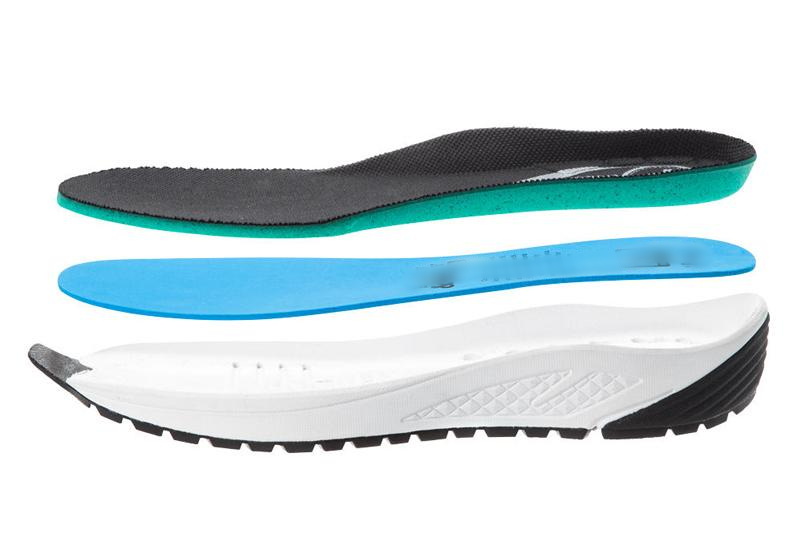
Choosing the right insole type is important not only for personal comfort but also for industrial manufacturing standards. Here are the main kinds commonly used in the market today:
- EVA foam insoles: Lightweight, economical, and highly adaptable to mass production.
- Memory foam insoles: Mold to the shape of feet and deliver long-lasting cushioning.
- Gel insoles: Provide superior shock absorption and are common in athletic shoes.
- Leather insoles: Breathable and durable, suitable for formal footwear.
- Orthopedic insoles: Designed to correct postural issues or distribute pressure evenly.
- Carbon or bamboo charcoal insoles: Control moisture and odor naturally.
For OEM exporting manufacturers, offering a varied portfolio of these materials allows serving multiple markets—from budget brands to high-end lifestyle footwear.
Material choice determines the comfort, cost, and durability of insoles. Popular materials include:
- EVA (Ethylene-Vinyl Acetate): Soft, flexible, and easy to mold; popular for sports and casual footwear.
- PU Foam: Denser and more durable, offering reliable long-term cushioning.
- Latex: Good elasticity and anti-slip capabilities.
- Gel composites: Shock absorption and temperature regulation for advanced footwear.
- Cork: Offers natural insulation and breathability.
- Recycled materials: Increasingly used for eco-friendly brands focusing on sustainability.
Combining multiple materials—such as EVA base layers with gel heel pads—creates comfort zones for specific foot areas. OEM designers often use hybrid constructions to balance cost and performance.
In markets where consumer experience drives brand success, features like removable insoles can be a differentiator. Some of the direct commercial benefits include:
- Customizable comfort: Customers can personalize their shoes without professional help.
- Longer lifespan: Instead of replacing worn-out shoes, customers only need to replace the inner layer.
- Improved hygiene: Washable and replaceable insoles help maintain cleanliness.
- Added brand value: Premium shoe lines emphasize comfort technology, and removable insoles align perfectly with this positioning.
OEM partnerships that incorporate removable insoles can leverage these points in product marketing and B2B negotiations.
In some shoes, removing insoles is not advised because they play a structural or support role:
- Stitched-down constructions: Often found in traditional boots and dress shoes.
- Foam midsoles merged with insoles: Present in performance sneakers or heavy-duty boots.
- Shoes with built-in cushioning systems: Removal may disrupt design balance and alter pressure distribution.
- Waterproof or sealed footwear: Breaking adhesive seals may compromise water resistance.
In these cases, cleaning and maintaining the shoes without removing the insoles is the safer choice.
Proper maintenance keeps removable insoles odor-free and extends their usability. Follow these practices for longer-lasting freshness:
1. Remove after each use and air out overnight.
2. Clean lightly with a damp cloth and mild soap every few weeks.
3. Avoid direct heat exposure such as dryers or sunlight, which may deform materials.
4. Use deodorizing sprays or powders specifically designed for shoe interiors.
5. Rotate insoles if you have multiple pairs to extend longevity.
For wholesale brands, including care instructions on packaging enhances professionalism and reduces customer complaints.
For international buyers and wholesalers, removable insoles present a practical selling point. OEM manufacturers can offer several custom features such as:
- Embossed or printed brand logos.
- Different color and texture options for varied markets.
- Customizable materials depending on region or climate.
- Adjustable arch supports for gender-specific or athletic lines.
- Budget and premium-grade material combinations.
Shoes equipped with these customizable features gain broader acceptance across retail channels, helping importers target more consumer segments efficiently.
Even though the process is straightforward, many users make avoidable errors when replacing their insoles:
- Choosing insoles that are too thick or long.
- Ignoring the original arch profile of the shoe.
- Using poor-quality adhesive when securing replacements.
- Over-washing, which causes the material to lose shape.
- Not allowing insoles to dry completely before reusing them.
Educating customers on proper removal and replacement procedures adds value and reduces return rates for OEM brand partners.
The footwear industry continues evolving toward customization, sustainability, and comfort-oriented innovation. Removable insoles will remain an essential feature in this transformation. Advanced production methods such as 3D-printing and biodegradable materials are paving the way for insoles that are not only supportive and comfortable but also environmentally responsible.
Smart insoles with pressure sensors and fitness tracking are becoming more popular in premium shoe lines. For OEM exporters, staying ahead of these trends means investing in material R&D and adapting manufacturing processes for value-added product lines.
So, can you remove insoles from shoes? In most cases, the answer is yes—and understanding how to do it properly offers both comfort and commercial advantages. Removable insoles enhance hygiene, enable customization, and extend shoe lifespan. For consumers, they represent flexibility and personalized support. For OEM manufacturers and brands, they symbolize design innovation and market competitiveness.
By integrating easily removable insoles into your product line, you create footwear that adapts to individual comfort needs, supports healthier lifestyles, and stands out in a crowded global marketplace.
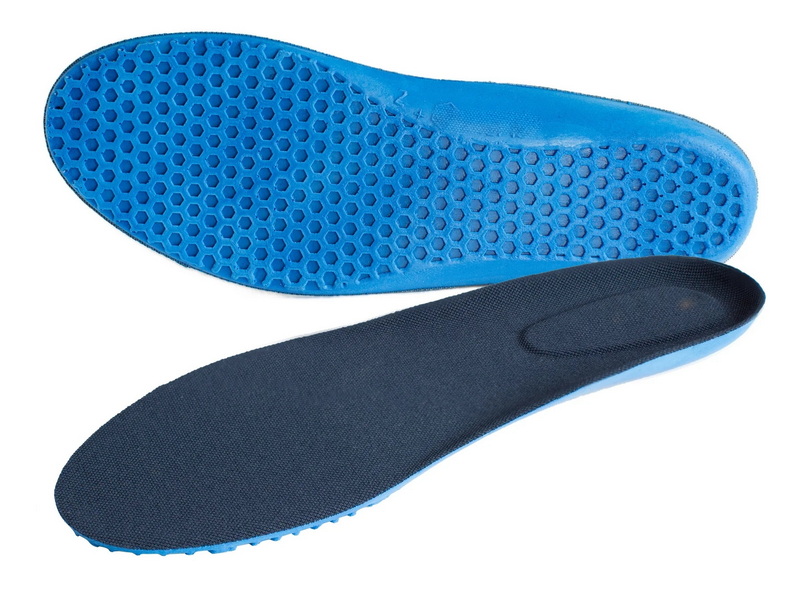
No. Some shoes are built with fixed insoles that are stitched or glued into place. Always inspect your shoes before attempting removal.
Generally, insoles should be replaced every six to twelve months, depending on activity level, foot pressure, and exposure to moisture.
Yes. Removable insoles allow you to fit custom orthotics comfortably without altering the shoe's design or stability.
EVA, gel, and memory foam are popular materials offering excellent cushioning, flexibility, and durability, depending on intended use.
Ensure proper size matching and alignment. Some users prefer using double-sided fabric tape or silicone grip patches to secure them.


