
Language


Content Menu
● How Orthotic Insoles Support Foot Health
● Signs That You Might Need Orthotic Insoles
● The Science Behind Orthotic Insoles
● How to Choose the Best Orthotic Insoles
● Integrating Orthotic Insoles into Daily Life
● Common Myths and Misconceptions About Orthotic Insoles
● Alternatives and Adjuncts to Orthotic Insoles
>> 1. What Are the Main Benefits of Orthotic Insoles?
>> 2. How Long Do Orthotic Insoles Last?
>> 3. Can Children Use Orthotic Insoles?
>> 4. Should I Wear Orthotic Insoles All the Time?
>> 5. How Do I Know If Orthotic Insoles Are Right for Me?
In today's world, the health and comfort of our feet are more important than ever before. Whether you are an athlete, an office worker, or someone recovering from a foot injury, you may have asked: "Do I Need Orthotic Insoles?" This guide comprehensively explores when orthotic insoles are necessary, what they do, who can benefit, and how to select the ideal type. Throughout, we utilize illustrative examples and practical advice so you can make a confident decision about your foot health.
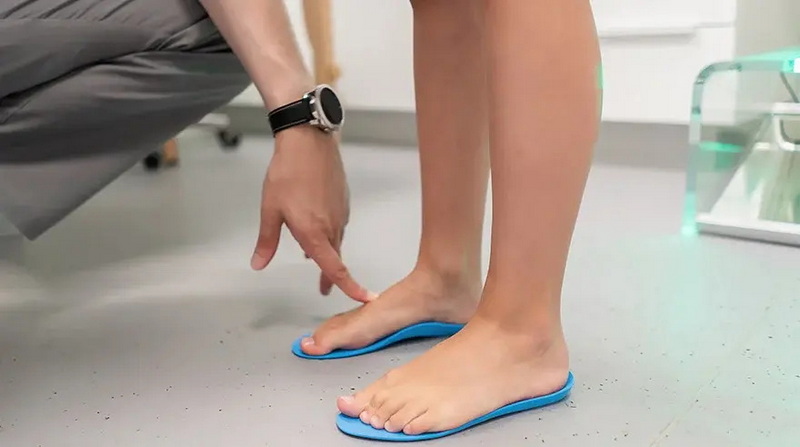
Orthotic insoles, often dubbed 'orthotics,' are shoe inserts engineered to support and align the feet for improved function and comfort. Unlike generic insoles found in most shoes, orthotic insoles are shaped to address structural and mechanical foot problems. These issues can include flat arches, high arches, plantar fasciitis, heel pain, overpronation, or problems that develop from sustained activity or injury.
There are several key types of orthotic insoles:
- Custom Orthotics: Crafted based on an individual's foot scan or cast, custom orthotics deliver precise support tailored to unique anatomical needs.
- Prefabricated Orthotics: Manufactured for common support issues, these are readily available and offer moderate correction for general users.
- Sport-Specific Orthotics: Designed to withstand rigorous movement patterns, these insoles help athletes perform at their best while reducing injury risk.
In recent years, the range of materials used has expanded to include foam, gel, rigid plastics, and composite blends—each designed to maximize support, absorb impact, and ensure comfort over extended wear.
The need for orthotic insoles is diverse and goes beyond clinical scenarios. Individuals who may benefit include:
- Those with Chronic Foot Pain: Unexplained discomfort in the heel, ball, or arch of the foot may point to misalignment or over-stressing soft tissues. Orthotics help correct these underlying mechanics.
- Active Individuals: Runners, hikers, and sports enthusiasts subject their feet to repetitive impact, which can lead to overuse injuries. Orthotic insoles provide crucial shock absorption and alignment.
- People with Structural Foot Abnormalities: Flat feet, high arches, bunions, and hammertoes frequently lead to altered walking patterns, putting strain on ligaments and joints that orthotics can help counteract.
- Workers on Their Feet All Day: Teachers, healthcare professionals, and factory workers often experience fatigue, soreness, or pain stemming from standing and walking for hours.
- Patients Recovering from Surgery or Injury: Orthotics are commonly recommended after surgeries to guide proper healing and reduce strain on vulnerable areas.
Even children with developmental gait disorders or elderly individuals at risk of falls may find substantial improvement with the right insole support.
The main functions of orthotic insoles are grounded in biomechanical science. By controlling abnormal movement of the foot and redistributing pressure, orthotics can:
- Stabilize the foot and ankle, ensuring healthy alignment during walking and running.
- Absorb the shock of repeated impact, reducing the risk of stress injuries.
- Relieve pain in the plantar fascia, Achilles tendon, and other vulnerable soft tissues.
- Improve balance and posture, which positively affects the knees, hips, and lower back.
- Protect against the progression of chronic foot conditions, preserving mobility and long-term well-being.
For example, a person with flat feet often finds that custom orthotics restore their arches and dramatically reduce fatigue, while someone with high arches may require extra cushioning to prevent excessive shock.
It is not always immediately apparent that orthotic insoles are the solution to your discomfort. Here are some telltale signs that may indicate their necessity:
- Persistent pain in the feet, ankles, or legs, especially after periods of standing or walking.
- Uneven wear and tear on shoes, suggesting an imbalance in walking mechanics.
- Recurring injuries such as stress fractures or sprains, which often stem from abnormal foot movement.
- Unexplained pain in the knees, hips, or lower back, which can originate from misalignments in the feet.
- Visible structural differences such as collapsed arches, excessive toe gripping, or severely pronated ankles.
A professional evaluation by a podiatrist or orthopedic specialist is the best way to understand whether orthotics are appropriate for your symptoms.
Orthotic insoles work by harnessing the principles of biomechanics—the study of how muscles, bones, and joints move together. When a foot does not strike the ground properly, the repercussions travel up the kinetic chain. Orthotics intervene by restoring healthy foot motion and correcting alignment, resulting in:
- Reduced internal rotation of the leg and knee.
- Balanced pressure distribution across the entire foot.
- Less strain on key structures, preventing repetitive injuries.
- Enhanced walking efficiency and reduced fatigue over long periods.
Advances in 3D scanning and digital modeling are enabling orthotic manufacturers to mimic natural foot contours, delivering personalized solutions that fit as comfortably as a second skin.
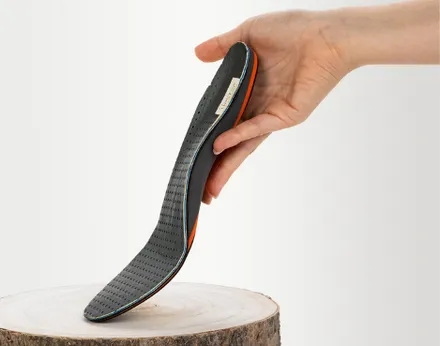
Choosing the right orthotic insoles involves evaluating several factors:
- Material: Foam offers cushioning, gel provides shock absorption, and rigid plastics deliver structural support. The right material depends on your primary activity and comfort needs.
- Level of Support: Some insoles provide gentle correction, while others are built for significant structural changes.
- Foot Type: Understanding your arch height and gait pattern widens your options for a perfect fit.
- Activity: Athletes and workers need insoles engineered for durability and long-term comfort.
- Shoe Compatibility: Orthotic insoles must fit within your preferred shoes without altering the fit.
- Guidance from Healthcare Professionals: If you have diagnosed foot conditions or a history of injury, consult a podiatrist for recommendations.
Custom orthotics offer the highest level of personalization but at a greater investment, whereas off-the-shelf solutions are best for common complaints and mild discomfort.
Successfully incorporating orthotic insoles into your routine requires patience and a proactive approach:
- Break in new insoles gradually, starting with short periods before increasing daily wear.
- Monitor for any areas of irritation and adjust as necessary—sometimes small trimming or re-fitting can make a difference.
- Clean your insoles regularly to maintain hygiene and performance.
- Replace insoles when they lose their shape or cushioning properties.
- Pair insoles with well-constructed shoes for optimal support and mobility.
These steps ensure that your body can adapt to the improved biomechanics and you benefit from the maximum comfort and protection orthotics offer.
There is some confusion regarding orthotic insoles, which can lead to missed opportunities for relief:
Myth 1: Orthotics are only for seniors.
- Reality: People of all ages, including children, athletes, and professionals, benefit from customized foot support.
Myth 2: Once you wear orthotics, you will need them forever.
- Reality: Some users require temporary support, while others benefit from continuous use. It depends on the underlying condition.
Myth 3: All insoles are the same.
- Reality: True orthotic insoles are designed with specific shape, material, and support for unique medical or mechanical needs, far above generic shoe inserts.
Myth 4: Orthotics are uncomfortable and bulky.
- Reality: Modern designs are sleek, comfortable, and fit into most standard sneaker, work, or dress shoes.
By debunking these myths, individuals can make decisions that better align with their foot health requirements.
While orthotic insoles are a cornerstone of foot care, other interventions may also be helpful:
- Physical therapy: Focused exercises to build muscle strength and correct biomechanics.
- Appropriate footwear: Shoes designed with built-in support and shock absorption.
- Lifestyle adjustments: Weight management and posture correction can ease stress on the feet.
- Assistive devices: Supports, braces, or taping techniques as recommended by health professionals.
These strategies can complement or, in some cases, replace the need for orthotic insoles, depending on the severity of symptoms.
Orthotic insoles offer a practical solution for many foot health issues, from everyday discomfort to chronic pain and structural concerns. Understanding their science, applications, and how to integrate them into your routine can make the difference between ongoing suffering and lasting relief. Whether you are an athlete, professional, or simply someone seeking better support, evaluating your need for orthotic insoles is a step toward a healthier, more comfortable life.
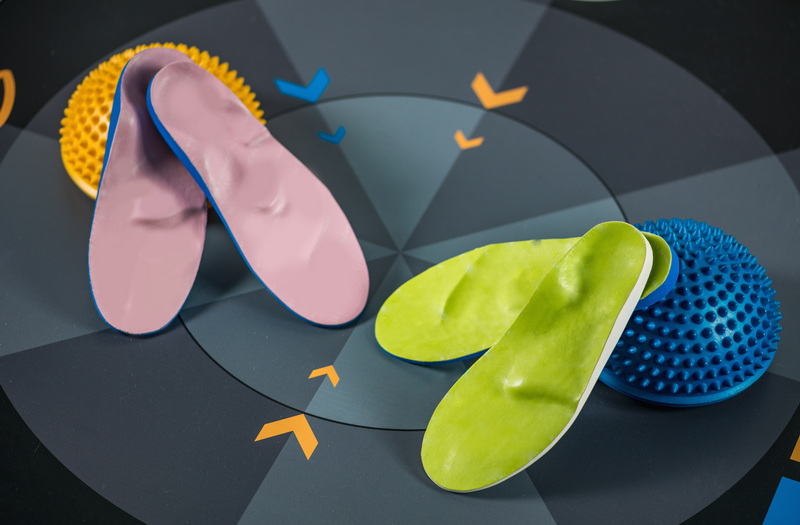
Orthotic insoles relieve pain, restore healthy mechanics, prevent injuries, and support long-term mobility by correcting problems in bone and muscle alignment.
Most custom orthotics last from one to five years depending on usage and materials. Over-the-counter versions may require replacement after six months to a year.
Children with developmental foot conditions, pain, or atypical walking patterns benefit from orthotic insoles that guide proper growth and function.
Start gradually, wearing them for short periods each day and increasing as your comfort improves. Some people need constant support while others use them intermittently.
If you have chronic foot or leg pain, uneven shoe wear, diagnosed diseases like plantar fasciitis, or visible alignment issues, consult a podiatrist to determine if orthotics would help.


