
Views: 222 Author: Amanda Publish Time: 2025-08-31 Origin: Site


Content Menu
● Understanding the Role of Shoe Insoles
>> How Insoles Adjust Shoe Fit
● Does Adding Insoles Always Make Shoes Too Tight?
>> Factors Affecting Tightness
● Various Types of Insoles and Their Impact on Shoe Fit
>> Gel Insoles
● Benefits of Using Shoe Insoles to Fine-Tune Shoe Fit
● How to Choose the Right Shoe Insole for a Better Fit
>> 1. Evaluate Current Shoe Fit
>> 3. Decide on Thickness and Length
● Practical Advice for Using Insoles Without Over-Tightening Shoes
● How Insoles Interact with Different Shoe Types
● Potential Downsides of Insoles Making Shoes Tighter
● Maintenance Tips for Shoe Insoles
● FAQ
>> 1. Can a shoe insole make shoes feel too tight?
>> 2. What is the best insole to make shoes tighter but comfortable?
>> 3. Should I remove the original insole when using a new one?
>> 4. Can insoles improve shoe fit in all shoe types?
>> 5. How do insoles affect foot health besides fit?
The simple answer to the question do insoles make shoes tighter is yes—they often do. Shoe insoles add extra cushioning and take up space inside the shoe, which can make the shoe feel more snug and reduce any looseness or slipping. But the overall effect depends on the type of insole, its thickness, material, and how it fits inside your footwear. This article explores in depth how shoe insoles affect fit, why they make shoes tighter, and how to choose the right insole to improve comfort without discomfort.
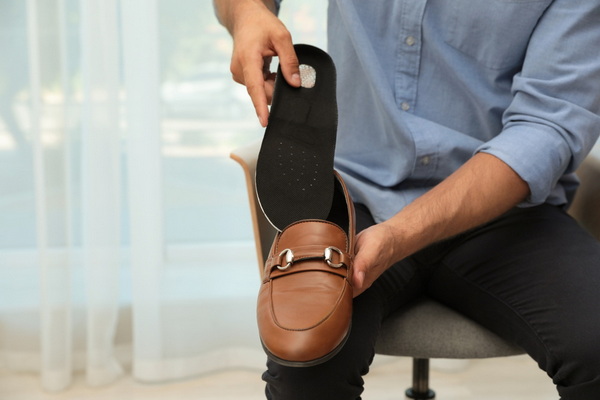
A shoe insole serves multiple purposes: comfort, cushioning, shock absorption, arch support, and improving shoe fit. By placing a layer of material inside the shoe, insoles can fill empty space that causes your foot to slide or make shoes feel too roomy. This added thickness makes the shoe's internal volume smaller, effectively making the shoe tighter. Insoles can also contribute to foot health by providing firm support and helping correct foot posture.
- Fill Extra Space: If your shoes are slightly too big, an insole occupies some of that vacant space, making the fit closer to your foot shape. This helps prevent your foot from moving excessively inside the shoe, which otherwise causes discomfort and blisters.
- Provide Arch Support: Insoles with arch support prevent excessive foot movement inside the shoe, which is beneficial for people with flat feet or high arches.
- Increase Stability: A snugger fit reduces heel lift and foot sliding, improving overall stability while walking or running. Stability is especially important in athletic footwear where foot movement inside the shoe can affect performance.
- Enhance Cushioning: Comfort-focused insoles absorb shock and relieve pressure points, which not only improves fit but also reduces foot fatigue and pain.
While insoles often make shoes tighter, the degree depends on several factors critical to finding the right fit rather than causing discomfort.
- Thickness of Insoles: Thicker insoles occupy more volume inside the shoe and can make shoes feel tighter. However, too thick an insole may cause pinching or restrict blood flow, leading to discomfort during prolonged wear.
- Material Type: Memory foam and gel insoles conform to your foot, providing cushioning without excessive bulk. Leather or denser foam insoles add firmness and sometimes more tightness, which may be undesirable if the shoe is already snug.
- Shoe Size and Shape: Shoes that are already snug may become uncomfortable with insoles. However, shoes that are loose or slightly large benefit the most from insoles, as the extra padding improves fit without causing tightness.
- Insole Coverage: Full-length insoles affect the entire footbed, whereas heel inserts or half-length insoles mainly fill specific areas. The type of coverage influences how tight the shoes will feel overall.
Choosing the right thickness and material in a shoe insole is essential to balance making shoes fit better without making them intolerably tight.
Shoe insoles come in a range of materials and designs, each with different effects on shoe tightness and comfort. Understanding these can help pinpoint the best choice for particular needs.
Memory foam insoles mold to the shape of the foot, offering a customized cushion. They have moderate thickness and their conforming nature allows snug but comfortable shoe fit. Their softness can absorb pressure while filling space in roomier shoes effectively.
Gel insoles often feature a thicker cushioning layer that absorbs foot impact forcefully. Because of their thickness, they can make shoes feel notably tighter, which works well for loose shoes but may be uncomfortable with already snug footwear. Gel insoles also help reduce foot pain by cushioning shock.
Leather insoles tend to be firm and less compressible. As a result, they reduce shoe internal space more noticeably, which can make shoes feel tighter. They are commonly used in formal shoes where a firmer, stable fit is beneficial and preferred.
Orthotic insoles are custom-made to match foot contours and specific medical needs. They vary widely in stiffness and thickness, but by design, they provide targeted support with the intention of improving biomechanics and reducing pain. Properly fitted orthotics can improve shoe fit and foot function simultaneously.
These insoles are often made of thin foam or composite materials and provide support without significantly changing the shoe volume. They are useful for adding mild arch support or cushioning in shoes that are not particularly loose.
Using a shoe insole to make shoes tighter goes beyond just improving fit—it offers multiple benefits for foot health and comfort.
- Enhanced Comfort: Filling vacant space with insoles reduces foot movement and friction inside the shoe, which prevents blisters and hotspots.
- Better Posture and Support: Insoles with arch support promote proper foot alignment, which improves posture and reduces stress on joints.
- Reduced Slippage: Making a shoe tighter stops the foot from sliding forward or side to side, increasing walking or running stability.
- Increased Shock Absorption: Cushioned insoles lessen ground impact forces, protecting joints and muscles from strain over time.
- Customization: Orthotic insoles can be customized to users' foot anatomy, effectively correcting alignment issues and providing therapeutic benefits.

Selecting the appropriate insole involves careful assessment of shoe size, foot shape, and personal needs.
Check if your shoes are loose in length, width, or both. Identifying the problem areas helps determine the necessary insole thickness and design.
- Memory foam and gel insoles offer balance by cushioning and molding to your foot.
- Leather insoles provide firm support suited for formal shoes.
- Orthotic insoles provide corrective benefits for foot health issues.
- Full-length insoles generally work best for shoes with overall looseness.
- Heel inserts or partial insoles target specific areas like heel slippage without altering the whole shoe volume.
If foot instability or weak arch support is a concern, opt for insoles designed with arch features to improve foot mechanics.
If an insole makes a shoe feel uncomfortably tight, consider these adjustments:
- Remove the factory insole before inserting a thicker replacement if space is limited.
- Trim the edges of the new insole slightly to better fit your shoe shape.
- Break in shoes gradually with new insoles to allow foot adaptation.
- Opt for thinner insoles if shoes are already snug but need modest added support.
- Use thicker socks along with insoles for mild fit adjustments.
The impact of shoe insoles on tightness varies with shoe styles and materials:
- Sneakers and Athletic Shoes: Often designed with removable insoles, these benefit from cushioned insoles to improve comfort and fit with minimal tightness issues.
- Dress Shoes: These have less internal volume, so insoles like leather or slim orthotics work better to avoid over-tightening.
- Boots: Because of their higher ankle support and often bulkier build, boots accommodate thicker insoles well and improve fit effectively.
- Sandals and Open Shoes: Insoles don't typically change fit as dramatically and are more focused on cushioning and arch support.
Despite numerous benefits, improper insole use may cause problems:
- Excessive tightness can lead to discomfort, tingling, numbness, or poor circulation.
- Ill-fitting insoles can alter foot mechanics negatively, leading to muscle fatigue or strain.
- Stiff or overly rigid insoles might increase joint stress or cause pain.
- Insoles lacking breathability can increase heat and moisture buildup, causing odor and fungal issues.
Choosing the right insoles and ensuring proper shoe fit balance is crucial to avoid these downsides.
Shoe insoles wear over time and require care:
- Regularly remove and air out insoles to keep them fresh and reduce moisture.
- Replace insoles when cushioning diminishes, or signs of wear appear.
- Clean insoles according to manufacturer guidelines to avoid damage.
- Rotate shoes and insoles to extend lifespan and maintain support.
Proper maintenance ensures the insole continues to provide optimal fit and comfort.
In summary, shoe insoles do make shoes tighter by filling extra space inside the shoe, improving fit, and enhancing comfort and support. The level of tightness depends on the insole's thickness, material, and design. By choosing the right type of insole—whether memory foam, gel, leather, or custom orthotic—one can effectively adjust shoe fit without causing discomfort. Furthermore, insoles offer added benefits like shock absorption, arch support, and stability. Properly using and maintaining shoe insoles transforms ill-fitting shoes into comfortable, well-fitting footwear, making them indispensable for individuals dealing with loose shoes or foot issues.
Yes, if an insole is too thick or not suited to your shoe size, it can make shoes uncomfortable and restrict foot movement. Removing the factory insole or choosing thinner types can help.
Memory foam and gel insoles balance thickness with cushioning, making shoes snug without harsh tightness. Custom orthotics can also provide tailored fit.
Often yes. Removing the existing insole creates more room for a thicker replacement, preventing excessive tightness.
Most shoe types—sneakers, boots, dress shoes—benefit from insoles, but fit effects vary. Heel inserts work well for certain fit problems without full shoe volume changes.
Properly designed insoles offer arch support, reduce fatigue, improve posture, and decrease pressure points, helping prevent injuries and discomfort.
[1](https://stepsoothing.com/home/can-insoles-make-shoes-smaller/)
[2](https://pacificfootinsoles.com/can-insoles-increase-shoe-size/)
[3](https://pmc.ncbi.nlm.nih.gov/articles/PMC9966218/)
[4](https://alineinsoles.com/blogs/news/choosing-insoles-to-make-your-loose-shoes-tighter)
[5](https://shop.sidas.co.jp/fitting-lab/eng/)
[6](https://pubmed.ncbi.nlm.nih.gov/39753120/)
[7](https://theinsolestore.com/blogs/articles/insoles-make-my-shoes-too-tight-what-can-i-do)
[8](https://www.reddit.com/r/Ultralight/comments/owku6j/could_someone_explain_insoles_and_why_and_when/)
[9](https://www.sciencedirect.com/science/article/abs/pii/S0021929097000067)
[10](https://www.reddit.com/r/Sneakers/comments/gfm9gy/does_taking_out_insoles_make_shoe_12_size_bigger/)
[11](https://www.bauerfeind.us/myths-about-insoles/)
[12](https://www.footsurepodiatry.com.au/blog/what-are-the-side-effects-of-wearing-orthotics/)
[13](https://www.wynsors.com/blog/find-the-perfect-fit-guide/)
[14](https://www.shoeinsoles.co.uk/blog/how-to-improve-the-fit-of-your-shoes-with-insoles.html)
[15](https://treadlabs.com/blogs/insoles-reach-your-stride/should-you-be-wearing-insoles-in-your-shoes)
[16](https://www.pavers.co.uk/blogs/how-to-use-insoles-for-oversized-shoes)
[17](https://www.stridesoles.com/blogs/articles/can-insoles-make-shoes-smaller)
[18](https://www.youtube.com/watch?v=gE1RAjOYudQ)
[19](https://treadlabs.com/blogs/insoles-reach-your-stride/debunking-myths-are-insoles-bad-for-your-feet)
[20](https://www.skolyx.com/guides/too-large-shoes-adjust-the-fit-yourself)


