
Language
Views: 222 Author: Edvo Publish Time: 2025-12-27 Origin: Site


Content Menu
● Understanding Plantar Fasciitis
>> Common Causes and Risk Factors
>> Correcting Biomechanical Imbalance
>> Distributing Pressure Evenly
>> Cushioning and Shock Absorption
>> Continuous Posture Alignment
● Why Orthotic Insoles Are Effective for Plantar Fasciitis
>> Improved Stability During Movement
>> Prevention of Future Injury
● Types of Orthotic Insoles for Plantar Fasciitis
● How to Choose the Right Orthotic Insoles
>> Consider Material and Durability
>> Evaluate Shoe Compatibility
>> Test the Fit
● How to Use Orthotic Insoles Effectively
● Complementary Treatments for Plantar Fasciitis
● Common Mistakes When Using Orthotic Insoles
● Real-Life Benefits and Long-Term Outcomes
● Orthotic Insoles as Preventive Tools
● The Role of Manufacturers in Orthotic Innovation
● FAQ (Frequently Asked Questions)
>> 1. How long will it take for orthotic insoles to relieve plantar fasciitis?
>> 2. Should I choose custom orthotics or prefabricated ones?
>> 3. Can I move orthotic insoles between different shoes?
>> 4. Do orthotic insoles lose their effectiveness over time?
>> 5. Can orthotic insoles prevent plantar fasciitis from returning?
Plantar fasciitis is one of the most frequent causes of heel pain, affecting people of all ages across various lifestyles. Whether you are an athlete, a nurse who stands all day, or an office worker walking between meetings, this condition can disturb your daily routine and overall comfort. Many healthcare experts recommend orthotic insoles as a non-invasive and practical solution. But the question remains: do orthotic insoles truly help plantar fasciitis, or are they simply another temporary fix?
This article explores the anatomy behind plantar fasciitis, the effectiveness of orthotic insoles, their types, benefits, and how to use them effectively to manage heel and arch pain.
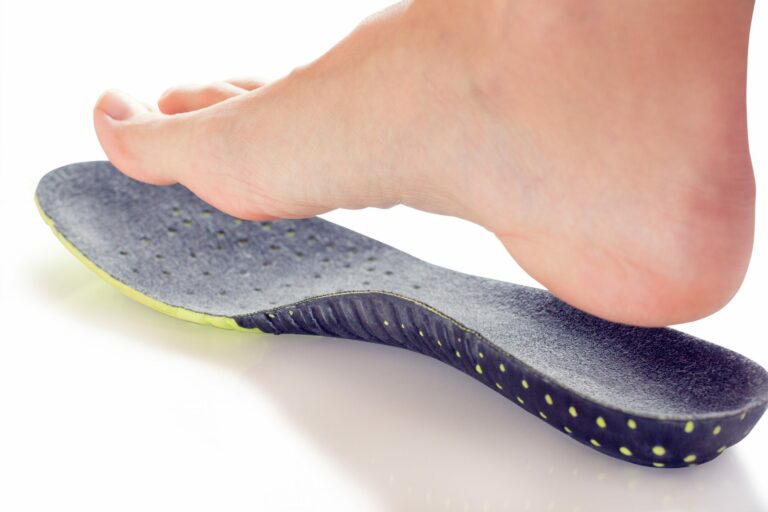
The plantar fascia is a thick, fibrous band of connective tissue located at the bottom of your foot. It stretches from the heel bone to the base of the toes, acting like the tension cable that maintains your foot's arch shape. When this tissue experiences constant stress, small tears develop, causing inflammation and discomfort known as plantar fasciitis.
Pain is usually more intense in the morning or after long periods of resting, as the tight fascia stretches again during the first few steps. The typical sensation is a sharp, stabbing pain in the heel or along the arch, sometimes subsiding during the day but returning after extended activity.
The root cause is repetitive strain or overload on the foot's arch. Some common triggers include:
- Prolonged standing or walking on hard surfaces.
- Poor footwear without adequate arch support.
- Flat feet or excessively high arches.
- Repetitive physical activities such as long-distance running.
- Weight gain or obesity, which increases pressure on the feet.
- Age-related loss of elasticity in soft tissues.
When untreated, plantar fasciitis can lead to chronic pain, altered gait, and secondary issues such as shin splints or knee discomfort.
Orthotic insoles are scientifically engineered to restore proper alignment of the foot and ankle. They reduce the excess inward rolling motion (overpronation) or excessive outward pressure (supination), both of which strain the plantar fascia. By placing the foot in a balanced position, insoles support healthier walking mechanics, preventing overstretching of the fascia during movement.
Every step you take generates substantial force that travels up from the heel to the leg and spine. Without proper cushioning or support, parts of the foot absorb these shocks unevenly. Orthotic insoles spread out the load so no single area bears excessive weight. This distribution relieves heel hotspots and reduces pressure points associated with plantar fasciitis.
Many orthotic insoles contain specialized materials like memory foam, EVA, or gel layers designed to absorb impact. Cushioning reduces microtrauma to the heel bone and provides immediate comfort. As the fascia recovers, cushioning also limits further strain, helping users stay active without aggravating pain.
Feet are the foundation of your body's biomechanics. Misalignment at the base often causes compensations in the knees, hips, and spine. Orthotic insoles encourage the correct posture from the ground up, helping prevent broader musculoskeletal problems caused by plantar fasciitis-induced gait irregularities.
Orthotic insoles are not simply passive accessories—they actively adjust the mechanical function of the foot. Their effectiveness can be understood through three key benefits.
Consistent arch and heel support let the inflamed fascia rest while still maintaining mobility. Reduced stretching gives micro-tears time to heal naturally, minimizing daily inflammation and pain. Over weeks of consistent use, many individuals notice their morning pain easing significantly.
Orthotics stabilize the heel bone and control foot motion during each step. This stability prevents the foot from rolling excessively inward, maintaining neutral alignment and reducing tension along the fascia. When combined with supportive shoes, they offer optimal comfort even for high-impact activities.
Plantar fasciitis often recurs when the root biomechanical problems persist. Orthotic insoles promote balanced posture and healthy foot motion patterns, lowering the risk of recurrence even after symptoms subside. They also help athletes maintain endurance while avoiding repeated strain injuries.
Custom orthotic insoles are individually manufactured based on foot shape and movement analysis. They provide precise correction for gait irregularities and ensure tailored pressure redistribution. While the cost is higher, they are often ideal for individuals with chronic heel pain, structural abnormalities, or professional athletes needing performance-level comfort.
Prefabricated insoles are mass-produced and easily available. The latest designs use ergonomic molds that mimic typical foot structures, delivering solid arch support at an affordable price. With the right fit, they can effectively relieve plantar fasciitis for most mild to moderate cases.
These focus on cushioning and immediate comfort. Gel and memory foam layers absorb impact but may not offer sufficient structural support for severe plantar fasciitis. They are beneficial as temporary relief options or secondary inserts during light activity.
Semi-rigid orthotics balance flexibility and structure, often blending supportive plastic shells with soft liners. This combination enhances stability while maintaining comfort for walking, running, or extended standing.
Your arch type—flat, normal, or high—affects how pressure spreads across the foot. High arches require extra cushioning to absorb shock, while flat feet benefit from pronounced support that prevents the arch from collapsing. Correct arch matching ensures consistent pressure reduction and comfort.
Select insoles built from resilient materials like EVA foam, TPU, or polyurethane. High-quality materials maintain their shape under pressure, resist odor, and last longer even under intense daily use.
A deep, contoured heel cup stabilizes the heel bone and minimizes side movement. It also positions the heel correctly under the body's weight line, ensuring even distribution during stepping.
Choose insoles based on your shoe type. Sport-specific insoles differ from dress or work boot options. For example, running insoles offer enhanced forefoot flexibility, while work boot insoles prioritize durability and shock absorption.
Good orthotics should feel firm but supportive, not overly hard. While mild pressure is expected, excessive stiffness can create discomfort. If necessary, trim prefabricated insoles slightly to fit inside your shoes perfectly.
Getting used to orthotic insoles takes time. Gradual adaptation is crucial for long-term success.
1. Start slow: Wear the insoles for one to two hours each day during the first week.
2. Increase gradually: Add one hour per day until you are comfortable wearing them full-time.
3. Monitor your pain level: Some mild muscle fatigue is normal during adjustment. Persistent pain may indicate incorrect fit.
4. Maintain proper shoes: Orthotics work best in supportive footwear with firm soles.
5. Replace regularly: On average, replace every six to twelve months depending on activity level and wear signs.
Remember, consistency is essential. Orthotic insoles only provide benefits when worn regularly, as the support and alignment effects accumulate over time.
While orthotic insoles offer powerful mechanical support, they work best as part of a comprehensive recovery plan. Other helpful treatments include:
- Stretching exercises: Gentle calf and plantar fascia stretches reduce tightness and improve foot flexibility.
- Foot massage: Rolling a massage ball under the arch stimulates circulation and relaxes tissues.
- Ice therapy: Applying ice packs for 15 minutes reduces inflammation after long standing periods.
- Proper rest: Alternate between sitting and standing to avoid overloading the fascia.
- Weight control: Maintaining a healthy body weight decreases long-term stress on the feet.
- Night splints: Wearing night splints keeps the plantar fascia extended, preventing morning pain.
Integrating these practices with consistent orthotic use accelerates healing and prevents recurrence.
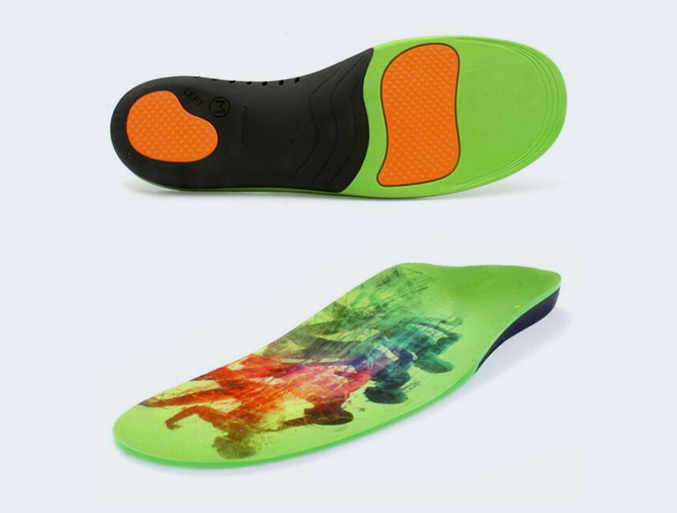
Even well-designed insoles can fail if improperly used. Avoid these common errors:
- Choosing excessively soft insoles that lack structural support.
- Ignoring fit—improper sizing can cause slippage and discomfort.
- Wearing orthotics inconsistently or only part-time.
- Pairing with unsupportive shoes such as flip-flops or minimalist sneakers.
- Expecting instant results without combining stretching or therapy.
- Continuing with worn-out insoles long after their support capability has faded.
A mindful, patient approach is key to achieving substantial and lasting relief.
Many individuals with plantar fasciitis regain full mobility after incorporating orthotic insoles into their daily routine. Workers who spend hours standing notice decreased fatigue, athletes experience smoother training recovery, and older adults regain comfort in walking. The benefits extend beyond pain relief—orthotics improve balance, posture, and confidence in movement.
In workplaces where employees stand on hard concrete floors, orthotic insoles have proven invaluable in reducing injury rates and improving productivity. Similarly, hikers and runners rely on them for endurance support, allowing prolonged activity without recurring heel discomfort. Over time, this combination of comfort and biomechanics promotes lifelong foot health.
Even people without diagnosed plantar fasciitis can benefit from orthotic use, especially those exposed to repetitive foot strain. Preventive use reduces the risk of injury by maintaining consistent support and cushioning during daily tasks. It's a simple yet proactive way to maintain wellness—avoiding expensive treatments down the line.
Employees in manufacturing, retail, hospitality, and logistics industries particularly benefit from preventive orthotic insoles. For them, endurance, comfort, and fatigue reduction directly translate into improved well-being and work efficiency.
Modern orthotic insoles combine ergonomic design, biomechanical research, and material technology. Top manufacturers invest in research and development to achieve an ideal balance between firmness and flexibility. Advanced design features include:
- 3D arch contour mapping for precise foot alignment.
- Multi-layer foam structures for adaptive cushioning.
- Breathable, antimicrobial fabrics for long-term hygiene.
- Forefoot flex zones that enhance natural movement.
As customization and mass production technology evolve, more affordable and effective solutions are becoming available to global consumers. For brands offering OEM or private-label orthotic insoles, quality, innovation, and material consistency are essential elements to win trust in the competitive international market.
So, do orthotic insoles help plantar fasciitis?
Yes, they do—when properly selected and consistently used. Orthotic insoles correct biomechanical imbalances, cushion the heel, and redistribute pressure to relieve fascia strain. As a result, they alleviate pain, enhance mobility, and prevent recurrence.
Whether you choose custom-made or high-grade prefabricated insoles, the key lies in fit, consistency, and pairing with supportive footwear. Complementing their use with stretching, rest, and good posture habits completes the path to a pain-free, active lifestyle.
Orthotic insoles are more than accessories—they are essential tools for healing, comfort, and performance that make every step lighter, healthier, and more stable.
Relief usually begins within a few weeks of daily use, though complete healing may take several months. The duration varies depending on the severity and consistency of use.
Custom orthotics are ideal for chronic or severe conditions. Prefabricated insoles, when made from quality materials and matched to your foot type, often provide sufficient relief for mild to moderate plantar fasciitis.
Yes, you can, as long as the shoes provide enough depth and removable liners. Switching them between shoes prolongs comfort but ensure they fit securely each time to prevent slipping.
Yes. Constant pressure and heat can degrade materials. Replace them every 6 to 12 months or earlier if cushioning flattens or structure deforms.
They can significantly reduce the risk when combined with proper footwear and foot exercises. Continued use even after recovery helps maintain correct biomechanics and supports long-term prevention.


