
Views: 222 Author: Edvo Publish Time: 2026-01-29 Origin: Site


Content Menu
● Understanding Shoe Insole Sizing
>> How Insole Sizes Are Determined
>> Common Causes of Size Variations
● Should You Buy Insoles The Same Size As Your Shoe?
>> When the Same Size Works Best
>> When to Choose a Smaller Size
● Why Proper Insole Sizing Matters
>> Key Benefits of Correct Insole Fit
● The Science Behind Shoe Insole Fit
>> Factors Affecting Insole Fit
● Types of Shoe Insoles and Their Fit Characteristics
>> 5. Athletic and Work Insoles
● Material Considerations in Shoe Insoles
● How To Measure and Choose The Right Size
>> Step-by-Step Measurement Guide
● Common Shoe Insole Fit Issues and Their Fixes
>> 2. Tight Fit
● The Role of OEM Manufacturing in Insole Sizing
>> Benefits for International Clients
● How to Trim Shoe Insoles for Perfect Fit
● How Shoe Insole Design Impacts Performance
● Environmental and Sustainable Trends in Shoe Insoles
● Extra Tips for Retailers and Wholesalers
>> 1. Should I always trim my new shoe insoles?
>> 2. Can I use the same insole in different shoes?
>> 3. How often should I replace my shoe insoles?
>> 4. Are thicker insoles better for comfort?
>> 5. What makes OEM shoe insoles a better choice for brands?
As one of the leading shoe insoles manufacturers in China, we often encounter a surprisingly common but essential question from global customers, wholesalers, and OEM partners: Do you buy insoles the same size as your shoe?
This simple question touches on the core of comfort, support, and performance. Choosing the right insole size is not only about matching numbers—it's about understanding design, structure, and purpose. Whether for personal use or B2B sourcing, knowing how shoe insoles relate to shoe sizing will help you make better purchasing decisions and reduce return rates.
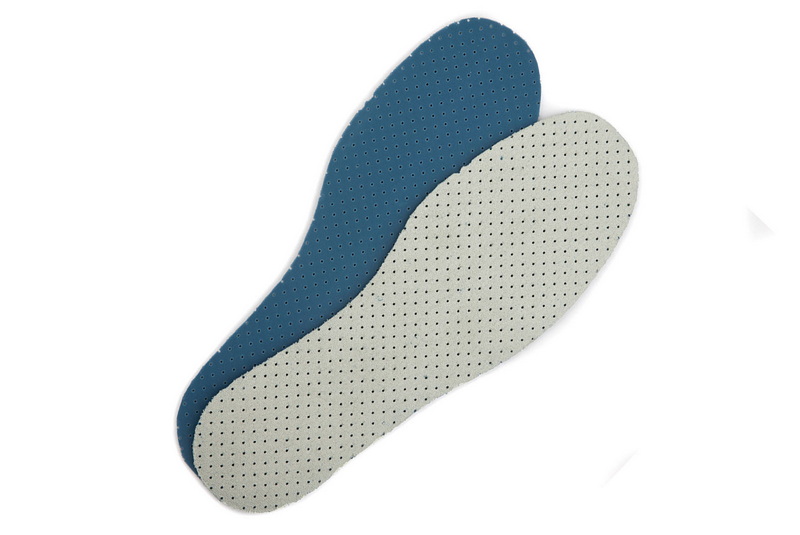
At first glance, shoe insoles appear to follow shoe sizes closely. A man wearing a size US 9 shoe might assume an insole labeled “Size 9” fits perfectly. However, footwear brands and insole manufacturers often use slightly different measurement systems, creating subtle but important differences.
Insoles are usually made according to international sizing charts (US, EU, UK, CN, etc.), but manufacturers also consider shoe design and type. A sports shoe and a formal shoe of the same size can have very different interior lengths and widths. That's why shoe insoles are sometimes labeled with ranges, such as Men 9–10 or Women 7–8.
- Shoe shapes (sneakers vs. boots vs. dress shoes)
- Insole materials and compression level
- Intended application (comfort, athletic, orthopedic, or work footwear)
- Regional size systems (EU vs. US vs. Asia)
- Manufacturer trimming tolerance
These variations exist to ensure insoles remain adjustable, versatile, and suitable for broader shoe categories.
The most reliable starting point is to buy shoe insoles in the same size as your shoes—but be prepared to trim slightly for the perfect fit. Most insoles come with marked trimming lines to allow customization.
Buying the same size as your shoe fits well if:
- You are replacing the original insoles provided with the shoes.
- The insole thickness and arch contour match the shoe type.
- You prefer ready-to-use insoles without personalization.
This approach typically ensures proper heel placement and balanced arch support.
If you are buying performance or orthopedic shoe insoles, consider one size larger. These types are usually thicker and more contoured. A slightly larger insole allows you to trim for precision while retaining the arch's correct alignment.
In slim or low-volume shoes such as leather dress shoes, soccer cleats, or dance footwear, a smaller insole may prevent tightness. However, ensure the heel and midfoot areas still align correctly.
Wearing the wrong size shoe insoles can cause discomfort, pain, and even long-term issues with posture or balance. For manufacturers and distributors, correct sizing improves consumer satisfaction, product perception, and overall shoe compatibility.
1. Improved comfort: Prevents heel slippage and rubbing.
2. Correct posture: Supports natural gait alignment.
3. Reduced fatigue: Distributes pressure evenly across the foot.
4. Enhanced durability: Prevents deformation inside the shoe.
5. Injury prevention: Reduces strain on knees, ankles, and lower back.
Good-fitting shoe insoles make shoes feel new again, helping users walk longer and perform better.
Every foot is unique. Factors such as arch shape, pronation type, and shoe construction influence how shoe insoles perform. The correct size ensures the insole's arch and heel cup meet your foot's contours exactly where support is needed.
For athletes, this means better energy transfer and stability. For workers, it means reduced fatigue during long shifts. For everyday users, it means all-day comfort without irritation.
- Arch type: High-arch users need more curve and heel depth.
- Foot width: Standard insoles may not fit wide or narrow feet.
- Shoe depth: Shallow shoes need thinner insoles.
- Material flexibility: Memory foam adjusts more easily than hard EVA.
The more closely these elements match your shoes and feet, the more comfortable and effective your shoe insoles will be.
Different types of shoe insoles are designed for different footwear categories and user needs. Understanding each helps in selecting the correct size and shape.
These go from heel to toe. Ideal for replacing factory insoles and typically require trimming to match the shoe size precisely.
These cover only the heel and arch section, leaving the toe box open. They fit multiple shoe types without trimming since the front remains uncovered.
Smaller inserts focusing on impact relief. Sizing is general (small, medium, large), not exact to shoe length.
Custom orthotics are matched precisely to foot and shoe size to support medical corrections. Always buy the same size or use professionally molded solutions.
High-performance shoe insoles for athletes or workers emphasize shock absorption and ventilation. Slightly larger sizing allows personal tailoring for intensity and comfort.
Materials affect sizing flexibility, comfort, and shoe space requirements.
- EVA foam: Lightweight and easy to trim.
- Gel: Thick and supportive but may require larger shoe volume.
- Latex cushion: Best for breathability, suitable for thin shoes.
- PU foam: Firm support with precise size consistency.
- Leather: Thin and durable, fits true to size.
- Memory foam: Adapts to foot shape over time, forgiving for minor size differences.
For OEM production, the chosen material determines trimming instructions and customer satisfaction levels.
Measuring your shoe's insole before purchasing new ones ensures the best match. Whether for personal use or sourcing for retail, accuracy reduces returns.
1. Remove your current insole from your shoe.
2. Place it flat on a table.
3. Measure its length from heel to toe and width at the widest point.
4. Compare these numbers to the sizing chart of your preferred insole provider.
5. Choose the size that aligns closest, rounding up if trimming is possible.
For distributors, using size templates ensures consistent fit across bulk production batches.
Even with correct size selection, issues can arise due to different shoe constructions or user habits. Knowing how to correct them ensures user satisfaction.
Occurs when shoe insoles are too short. Solution: choose one size larger or secure with adhesive backing.
If shoes feel tight after inserting new insoles, replace thick models with thinner or half-length insoles.
When the arch support doesn't align with your foot, the insole size or shape may be incorrect. Always position insoles carefully before final placement.
If the insole shifts inside the shoe, use anti-slip bases or ensure edges are trimmed accurately.
If toes press against the front, trim slightly at the toe area for comfort without affecting structure.
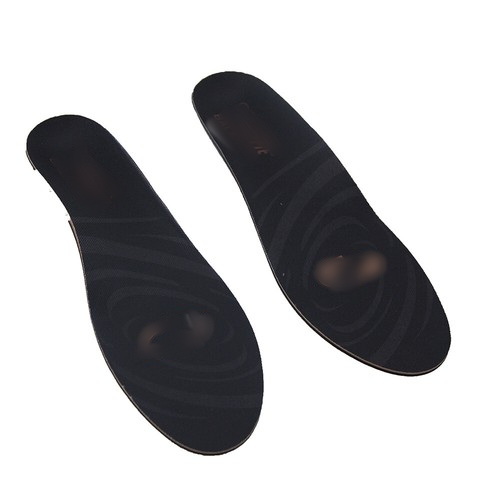
For global shoe brands, importers, and wholesalers, partnering with an OEM shoe insoles manufacturer offers precise control over dimensions and quality.
- Customized sizing aligned with regional sizing charts.
- Multi-size production for gender or age-specific markets.
- Consistent dimensions ensuring easy global distribution.
- Private labeling for brand identity enhancement.
- Adjusted thickness and hardness levels for various footwear categories.
By collaborating with experienced manufacturers, brands ensure uniform fit across models, reducing confusion and improving user confidence.
Trimming is a simple way to personalize your shoe insoles.
1. Take out the original insole and place it over the new one.
2. Trace its outline using a marker.
3. Cut slowly following the marked line.
4. Test inside the shoe; make additional small cuts if needed.
Most premium insoles come with guide lines printed at the forefoot section to help users trim evenly.
Beyond comfort, the design of shoe insoles dramatically influences walking and running efficiency. Properly sized and structured insoles distribute pressure evenly, stabilize the ankle, and improve energy transfer.
- Shock absorption: Reduces impact stress.
- Foot alignment: Keeps natural positioning during movement.
- Air circulation: Enhances breathability, preventing odor.
- Durability: Increases footwear lifespan by minimizing internal wear.
Professional athletes, manufacturing workers, and everyday consumers all benefit from these features when size and shape are optimized together.
Modern consumers and global distributors increasingly demand eco-friendly shoe insoles. Materials like recycled EVA, bamboo fiber, and cork are becoming popular due to environmental commitments.
These materials often behave differently in sizing:
- Recycled or biodegradable materials may compress faster; choose exact shoe size.
- Cork offers less flexibility, so it's better to trim from a size larger.
- Sustainable foams expand slightly under pressure, fitting naturally after a few wears.
As an OEM supplier, understanding these material behaviors helps brands structure accurate sizing campaigns while promoting sustainability.
1. Provide size charts that clearly explain regional conversions (US/EU/UK).
2. Offer trimming guides in packaging to help end-users customize.
3. Educate customers on insole replacement frequency for hygiene reasons.
4. Stock multiple ranges to accommodate half sizes and special shoes.
5. Emphasize quality over number labels, since comfort depends on design more than size tags alone.
A transparent, educational approach ensures your customers always pick the right shoe insoles and return for repeat purchases.
So, should you buy shoe insoles the same size as your shoe? In most cases, yes—but with awareness and flexibility. Footwear styles, materials, and insole purposes vary widely, meaning a “same size” strategy may need small adjustments.
Always start with your actual shoe size, check the manufacturer's sizing range, and trim where necessary. High-quality shoe insoles elevate comfort, posture, and health while extending your shoe's lifespan.
For international brands and wholesalers, working with a professional shoe insoles manufacturer guarantees consistent sizing accuracy and customer satisfaction. The right insole size isn't just about fit—it's about performance, reliability, and the foundation for a truly comfortable walking experience.
Contact us to get more information!
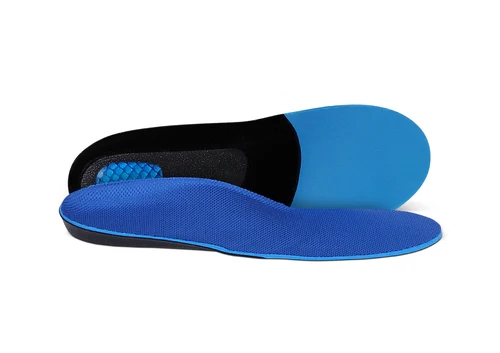
Not always. Many shoe insoles match standard sizing, but trimming is recommended when buying multi-size models to achieve a customized fit.
You can, but only if the shoes have similar shapes and interior lengths. Each shoe model fits differently, so test for alignment first.
For daily wear, every 6–12 months. For athletic or work shoes, every 3–6 months is recommended to maintain hygiene and cushioning.
Not necessarily. Thicker shoe insoles may add cushioning but can make shoes tight. Choose thickness based on activity and shoe depth.
OEM production ensures consistent sizing, custom branding, high-quality materials, and compatibility across product ranges, improving both comfort and consumer trust.
1. [https://www.verywellfit.com/how-to-choose-running-shoe-insoles-2911224](https://www.verywellfit.com/how-to-choose-running-shoe-insoles-2911224)
2. [https://www.healthline.com/health/foot-care/orthotic-insoles-guide](https://www.healthline.com/health/foot-care/orthotic-insoles-guide)
3. [https://runrepeat.com/guides/how-to-choose-insoles](https://runrepeat.com/guides/how-to-choose-insoles)
4. [https://www.webmd.com/pain-management/feature/orthotics-and-insoles](https://www.webmd.com/pain-management/feature/orthotics-and-insoles)


