
Language
Views: 222 Author: Edvo Publish Time: 2025-12-14 Origin: Site


Content Menu
● Understanding Custom Orthotic Inserts
● How Aetna Classifies Foot Orthotics
● Medicare's Role in Aetna Medicare PPO Coverage
● When Aetna Medicare PPO May Cover Custom Orthotic Inserts
● Situations in Which Coverage Is Often Denied
● How to Check a Specific Aetna Medicare PPO Plan
● Key Steps for Patients Seeking Coverage
● Considerations for Clinics and OEM Insole Manufacturers
● Budgeting and Out‑of‑Pocket Planning
● Practical Tips for Navigating Aetna Medicare PPO Orthotic Benefits
● FAQ
>> 1. Does Aetna Medicare PPO automatically pay for any custom orthotic insert?
>> 2. Are custom orthotic inserts covered for diabetes‑related foot problems?
>> 3. How can a patient find out if their Aetna Medicare PPO plan includes orthotic benefits?
>> 4. What documentation does Aetna usually require for custom orthotic coverage?
>> 5. Why might a claim for custom orthotic inserts be denied under Aetna Medicare PPO?
Aetna Medicare PPO plans can cover custom orthotic inserts in some situations, but coverage is never guaranteed for every member or every device. Whether a specific person receives benefits depends on the language in that plan's Evidence of Coverage, how strictly medical necessity rules are applied, and whether the prescribing clinician and supplier follow Aetna and Medicare standards from the first consultation to the final claim.
Many people first hear about custom orthotic inserts from podiatrists, physical therapists, orthopedic surgeons, or footwear specialists after struggling with long‑term foot or leg pain. Others learn about them through friends, online forums, or marketing by clinics and manufacturers. Naturally, a common follow‑up question is whether a Medicare PPO plan from Aetna will help pay for these devices, because they can represent a serious out‑of‑pocket expense if bought privately.
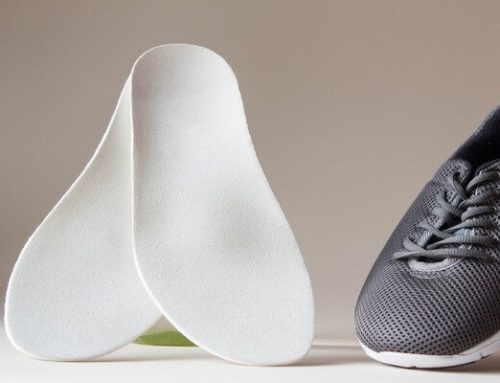
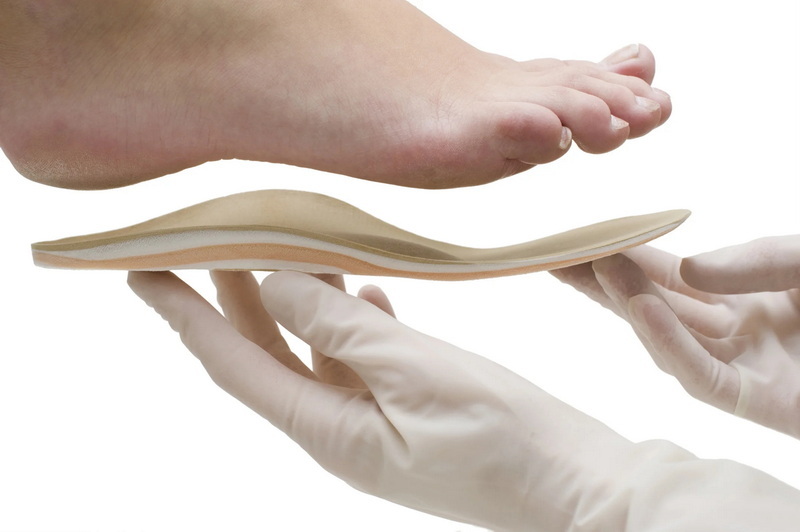
Custom orthotic inserts are not simple soft liners that a shopper might pick up in a store. They are medical devices created to match the unique shape, biomechanics, and clinical needs of an individual's feet. To design them, a practitioner may perform gait analysis, take a cast or scan of each foot, and select shell stiffness, posting angles, top cover materials, and cushioning zones that address a specific pathology.
These devices can be tailored for a wide range of problems. Typical indications include severe flat feet that collapse during walking, high arches that concentrate weight in small areas, heel pain from plantar fasciitis, arthritis in the midfoot or rearfoot, and instability after trauma or surgery. For people with diabetes, carefully designed custom inserts can help redistribute pressure to reduce the risk of ulceration, which is why they appear in therapeutic shoe programs.
Because custom orthotic inserts are considered medical devices, insurers view them through a clinical and regulatory lens rather than as consumer comfort products. The distinction between a made‑to‑measure medical orthotic and a general comfort insole affects how Aetna Medicare PPO plans classify the product, which benefit category it falls under, and what type of documentation is required.
Aetna publishes detailed clinical policies that describe how foot orthotics are evaluated and when they can be considered medically necessary. These internal guidelines explain which diagnoses and clinical findings support an orthotic prescription, which conservative measures should be attempted before ordering a custom device, and what kinds of devices are typically excluded as personal comfort items.
In broad terms, Aetna looks more favorably on custom orthotic inserts when they are used to support reconstruction, rehabilitation, or management of serious deformities and chronic conditions. For example, orthotics prescribed after foot or ankle surgery to support alignment and protect healing structures may be considered part of a treatment plan. Inserts used for off‑loading pressure in high‑risk diabetic feet can also be viewed as medically necessary when they help prevent wounds or amputations.
On the other hand, many Aetna plans explicitly exclude devices that are used for general comfort, athletic performance enhancement, or mild, non‑disabling symptoms. Soft arch cushions for weekend hiking, mass‑market sports insoles, and fashion‑oriented inserts for dress shoes often fall into this excluded category. Even if a device looks like a custom orthotic, coverage can be denied if the clinical notes describe its purpose only as comfort for ordinary activities.
Aetna Medicare PPO products operate within the Medicare Advantage framework, which means they must follow core federal standards while still having flexibility in designing additional benefits. In traditional Medicare, orthotic devices are handled under durable medical equipment rules or specialized therapeutic shoe programs, particularly for people with diabetes and nerve damage.
Under these federal rules, coverage hinges on medical necessity, proper documentation, and the use of suppliers who meet enrollment and billing requirements. When an Aetna plan offers Medicare PPO products, it must respect this baseline structure but can refine the wording, impose specific prior authorization requirements, and determine how generous or limited its orthotic benefits will be. As a result, some Aetna Medicare PPO plans provide relatively robust coverage for custom orthotic inserts under certain diagnoses, while others carve out most foot orthotics as noncovered services.
It is also important to distinguish between benefits for custom inserts themselves and benefits for therapeutic shoes or braces that these inserts may accompany. Some Aetna Medicare PPO plans link coverage for custom inserts to diabetic shoe programs, while others tie them to broader prosthetics and orthotics sections. Reading benefit documents carefully is the only way to understand how a specific plan structures these relationships.
In many cases, Aetna Medicare PPO plans can cover custom orthotic inserts when they are ordered to treat a well‑documented medical condition that meets the plan's clinical criteria. Common examples include severe structural deformities, post‑surgical stabilization needs, and high‑risk diabetic foot conditions that require pressure relief to avoid ulcers or amputations.
Coverage is more likely when several conditions are met. The member sees a qualified clinician such as a podiatrist, orthopedic specialist, or primary‑care doctor who is familiar with Aetna's medical‑necessity standards. The clinician records detailed findings about pain, deformity, mobility limits, past treatments, and specific diagnoses in the chart. The clinician then writes a prescription for custom orthotic inserts that clearly explains the clinical purpose, such as off‑loading a particular region of the foot or supporting an unstable joint.
In many plans, there is also an expectation that conservative methods have been tried before jumping to custom devices. This may include stretching programs, changes in footwear, physical therapy, or over‑the‑counter supports. When those options fail or are not sufficient due to the severity of the condition, a carefully documented progression to custom orthotic inserts can satisfy Aetna's medical‑necessity framework.
Even with a prescription in hand, many people are surprised to learn that their Aetna Medicare PPO plan does not cover custom orthotic inserts. Denials frequently occur because of broad exclusions in the benefit document that remove orthopedic shoes, arch supports, and similar devices from coverage except in tightly defined circumstances.A warm‑sounding recommendation from a clinician such as “these custom inserts will make your feet feel better” is usually not enough for insurance. If the diagnosis and treatment notes do not show serious pathology, significant functional impairment, or a specific risk that the inserts will mitigate, the plan may classify the product as a convenience item. In that case, the claim can be denied even if the orthotic was truly custom made and clinically helpful.
Coverage can also fail if administrative rules are not followed. If the supplier does not participate in Medicare or is not properly contracted with Aetna, the plan may refuse payment. If a prior authorization requirement is overlooked, or if the supplier submits incomplete documentation, a claim that might otherwise meet clinical standards can still be rejected. This is why both patients and clinics need to confirm administrative steps before the device is fabricated.
Because benefits vary so much, no general statement can replace checking the details of an individual plan. Members should start by reviewing the Evidence of Coverage document for their Aetna Medicare PPO product. Within that document, orthotic‑related information can appear in sections dealing with durable medical equipment, prosthetics and orthotics, podiatry services, diabetic supplies, or exclusions and limitations.
If the document specifically lists foot orthotics or custom orthotic inserts, members can see whether they are described as covered when medically necessary, excluded except in narrow situations, or excluded altogether. Even when the language is technical, it usually reveals whether the plan treats custom orthotics as a possible benefit or as an excluded comfort item. After reviewing the document, members are strongly encouraged to call the member‑services number on their Aetna card. During the call, they can provide the name of the prescribing clinician, the general diagnosis, and the type of device being considered. Asking the representative to point to the exact section of the Evidence of Coverage that applies helps ensure that both parties are looking at the same rules rather than making assumptions. Recording the date, time, and reference number of the call creates a paper trail that can be useful in case of disputes.

Patients who want to maximize their chance of having custom orthotic inserts covered under an Aetna Medicare PPO plan should follow a structured approach. The first step is to schedule a thorough evaluation with a clinician who has experience prescribing orthotics for insured patients. Before the appointment, the patient can prepare a written summary of symptoms, activity limitations, previous treatments, and goals, making it easier for the clinician to document key information clearly.
During the consultation, the patient should ask whether the clinician believes custom orthotic inserts are medically necessary according to Aetna's standards or whether simpler measures might be tried first. If custom devices truly are appropriate, the patient can request that the diagnosis, functional limitations, and rationale be written plainly in the medical record. A separate written prescription that uses language like “custom foot orthoses” or “custom orthotic inserts” plus an explanation of purpose can also help.
Before the orthotics are manufactured, the patient or clinic staff should contact the supplier to confirm participation in Medicare and Aetna networks and to ask whether prior authorization is needed. If authorization is required, the clinic and supplier can usually coordinate the submission of chart notes, prescriptions, and any additional information that Aetna requests. Only after approval is documented should the custom fabrication process move forward.
Clinics that prescribe custom orthotic inserts under Aetna Medicare PPO plans need products that not only perform well biomechanically but also align with coverage criteria. Orthotic designs should clearly address clinical goals such as stabilizing the rearfoot, supporting a collapsed medial arch, or redistributing pressure away from high‑risk areas. When devices are traceable to these goals and are documented accordingly, insurers are more likely to recognize them as medically necessary.
For international manufacturers and OEM partners, including leading Chinese insole factories, this environment creates both challenges and opportunities. On one hand, the design, material selection, and quality‑control processes must consistently produce devices that meet the expectations of podiatrists and orthotists who work within insurance systems. On the other hand, factories that can deliver reliable, medically oriented products with consistent dimensions, stiffness profiles, and cushioning performance can become preferred suppliers for clinics and distributors serving insured patients.
By offering a range of shells, top covers, and special constructions aimed at diabetic care, post‑surgical stabilization, and chronic conditions, an OEM partner can help clinics match devices to Aetna's clinical frameworks. Collaboration on documentation templates, product codes, and educational materials can further support smoother claims. This combination of technical performance and administrative readiness can differentiate one supplier from another in a competitive global market.
Even when Aetna Medicare PPO plans provide some coverage for custom orthotic inserts, patients often face cost‑sharing responsibilities. These may appear as copayments, coinsurance, or deductibles that mirror the structure used for other durable medical equipment or specialized orthotic devices. In some cases, the plan pays only up to an allowed amount, leaving the patient responsible for any additional charges from the supplier.
Patients should ask both the plan and the supplier for realistic cost estimates before proceeding. The plan can estimate the portion it will pay if the claim is approved, while the supplier can outline the full price of evaluation, fabrication, and follow‑up adjustments. By combining these estimates, patients can make informed decisions about whether to proceed with custom orthotic inserts or consider alternative treatments.
For senior patients, especially those on fixed incomes, understanding these financial details ahead of time can prevent stress and disappointment. Family members or caregivers may wish to join calls with the plan and clinic to help take notes and ask clarifying questions. In some situations, clinics can offer payment plans or lower‑cost alternatives if coverage is denied or only partial.
There are several practical strategies that patients and clinics can use when navigating orthotic benefits under Aetna Medicare PPO plans. These strategies do not guarantee coverage but can improve clarity and reduce the risk of miscommunication.
First, always treat the plan documents as the primary authority. Online articles, personal anecdotes, and marketing materials can be helpful for background, but only the actual Evidence of Coverage and related policy summaries determine what is covered. Second, insist on clear, detailed documentation from the clinician that ties the orthotic prescription to a specific diagnosis and functional need. Vague notes make it much harder for claim reviewers to justify approval.
Third, communicate early and often with the supplier and plan. If a representative expresses uncertainty about whether a device is covered, ask for a written confirmation or follow‑up. If the plan requires prior authorization, do not allow fabrication to begin until the authorization is in place. Finally, keep organized records of all prescriptions, explanations of benefits, letters from the plan, and clinic notes. These records are essential if an appeal becomes necessary.
Aetna Medicare PPO plans can cover custom orthotic inserts when they are prescribed for clearly documented medical conditions, fabricated by appropriate suppliers, and billed according to the plan's rules. At the same time, many plans exclude comfort‑only devices and certain categories of orthopedic footwear, so coverage is far from automatic. Patients, clinics, and manufacturers all benefit from understanding how plan documents, Medicare standards, and clinical policies intersect.
For patients, the most effective path forward is to combine careful documentation, proactive communication with the plan, and realistic budgeting. For clinics and OEM insole factories, aligning product design and documentation practices with insurer expectations creates better outcomes and smoother claims. When all of these elements work together, custom orthotic inserts can move from a confusing insurance question to a practical, accessible part of comprehensive foot care for older adults and others who rely on Aetna Medicare PPO coverage.
No, Aetna Medicare PPO does not automatically pay for every custom orthotic insert; the device usually must treat a documented medical condition, fit within Aetna's foot‑orthotic policy, and be supplied by a contracted provider. Comfort‑only or performance‑focused inserts are commonly excluded and must typically be purchased out of pocket.
Custom inserts can be covered for serious diabetes‑related foot disease when ordered by a qualified clinician and supplied through participating providers, similar to how Medicare handles therapeutic shoes and inserts. These benefits often follow annual limits and documentation standards, so patients with diabetes should have their doctor clearly connect the orthotic prescription to ulcer prevention or other recognized risks.
The most direct way is to review the plan's Evidence of Coverage and Summary of Benefits, paying special attention to sections on prosthetics and orthotics or durable medical equipment. Patients can then call Aetna's member services, reference their plan number, and ask specifically whether custom foot orthotics for their diagnosis are covered and whether prior authorization is needed.
Aetna typically expects a diagnosis of an eligible condition, a prescription from a qualified clinician, and chart notes showing that conservative measures have been tried or that the orthotic is needed for post‑surgical or rehabilitative purposes. The supplier may also need to include measurements, fabrication details, and proof of participation in Medicare and Aetna networks when submitting the claim.
Claims can be denied when the plan excludes foot orthotics, the condition does not meet medical‑necessity criteria, required documentation is missing, or the supplier is not appropriately contracted. Denials are also common if the inserts are described as general comfort products or sports accessories instead of medically necessary devices tied to a specific diagnosis.


