
Views: 222 Author: Edvo Publish Time: 2026-01-02 Origin: Site


A Flexible Spending Account is an employer‑sponsored benefit that lets employees set aside pre‑tax income to pay for eligible medical expenses, including certain medical devices and supplies. Orthotic insoles fall into this category when they are used to relieve or prevent a diagnosed foot‑related problem, not simply to make shoes feel softer. For overseas brands and OEM manufacturers working with international buyers, recognizing this distinction is crucial when designing and positioning insole product lines.
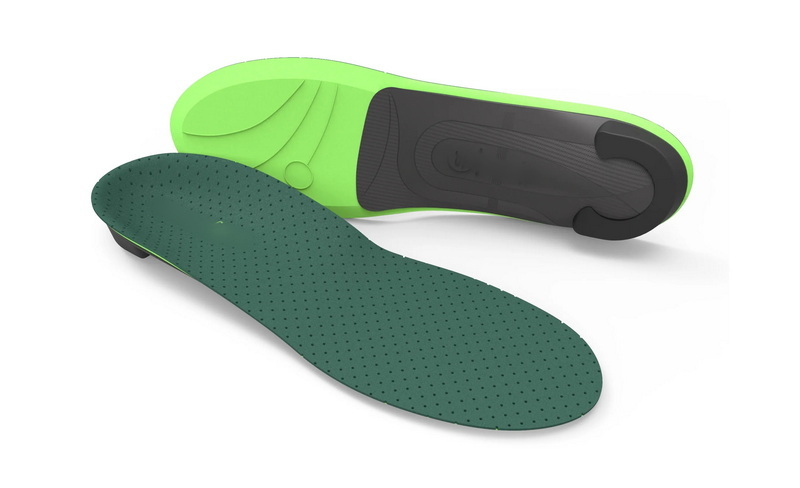
An FSA allows employees to contribute a portion of their salary to a special account, and this money is not subject to income tax as long as it is spent on qualified health‑care expenses. Plan members can usually access the entire elected annual amount at the start of the plan year, then repay it gradually through payroll deductions. Eligible expenses can include doctor visits, prescription medications, and many kinds of medical devices such as orthotics, when they meet the medical necessity standard.
In many cases, insoles and orthotic inserts are recognized as eligible medical expenses when they are intended to treat conditions like plantar fasciitis, flat feet, heel spurs, or chronic foot pain. Over‑the‑counter orthotic insoles that offer structural arch support or biomechanical correction are often treated similarly to other medical supports such as braces and splints. Custom orthotics made under the direction of a podiatrist or orthopedic specialist are also widely accepted as qualifying FSA purchases in many benefit plans.
The main FSA rule is that an expense must be primarily for medical care, which means it is used to diagnose, treat, or prevent a specific health condition. Inserts that are sold only as “comfort insoles” or fashion accessories generally do not meet this standard because they are considered lifestyle products. In contrast, orthotic insoles that clearly aim to correct foot alignment, reduce pathological pressure, or manage a chronic condition are more likely to be accepted as legitimate medical expenses.
Insoles and orthotics that usually align with FSA expectations share one core feature: they deliver measurable therapeutic benefits. Typical examples include: - Full‑length orthotic insoles designed for plantar fasciitis or severe arch collapse, with structured support and targeted cushioning. - Diabetic insoles engineered to reduce pressure points, protect sensitive skin, and lower the risk of ulcers and wounds. - Heel cups or pads that stabilize the heel bone and absorb shock to relieve heel spurs or chronic heel pain. - Forefoot pads and metatarsal support inserts used to relieve metatarsalgia or ball‑of‑foot pain during walking and standing. - Custom‑molded orthotics produced based on foot scans, casts, or digital models, prescribed by a foot‑care specialist. These products serve a clearly defined medical purpose and can often be purchased directly with FSA funds or reimbursed after purchase.
Not every insert that fits into a shoe will be treated as an eligible medical expense, even if it improves comfort. Categories that typically do not qualify include: - Soft “comfort” insoles sold mainly for extra cushioning in casual or dress shoes. - Fashion pads that aim to make high heels more comfortable without addressing a diagnosed medical issue. - Height‑increasing inserts and novelty products that focus on appearance rather than foot health. - Performance sports insoles marketed solely for running efficiency or better athletic performance, without a therapeutic focus. These products are often treated as personal‑use or dual‑purpose items and fall outside the definition of necessary medical care.
For many over‑the‑counter orthotic insoles, a prescription is not required, especially when the product packaging and marketing clearly indicate medical or orthopedic use. However, some FSA plans or administrators may ask for a Letter of Medical Necessity for custom orthotics or higher‑priced devices. This letter usually includes the patient's diagnosis, the recommended orthotic type, and a description of how the product will help treat or prevent the condition.
Consumers usually have two options when paying for orthotic insoles with FSA funds: using an FSA debit card at the time of purchase or requesting reimbursement after paying with regular funds. To reduce the risk of a claim being denied, they should check that the insole is identified as a medical or orthotic product, keep itemized receipts, and follow their plan's documentation rules. When in doubt, contacting the plan administrator or reviewing plan literature before purchasing is a practical way to avoid surprises.

For brands, wholesalers, and OEM insole factories, FSA eligibility is more than a compliance issue; it is a strategic marketing advantage in the U.S. and other developed markets. Products that qualify as FSA‑eligible can access a pool of pre‑tax consumer spending and tend to be perceived as more professional and clinically valuable. This positioning can justify higher price points, stronger branding, and more stable demand from customers managing chronic foot problems.
To support FSA eligibility, the design of the insole must clearly demonstrate medical functionality rather than generic comfort. Manufacturers should focus on: - Biomechanical arch structures tailored for flat feet, overpronation, high arches, or mixed foot types. - Deep heel cups, medial posts, or stabilizing frames that control motion and improve alignment of the heel and ankle. - Multi‑layer constructions that combine firm support shells with targeted cushioning zones in the heel and forefoot. - Top covers and materials designed to reduce friction, manage moisture, and minimize skin irritation for sensitive or diabetic feet. By documenting these features as therapeutic functions, brands make it easier for customers and clinicians to view the product as a legitimate orthotic solution.
Clear, medically oriented labeling and claims help administrators distinguish orthotic insoles from ordinary comfort products. Packaging, catalogs, and online listings should highlight target conditions such as plantar fasciitis, heel spurs, flat feet, overpronation, and diabetic foot protection. Technical descriptions can explain how the insole redistributes pressure, supports the medial arch, stabilizes the heel, and reduces pain during daily activities. Providing brochures, product sheets, and professional information also makes it easier for clinics to recommend the product and for users to support FSA claims.
Partnerships with podiatrists, orthopedic clinics, physiotherapy centers, and sports medicine specialists can significantly increase demand for orthotic insoles that meet FSA standards. When clinicians see predictable results and patient satisfaction, they are more willing to prescribe or recommend a specific insole line. Listing products on specialized medical or FSA‑oriented retail platforms further enhances credibility and directs motivated, pre‑qualified buyers to the brand.
A professional insole manufacturer serving international clients can offer a complete solution for brands that want to enter the FSA‑friendly orthotic segment. Typical services include: - Joint product development to create orthotic insoles for specific conditions such as plantar fasciitis, flat feet, or diabetic foot protection. - Custom tooling for arch profiles, heel cups, and forefoot pads that match the target population's foot shapes and clinical requirements. - Selection of high‑grade materials such as medical‑grade EVA, PU, TPE, or composite shells tested for durability and consistent support. - Private‑label branding, packaging design, and documentation assistance tailored to the buyer's market positioning and regulatory expectations. By aligning manufacturing capabilities with the medical and marketing needs of overseas brands, the factory helps partners deliver insole lines that can support FSA purchasing behavior.
Even when a product is technically FSA‑eligible, customers may not realize they can use pre‑tax funds to buy it. Brands should therefore integrate simple educational messages into product pages, brochures, and social media content. Key points to highlight include the potential tax savings, the difference between medical orthotics and comfort insoles, and the practical steps for submitting FSA claims. Answering these questions clearly can remove friction during the purchase decision and increase conversion rates.
From the end user's perspective, using an FSA for orthotic insoles becomes much easier when the process is explained step by step. Brands and retailers can recommend actions such as: - Confirming that the foot problem has been discussed with a healthcare professional, especially for long‑term or severe pain. - Choosing insoles that describe specific medical indications rather than generic comfort or fashion benefits. - Keeping all invoices, product descriptions, and any doctor's notes in case the FSA administrator needs additional verification. - Monitoring FSA deadlines to ensure that available funds are used before they expire at the end of the plan year or grace period. These simple guidelines help consumers make informed decisions and encourage them to select higher‑quality, medical‑grade products.
For overseas brands and wholesalers, the U.S. FSA framework can serve as a benchmark for product positioning in other markets that also support medical spending with tax advantages or insurance. When a product line is built to meet stringent medical expectations, it becomes easier to adapt marketing claims to local regulations in Europe, Asia, and the Middle East. This creates a consistent international image of professional, health‑oriented orthotic insoles rather than simple comfort accessories.
Orthotic insoles that fit neatly into FSA benefit structures offer long‑term advantages for both end users and brand owners. Consumers gain access to better foot support without paying entirely out of pocket, while brands enjoy repeat purchases from customers managing chronic or recurring conditions. For OEM factories, stable, medically focused product lines create durable business relationships with brands that value quality, compliance, and clinical performance.
FSA funds can be used to buy insole orthotics when those products are clearly medical in nature and designed to treat or prevent defined foot conditions instead of providing simple comfort. Both custom and over‑the‑counter orthotics can qualify when they deliver structured support, biomechanical correction, or specialized protection, and when consumers maintain appropriate documentation. For international brands, wholesalers, and OEM manufacturers, understanding these rules and designing truly therapeutic insole products is the key to capturing demand from FSA users in the U.S. and building a premium, medically credible orthotic insole portfolio worldwide.
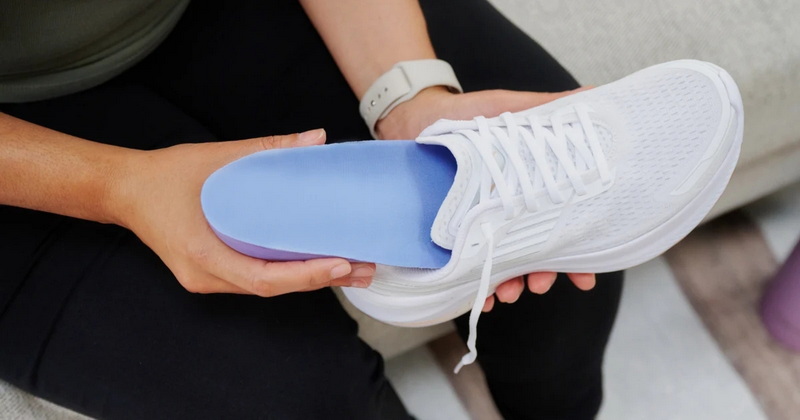
Not every insole qualifies for FSA reimbursement, because the expense must serve a primary medical purpose rather than general comfort. Medical‑grade orthotic insoles that address conditions like plantar fasciitis, flat feet, or heel spurs are more likely to meet this requirement than fashion or lifestyle inserts.[1]
Many over‑the‑counter orthotic insoles can be purchased with FSA funds without a prescription when their medical purpose is clear from the product description. Custom orthotics or more advanced devices may require a prescription or a Letter of Medical Necessity, depending on the structure of the specific FSA plan.[1]
Custom‑made orthotics prescribed to correct biomechanical issues or manage chronic foot pain are generally treated as eligible medical expenses under many FSA programs. Users usually need to keep the prescription and detailed receipts and may have to submit them during reimbursement or review.
Brands can increase the likelihood of FSA acceptance by focusing on therapeutic functions such as arch correction, heel stabilization, and pressure redistribution, and by describing these functions clearly on packaging and marketing materials. Working with experienced OEM manufacturers, clinicians, and regulatory consultants helps ensure that product design and documentation support the medical positioning needed for FSA use.
Sports insoles that are marketed only for comfort or performance usually fall outside FSA eligibility, since they resemble general sports equipment. If a sports‑style insole is specifically designed and described as an orthotic device to manage a diagnosed condition, and supported when necessary by medical documentation, some plans may accept it as a qualified expense.


