
Language
Views: 222 Author: Edvo Publish Time: 2025-10-13 Origin: Site


Content Menu
● Understanding Medicare Part B
● Eligibility Criteria for Diabetic Shoes
● Provider and Prescription Requirements
● Benefits of OEM Orthotic Insoles
>> Tips for Diabetics Choosing Shoes
● Impact on Quality of Life and Mobility
● Quality Assurance and Compliance for OEM Partners
● Potential Barriers and Common Questions
>> 1. What qualifies as a “severe diabetes-related foot disease”?
>> 2. How often can I get new diabetic shoes from Medicare?
>> 3. Do I need a referral from my primary doctor?
>> 4. What are my out-of-pocket costs?
>> 5. Can Medicare Advantage plans cover more than Original Medicare?
Diabetes-related foot complications can lead to ulcers, infections, and even amputations, making proper footwear essential for prevention and management. Orthotic shoes designed for diabetic patients redistribute pressure, accommodate deformities, and improve stability. Medicare Part B offers an important benefit by covering certain therapeutic shoes and inserts for eligible beneficiaries, reducing out-of-pocket costs and encouraging proactive foot care.
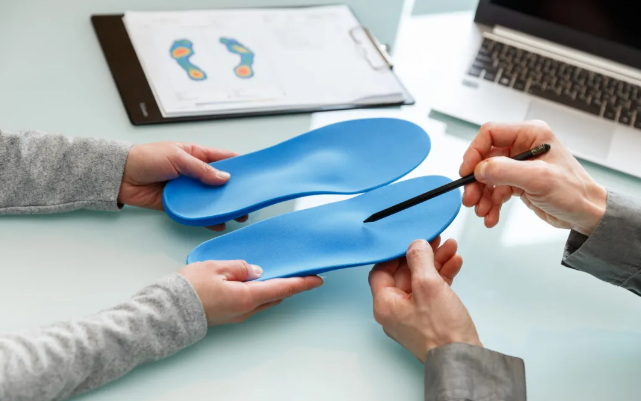
Medicare Part B, the medical insurance component of Original Medicare, covers outpatient services, physician visits, and durable medical equipment (DME) including orthotic shoes and inserts. Beneficiaries pay 20% of the Medicare-approved amount after meeting the annual deductible, and Medicare covers the remaining 80%. Enrollment in Medicare Part B is automatic for those receiving Social Security benefits at age 65, or upon approval for disability benefits.
Medicare Part B coverage decisions for diabetic footwear are guided by national policies and local coverage determinations (LCDs). These policies reflect the balance between clinical need, device efficacy, and program cost. Providers must ensure that the requested footwear complies with Medicare's medical necessity criteria and that all documentation is complete and accurate to avoid claim delays.
Medicare covers therapeutic shoes and inserts only for people with diabetes and documented severe diabetes-related foot disease. To qualify, a beneficiary must have one or more of the following in one or both feet:
- History of partial or complete amputation
- History of foot ulceration
- History of pre-ulcerative callus
- Nerve damage with callus formation
- Foot deformity (e.g., bunions, hammertoes)
- Poor circulation (peripheral arterial disease)
A treating physician or qualified provider must certify that the beneficiary is under a comprehensive diabetes care plan and needs therapeutic shoes or inserts due to diabetes. Documentation should clearly connect the need for footwear to the diabetic condition and the specific foot risk factors identified during examination. Regular reassessments help ensure continued eligibility if foot conditions change over time.
Medicare Part B offers two footwear options annually:
Designed with a deeper toe box to accommodate foot deformities and custom inserts. Beneficiaries receive:
- One pair of extra-depth shoes
- Three pairs of custom-molded inserts for extra-depth shoes
Crafted based on a mold of the beneficiary's feet, ideal for severe deformities. Beneficiaries receive:
- One pair of custom-molded shoes (including inserts)
- Two additional pairs of custom-molded inserts
Shoe modifications (e.g., rocker soles, heel lifts) may substitute for inserts when medically necessary. The inclusion of inserts with each shoe type ensures that patients can achieve an optimal fit and pressure distribution, reducing shear forces and preventing blistering in high-risk areas. Some patients with persistent foot deformities may require a combination of deeper toe boxes, specialized lacing, and custom contouring to maintain stability during ambulation.
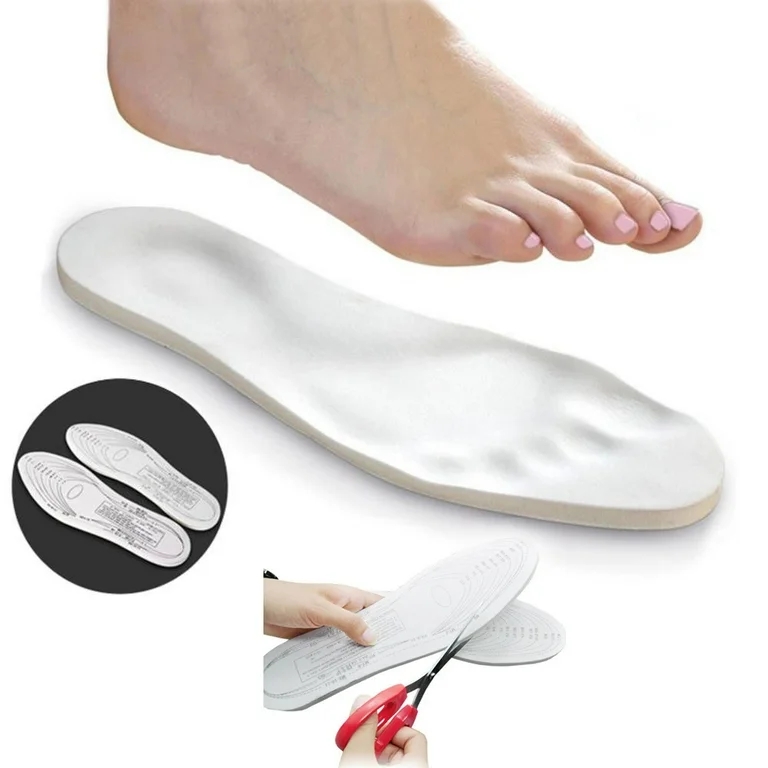
To ensure claims are reimbursed, both the prescribing doctor and the shoe supplier must be enrolled and in good standing with Medicare. Eligible prescribers include:
- Podiatrists
- Orthotists
- Prosthetists
- Pedorthists
- Other qualified physicians (MD/DO) treating diabetes
The process involves:
1. Comprehensive foot exam and documentation of qualifying condition
2. Written prescription or certification from treating physician
3. Supplier evaluation and fitting, followed by shoe fabrication and delivery
Quality and fit are critical: improper sizing, non-compliance with prescription details, or substandard materials can lead to poor outcomes and denied claims. Many providers offer adjunct services such as gait analysis, pressure mapping, and post-fitting adjustments to ensure optimal long-term benefits.
1. Schedule an appointment with your diabetes care provider for a foot evaluation.
2. Obtain a signed certification or prescription indicating need for therapeutic shoes or inserts.
3. Locate a Medicare-enrolled supplier (e.g., podiatry clinic, orthotic workshop).
4. Supplier performs foot measurements, orders shoes, and submits claim to Medicare.
5. After Medicare approval, shoes are delivered; any co-payment (20%) is paid at delivery.
Telemedicine consults and remote fitting support have become more common, helping patients in rural or underserved areas access appropriate evaluation prior to footwear prescription. Remote gait assessments paired with in-person measurements can streamline the process while maintaining accuracy.
Partnering with an experienced OEM orthotic insole manufacturer ensures consistent quality, precise customization, and competitive pricing for B2B clients. Key advantages include:
- Advanced material options (memory foam, EVA, gel) for optimal pressure distribution
- Custom design capabilities to accommodate diverse foot anatomies
- Rigorous quality control meeting international medical device standards
- Flexible order quantities and private-label branding for foreign brands and wholesalers
Additionally, OEM providers can offer customization for different regional markets, including labeling in multiple languages, compliance with international standards (e.g., ISO 13485 for medical devices), and packaging tailored for export. This can accelerate time-to-market for brands seeking to supply diabetic footwear through authorized channels.
- Always bring current shoes and socks to the fitting session for accurate assessment.
- Look for shoes with seamless linings to minimize friction and blister risk.
- Verify supplier uses durable, breathable materials to reduce moisture buildup.
- Inspect shoes regularly for wear patterns and replace inserts annually.
- Follow up with your podiatrist every six months or after any foot injury.
Practical considerations include choosing footwear with non-slip outsoles for stability, adequately padded collars to protect the Achilles region, and adjustable closures to accommodate edema. For patients with neuropathy, a broader, deeper toe box can accommodate toe deformities without causing pressure points. Regular self-checks of the feet, using a mirror or caregiver assistance, help detect ulcers early when combined with routine clinical checkups.
Properly fitted diabetic shoes can significantly reduce foot ulcers recurrence and improve mobility, confidence, and daily functioning. By distributing plantar pressures and minimizing shear forces, orthotic footwear supports a more natural walking gait and reduces pain during ambulation. These benefits translate into fewer clinic visits for foot complications and a greater ability to maintain independence, work, and social activities. Across populations, improved foot health correlates with better overall quality of life and reduced hospitalization rates due to diabetic foot complications.
For manufacturers and suppliers, meeting regulatory expectations is essential to maintain ongoing relationships with Medicare-enrolled practitioners and patients. Key areas include:
- Material safety and biocompatibility suitable for prolonged skin contact
- Accurate sizing and mold accuracy for custom footwear
- Documentation traceability from prescription to final product delivery
- Clear labeling of materials and care instructions to ensure patient safety
- Post-market surveillance and quality improvement programs to monitor adverse events and performance outcomes
OEM partnerships can also support clinical education initiatives, providing practitioners with evidence-based guidelines on footwear selection, fitting protocols, and patient education resources. By aligning with reputable suppliers, brands can reinforce trust with healthcare professionals and end users alike.
- Some beneficiaries may face lengthy approval times due to documentation gaps or supplier capacity constraints. Proactive preparation, including gathering prior authorization notes and recent foot assessment details, can mitigate delays.
- Accessibility challenges in remote regions may require regional programs or charitable partnerships to ensure equitable access to therapeutic footwear.
- Patients should review all plan details, including coverage for related items such as dress shoes for certain activities, to avoid unexpected out-of-pocket expenses.
Informed decision-making requires that clinicians and patients understand both the clinical benefits and the administrative steps involved in obtaining Medicare-covered diabetic footwear. Regular communication between the patient, the prescriber, and the supplier is essential to ensure treatment goals align with coverage rules and clinical outcomes.
Medicare Part B's therapeutic shoe benefit offers vital financial support for diabetics with severe foot complications, covering custom-molded and extra-depth shoes along with required inserts. By adhering to eligibility guidelines, partnering with qualified providers, and selecting high-quality OEM insoles, beneficiaries can protect their foot health, prevent serious complications, and maintain mobility with reduced out-of-pocket expenses. For manufacturers and distributors, aligning with experienced OEM partners can drive consistent product quality, regulatory compliance, and scalable solutions for diverse international markets. The synergy between clinical care, patient education, and high-quality orthopedic manufacturing creates a pathway toward better outcomes and sustainable health for diabetic patients.
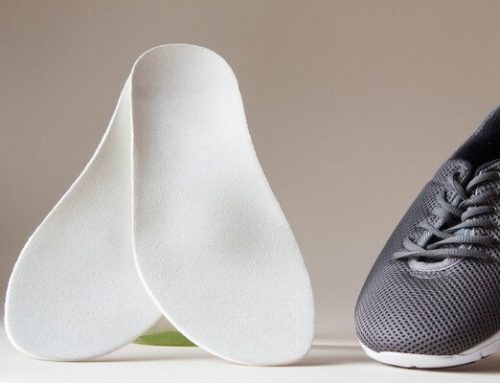
Severe foot disease includes history of foot ulcers, amputations, pre-ulcerative calluses, nerve damage, deformities, or poor circulation related to diabetes.
Medicare Part B covers one pair of therapeutic shoes and corresponding inserts per calendar year.
A qualified physician treating your diabetes must provide a prescription or certification for the shoes, but no referral from a primary care provider is required beyond that.
After meeting the annual Part B deductible, beneficiaries pay 20% of the Medicare-approved amount for shoes and inserts.
Most Medicare Advantage (Part C) plans offer the same diabetic shoe benefit; some may include additional allowances or coverage for premium options.


