
Views: 222 Author: Amanda Publish Time: 2025-09-02 Origin: Site


Content Menu
● Understanding Medicare Coverage for Orthotic Inserts
>> Who Qualifies for Orthotic Inserts Coverage?
>> Limitations of Medicare Coverage
● How to Obtain Medicare-Covered Orthotic Inserts
● Benefits of Using Orthotic Inserts Covered by Medicare
● Understanding Orthotic Insert Types Covered by Medicare
● Tips for Maximizing Medicare Orthotic Benefits
● FAQs
>> 1. How often does Medicare cover orthotic inserts?
>> 2. Is a doctor's prescription required for Medicare to pay for orthotic inserts?
>> 3. Does Medicare cover generic or over-the-counter shoe inserts?
>> 4. Which medical conditions qualify for Medicare-covered orthotic inserts?
>> 5. What portion of the cost will Medicare beneficiaries pay out of pocket?
Orthotic inserts are essential medical devices that provide support and alignment to the feet, improving mobility and reducing pain for many individuals. For people dealing with foot conditions, especially those related to diabetes, orthotic inserts can be a critical part of treatment. Many wonder, "Does Medicare pay for orthotic inserts?" This article dives deep into Medicare's coverage for orthotic inserts, explaining eligibility criteria, coverage details, costs, and the application process. Alongside detailed explanations, the article offers visual and video content suggestions for a better understanding of orthotic inserts and Medicare benefits.
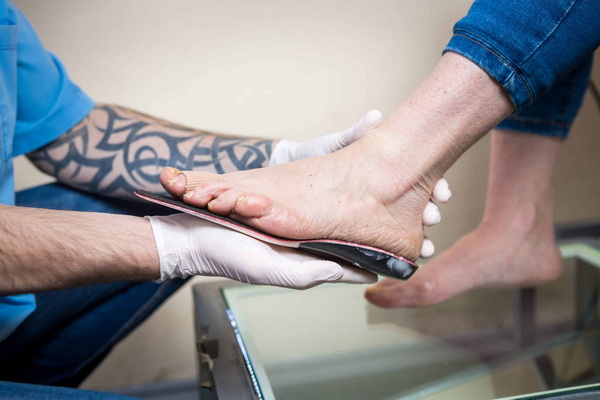
Orthotic inserts are specialized shoe inserts designed to support and enhance the performance of the feet and lower limbs. Unlike regular shoe insoles, orthotic inserts are often custom-made to fit an individual's foot structure. They help correct abnormal foot mechanics and alleviate pain caused by conditions such as plantar fasciitis, arthritis, flat feet, and diabetes-related foot complications.
These devices work by redistributing pressure across the foot, providing proper alignment, and absorbing shock during walking or standing. Customized orthotic inserts are developed from foot molds or scans to ensure they meet the specific needs of the wearer. Their importance goes beyond comfort, affecting overall posture and preventing further injury or foot deformities.
Medicare Part B partially covers orthotic inserts but only under specific medical circumstances and criteria. This coverage mainly targets individuals with significant foot issues who need therapeutic footwear as part of their medical treatment.
- Custom-molded shoes: One pair annually.
- Custom-molded shoe inserts: One pair annually.
- Extra-depth shoes: One pair annually.
- Additional inserts: Two pairs for custom shoes; three pairs for extra-depth shoes annually.
- Shoe modifications: When inserts are not suitable, modifications to shoes may be covered instead.
- Ankle-foot orthoses and knee-ankle-foot orthoses: Devices supporting foot and leg movement for certain medical conditions.
These orthotic devices must be deemed medically necessary by a Medicare-enrolled healthcare provider to be eligible for Medicare coverage.
Medicare covers orthotic inserts primarily for:
- Individuals diagnosed with severe diabetes-related foot disease, including those prone to foot ulcers, infections, or deformities.
- Patients with severe foot deformities or conditions that impair mobility and require custom orthotic devices.
- Patients requiring orthoses to support weak or irregularly shaped lower limbs.
The prescription and certification of medical necessity by a qualified doctor are mandatory for Medicare to approve payment for orthotic inserts.
- Orthotic inserts used solely for comfort or general foot care without a medical diagnosis are not covered.
- Over-the-counter or off-the-shelf shoe inserts and insoles do not qualify for Medicare reimbursement.
- Coverage is generally restricted to specific therapeutic shoes and inserts for medical conditions outlined by Medicare.
Medicare Part B covers orthotic inserts at 80% of the Medicare-approved amount, meaning:
- Beneficiaries are responsible for the annual Part B deductible (around $257 in 2025).
- After the deductible is met, beneficiaries pay 20% coinsurance for orthotic inserts and associated therapeutic shoes.
- These costs apply only when devices are purchased from Medicare-approved suppliers.
The path to getting orthotic inserts covered by Medicare includes the following steps:
1. Medical Evaluation: Visit a doctor enrolled in Medicare who will evaluate the foot condition.
2. Prescription and Certification: The doctor must prescribe orthotic inserts and certify the medical necessity in writing.
3. Select a Medicare-Approved Supplier: Choose a supplier authorized by Medicare to sell orthotic products.
4. Submit Documentation: Ensure all prescriptions and medical certifications are forwarded to Medicare, often handled by the supplier.
5. Payment: Pay the deductible and coinsurance as required.
Working closely with healthcare providers and suppliers knowledgeable about Medicare coverage can smooth this process.
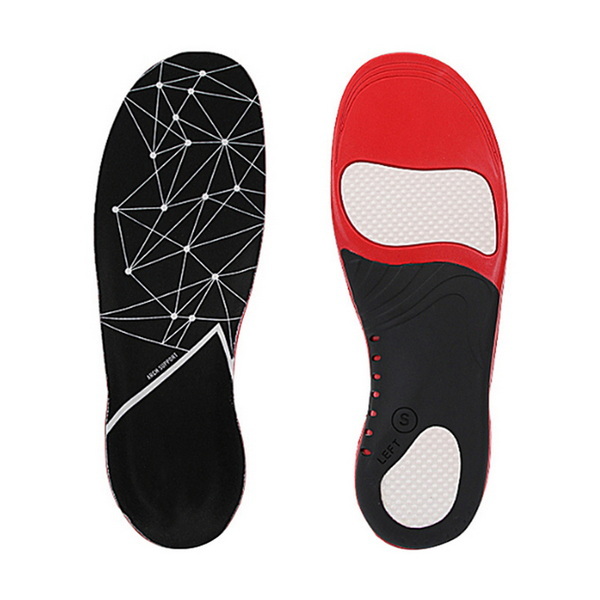
Using orthotic inserts covered by Medicare offers numerous benefits:
- Pain Relief: Orthotic inserts relieve pressure points and reduce foot pain caused by chronic conditions.
- Improved Mobility: Proper foot alignment enhances walking ability and overall mobility.
- Prevention of Complications: In diabetic patients, orthotic inserts reduce the risk of ulcers, infections, and the need for amputations.
- Custom Support: Because inserts are personalized, they better address individual foot problems than standard insoles.
Effective orthotic therapy positively impacts quality of life and helps individuals maintain active lifestyles despite foot ailments.
Medicare recognizes several types of orthotic devices:
- Custom-Molded Orthotic Inserts: Made specifically for an individual's feet, addressing unique structural and functional issues.
- Extra-Depth Therapeutic Shoes: Shoes designed with extra depth to accommodate orthotic inserts and foot deformities.
- Standard Orthoses: Non-custom orthotic devices such as ankle-foot orthoses (AFOs) and knee-ankle-foot orthoses (KAFOs) to support leg and foot function.
Medicare covers these orthotic devices when prescribed for medical necessity reasons but not for cosmetic or comfort purposes.
- Schedule regular foot exams to identify conditions early and obtain timely prescriptions.
- Keep records of all doctor visits, prescriptions, and supplier transactions.
- Choose suppliers carefully, ensuring they are Medicare-approved to avoid unexpected costs.
- Ask healthcare providers about how orthotic inserts can complement other treatments like physical therapy or medication.
Medicare does cover orthotic inserts, but only for those with specific medical conditions such as severe diabetes-related foot disease or other severe foot deformities. Coverage includes custom-molded shoes and inserts, extra-depth shoes, and necessary shoe modifications under Medicare Part B. Beneficiaries should be aware of the coverage limits, out-of-pocket costs, and the requirement to obtain prescriptions from Medicare-enrolled doctors. Properly utilizing Medicare coverage for orthotic inserts can significantly enhance foot health, mobility, and overall quality of life for eligible individuals.
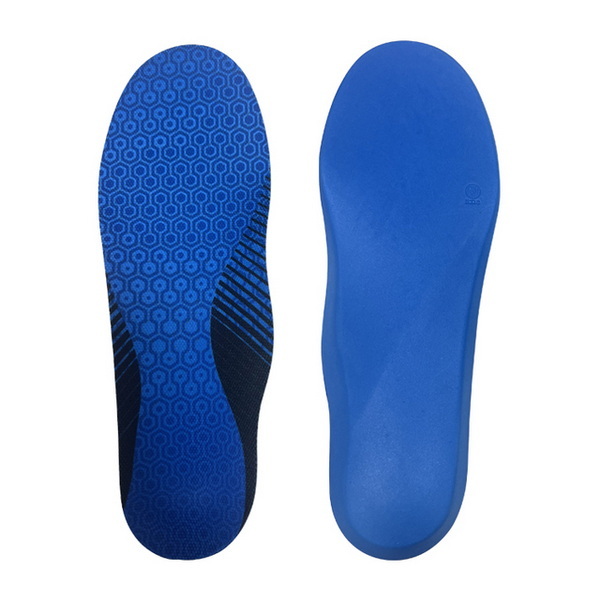
Medicare covers one pair of custom-molded shoe inserts or up to three pairs for extra-depth shoes each year, plus one pair of custom-molded shoes or extra-depth shoes annually.
Yes, a prescription and written certification of medical necessity from a Medicare-enrolled healthcare provider are mandatory.
No, Medicare only covers custom-molded or therapeutic orthotic inserts prescribed for medical conditions; generic or comfort-based inserts are not covered.
Severe diabetes-related foot disease and severe foot deformities or conditions that impair mobility are primary qualifiers.
Beneficiaries pay the Part B deductible, then 20% of the Medicare-approved amount for orthotic inserts and shoes.
[1](https://www.gohealth.com/medicare/coverages-benefits/medical-equipment-and-supplies/orthotics/)
[2](https://www.healthline.com/health/medicare/does-medicare-cover-orthotics)
[3](https://footnanklecenters.com/does-medicare-cover-custom-orthotics/)
[4](https://askchapter.org/magazine/senior-health-wellness/medicare-resources/does-medicare-cover-orthotics)
[5](https://www.medicalnewstoday.com/articles/does-medicare-cover-orthotics)
[6](https://www.medicare.gov/coverage/therapeutic-shoes-inserts)
[7](https://www.medicare.org/articles/does-medicare-cover-orthotics/)
[8](https://www.mutualofomaha.com/advice/medicare/medicare-coverage/does-medicare-cover-podiatry-and-orthotics)
[9](https://www.ehealthinsurance.com/medicare/coverage/learn-if-medicare-cover-orthotics-medicare-coverage/)


