
Language
Views: 222 Author: Edvo Publish Time: 2025-10-08 Origin: Site


Content Menu
● What Are Orthotic Shoe Inserts?
● Why Orthotic Support Matters for Seniors
● How Does Medicare Define and Cover Orthotic Shoe Inserts?
● Who Is Eligible for Medicare Coverage of Orthotic Inserts?
● What Does Medicare Actually Cover?
● The Role of Healthcare Providers and Suppliers
● What Is the Process to Get Medicare to Pay?
● Out-of-Pocket Costs and Reimbursement Amounts
● Special Considerations for Diabetics
● Coverage for Non-Diabetic Conditions
● What About Medicare Advantage and Supplemental Plans?
● What to Do If a Claim Is Denied
● Tips for Successful Reimbursement
● The Role of Manufacturers and International OEMs
● FAQ
>> 1. What specific kinds of orthotic shoe inserts are covered by Medicare?
>> 2. How many pairs of inserts per year will Medicare pay for?
>> 3. Is a doctor's prescription required for coverage?
>> 4. Can I request reimbursement after buying inserts at a retail store?
>> 5. What steps should I take if my coverage claim is declined?
Orthotic shoe inserts, also known as orthoses, are specialized devices designed to support, align, and improve the function of the feet. These products play a vital role in relieving pain, correcting alignment, and preventing further complications for people with chronic foot conditions, especially older adults. For individuals in the United States, a major concern is whether Medicare can help cover the costs associated with these important medical devices. This article provides a comprehensive overview of Medicare's role in reimbursing orthotic shoe inserts, outlining eligibility, benefits, and the step-by-step process from prescription to claim approval. Understanding these guidelines not only benefits patients but also assists the international brands, wholesalers, and manufacturers that serve them.
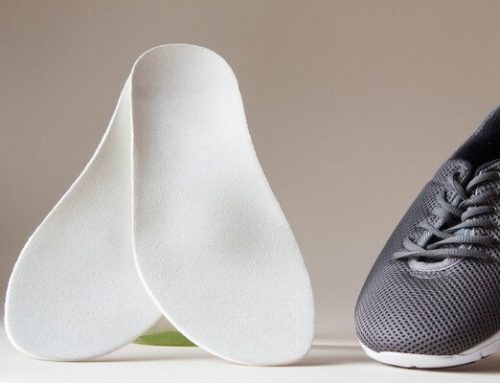
Orthotic inserts are specially developed footbeds placed inside footwear to address specific biomechanical issues, such as flat feet, high arches, plantar fasciitis, diabetic neuropathy, and structural misalignment. Inserts range from simple, prefabricated insoles to fully custom-molded devices crafted from a 3D model or cast of the patient's foot. Custom options, while generally more expensive, offer targeted support for severe or complex foot problems and are often recommended when over-the-counter solutions have failed.
The right orthotic support can relieve pressure on sensitive areas, enhance stability during walking, and prevent calluses, ulcers, or serious injuries. Manufacturers, particularly those providing white-label and OEM services, are challenged to balance product durability, comfort, medical efficacy, and cost—all key factors for clients serving Medicare-insured populations.
Chronic foot pain and instability are especially prevalent among older adults due to degenerative conditions, weakened muscles, circulatory problems, and complications from diseases such as diabetes. For many, walking unaided becomes difficult, increasing the risk of falls, fractures, and hospitalizations. With the elderly population continually rising, effective and affordable foot care solutions, including orthotic shoe inserts, are critical in maintaining independence and quality of life.
As the demand for high-quality orthotic products expands globally, top-tier manufacturers need to ensure that their offerings meet strict U.S. medical standards and are recognized by insurance programs such as Medicare.
Medicare is the U.S. federal health insurance program primarily covering individuals aged 65 and older, as well as younger people with certain disabilities. While there are different parts to Medicare coverage, the aspect most relevant to orthotic shoe inserts is Medicare Part B (Medical Insurance), which addresses outpatient services, durable medical equipment, and medically necessary supplies.
Medicare classifies orthotic shoe inserts as therapeutic devices required to prevent further injury or to manage serious health conditions, such as diabetes-related foot disease. Unlike standard insoles found in retail stores, these inserts must be prescribed by eligible healthcare professionals and must serve a well-documented medical need.
Medicare does not universally pay for orthotic shoe inserts. Coverage is available only when specific medical conditions are present and strict documentation criteria are fulfilled.
Not every Medicare beneficiary qualifies for orthotic insert reimbursement. Coverage is strictly targeted to patients with certain medical diagnoses that expose them to serious foot complications. The most common qualifying condition is diabetes, particularly those who exhibit severe diabetes-related foot disease.
Eligibility criteria include:
- Diagnosis of diabetes in combination with neuropathy, poor circulation, foot deformity, or history of foot ulcers.
- Proof of “severe foot disease” as medically defined and documented.
- An order (prescription) from a healthcare provider actively treating the qualifying condition.
- The prescribing physician must be enrolled in Medicare.
- The supplier providing the inserts must also be Medicare-enrolled.
For orthopedic shoes or devices not related to diabetes, coverage is much more restrictive. Typically, shoes are only covered if they are an integral part of a leg brace for certain conditions.
Medicare Part B covers the following therapeutic shoe devices for qualifying beneficiaries each calendar year:
- One pair of custom-molded shoes and up to two additional pairs of inserts.
- One pair of extra-depth shoes and up to three pairs of custom inserts.
- Substitution of shoe modifications in place of removable inserts.
Coverage generally does not extend to prefabricated, mass-market insoles, unless explicit medical necessity is documented. Medicare also covers some shoe modifications as substitutes for inserts, provided that they are ordered for the same medical reason.
Medicare regulations require that prescriptions for orthotic shoe inserts must be written by a physician treating the underlying condition (most commonly diabetes). The prescription should include:
- Detailed medical diagnoses.
- Explanation of medical necessity for orthotic treatment.
- Specification of type, size, and special features of the required inserts.
- Records showing an in-person evaluation.
After the prescription is signed, the patient must get the inserts from a supplier or provider enrolled with Medicare. This includes podiatrists, orthotists, prosthetists, pedorthists, or qualified clinics.
Manufacturers and brands that wish to serve the U.S. Medicare market must ensure full compliance with Medicare's supplier enrollment requirements, rigorous quality standards, and timely provision of documentation for each claim.

The claims and reimbursement process follows these general steps:
1. Patient visits a Medicare-enrolled healthcare provider for a diagnosis.
2. Provider performs an in-person assessment and writes a prescription for orthotic inserts if medical necessity is met.
3. Patient selects a Medicare-approved supplier to fill the prescription.
4. Supplier provides, fits, and documents the delivery of the inserts.
5. Supplier submits claim paperwork to Medicare, including medical records and proof of fitting.
6. Medicare reviews the claim and, if approved, pays 80% of the Medicare-approved amount to the supplier.
7. The beneficiary pays the remaining 20%, after any applicable deductible.
Patients and suppliers should ensure that all documentation is accurate and that services are delivered only after coverage is clearly established.
After meeting the Part B deductible, the patient is responsible for 20% of the approved cost (coinsurance), and Medicare covers the remaining 80%. For instance, if the total cost of a pair of custom orthotic inserts is $600, the patient pays $120 and Medicare pays $480. Costs may be higher if the supplier does not participate in Medicare's approved payment rates, so it's important to choose enrolled providers and suppliers.
Medicare will not reimburse for orthotic inserts purchased directly from retail outlets or non-enrolled suppliers, even if a prescription is provided.
Diabetes can cause serious, progressive damage to the nerves and blood vessels of the feet. Loss of sensation, poor healing, and deformities often lead to ulcers and infections that may progress to amputation if left untreated. Medicare's orthotic insert coverage is designed to dramatically reduce this risk.
For diabetic patients, coverage typically includes foot exams, the provision of custom-molded shoes and inserts, and regular monitoring throughout the year. These preventative steps are strongly supported by podiatrists and primary care physicians specializing in diabetes management.
While diabetic foot disease is the most common scenario for coverage, Medicare may also approve orthotic shoe inserts for other rare, severe foot ailments if substantial documentation exists. However, for most routine cases or for comfort, athletic performance, or mild pain, Medicare will not cover orthotic inserts.
Orthopedic shoes or orthotics prescribed as part of a leg brace may be covered, but this is generally only for individuals with significant structural or neuromuscular conditions. Routine “comfort” orthotics and insoles are always excluded from coverage.
Medicare Advantage (Part C) plans are administered by private insurers and must provide benefits equal to or better than Original Medicare. Many plans include expanded coverage or reduced costs for medical equipment, and some may pay for a wider selection of orthotic products, or even prefabricated inserts, if medically justified. Always consult the specific insurance plan details, as coverage varies widely.
Medigap (Medicare Supplement) plans do not provide extra coverage for orthotic items, but they do help pay for the copayments and deductibles left over after Medicare pays its share.
Medicare claim denials often occur because eligibility requirements were not satisfied, documentation was incomplete, or the supplier was not properly enrolled. If a claim is denied:
- Review the denial letter for reasons.
- Gather additional documents—such as detailed physician's notes, diagnostic test results, and supplier credentials.
- Resubmit the claim or file an appeal, addressing each reason for denial.
- Work closely with both the prescribing doctor and the supplier to ensure future claims meet every Medicare rule.
Persistent denials may require professional advocacy or legal consultation.
To maximize the chance for approval:
- Always get a comprehensive, in-person evaluation from a Medicare-enrolled physician.
- Request the physician include detailed documentation explaining why off-the-shelf solutions are insufficient.
- Select a supplier with a solid track record of successful Medicare claims.
- Ensure all information on the claim is clear, accurate, and complete before submission.
- Be prepared to supply extra medical records if Medicare requests further proof.
As the population ages, U.S. demand for therapeutic insoles and shoe inserts continues to increase. Leading Chinese insole manufacturers play a vital role in delivering innovative, high-quality products for diabetic care, senior mobility, and chronic pain relief. OEM and private-label partners serving these markets must pay close attention to medical-legal compliance, especially if branding, labeling, or packaging for U.S. medical distribution.
Key manufacturer responsibilities include:
- Consistency in product quality, durability, and performance.
- Support for traceability, batch numbers, and sterile packaging requirements.
- Training distributors and partners about U.S. Medicare and insurance regulations.
- Supporting clients with documentation templates, fitting instructions, and compliance checklists.
- Staying up to date with evolving Medicare rules and expanding product lines to address emerging needs (such as 3D-printed inserts or antimicrobial features).
Medicare's reimbursement policies for orthotic shoe inserts are designed to assist people with severe medical needs—most often those with diabetes-related foot disease—by significantly reducing out-of-pocket costs for preventive and therapeutic care. However, coverage is highly regulated, limited to strict eligibility scenarios, and requires involvement from both Medicare-enrolled providers and suppliers. For overseas manufacturers, especially those providing OEM services to global brands, partnering with Medicare-compliant U.S. distributors and understanding these detailed requirements is fundamental to success.
Patients, caregivers, and healthcare professionals must work collaboratively to ensure every stage—from diagnosis through claim submission—meets the rigorous standards set by Medicare. Doing so translates to better patient outcomes, lower overall health system costs, and higher satisfaction for all stakeholders involved in the orthotic insert supply chain.

Medicare covers custom-molded shoe inserts and modifications for individuals with diabetes and certain severe foot diseases, when ordered and dispensed by enrolled providers.
For eligible patients, Medicare allows one pair of custom-molded shoes plus two pairs of inserts, or one pair of extra-depth shoes plus three pairs of inserts per year. Shoe modifications can be substituted for removable inserts in some cases.
Yes. Medicare requires a prescription from a provider actively managing the qualifying condition, with documented proof of medical necessity and in-person assessment.
No. Medicare does not reimburse for products purchased outside its enrolled provider network, even with a doctor's note.
Understand the denial reason, provide any missing medical documentation, confirm both provider and supplier are enrolled, and submit an appeal if necessary.


