
Language
Views: 222 Author: Edvo Publish Time: 2025-12-22 Origin: Site


Content Menu
● Understanding Custom Fit Orthotic Inserts
● The Importance of Cleaning Orthotic Inserts
>> Supports Overall Foot Health
● Step-by-Step Guide: Cleaning Your Custom Fit Orthotic Inserts
>> Step 2: Prepare a Mild Cleaning Solution
>> Step 4: Rinse and Remove Soap Residue
● Material-Specific Cleaning Tips
>> Carbon Fiber or Plastic Inserts
● How Often Should You Clean Orthotics?
● Deep Cleaning and Deodorizing Methods
● When Professional Cleaning May Help
● How Proper Cleaning Enhances Comfort and Performance
● Storing Your Orthotics Correctly
● Signs It's Time to Replace Your Orthotic Inserts
● Sustainable Disposal of Old Orthotics
● Troubleshooting Odor and Discomfort
● The Role of Regular Foot and Shoe Care
● FAQs About Cleaning Custom Fit Orthotic Inserts
>> 1. How often should I clean my orthotics?
>> 2. Can I use disinfecting wipes or alcohol cleaner?
>> 3. How can I eliminate strong odors from my orthotics?
>> 4. What should I do if my orthotics lose cushioning?
>> 5. Are there differences in cleaning between sports and medical orthotics?
Keeping your custom fit orthotic inserts clean is essential not only for hygiene but also for preserving comfort and extending their lifespan. Whether you use them to relieve foot pain, support posture, or enhance athletic performance, maintaining clean and fresh orthotics ensures consistent results. Many users underestimate how much dirt, sweat, and friction these inserts absorb throughout daily wear. Over time, neglecting to clean them can lead to unpleasant odors, bacterial buildup, and reduced effectiveness.
In this complete guide, we'll explore how to clean custom orthotic inserts step by step, offer maintenance tips for various materials, and discuss long-term care to help your orthotics perform just as well as the day you bought them.
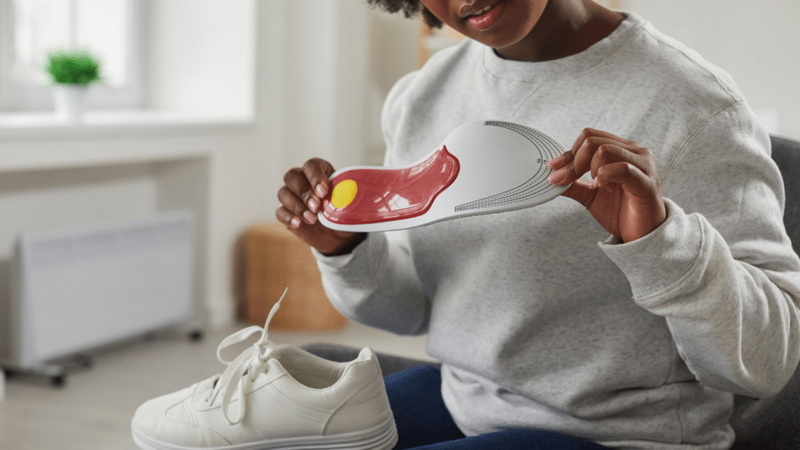
Custom fit orthotic inserts are not your standard store-bought insoles. They are carefully molded to the contours of your feet, providing precise support and alignment correction. Orthotics are commonly prescribed by podiatrists to help with issues such as flat feet, overpronation, plantar fasciitis, heel spurs, and chronic foot or knee pain.
Unlike generic insoles, custom orthotics use specialized materials such as high-density foam, thermoplastic polymers, or carbon fiber to support different parts of the foot. Their customized design helps distribute pressure evenly, preventing stress buildup on any single area.
Since these inserts are used every day and interact closely with your socks and skin, cleaning them is critical. Sweat, skin cells, and environmental dust can gradually build up, leading to odor, discoloration, and decreased cushioning. Regular cleaning is an easy habit that keeps them functional and hygienic for much longer.
Dirt particles and oils can degrade orthotic materials over time. Wiping them down regularly keeps surfaces smooth and intact, reducing cracking or peeling. Clean orthotics maintain their original shape and flexibility, which is key to proper foot alignment.
Each time you walk, your feet release moisture and heat. If this moisture remains trapped, it becomes the perfect environment for bacteria and fungi to grow. Cleaning eliminates this buildup, keeping your inserts — and your shoes — fresh.
When residues accumulate, orthotics may feel sticky or uneven, causing discomfort. A clean surface lets your foot slide naturally and provides the intended cushioning effect.
Foot hygiene is linked directly to orthotic maintenance. Clean orthotics reduce the risk of developing athlete's foot, rashes, or allergic reactions caused by trapped sweat and dirt.
Begin by taking your orthotics out of your shoes. Cleaning them inside the shoes can cause uneven drying and damage to both the shoes and inserts.
Mix a small amount of gentle soap or mild detergent into a bowl of lukewarm water. Avoid using bleach, alcohol-based products, or strong chemical cleaners, which can dry out or deform certain orthotic materials.
Soak a soft cloth or sponge in the water mixture and wring it out so it's damp, not dripping wet. Gently scrub the top layer and sides of your orthotics to remove dirt and stains. Be particularly mindful around stitched edges or glued areas.
Take another clean, damp cloth and wipe off any remaining soap. Leaving detergent residue can make the surface slippery or sticky.
Place your inserts on a clean towel in a well-ventilated, cool room. Avoid using heaters or dryers, as direct heat can cause warping or shrinkage. Air drying overnight is ideal.
When dry, check for cracks, worn areas, or separation of layers. Damaged orthotics not only reduce comfort but can alter your gait. If you find signs of deterioration, consider consulting your orthotic provider.
Each orthotic is made differently. Understanding the composition will help you choose the right cleaning technique and avoid damage.
EVA (ethylene-vinyl acetate) foam offers great cushioning but can absorb moisture easily. Use minimal water during cleaning, and always dry these inserts thoroughly to prevent a damp smell.
Leather adds a premium finish but requires delicate care. Use a small amount of mild soap diluted in water and wipe gently. After drying, apply a soft leather conditioner to maintain flexibility and prevent cracking.
For gel or silicone orthotics, use lukewarm water and gentle soap only. Avoid alcohol and hard scrubbing, which can cloud or break the gel surface. Once clean, leave them to air dry completely.
Extremely durable and resistant to moisture, these types can be wiped clean with a soft cloth and mild soap solution. Be gentle, as the top cover (if any) may still be made of delicate materials like fabric or foam.
The ideal cleaning frequency depends on daily usage and personal activity levels.
- If you wear orthotics daily, cleaning once a week is sufficient.
- For athletes or people in humid environments, wiping down after every strenuous activity is best.
- Allow your orthotics to air out daily by removing them from shoes at night.
Over-cleaning can sometimes wear down coatings or adhesives, so it's best to clean gently but regularly.
- Always remove inserts at night to allow airflow.
- Sprinkle baking soda once a week to absorb moisture and neutralize odors.
- Avoid wearing shoes with wet socks, as this accelerates bacterial growth.
- Rotate between two pairs of orthotics if possible to give each a rest period.
- When traveling, pack orthotics in breathable pouches, not plastic bags.
These small habits significantly increase the longevity of your custom orthotics.
Many people unintentionally shorten the lifespan of their orthotics through improper care. Here's what to avoid:
- Machine washing or submerging in water – this causes adhesive failure and loss of support.
- Using hot water or heaters – extreme temperatures distort materials.
- Applying harsh cleaning chemicals – many solvents dissolve coatings.
- Scrubbing too vigorously – This can wear off the top layer, especially if it's fabric-covered.
Gentle, consistent cleaning always yields the best results.
Sometimes weekly cleaning isn't enough, especially if your orthotics develop strong odors or are used for sports activities. You can try these deeper methods for extra freshness.
Sprinkle a thin layer of baking soda over the surface and let it sit overnight. In the morning, simply wipe it off with a dry cloth. This neutralizes odors and absorbs excess moisture.
You can mix equal parts of water and white vinegar for a natural antibacterial spray. Lightly mist your inserts, let them air dry, and the vinegar smell will dissipate quickly.
Placing your orthotics near cedar shoe inserts or activated charcoal packs overnight helps remove lingering odors and moisture naturally.
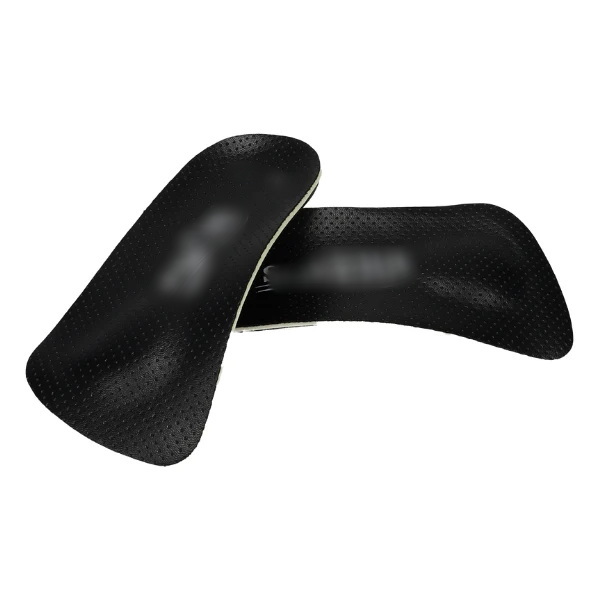
For long-term users or people whose orthotics are medical-grade, professional cleaning may be useful once or twice a year.
Professional orthotic care facilities:
- Use special non-abrasive sanitizers designed for orthotic materials.
- Offer refurbishment for worn coverings.
- Assess your orthotics for alignment integrity.
If you've invested in a high-quality custom pair, occasional professional maintenance ensures they continue performing as designed.
The comfort of custom fit orthotics largely depends on how evenly and cleanly they contact the soles of your feet. Built-up residue or uneven surfaces can disrupt this contact, creating friction and irritation. Regular cleaning eliminates these issues, making each step smoother and more stable.
Athletes, in particular, benefit from clean orthotics, as dirt and sweat underfoot can lead to blisters and slippage. Clean inserts maintain firm traction between your foot and the orthotic, supporting consistent biomechanics during intense activity.
Proper storage extends the lifespan of your inserts and prevents warping.
- Always let them dry fully before storage.
- Keep them in a cool, dry area, away from sunlight or heaters.
- Store flat or inside a breathable cotton pouch.
- Do not leave in sealed plastic containers for extended periods, as trapped humidity can cause mildew.
When traveling, place them between layers of clothes or inside a protective cloth bag rather than stuffing them loosely in luggage.
Even the best-maintained orthotics don't last forever. Watch for these common signs that replacement is necessary:
- Visible cracks or warped shape reducing comfort.
- Surface peeling or compressed padding.
- Lingering odors that cleaning can't remove.
- Increased foot discomfort or pain during use.
On average, custom orthotics last between one and two years, depending on material and intensity of use. Consulting your orthotic provider annually ensures you maintain optimal support.
When replacing your inserts, consider eco-friendly disposal methods. Some materials like EVA foam or thermoplastic polyurethane can be recycled. Check with local recycling facilities or orthotic suppliers that accept used inserts for reprocessing. Reusing or donating gently used orthotics through medical recycling programs is another sustainable approach.
If your orthotics continue to develop odor quickly or feel uncomfortable, a few adjustments can help:
- Switch to moisture-wicking socks made of natural fibers.
- Use antimicrobial shoe liners for added protection.
- Make sure your shoes are fully dry before reinserting orthotics.
- If discomfort persists, consult your orthotist — your gait or foot condition might have changed.
Addressing these minor issues early prevents potential foot strain and prolongs both orthotic and shoe life.
Feet and shoes work hand in hand with orthotics. Maintaining them together yields the best results.
- Clean your shoes regularly. Dirt inside footwear can transfer back onto your inserts.
- Keep toenails trimmed to reduce wear on insoles.
- Use foot powder or moisture control sprays to reduce sweating.
- Rotate shoes daily to let interior padding and orthotics rest.
A whole-foot care routine ensures your orthotics stay hygienic and function at their full potential.
Cleaning and maintaining your custom fit orthotic inserts is an essential part of healthy foot care. A simple weekly routine—wiping with mild soap, rinsing, and air drying—keeps your orthotics free from bacteria and odor, extends their lifespan, and ensures continuous comfort. With proper attention to materials, gentle handling, and consistent care, your orthotic inserts will deliver excellent support and leave your feet feeling refreshed and aligned after every step.
Clean orthotics don't just support your posture—they protect your investment, your comfort, and your long-term foot health.

Once a week for regular use is ideal. If you exercise frequently or live in a humid area, wipe them after each use and air dry nightly.
Avoid alcohol-based wipes, as they can damage top coatings. Instead, use a mild soap with water or a vinegar-water mixture for disinfection.
Try placing your inserts overnight with baking soda, cedarwood, or activated charcoal to absorb odors naturally. This prevents bacteria from returning.
Compression over time is normal. You can request a refurbishing service from your orthotic provider to replace the top cover or core padding.
Yes. Sports orthotics often have moisture-repelling coatings that make cleaning easier. Medical orthotics with fabric or leather coverings require more gentle cleaning to preserve delicate materials.


