
Language
Views: 222 Author: Edvo Publish Time: 2025-10-08 Origin: Site


Content Menu
● What Are Custom Orthotic Inserts?
● Average Lifespan of Orthotic Inserts
● Clear Signs That Orthotics Need Replacing
● Factors Influencing the Lifespan of Orthotic Inserts
>> User's Lifestyle and Weight
● Best Practices to Extend Orthotic Lifespan
● Orthotics for Different User Needs
>> For Athletes
>> For Daily Lifestyle and Work
● When to Seek Professional Help
● OEM Manufacturing of Orthotic Inserts
● Maintenance Tips from Professionals
● FAQs
>> 1. How often should orthotic inserts be replaced?
>> 2. Can orthotics last more than five years?
>> 3. Do orthotics need to be worn all day?
>> 4. Are custom orthotics better than store-bought insoles?
>> 5. What is the warranty period for custom orthotics?
Custom orthotic inserts are essential for foot health, comfort, and overall performance. Whether you are dealing with conditions like plantar fasciitis, flat feet, high arches, or simply want extra comfort for daily activities, orthotics play a crucial role in supporting proper alignment, reducing stress, and preventing pain. One of the most common questions asked by patients, athletes, and even doctors is: How long do custom orthotic inserts last?
The answer depends on a variety of factors, such as material quality, frequency of use, lifestyle, and how well they are maintained. Generally, custom orthotic inserts last between one to three years, but this can vary significantly from person to person. In this article, we will explore the lifespan of orthotics, signs they need replacement, how to extend their durability, and how manufacturers provide long-lasting solutions for global brands and medical needs.

Custom orthotic inserts are professionally designed insoles created specifically for an individual's feet. Unlike standard shoe inserts purchased in retail stores, custom orthotics are tailored using data from foot scans, molds, or impressions. They are not just for comfort but also serve medical and biomechanical functions.
Key features include:
- Correcting misalignments such as overpronation or flat arches
- Supporting feet during walking, standing, and athletic activities
- Relieving pain caused by conditions like plantar fasciitis, bunions, or arthritis
- Providing cushioning and reducing shock impact
- Offering long-term foot health benefits compared to generic insoles
Orthotics usually last between one and three years, though several elements impact their longevity:
- Level of activity: Athletes or those who spend most of their day on their feet may need replacements sooner.
- Type of material: Rigid orthotics last longer than soft foam ones that compress quickly.
- Body weight: Heavier individuals may experience faster wear and tear.
- Purpose of use: Medical orthotics require stricter monitoring compared to casual comfort insoles.
As a general guideline, adults may need replacement every two years, while children often require new inserts every year since their feet continue to grow.
Recognizing when your orthotics are wearing out is important. Worn-out inserts can cause discomfort, pain, and lead to other foot or posture issues. Signs include:
- Noticeable cracks or material damage
- Loss of cushioning or flattening of support areas
- Return of original symptoms, such as foot or knee pain
- Shoes wearing unevenly or leaning due to uneven support
- A persistent bad odor even after cleaning
If any of these indicators appear, it is time to visit a podiatrist or replace your orthotics.
- Soft foam or gel orthotics: Typically last six to twelve months due to compression.
- Semi-rigid orthotics (EVA and PU): Often last one to two years, offering both comfort and durability.
- Rigid orthotics (carbon fiber or thermoplastic): Can last up to five years but may lose comfort cushioning over time.
High-impact activities such as running, hiking, or intense sports wear orthotics down quicker than casual walking or light use. Athletes usually replace theirs more frequently.
Inserts that are cleaned regularly, dried properly, and stored in good conditions last significantly longer. Excessive exposure to moisture and heat can shorten their lifespan.
People with physically demanding jobs or higher body weight put more strain on orthotics, which can shorten their usability.
To maximize the value of your investment in custom orthotics, there are many simple care and usage strategies:
- Rotate your shoes: Instead of transferring orthotics daily between one or two pairs of shoes, use multiple footwear options. This reduces wear.
- Proper cleaning: Use a damp cloth or mild soap and avoid machine washing. Always air dry naturally.
- Avoid excess moisture: Keep inserts away from prolonged exposure to wet environments.
- Check shoe condition: Damaged or worn shoes affect how orthotics function. Replace shoes when necessary.
- Regular professional checks: Schedule an annual visit with your podiatrist for adjustments and evaluation.
Athletic orthotics often combine cushioning with stability, supporting performance while preventing injuries. Due to heavy usage, they may only last around one year or slightly longer.
Orthotics for health issues like diabetes must remain intact and structurally sound. Even small damages can cause significant harm, like wounds or ulcers, especially for diabetic patients. Frequent checks and timely replacements are critical.
Teachers, nurses, factory workers, and individuals who stand for long hours typically use orthotics that last between one and two years. With good care, they often see extended durability.
Many people continue using their orthotics far beyond their effective lifespan, unaware of the harm it causes. A podiatrist can perform gait analysis, pressure mapping, and adjustments to ensure the inserts remain functional. It is recommended to schedule follow-up checks every twelve months, even if there are no obvious problems.
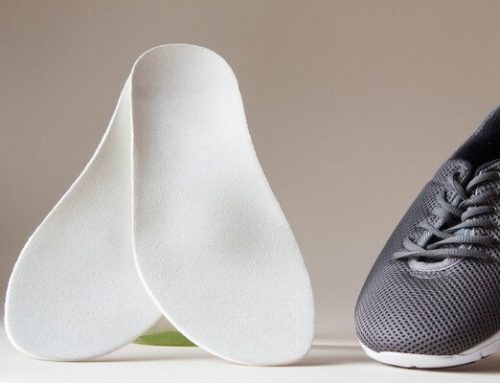
As a trusted manufacturer in China specializing in custom orthotics, we have partnered with international brands, wholesalers, and healthcare companies to deliver premium insoles. Our services include:
- Orthotic inserts made from EVA, PU, carbon fiber, and gel
- Tailored orthopedic designs based on foot scans or client specifications
- OEM and ODM private label services supporting global branding strategies
- Large-scale production for sportswear brands and medical facilities
- Research and development for innovative insole technologies
By integrating advanced technology and strict quality control, we ensure durability, comfort, and competitive pricing for international clients.
The right time to change orthotics is not only defined by years but also by comfort and function. While most recommendations fall within one to three years, sports users or those with medical issues must be more proactive about regular replacements. Children's orthotics must be replaced annually or sooner due to rapid growth.
Another way to extend lifespan is through professional adjustments. Sometimes orthotics themselves do not need to be replaced, but slight corrections or refurbishments can restore their function. For example, cushioning pads can often be added to rigid inserts to improve comfort without replacing the entire device.
Podiatrists can also heat-adjust semi-rigid materials to reshape the orthotics so they continue aligning the foot properly. Regular mild refurbishments can extend the lifespan while guaranteeing effectiveness.
The true value of orthotics lies beyond how long they last. Lasting benefits include:
- Improved posture and reduced back, hip, and knee strain
- Enhanced sports performance by improving stability and reducing fatigue
- Prevention of injuries that result from imbalanced walking patterns
- Support for long-term foot health in children and adults
Even if replacements are required every one to two years, these benefits far outweigh the costs.
Custom orthotic inserts are a vital tool for maintaining foot health, correcting imbalances, and ensuring comfort in everyday life. Their lifespan ranges broadly from one to three years depending on material, lifestyle, activity levels, and maintenance. Athletes and children require more frequent replacements, while rigid inserts can serve adults longer. With proper care, annual professional evaluations, and timely replacements, orthotic inserts provide lasting health and performance benefits. For businesses and global brands, sourcing from reliable OEM manufacturers ensures access to high-quality, durable orthotic solutions that meet international standards.

Most people should replace their orthotic inserts every one to two years, though athletes and children require replacements more frequently.
Rigid orthotics such as those made with carbon fiber may last up to five years. However, cushioning elements usually wear down earlier, so regular evaluations are recommended.
Yes, to maximize effectiveness, orthotics should be worn whenever possible, especially during activities where feet endure pressure or stress.
Custom orthotics provide personalized biomechanical correction and precise fit, making them superior in support and durability compared to generic store-bought insoles.
Warranty varies by provider but usually spans between six to twelve months against manufacturing defects, excluding general wear and tear.


