
Language
Views: 222 Author: Edvo Publish Time: 2025-10-28 Origin: Site


Content Menu
● What Are Orthopedic Insoles?
● How Long Do Orthopedic Insoles Last?
>> User Weight and Foot Pressure
● When Should You Replace Your Orthopedic Insoles?
● Extending the Lifespan: Expert Care Tips
● Technological Innovations in Orthopedic Insole Materials
>> Breathable Mesh and Antibacterial Liners
● The Science of Foot Health and Orthopedic Support
● Common Myths About Orthopedic Insole Lifespan
>> All expensive insoles last longer
>> If it looks okay, it's still functional
>> Machine washing keeps them clean and new
● Global Market Trends in Orthopedic Insoles
>> OEM and Private Label Opportunities
● Eco-Friendly Approaches in Orthopedic Insole Production
>> Cork and Bamboo Fiber Options
● Choosing the Right Orthopedic Insoles for Your Needs
>> For Athletes
● Step-by-Step Guide to Insole Replacement
● Why Partner with a Professional OEM Orthopedic Insole Manufacturer
● FAQs About Orthopedic Insoles
>> 1. How long do orthopedic insoles generally last?
>> 2. Can orthopedic insoles be used in different shoe types?
>> 3. Do custom orthopedic insoles really make a difference?
>> 4. How can manufacturers guarantee consistent insole quality?
>> 5. Are eco-friendly orthopedic insoles as durable as synthetic ones?
Orthopedic insoles are essential tools for improving posture, reducing discomfort, and maintaining overall foot health. Whether you are an athlete, a worker standing all day, or a patient recovering from foot conditions, the comfort and durability of your orthopedic insoles are vital. One common question from users and brand buyers is: how long do orthopedic insoles actually last?
This comprehensive guide will not only answer that but also explain what affects their lifespan, how to maintain them, and how manufacturers optimize their performance for different footwear markets.

Orthopedic insoles—also called orthotic insoles or footbeds—are shoe inserts designed to support alignment, distribute pressure evenly, and correct biomechanical foot problems. They are commonly prescribed for issues such as flat feet, arch pain, bunions, heel spurs, and plantar fasciitis.
These insoles are made using various materials, each serving a specific purpose:
- EVA (Ethylene Vinyl Acetate) for lightweight comfort and flexibility
- PU (Polyurethane) foam for strong resilience and shock absorption
- Memory foam for superior cushioning and form-fitting support
- Gel or silicone for pressure distribution and cooling comfort
- Cork and carbon fiber for stability, eco-friendliness, and long life
By blending these materials, manufacturers can create orthopedic insoles customized for particular industries, activities, and personal health needs.
The average orthopedic insole lifespan ranges from 6 months up to 2 years, depending on usage patterns, product type, and upkeep. Here is a more detailed breakdown:
If you wear orthopedic insoles every day for work or sports, they usually need replacement after six to twelve months. However, casual users who only wear them a few hours weekly can expect a longer lifespan.
Different materials affect overall durability:
- EVA foam compresses with time but remains soft and lightweight
- PU foam holds its shape longer despite heavy pressure
- Gel and silicone resist deformation and are easy to clean
- Cork and carbon fiber can offer top performance for up to two years
The combination of cushioning and structural support matters most. It's not just the thickness but also the polyurethane density and arch rigidity that determine how quickly the insole wears down.
A heavier user or someone with high-arched feet naturally applies more pressure on insole surfaces, speeding up wear. High-impact activities like running or hiking add more stress. Light users, in contrast, experience slower compression rates.
Orthopedic insoles in tight or rigid shoes may break down sooner because of friction and restricted ventilation. Choosing shoes with suitable depth and good air circulation helps keep the insoles fresh longer.
Temperature and humidity have a surprising effect on durability. Excessive heat can soften materials; constant moisture can cause odor, bacteria, and deformation. Always store insoles in a dry and well-ventilated area overnight.
You should replace orthopedic insoles once you notice visible or functional deterioration, including:
- Persistent foot, leg, or back pain returning
- Flattened arch area or thinned heel pad
- Fraying edges or cracked top cover
- Odor retention despite cleaning
- Reduced traction inside the shoe
Ignoring these signs can cause foot misalignment and discomfort, reversing the therapeutic benefits of properly functioning insoles.
To make orthopedic insoles last longer and stay hygienic, consistent maintenance habits make a huge difference:
Wipe with a soft, damp cloth and mild detergent. Do not soak or machine-wash, as excessive water weakens the adhesive layers.
Let them dry at room temperature away from heat sources. Direct sunlight or high temperatures can warp materials.
If you own multiple pairs, rotate them. Giving insoles recovery time between uses allows them to regain shape and moisture balance.
Avoid transferring insoles between very different shoe types, such as from sports to work boots, as constant size adjustments may damage their structure.
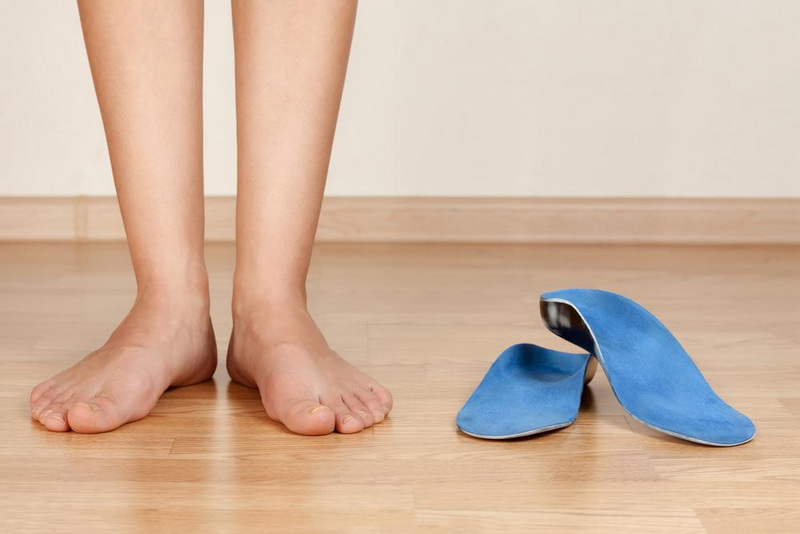
Modern innovations have significantly extended insole life and comfort. Manufacturers now employ smart engineering and biomechanical testing to improve structure and resilience.
High-density PU and dual-layer EVA foams are now engineered to offer shock absorption without losing flexibility. Some products incorporate layered compression zones to reduce localized wear.
Carbon fiber plates embedded in the arch or heel region maintain stability for over 18 months, even under demanding conditions.
Orthopedic insoles increasingly include anti-odor coatings and breathable perforations for fresher daily wear.
Recent prototypes include embedded sensors that measure walking patterns or pressure levels, helping medical professionals adjust orthotic prescriptions precisely.
The life expectancy of insoles is closely related to biomechanical performance. Proper orthopedic design redistributes pressure from high-impact points to larger foot areas. This reduces stress on joints and prevents fatigue.
Experts emphasize that every six to nine months, professional users—like athletes, medical staff, or factory workers—should have their gait re-evaluated. Overused insoles might alter walking posture, risking new injuries.
Not always. Price is linked to material sophistication and customization, but not all premium models outlast simpler ones. Proper maintenance can make mid-range insoles perform just as well.
False. Cushioning materials lose invisible elasticity over time, meaning comfort and biomechanical benefit can fade long before physical wear appears.
Never. Harsh washing cycles distort material shape and strip protective coatings.
By debunking these myths, users and retailers make smarter decisions and preserve product performance.
Orthopedic insoles have seen tremendous market demand worldwide due to aging populations, increased sports participation, and the rise in chronic foot conditions.
North America and Europe remain the largest consumers of orthopedic insoles for both retail and medical markets. Meanwhile, Asia-Pacific regions—especially China—are emerging as major manufacturing and export hubs for global insole brands.
As one of China's leading orthopedic insole manufacturers, we provide OEM and ODM services designed to help international brands outsource production cost-effectively while maintaining premium quality and design precision.
Our factory supports:
- 3D modeling and custom size design
- Branding and packaging integration
- Wide choices of eco-friendly or performance-grade materials
- Compliance with international testing standards
By combining traditional craftsmanship with automated CNC precision, we ensure consistent quality for bulk orders and specialized orthotic solutions.
Sustainability plays a key role in modern footwear components. Many global brands now demand recyclable or biodegradable materials.
Our production line includes recycled EVA formulations and water-based adhesives, reducing volatile emissions during manufacturing.
Organic cork and bamboo materials not only last long but are naturally antimicrobial and renewable, contributing to greener product portfolios.
By digitally mapping cut patterns, material waste is minimized, helping us meet global environmental protection goals without compromising durability.
Selecting the ideal orthopedic insole depends on your activity, body type, and comfort preferences.
Opt for high-density and shock-absorbing PU or dual-gel structures for enhanced rebound and arch recovery.
Lightweight memory foam or cork insoles ensure comfort during long sitting or standing periods.
Soft yet supportive designs with heel cupping stabilize gait and ease joint tension.
Heavy-duty carbon or reinforced PU layers improve standing endurance under load-bearing conditions.
Consulting a podiatrist for professional fitting is always recommended for long-term users.
1. Remove existing insoles and clean the shoe interior.
2. Place the new orthopedic insole flat, checking for heel-to-toe fit.
3. Trim edges carefully if necessary using a template or household scissors.
4. Insert and press evenly to avoid curling.
5. Test comfort by walking briefly; adjust if pressure points appear.
Replacing insoles correctly protects shoe structure and optimizes support efficiency.
Our strength as a Chinese OEM manufacturer lies in precision customization, professional consultation, and quality assurance. We collaborate closely with global footwear brands, sports equipment distributors, and medical rehabilitation suppliers to create value-based solutions.
Key advantages include:
- Modern molding and lamination facilities
- Skilled R&D team providing ergonomic customization
- Flexible bulk order capacity
- Strict quality testing before shipment
- Responsive service with on-time global delivery
By offering competitive pricing and tailored production support, we empower brand owners to expand in high-demand footwear and healthcare markets worldwide.
The lifespan of orthopedic insoles usually ranges from six months to two years, influenced by materials, activity level, and maintenance. While replacement schedules vary, proper cleaning, rotation, and correct usage can extend life considerably.
For brands and wholesale partners, sourcing from a professional OEM orthopedic insole manufacturer ensures consistent quality, flexibility, and long-lasting performance. Whether for sports, work, or medical needs, durable custom insoles deliver the best combination of functionality and comfort.
Our mission as a leading orthopedic insole manufacturer in China is to support international brands through advanced production technologies, sustainable materials, and outstanding customer service. Partner with us to develop orthopedic products that match your market's expectations in performance, style, and cost efficiency.

Most orthopedic insoles last between six months and two years, depending on frequency of use, weight, and upkeep quality.
They can, but it's better to dedicate one pair per shoe category to maintain form and prevent deformation.
Yes. Custom designs adjust perfectly to personal foot structure, optimizing comfort and reducing chronic pain or fatigue.
Through advanced machinery, controlled material blending, strict quality inspection, and adherence to international production standards.
Modern eco-materials like recycled EVA and cork provide equivalent durability with the added benefit of sustainability.


