
Language
Views: 222 Author: Edvo Publish Time: 2026-01-07 Origin: Site


Content Menu
● Understanding Orthotic Insoles
● Main Types of Orthotic Insoles
>> Over-the-Counter (OTC) Orthotic Insoles
● Key Factors That Influence the Cost of Orthotic Insoles
>> Manufacturing Technology and Quality Control
>> Brand Value and Distribution Channel
>> Regional and Logistic Factors
● Typical Price Range for Orthotic Insoles
● Why Custom Orthotics Are More Expensive
● OEM and Wholesale Opportunities in Orthotic Insoles
● Comparing Retail and OEM Manufacturing Costs
● Choosing the Right Orthotic Insoles for Your Market
● Technological Trends Shaping Orthotic Insole Costs
>> Anti-Microbial and Moisture Control Technology
● Cost Optimization Tips for Importers and Brands
● The Global Market for Orthotic Insoles
● Understanding Customer Expectations
● FAQ
>> 1. What is the difference between custom orthotics and over-the-counter insoles?
>> 2. How long do orthotic insoles typically last?
>> 3. Are orthotic insoles worth the investment?
>> 4. Can orthotic insoles be cleaned or maintained easily?
>> 5. Can manufacturers customize orthotic insoles for my brand?
Orthotic insoles have become an increasingly vital accessory for enhancing comfort, improving posture, and addressing a wide range of foot conditions. Whether someone experiences heel pain, flat feet, or simply wants extra cushioning for daily wear, orthotic insoles offer an effective and preventive solution.
However, one of the most common questions among both consumers and business buyers is: how much do orthotic insoles actually cost? The answer depends on various factors, including type, materials, production methods, and personalization level. For global importers and footwear brands, understanding these pricing structures is essential to making informed procurement and marketing decisions.
This article thoroughly explores the cost of orthotic insoles, from over-the-counter products to custom medical-grade versions, while offering professional insight into OEM and wholesale sourcing opportunities from China—one of the world's largest manufacturing centers for insole products.
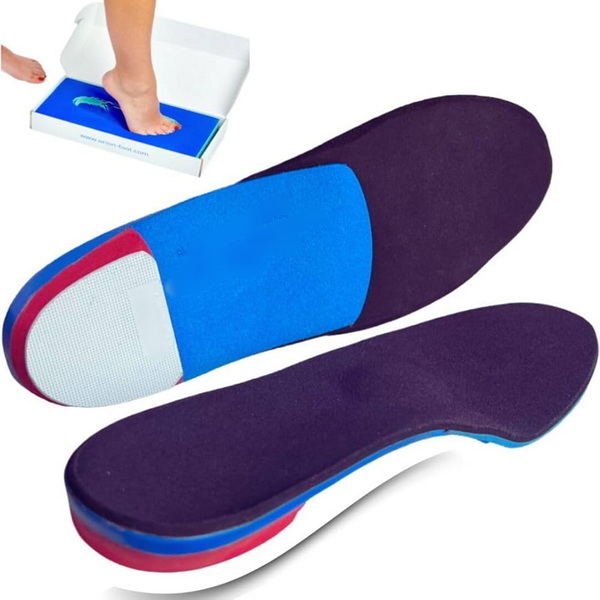
Orthotic insoles, often referred to as orthotic inserts or shoe inserts, are supportive footbeds designed to enhance the functionality of shoes. They distribute pressure evenly, reduce impact, and correct imbalances that cause discomfort or pain.
These insoles play different roles depending on user needs:
- Comfort insoles provide general cushioning and shock absorption.
- Support insoles help stabilize the foot structure and assist in maintaining proper alignment.
- Corrective orthotics directly address biomechanics, such as overpronation, underpronation, or arch height discrepancies.
At their core, orthotic insoles aim to make walking and standing less tiring while protecting joints and soft tissues from overstrain—a particularly valuable feature for workers, athletes, and individuals who spend long hours on their feet.
The orthotic insole market can be broadly divided into two main categories, each influencing overall cost and user application.
These insoles are pre-manufactured in standard sizes and shapes. They offer a convenient, affordable solution for people seeking moderate comfort or mild foot support. OTC insoles are sold widely in retail stores and online marketplaces, typically costing far less than custom versions.
OTC insoles often include cushioning zones or pre-molded arch support but are not tailored to an individual's precise foot structure.
Custom orthotics are made through a personalized process that involves foot scanning, molding, and lab manufacturing. They focus on medical or targeted biomechanical correction—common among patients with chronic conditions such as plantar fasciitis, bunions, or diabetic neuropathy.
Because they require professional input, high-end materials, and specialized production, custom orthotics naturally cost more. However, they also deliver longer-lasting, more precise results and can significantly enhance walking comfort and orthopedic health.
Several core factors determine how much orthotic insoles cost, from raw materials to branding and sales channels. Understanding each factor helps businesses and end-users align their expectations with functionality and budget.
Material quality affects comfort, durability, and pricing. The most common options include:
- EVA (Ethylene Vinyl Acetate): Lightweight and cost-effective, suitable for both sports and casual use.
- PU (Polyurethane) Foam: Denser and longer-lasting than EVA, ideal for heavy-duty use or work shoes.
- Gel and Silicone Components: Provide high shock absorption for medical and athletic applications.
- Leather and Cork: Offer breathability and natural support, often used in premium orthopedic models.
- Carbon Fiber or Thermoplastic: Used for high-rigidity orthotics that require precise structural correction.
In most cases, the more advanced and durable the material, the higher the cost.
Mass-produced insoles follow a generic size model, while custom orthotics involve digital scanning or mold impressions. Customization significantly increases production time and requires specialized equipment, driving higher prices.
For example, a podiatrist's assessment and 3D mold may cost several hundred dollars before manufacturing even begins. By contrast, prefabricated models from OEM factories in Asia can be priced under ten dollars per pair when ordered in bulk.
The complexity of production also affects cost. High-end orthotics rely on CAD modeling, CNC cutting, and layered material bonding that ensure precision and durability. Manual quality inspection, wear testing, and antimicrobial coating also raise the production cost per unit.
Factories that maintain strict quality certification, such as ISO or CE compliance, often charge slightly more but deliver consistent performance and reliability.
Brand reputation can dramatically influence retail pricing. Large international brands often mark up the price to cover marketing, packaging, and retail positioning costs. A brand-name insole may sell for three to five times more than a private-label equivalent with similar materials.
For distributors sourcing directly from manufacturers, bypassing brand premiums can significantly reduce costs while maintaining competitive quality levels.
Production location affects both material procurement and labor cost. Asian factories—especially in China, Vietnam, and Indonesia—generally offer lower manufacturing costs due to industrial-scale operation. Freight charges, tariffs, and import regulations may add to total cost, but these are often offset by strong OEM capabilities and economies of scale.
Let's explore general market pricing according to product type and functionality:
| Type of Insole | Application | Price Range (USD) |
|---|---|---|
| Basic Foam Insoles | Everyday comfort | 10 – 25 |
| Gel or Silicone Insoles | Sports and work shoes | 20 – 40 |
| Semi-Custom Orthotics | Pre-molded for arch support | 40 – 80 |
| Premium Custom Orthotics | Podiatrist-made | 200 – 800 |
| Specialized Medical Orthotics | Diabetic or post-surgery use | 300 – 1000 |
Wholesale factory prices for bulk OEM production are much lower. Simple EVA insoles can cost between $2 and $10 per pair, while customized designs or dual-density orthopedic versions usually range from $15 to $50, depending on volume and material.
The pricing gap between retail OTC insoles and custom orthotics lies in the personalized process. Custom orthotics address specific medical needs rather than general comfort. They involve:
- Medical evaluation or gait analysis.
- 3D imaging or plaster molding.
- Laboratory customization based on individual data.
- Use of advanced, high-resilience materials.
Professional follow-up service, adjustment, and replacement guarantees can also be included, further increasing cost. Essentially, the higher price reflects specialized craftsmanship and medical precision.
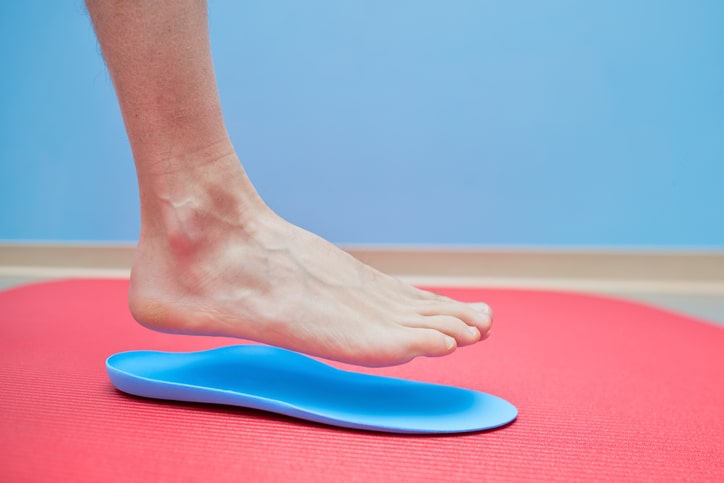
China has become the center of OEM and ODM production for orthotic insoles globally. Manufacturers here combine material innovation, automation, and design flexibility, enabling cost-efficient large-scale production for foreign brands.
For footwear companies, wholesalers, or health-product distributors, collaborating with a Chinese OEM supplier provides several benefits:
1. Flexible Customization: From design shape to packaging and logos.
2. Competitive Pricing: Leveraging lower production costs and efficient supply chains.
3. Scalable Production: Ideal for brand launches or steady supply contracts.
4. Stable Quality Management: Mature technology ensures consistency across batches.
5. Material Variety: Wide access to sustainable and advanced polymers, foam compounds, and recycled materials.
MOQ (Minimum Order Quantity) for OEM projects generally starts from 500 to 2000 pairs per design, depending on customization complexity.
| Aspect | Retail Purchase | OEM / Factory Direct |
|---|---|---|
| Price per Pair | 50 – 300 | 2 – 50 |
| Level of Customization | Limited | Fully adjustable |
| Branding Options | Fixed | Custom packaging and logo |
| Control Over Design | Minimal | Full creative input |
| Long-Term Cost Efficiency | Lower for small users | Higher for brands and wholesalers |
By choosing OEM manufacturing, international buyers reduce costs across the distribution chain while retaining full control over branding strategy and quality assurance.
The ideal orthotic insole depends on both user profile and product positioning. Consider the following selection factors:
- Target Segment: Determine whether the end users are athletes, medical patients, or general consumers.
- Comfort vs. Correction: Identify if the product is meant for simple cushioning or medical-grade correction.
- Material Quality: Choose based on durability, weight, and moisture resistance.
- Production Flexibility: Ensure design adaptability for different shoe categories.
- Brand Strategy: Price positioning and marketing narrative should align with your brand's performance image.
Balancing cost, function, and brand identity enables manufacturers and distributors to capture both mainstream and premium market segments effectively.
Emerging technologies are influencing both manufacturing efficiency and product value.
3D foot scanning and pressure mapping allow precision shaping, reducing manual labor while improving accuracy. As digital systems become widespread, customization costs are gradually falling.
Integration of sensors for step tracking, pressure analysis, or gait correction adds electronic value to orthotics. While still expensive, these are likely to become mainstream offerings over the next few years.
With sustainability gaining attention, many brands now invest in recycled EVA, biodegradable foams, or natural cork and bamboo composites. Though initial costs are higher, environmentally conscious consumers often justify the price premium.
Hygiene-enhancing coatings such as silver ion layers or breathable fabrics are now standard in premium insoles. These innovations slightly raise cost but greatly improve comfort and health perception.
For businesses sourcing orthotic insoles internationally, cost efficiency can be maximized through careful planning and collaboration. Here are proven cost-saving strategies:
1. Volume-Based Discounts: Bulk orders significantly lower per-unit cost.
2. Consolidated Freight Shipping: Combine multiple orders to save on international logistics.
3. Smart Material Substitution: Choose materials that balance function with price, such as EVA-PU hybrids.
4. Collaborative Product Development: Work directly with factory engineers to fine-tune models before mass production.
5. Packaging Efficiency: Lightweight, recyclable packaging reduces shipping weight and supports sustainability goals.
6. Quality Consistency Checks: Stable quality lowers long-term warranty or return costs, protecting brand reputation.
These methods ensure maximum value throughout the product lifecycle.
According to recent trade data and industry trends, the global orthotic insole market continues to grow, driven by rising consumer awareness and lifestyle-related foot issues. The combination of aging populations, athletic footwear expansion, and ergonomic product design is boosting demand across North America, Europe, and Asia.
Private-label customization is particularly expanding among small to mid-size brands that outsource production to Asian suppliers. This trend allows them to introduce clinic-level products at affordable prices, bridging the gap between comfort insoles and medical orthotics.
Modern consumers seek comfort, durability, and eco-responsibility. Price alone is no longer the sole purchasing factor. A successful orthotic insole brand must deliver:
- Tangible relief and support benefits.
- Long-lasting cushioning with breathable design.
- Aesthetic appeal that complements multiple shoe styles.
- Sustainable or recyclable materials.
Delivering on these expectations ensures higher brand loyalty and repeat purchases, even if the cost is slightly above generic models.
The cost of orthotic insoles varies widely depending on material quality, customization, manufacturing method, and target market. From mass-produced EVA foam insoles priced under ten dollars to medical-grade custom orthotics exceeding several hundred, the price reflects the complexity and performance of each product type.
For business buyers, OEM and private-label production from Chinese manufacturers offer a golden opportunity to balance cost efficiency and superior quality. Whether developing a new footwear line or expanding a medical accessory portfolio, choosing the right partner and material combination determines long-term market competitiveness.
Ultimately, orthotic insoles represent more than a comfort accessory—they are a health investment, improving mobility, posture, and lifestyle quality for millions of users worldwide.
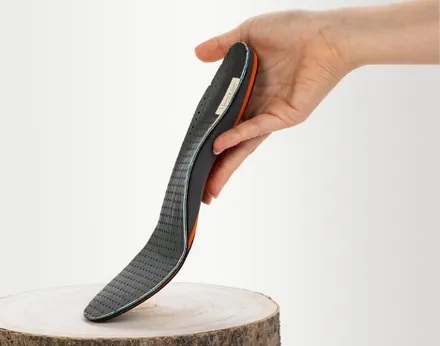
Custom orthotics are individually designed based on 3D measurements or molds to correct specific biomechanical conditions, while over-the-counter insoles are generically shaped to fit a broad population and mainly provide comfort.
The average lifespan of orthotic insoles ranges from one to three years, depending on material quality, usage habits, and user weight. Replace them once cushions flatten or support weakens.
Yes. They improve body alignment, relieve chronic pain, and reduce fatigue. For those experiencing foot or joint discomfort, the benefits outweigh the cost, especially over time.
Yes. Most models can be wiped clean with mild soap and air-dried. Avoid excessive heat, which can warp foam or gel layers. Regular cleaning maintains hygiene and extends lifespan.
Absolutely. Many OEM factories in China specialize in custom branding, design, material composition, and packaging solutions for international partners seeking private-label insoles.


