
Language
Views: 222 Author: Edvo Publish Time: 2025-10-16 Origin: Site


Content Menu
● Understanding Arch Support Insoles
● Step-by-Step: How to Adjust Your Feet to Arch Support Insoles
>> Step 1: Start Slowly and Progress Gradually
>> Step 2: Check Shoe Compatibility
>> Step 3: Identify and Manage Initial Discomfort
>> Step 4: Strengthen and Stretch Your Feet
>> Step 5: Monitor Body Posture and Alignment
● Common Challenges When Adjusting to Insoles
>> Feeling Pressure in the Arch Area
● Recommended Timeline for Adjustment
● Maintaining Your Arch Support Insoles Long-Term
● Practical Tips for Faster Adaptation
>> Choose Insoles Based on Arch Type
>> Maintain Consistent Routine
>> Combine With Whole-Body Care
● When to Consult a Professional
● Advantages of Proper Adaptation
● FAQs: Common Questions About Arch Support Insoles
>> 1. How long does it take to get used to arch support insoles?
>> 2. Should I wear arch support insoles all day?
>> 4. Do I need custom orthotics or standard insoles?
>> 5. How do I ensure a proper fit?
Arch support insoles are more than simple footwear accessories—they are a powerful tool for improving foot health, relieving chronic discomfort, and enhancing body alignment. Many people experience pain from flat feet, plantar fasciitis, or poor posture without realizing that such issues often begin at the foundation: their arches. Knowing how to properly adjust your feet to arch support insoles helps you prevent these problems and enjoy a more comfortable walking experience.
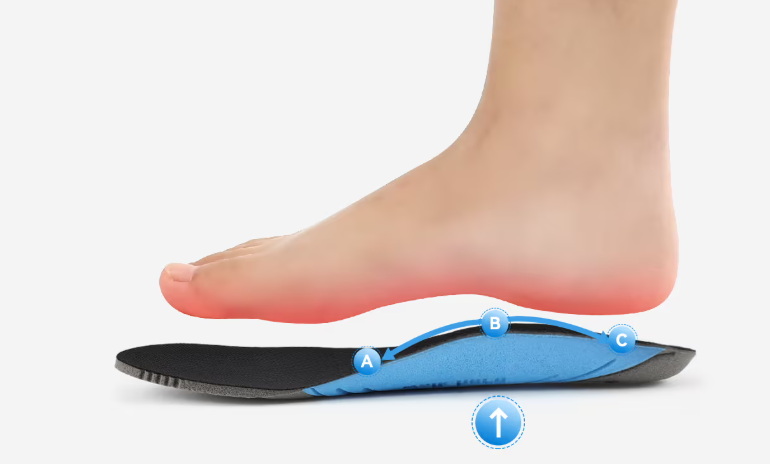
Arch support insoles are designed to mirror the natural shape of your foot, redistributing pressure evenly across the heel, midfoot, and forefoot. They stabilize your stride and absorb impact, which reduces strain on joints and muscles.
- Heel and arch pain from long standing or walking
- Reduction in plantar fasciitis symptoms
- Support for flat feet or fallen arches
- Improved posture for better balance
- Enhanced athletic performance through proper alignment
Insoles come in different materials such as foam, gel, and cork. Foam provides cushioning, gel absorbs shock, while cork offers firm support. The ideal choice depends on your activity level and shoe style.
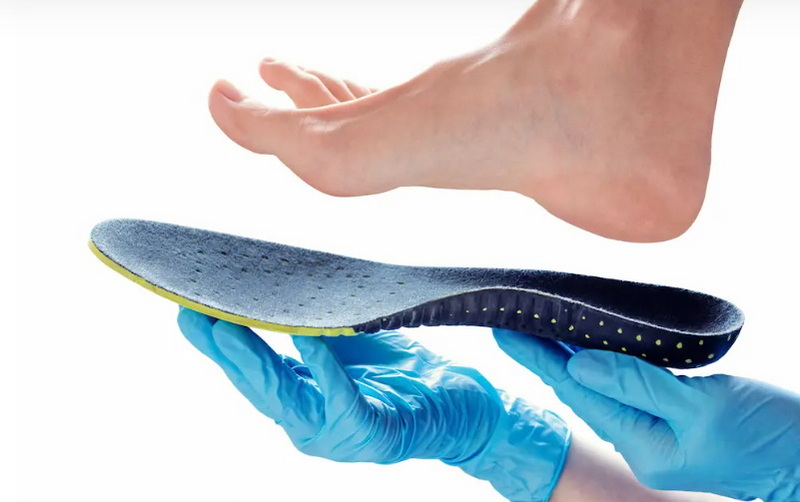
When you begin wearing arch support insoles, your feet need time to adjust to the new level of support. Start by wearing them for just one to two hours per day. Gradually increase the time over several days. This slow progression allows your muscles and joints to adapt without strain or fatigue.
During the first few sessions, you might notice slight discomfort or tightness in the arch area. This is completely normal. It means your muscles are realigning to their natural position. Give them time to strengthen.
Not all shoes are designed to accommodate insoles. A tight-fitting shoe might compress the insert and cause discomfort, while a loose shoe reduces support stability. Before inserting your insoles, remove the existing footbeds to create enough space. Ideally, your shoe should have a deep heel cup and flexible upper section to maintain balance.
It's common to feel muscle soreness during the first few days. This happens because the insoles engage muscles that may have been underused before. Use short walking intervals and take breaks as needed. If discomfort becomes sharp or lasts longer than two weeks, reassess your insole type or consult a podiatrist.
You can use mild stretching routines or a warm soak to ease tension after daily wear. Over time, your body will adjust naturally.
Complement insole use with simple exercises that activate your foot and ankle muscles:
- Toe curls: Place a towel on the floor and use your toes to pull it toward you.
- Heel raises: Stand on your tiptoes for several seconds, then lower slowly.
- Foot rolling: Massage your arch by rolling a tennis ball under it for one minute per foot.
These routines not only accelerate adaptation but also improve long-term foot resilience.
Arch support insoles influence your entire kinetic chain, meaning they affect how your knees, hips, and spine align. As you wear them, notice subtle improvements in your stance and walking posture. Proper foot alignment often reduces knee strain and back tension, making daily movement more fluid and natural.
At first, your arches may feel elevated or firm. This sensation fades as your muscles strengthen. Ensure the insole's curvature matches your foot shape; neither too raised nor too flat.
If your heel moves while walking, tighten your shoe laces slightly or use heel grips for added stability. Proper heel positioning ensures balanced pressure distribution.
This can happen if insoles are slightly oversized or misaligned. You can trim them carefully along the edges for a precise fit.
Your feet may work harder during the adjustment stage. Rest days between extended wear sessions can help mitigate fatigue.
Learning to notice these early signs prevents discomfort and helps you transition smoothly.
| Timeframe | What To Expect | Tips |
|---|---|---|
| Days 1–3 | Mild tightness or arch pressure | Wear 1–2 hours daily |
| Days 4–7 | Muscles start adapting | Add stretching routines |
| Week 2 | Improved balance and support | Increase wear time |
| Week 3+ | Feet fully adjusted | Daily cleaning and rotation recommended |
By the third week, most users report enhanced walking comfort and reduced fatigue even during long periods of standing.
Use mild soap and water to clean your insoles weekly. Always air-dry them completely to prevent bacterial buildup. Avoid machine washing or exposure to direct heat sources.
If you wear insoles daily, consider using multiple pairs to extend their lifespan. This also helps keep them fresh and supportive.
Insoles typically last 6–12 months depending on activity level. Replace them once you feel diminished cushioning or notice visible wear signs such as cracked edges or compressed arches.
Shoes with removable insoles, stable soles, and sufficient depth in the heel cup provide the best compatibility. This ensures the insoles sit firmly and function optimally.
Feet generally fall into three categories: low, neutral, and high arches. Selecting insoles tailored to your arch type guarantees superior comfort and longevity.
Opt for moisture-wicking socks that reduce friction and prevent sweat buildup. Smooth-knit socks allow insoles to contour perfectly under your feet.
Regular daily wear versus irregular use improves muscle memory and ensures better long-term adaptation. Consistency is key for lasting foot health.
If standard insoles fail to provide comfort or correction, custom orthotics are a worthwhile upgrade. They are molded to your exact foot structure for maximum support and reduction in pressure points.
Using insoles works best as part of a holistic approach—stretch your legs, maintain proper posture, and avoid overly worn footwear. Balance all aspects of body support for effective results.
If persistent pain occurs even after several weeks of use, consult a podiatrist. You might need a specific insole design or have other conditions such as plantar fasciitis or metatarsalgia requiring medical guidance. Professionals can analyze your gait using pressure-mapping tools, ensuring precise recommendations suited to your feet.
Adjusting well to arch support insoles offers benefits that extend beyond foot comfort:
- Enhanced energy efficiency while walking or running
- Reduction in ankle rolling or unstable steps
- Better shock absorption during high-impact activities
- Less lower back strain due to improved alignment
- Increased endurance, especially in sports or standing professions
When your feet are well-supported, your entire body feels the improvement. Foot balance translates to joint stability and muscular harmony.
Adapting to arch support insoles takes patience but provides great rewards. Gradual adjustment, attention to comfort, and consistent wear are essential for achieving long-term results. These insoles guide your feet to their natural posture, relieve pain, and promote healthier movement.
By understanding your body's needs, checking shoe compatibility, and practicing strengthening routines, you empower yourself to enjoy daily motion with freedom and balance. Over time, proper arch support becomes not just an accessory—it becomes a lifestyle change for better comfort and confidence.
Give your feet time to adjust, and they'll thank you with lasting relief and improved performance.
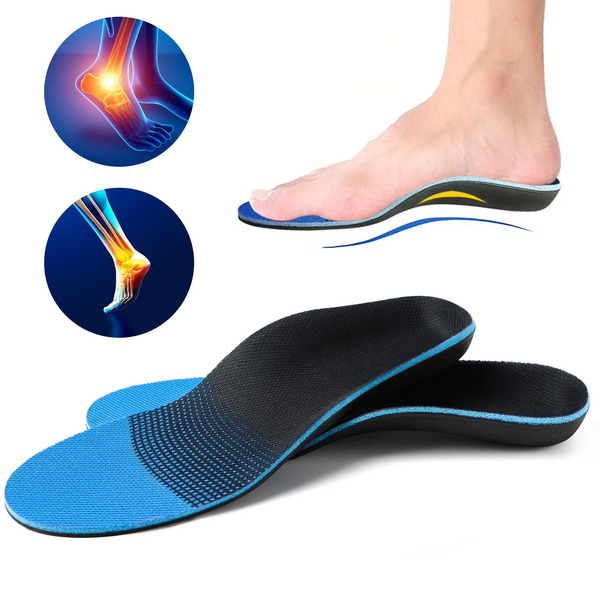
Most users adjust within two to three weeks. The first few days may involve mild discomfort, but regular wear improves comfort and stability.
Once your feet adapt, wearing them throughout the day offers continuous comfort and protection, but start gradually to avoid muscle fatigue.
Initial soreness is common due to muscle activation. Persistent or sharp pain may indicate improper sizing or an unsuitable arch shape.
Standard insoles work for moderate support needs. For complex conditions or chronic pain, custom orthotics designed by a professional are recommended.
Your arches should feel supported without excessive pressure. Heels must sit securely without slipping, and the insoles should align closely with your shoe contour.


