
Language
Views: 222 Author: Amanda Publish Time: 2025-09-02 Origin: Site


Content Menu
● Why Proper Cleaning of Orthotic Inserts Matters
● What You Need to Clean Orthotic Inserts
● Step-by-Step Guide: How to Clean Orthotic Inserts
>> 1. Remove the Orthotic Inserts from Shoes
>> 2. Prepare a Cleaning Solution
>> 3. Gently Scrub the Surface
>> 4. Wipe Down with a Damp Cloth
>> 5. Use Baking Soda for Odor Control (Optional)
● Important Tips and Precautions
● Daily Maintenance for Orthotic Inserts
● Weekly and Monthly Deep Cleaning
● How to Dry Orthotic Inserts Properly
● Dealing with Persistent Odors
● How to Store Orthotic Inserts When Not in Use
● How to Handle Different Types of Orthotic Inserts
● Signs Your Orthotic Inserts Need Replacement
● FAQs
>> 1. How often should I clean my orthotic inserts?
>> 2. Can I use harsh detergents or bleach to clean orthotics?
>> 3. Is it safe to put orthotic inserts in the washing machine?
>> 4. How do I dry my orthotic inserts after cleaning?
>> 5. What should I do if my orthotic inserts smell bad?
Orthotic inserts are essential medical devices designed to provide support, improve foot function, and alleviate pain. Whether prescribed by a podiatrist or purchased over-the-counter, maintaining clean orthotic inserts is crucial for their durability, effectiveness, and hygiene. This comprehensive guide will walk you through how to clean orthotic inserts properly, provide tips on daily and weekly care, and answer frequently asked questions to help you get the best performance from your inserts.
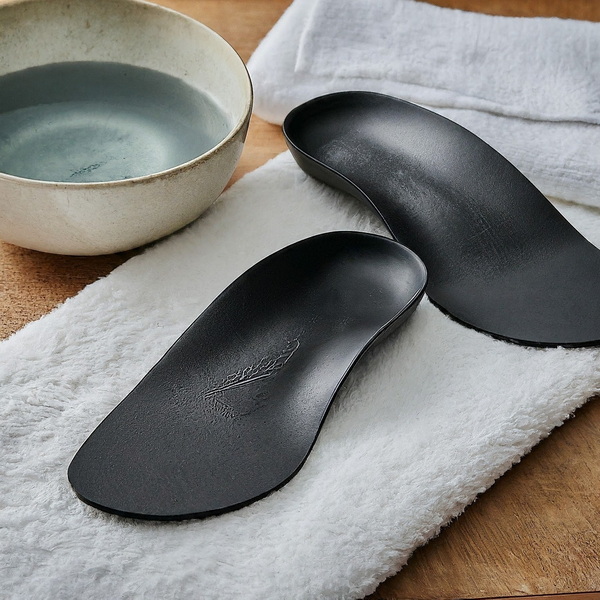
Orthotic inserts come into direct contact with your feet, absorbing sweat, dirt, and oils daily. Without proper cleaning, inserts can develop unpleasant odors, harbor bacteria or fungi, and deteriorate prematurely. Regular and correct cleaning not only keeps them fresh and hygienic but also extends their lifespan, ensuring the continued support and comfort your feet need.
Maintaining cleanliness prevents fungal infections such as athlete's foot, which can arise from prolonged exposure to damp, dirty inserts. Furthermore, clean orthotic inserts feel more comfortable underfoot and minimize skin irritation.
Cleaning orthotic inserts requires simple, gentle materials to avoid damaging their structure:
- Mild soap or gentle detergent
- Lukewarm water
- Soft-bristle brush (such as an old toothbrush)
- Soft cloth or sponge
- Baking soda (for odor control)
- Deodorizing sprays formulated for footwear (optional)
- Clean dry towels
- A well-ventilated area for air drying
Using harsh chemicals, bleach, or abrasive materials can weaken the insert's materials, causing loss of support and shortening their lifespan. Always opt for gentle cleaning agents.
Start by carefully removing your orthotic inserts from your footwear. This allows you to clean them thoroughly without damaging the shoes. Removal also makes drying more effective.
Mix lukewarm water with a small amount of mild soap or detergent in a bowl. Avoid strong chemicals or bleach, as these can degrade the materials of the inserts. Lukewarm water helps dissolve oils and sweat without shocking the material.
Using a soft-bristle brush or sponge dipped lightly in the soapy solution, gently scrub the surface of the inserts. Pay close attention to areas that accumulate more dirt or sweat, but avoid saturating the inserts with water. Focus on removing surface grime without soaking.
For fabric or foam parts, gentle scrubbing loosens embedded dirt, while hard parts like plastic shells need careful wiping to avoid scratches.
After scrubbing, wipe the inserts with a clean, damp cloth to remove soap residue. Excess soap can irritate skin or degrade the insert material if left on.
Make sure no soap lathers remain, as residual detergent may cause skin irritation or a sticky surface on the inserts.
For odor elimination, sprinkle baking soda on the inserts and let it sit overnight. The baking soda absorbs moisture and neutralizes odors. Brush off any residue in the morning before use.
Baking soda is a gentle, natural deodorizer that does not contain harsh chemicals, making it ideal for frequent use.
Place the orthotic inserts on a flat surface in a well-ventilated area to dry naturally. Avoid direct sunlight or heat sources like radiators or hairdryers, as heat can warp the shape and reduce the structural integrity of the inserts.
It's crucial that the inserts dry thoroughly to prevent mold growth and material breakdown. Depending on humidity, drying may take several hours to overnight.
- Do not machine wash or dry orthotic inserts. The agitation and heat can deform or damage the inserts permanently.
- Avoid soaking inserts in water. Excess moisture can damage adhesives and materials. Prolonged soaking may cause delamination.
- Inspect your inserts regularly. Look for signs of wear such as cracks, tears, or thinning, which indicate the need for replacement.
- Rotate multiple pairs of inserts if possible. This will help extend their life by reducing wear on a single pair.
- Use orthotic-specific deodorizing sprays. These sprays help keep inserts fresh without damaging the material.
- Leather components should be conditioned occasionally with suitable leather conditioners to prevent drying and cracking.
- Avoid exposing orthotic inserts to extreme temperatures, including leaving them in a hot car, which can deform their shape.
- Always follow the manufacturer's instructions tailored to your specific orthotic insert model.
Maintaining orthotic inserts daily ensures their long-term effectiveness:
- Remove inserts from shoes at the end of each day to air them out and reduce moisture buildup.
- Wipe down with a damp cloth if you notice surface dirt.
- Use a deodorizing spray once a week or sprinkle baking soda overnight for odor control.
- Avoid using harsh chemicals or excessive water during daily cleaning.
- Allow the inserts to dry completely before reinserting them into your shoes.
Daily airing reduces the buildup of sweat and bacteria, which leads to unpleasant odors and faster wear.
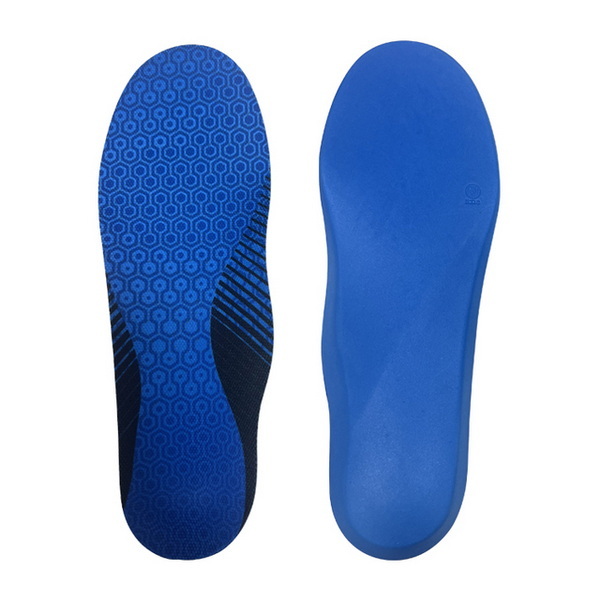
Deep cleaning is essential for hygiene and material maintenance:
- Once a week, perform a more thorough cleaning using the mild soap and water method described above.
- Spot treat stains or stubborn dirt with a soft brush.
- Rinse off any cleaning residues gently with a damp cloth.
- Allow complete air drying in a ventilated area.
- Rotate multiple pairs of inserts if you have spares, to give each pair a break and ensure thorough drying.
Monthly, inspect the inserts for damage or loss of cushioning and consider professional advice if you suspect reduced effectiveness.
Proper drying is crucial to avoid mold and shape distortion:
- After cleaning, pat the inserts dry with a soft towel to remove surface moisture.
- Lay the inserts flat to dry naturally in an airy, shaded location.
- Avoid direct heat or sunlight exposure.
- Do not place inserts back in shoes until fully dry to prevent mold growth and damage.
Drying in a shaded spot avoids ultraviolet damage which can degrade plastic and foam materials.
If your orthotic inserts develop stubborn odors despite regular cleaning:
- Use baking soda overnight as a natural deodorizer.
- Lightly spray with a specialized shoe insert deodorizing spray.
- Apply diluted white vinegar or hydrogen peroxide cautiously for their antibacterial properties, followed by thorough drying.
- Replace the inserts if odors persist despite cleaning, as this can indicate deep material degradation or bacteria buildup.
Persistent odor may be a sign that moisture and bacteria have compromised internal material layers where cleaning can't reach.
Proper storage extends the life of orthotic inserts when they are not in use:
- Store in a cool, dry place away from direct sunlight or heat sources.
- Keep them in a breathable fabric pouch or box to avoid dust accumulation.
- Ensure the inserts are clean and dry before storing.
- Avoid storing inserts compressed under heavy items to maintain shape.
Good storage practices prevent moisture retention and physical deformation.
Orthotic inserts vary by material and design, and cleaning methods can be adjusted accordingly:
- Foam-Based Inserts: Use mild soap and minimal water. Avoid soaking as foam absorbs water.
- Plastic or Hard Shell Inserts: Can tolerate gentle scrubbing but avoid abrasive materials that can scratch.
- Leather-Top Inserts: Clean the leather parts with leather cleaner and conditioner, avoiding excess water.
- Gel Inserts: Typically durable but should be gently cleaned and thoroughly dried to maintain cushioning.
Always check any care instructions specific to your orthotic insert model.
Properly cared-for orthotic inserts can last many months, but eventually wear out:
- Noticeable decrease in support and comfort.
- Visible cracks, tears, or material thinning.
- Persistent unpleasant odor.
- Deformation or loss of shape.
- Chronic foot discomfort when using inserts.
Replacing inserts timely helps avoid potential injury or increased foot pain, ensuring continued foot health.
Keeping orthotic inserts clean and well-maintained is vital for your foot health and the longevity of the inserts themselves. Regular cleaning with mild soap and water, careful drying, and using deodorizing methods help preserve their integrity, prevent odors, and support healthy feet. Avoid harsh chemicals, excessive moisture, and heat exposure to protect the orthotic inserts' shape and function. Investing time in proper care ensures that orthotic inserts continue providing the comfort and support your feet need every day.

Clean your orthotic inserts lightly on a daily basis and perform a deep clean once a week to maintain hygiene and effectiveness.
No, harsh chemicals can damage the materials. Use only mild soap or detergent for cleaning.
No, machine washing can deform and damage the inserts. Hand-cleaning is the safest method.
Pat dry with a towel and air dry in a well-ventilated area away from direct heat or sunlight.
Try baking soda overnight, deodorizing sprays, or light vinegar spray. If odor persists, consider replacing the inserts.
[1](https://www.vionicshoes.com/blog/how-to-clean-orthotics/)
[2](https://care-med.ca/how-do-i-take-care-of-my-custom-shoe-inserts/)
[3](https://www.canyonfootankle.com/library/insole-maintenance-recommendations-orthotics-care.cfm)
[4](https://www.upstep.com/a/answers/orthotics/should-you-clean-your-orthotics)
[5](https://evolveprosthetics.com/how-to-care-for-custom-shoe-inserts/)
[6](https://pcssole.com/blogs/blog/what-is-the-best-way-to-clean-and-maintain-shoe-insoles)
[7](https://www.pongratzop.com/blog/how-to-clean-orthotics/)
[8](https://columbiapodiatryllc.com/how-to-keep-shoe-inserts-orthotics-fresh/)
[9](https://www.podexpert.com/en/blog-comfort-orthopedic-sole-how-to-clean-pxl-153_172_207.html)
[10](https://www.nth.nhs.uk/resources/insoles-wear-and-care-information/)
[11](https://treadlabs.com/blogs/insoles-reach-your-stride/how-to-clean-shoe-insoles-essential-care-guide)
[12](https://www.dorsethealthcare.nhs.uk/our-services-and-sites/physical-health/orthotics-insoles-braces-and-supports/guide-your-insoles)
[13](https://www.youtube.com/watch?v=4Yvp28vKiRQ)
[14](https://orthoticshop.com/blog_new/how-to-properly-care-for-your-orthotic-shoes-and-insoles/?setCurrencyId=1)
[15](https://www.medi.de/en/faq/foot-orthotics/care/)
[16](https://pedorthic.ca/break-custom-foot-orthotics-pedorthic-tips-tricks/)
[17](https://www.bioped.com/blog/can-i-wash-my-orthotics-and-still-maintain-their-effectiveness/)
[18](https://cadenceinsoles.com/pages/how-to-clean-your-shoes-and-insoles)
[19](https://www.youtube.com/watch?v=RPaGKuMHpq4)


