
Language
Views: 222 Author: Edvo Publish Time: 2026-01-03 Origin: Site


Content Menu
● Why Orthotic Inserts Deteriorate Over Time
● Visible and Physical Signs Your Orthotic Inserts Have Gone Bad
>> 1. Cracks, Wear, or Flattening
>> 2. Unpleasant Odor and Discoloration
>> 6. Audible Squeaking or Movement
● How Long Orthotic Inserts Typically Last
● Practical Tests To Check If Orthotics Still Work
● Extended Tips To Prolong Orthotic Insert Life
● The Importance of Replacing Orthotics on Time
● When To Seek Professional Help
● Custom vs. Prefabricated Orthotic Inserts
● How To Properly Dispose of Old Orthotic Inserts
● Lifestyle Habits That Support Orthotic Effectiveness
● FAQ
>> 1. How long should orthotic inserts last with daily use?
>> 2. Why do my orthotics squeak inside my shoes?
>> 3. Can orthotics fix flat feet permanently?
>> 4. How do I know if my orthotics still fit well after gaining or losing weight?
>> 5. What's the best way to clean orthotic inserts safely?
Comfortable, supportive footwear is essential for maintaining foot health—and orthotic inserts play a crucial role in that comfort. Whether you're an athlete, a worker who stands for long hours, or simply someone managing foot pain, orthotics can make a tremendous difference in posture, performance, and overall well-being.
However, even the best orthotic inserts aren't meant to last forever. Over time, they lose their structural integrity, cushioning, and corrective properties. Learning how to know if orthotic inserts go bad helps you replace them before discomfort or injury arises. This article explains the key signs, causes, lifespan, and maintenance tips to ensure your orthotics continue to provide optimal support.
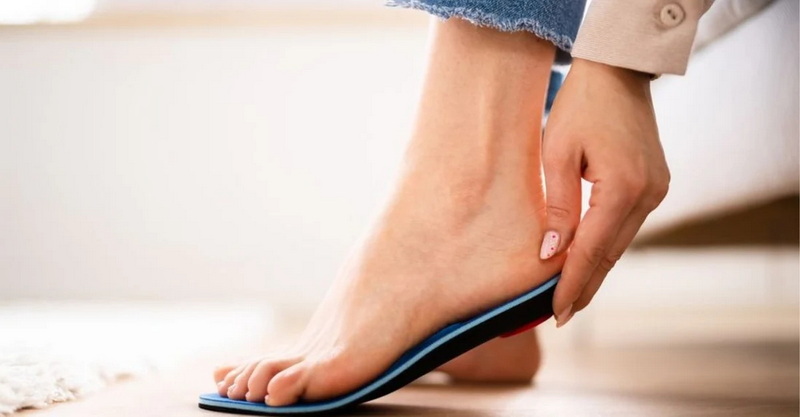
Orthotic inserts, often just called orthotics, are precisely engineered shoe inserts designed to align and support the foot's natural structure. They are either prefabricated (ready-made) or custom-made based on molds of your feet.
Their main functions include:
- Correcting abnormal walking patterns.
- Supporting arches and relieving pressure points.
- Reducing pain in the feet, knees, hips, and lower back.
- Distributing body weight evenly to prevent strain and fatigue.
Orthotic inserts can be constructed from several materials including EVA foam, gel, cork, leather, or carbon fiber composites. Custom orthotics often combine multiple materials to meet a wearer's specific medical or comfort needs. Because these materials compress, stretch, and degrade with time, regular inspection and timely replacement are necessary to maintain performance.
Even the highest-quality devices degrade after continuous use. Every step you take puts pressure on the inserts, wearing away their structural integrity bit by bit. Several factors accelerate this natural process:
- Constant Mechanical Stress: Daily walking, running, or standing results in repeated compression of the insert's cushioning.
- Body Weight Impact: Individuals with higher body weight exert more pressure on orthotics, which shortens lifespan.
- Moisture Exposure: Sweat, humidity, and damp environments can break down adhesives and foam layers.
- Improper Maintenance: Failing to air-dry inserts or clean them regularly leads to bacterial buildup and odor.
- Heat and Environmental Conditions: Storing shoes in hot or humid spaces can cause warping or material softening.
- Poorly Fitted Shoes: Tight or ill-fitting shoes put friction on orthotics, accelerating the wear of surface materials.
Understanding these causes helps you adopt preventive care steps that extend the product's lifecycle and protect your investment.
Spotting early signs of deterioration ensures you replace worn-out orthotics before they harm your feet. Here are the most common indicators:
Material distortion is the clearest sign of aging orthotics. You may notice that the shape has flattened, the top layer is peeling, or cracks are forming. Flattening means the insert no longer provides sufficient arch or heel support.
Persistent smell or dark stains on the surface often suggest bacterial accumulation. This can occur after months of sweat absorption without proper drying, making the inserts unhygienic to use.
When orthotics no longer feel “cushioned” or you experience aches after short use, it indicates the foam core or gel layer has lost its resilience. Instead of absorbing shock, the insert simply compresses under pressure.
If your shoes begin feeling tight in one area but loose in another, or you notice asymmetrical shoe wear, it's likely your inserts have become misaligned or deformed.
Pain symptoms such as heel spurs, plantar fasciitis, arch pressure, or shin splints that reappear typically indicate the orthotics are no longer correcting your alignment properly.
Sometimes worn inserts shift or rub inside your shoes, producing squeaking sounds. This occurs when the insert's shape no longer matches the shoe's contour, reducing stability.
Each of these signs serves as a warning that your inserts need close inspection—or replacement.
While orthotic inserts vary by material and brand, general lifespans can be estimated according to use type:
- Prefabricated Inserts: Usually last 6 to 12 months with regular daily use.
- Custom Orthotics: Can last anywhere between 1 and 3 years depending on care, usage frequency, and body weight.
However, lifespan alone does not determine replacement time. Even a one-year-old orthotic might require change if it shows strong visual and functional deterioration. Conversely, well-maintained pairs sometimes last longer than expected.
Factors influencing lifespan include:
- Activity Level: Runners or athletes who put continuous stress on their feet will wear out orthotics faster.
- Surface Type: Hard floors at workplaces contribute more strain than cushioned walking surfaces.
- Maintenance Routine: Air-drying, cleaning, and regular inspection significantly prolong durability.
- Material Quality: Soft foams compress quickly, while carbon fiber or thermoplastic models maintain structure longer.
If you rely on orthotics daily, consider marking their start date on a calendar and scheduling quarterly inspections for wear and comfort assessment.
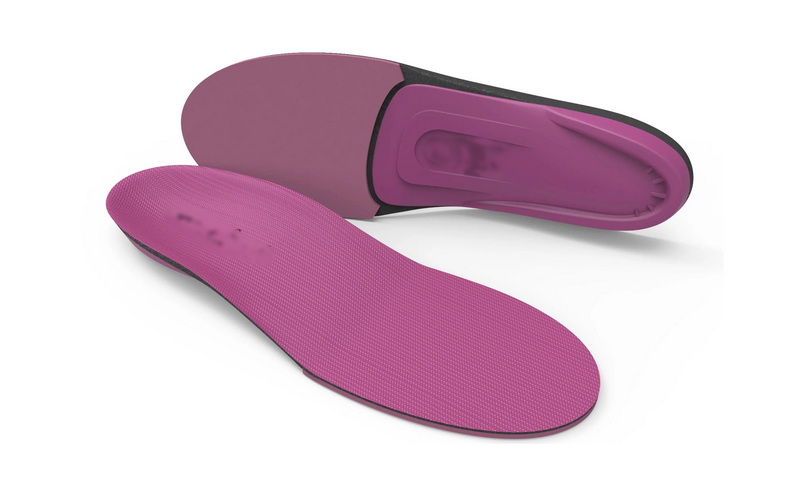
Several simple home methods can confirm whether your inserts still provide adequate support.
Press your thumb into the mid-arch area. If it no longer springs back or feels too soft, the cushioning has degraded. Firm resistance indicates healthy support.
Lay both inserts on a flat surface and examine from eye level. If one tilts, curls, or shows warped edges, it's no longer evenly distributing pressure under your feet.
Stand barefoot, then with inserts in, and check for noticeable support differences. If the correction effect is minimal or unnoticeable, it's time to replace them.
Take a brief walk. Pay attention to how your heel and arch feel. If discomfort appears within minutes, the insert's alignment support is failing.
These quick tests help identify wear before visible damage appears, saving you from future pain or imbalance issues.
Proper care ensures your orthotics remain effective for as long as possible:
- Allow Daily Airing: Take inserts out of shoes after each use to let moisture evaporate.
- Use Odor-Absorbing Powders: Natural powders like baking soda or activated charcoal can reduce moisture and bacteria buildup.
- Avoid Extreme Heat: Never dry orthotics near direct heat sources—it can alter their shape or melt adhesives.
- Alternate Pairs: If possible, keep two pairs of inserts for alternating days, giving one set time to decompress and dry.
- Keep Shoes Clean: Dirty or wet shoe interiors speed up orthotic degradation.
- Store Properly: Keep inserts in a cool, dry place when not in use.
- Regular Cleaning: Use mild soap, a damp cloth, and gentle strokes—do not soak them in water. Air dry completely before reinserting.
Taking routine care saves money and ensures consistent comfort, preventing strain on joints and muscles.
When orthotics go bad, they fail to support proper biomechanical alignment, which affects not only your feet but your entire posture. Long-term use of worn inserts may lead to a chain of physical issues including:
- Heel or arch pain from insufficient support.
- Deviated walking patterns causing knee and hip strain.
- Lower back discomfort due to uneven body weight distribution.
- Muscular fatigue caused by poor shock absorption.
Ignoring replacement results in slower recovery from previous injuries and higher chances of developing new conditions. Regular monitoring of device condition, combined with a podiatric checkup, ensures your inserts continuously match your body's needs.
If pain persists even after replacing old orthotics or trying multiple types of inserts, consult a licensed podiatrist or orthotist. They can perform a gait analysis, check your footwear, and create custom orthotics tailored to your foot mechanics. Professionals can also detect hidden health issues, such as nerve compression or joint misalignment, often mistaken for orthotic failure.
A general rule of thumb: visit your specialist once a year to evaluate both your feet and existing orthotics. Just like prescription glasses, your feet and posture can change over time, requiring periodic adjustments.
Choosing between custom and prefabricated inserts depends on your lifestyle and budget.
- Designed through 3D scans or foot molds.
- Ideal for individuals with chronic foot conditions like plantar fasciitis, flat feet, or diabetes-related issues.
- Offer long-term correction and durability.
- Higher cost but better fit and support.
- Ready-to-use and available in most shoe stores.
- Suitable for general arch support or temporary relief.
- Cost-effective but typically wear out sooner.
- May not correct deeper biomechanical problems.
Understanding the trade-offs helps consumers decide when a temporary solution suffices and when investing in customized devices brings better results.
Disposing responsibly minimizes environmental impact. Many inserts, especially those made with EVA foam or thermoplastics, can be recycled through local footwear recycling programs.
If recycling isn't available, repurpose old orthotics by using them for gardening shoes, around the house, or in spare footwear for light activities. Avoid discarding them with household waste if alternative options exist.
Orthotic inserts work best when combined with healthy foot care habits:
- Maintain Ideal Body Weight: Reduces pressure and extends insert life.
- Wear Correct-Sized Shoes: Orthotics are only effective within shoes with proper fit and depth.
- Stretch and Strengthen Feet: Gentle stretching exercises enhance flexibility and arch health.
- Use Breathable Socks: Wick away moisture, lowering bacterial buildup.
- Monitor Shoe Soles: Uneven shoe wear can undermine orthotic balance.
Integrating these practices not only preserves your inserts but enhances your overall posture and walking comfort.
Orthotic inserts are not simple accessories—they are essential support tools that protect your joints, spine, and muscles. Like any medical or comfort aid, they lose effectiveness over time due to mechanical stress, sweat exposure, and wear. Recognizing the warning signs, performing routine inspections, and maintaining proper hygiene are key to maximizing their lifespan.
Replacing them promptly ensures sustained foot support, balanced posture, and daily comfort. Whether you rely on custom orthotics or prefabricated insoles, attentive care and timely renewal can make a significant difference in your physical health and mobility.
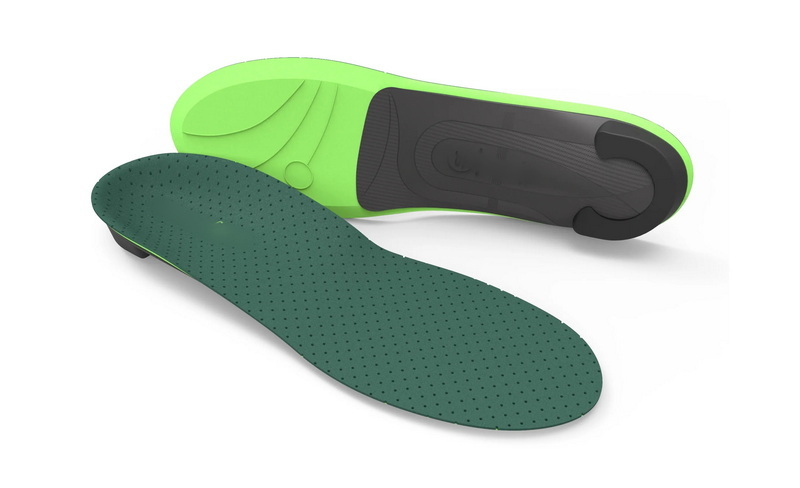
Prefabricated inserts used daily typically last 6 to 12 months. Custom orthotics, when properly maintained, can serve effectively for 2 to 3 years.
Squeaking usually means the insert has warped or shifted within the shoe. A light coating of talcum powder may reduce friction temporarily, but a replacement might be necessary.
No, orthotics don't permanently change foot structure, but they provide continuous support and comfort by redistributing pressure and controlling motion.
Significant body weight changes can alter pressure distribution. You may require adjustment or new orthotics to maintain proper alignment.
Gently wipe them with mild soap and warm water using a soft cloth, then air-dry. Avoid machine washing, high heat, or chemical cleaners.


