
Views: 222 Author: Amanda Publish Time: 2025-08-31 Origin: Site


Content Menu
● Why Accurate Measurement of Shoe Insoles Matters
● Tools Needed for Measuring Shoe Insoles
● Step-by-Step Guide to Measuring the Shoe Insole
>> Step 1: Trace Your Foot Outline
>> Step 2: Measure Foot Length
>> Step 4: Compare Measurements with Insole Sizes
● Additional Tips for Measuring Shoe Insoles
● How to Measure an Insole Directly from a Shoe
● Understanding Different Types of Shoe Insoles
● OEM Shoe Insole Manufacturing: What Brands Should Know
● How to Choose the Right Shoe Insole for Your Needs
● Size Conversion and International Standards
● Maintenance Tips for Shoe Insoles
● Frequently Asked Questions (FAQ)
>> 1. How do I measure my shoe insole size accurately?
>> 2. Can I use my existing insole to measure the size?
>> 3. What tools are required to measure a shoe insole?
>> 4. Should I measure both feet?
>> 5. How do OEM manufacturers customize shoe insoles?
Measuring the insole of a shoe accurately is essential for ensuring the perfect fit, comfort, and support of footwear. Whether you are a manufacturer, wholesaler, retailer, or an end consumer, understanding how to measure a shoe insole can prevent discomfort and improve foot health. This comprehensive guide will walk you through the step-by-step process of measuring shoe insoles, the tools you need, insole size charts, and important considerations for selecting the right insoles for your needs. Along the way, visual aids and videos enhance your understanding of each step.

The shoe insole is the interior bottom part of the shoe where the foot rests. A well-measured insole assures:
- Proper foot support and alignment
- Prevention of foot pain and long-term joint issues
- Enhanced comfort during prolonged wear
- Compatibility of insoles with shoe styles and sizes
Ill-fitting insoles can cause discomfort, blisters, or misalignment issues. Hence, precise insole measurement is a crucial step for brands, wholesalers, and customers alike.
Before beginning the measurement process, gather essential tools that you likely already have:
- Flexible tape measure or ruler
- Blank sheet of paper large enough to trace your foot
- Pen or pencil for tracing and marking
- Flat hard surface for standing
Start by creating a visual reference of your foot:
- Place a sheet of paper on a flat, hard surface.
- Stand straight with equal weight on both feet, placing one foot fully on the paper.
- Use your pen or pencil to trace around the entire foot carefully.
- Trace both feet, as one foot is often slightly larger than the other.
Visual aids such as detailed images showing the tracing process and videos demonstrating correct foot positioning can be invaluable for understanding this foundational step.
Accurately measuring the length helps determine insole length:
- Identify the tip of the longest toe and the back end of your heel on the foot outline.
- Using a ruler or tape measure, measure from the toe tip to the heel end in centimeters or inches.
- Record the measurement and use the length of the larger foot if they differ.
This length measurement translates directly to the insole length needed, making it a crucial metric in shoe insole sizing.
Width is equally important for proper insole fit:
- Locate the widest part of the foot, usually near the ball.
- Using the ruler or tape measure, measure the width across the widest point on the tracing.
- Record this measurement for both feet and use the larger width value.
Correct width measurement ensures that the shoe insole will accommodate the foot comfortably without causing squeezing or tightness.
Consult size charts specific to shoe or insole brands to find the ideal insole size. Most manufacturers provide tables correlating foot length and width with insole size.
If insoles are removable from current footwear, measuring the insole directly can provide an even more accurate understanding of size and fit.
- Measure at the end of the day when feet are slightly swollen for better fit. Feet tend to expand throughout the day, so measuring later helps in selecting an insole that remains comfortable all day.
- When feet differ in size, always select the insole size based on the larger foot to avoid discomfort on one foot.
- Consider the shoe style—athletic, casual, or orthopedic—as insole thickness and shape vary based on application. Athletic shoes might require thinner insoles for snug fit, while orthopedic shoes might need specialized thicker insoles.
- Insoles sometimes require trimming to fit perfectly inside the shoe. Choosing a slightly larger size than your foot length can allow this flexibility.
These insights help optimize comfort and functionality when selecting shoe insoles.
If you want to measure an existing shoe insole for replacement or custom fitting:
1. Remove the insole from the shoe carefully to avoid damage.
2. Place the insole flat on paper or measuring surface.
3. Use a ruler or tape measure to determine the insole's length from heel to toe tip.
4. Measure the width at the widest point.
5. Make note of both measurements for replacement or comparison purposes.
This direct measurement method is especially useful for those upgrading insoles or replacing worn-out inserts.

Shoe insoles come in various types to suit different needs:
- Gel Insoles: Provide excellent cushioning and shock absorption for high-impact activities.
- Memory Foam Insoles: Mold to the shape of the foot, offering customized comfort and pressure relief.
- Orthotic Insoles: Designed to correct alignment issues and provide arch support, helping with conditions like plantar fasciitis.
- Foam Insoles: Offer lightweight cushioning and moderate support, commonly used in casual footwear.
- Heel Cups: Specialized insoles focusing on cushioning and protecting the heel area.
When measuring for a shoe insole, be mindful of the thickness and contour of the insole type you need, as this affects overall fit within the shoe.
For brands, wholesalers, and manufacturers sourcing shoe insoles, offering accurate sizes and customization is key. OEM (Original Equipment Manufacturer) services provide tailored insole solutions optimized for comfort, materials, and specific client requirements. Key OEM benefits include:
- Custom materials such as high elastic foam, memory foam, and orthopedic-grade designs.
- Branding opportunities including logo printing, unique patterns, and packaging customization.
- Prototyping and molding services for unique and ergonomic insole shapes.
- Quality assurance certifications such as CE, ISO, and others that guarantee product safety and performance.
Collaboration with OEM manufacturers requires precise insole measurements and clear communication of specifications to ensure the final product meets customer expectations in comfort and durability.
Selecting the perfect shoe insole depends on specific factors:
- Foot Shape and Size: Accurate measurements determine if a standard or custom-fit insole is needed.
- Activity Level: High-impact sports require durable, shock-absorbing insoles, while everyday walking demands comfort and arch support.
- Foot Conditions: Those with plantar fasciitis, flat feet, or other podiatric issues benefit from orthotic insoles tailored to their needs.
- Shoe Type: Athletic shoes, boots, dress shoes, and casual wear have different insole requirements in terms of thickness and flexibility.
Combining measurements with these factors ensures an optimal match for both comfort and performance.
Because shoe sizing varies worldwide, conversion charts aid in selecting the correct shoe insole for international brands:
| US Size | UK Size | EU Size | Foot Length (cm) |
| 6 | 5.5 | 39 | 23.5 |
| 7 | 6 | 40 | 24.1 |
| 8 | 7 | 41 | 25.4 |
| 9 | 8 | 42 | 26 |
| 10 | 9 | 44 | 27.5 |
These tables offer a universal reference to bridge varying standards and help maintain consistency in shoe insole sizing for global markets.
Proper care of shoe insoles prolongs their lifespan and maintains comfort:
- Remove insoles regularly to air out and prevent odor buildup.
- Wash fabric-covered insoles gently according to manufacturer instructions.
- Replace insoles when they show signs of wear, compression, or lose support.
- Rotate insoles between different pairs of shoes to extend their usability.
Maintaining shoe insoles ensures ongoing foot health and comfort.
Measuring the shoe insole accurately should be a standard practice for anyone dealing with footwear—be it brands, wholesalers, or end consumers. Using simple tools like a ruler, paper, and pen, anyone can trace their foot, measure length and width, and consult size charts to find the perfect shoe insole. For brands offering OEM services, providing these precise measurements ensures customers receive comfortable and well-fitted products. Incorporating detailed visual aids and videos can further facilitate correct measurement for all users. By following these guidelines, foot comfort and shoe performance will reach their full potential.
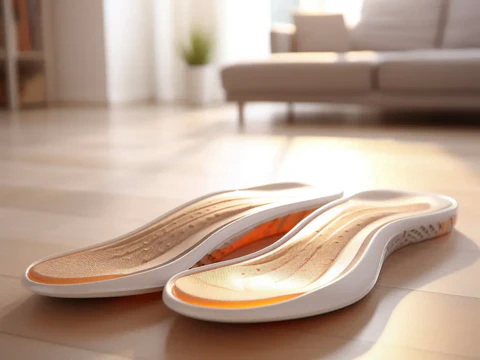
Trace your barefoot outline on paper, measure the length from heel to toe and the width of the widest part, then compare these with an insole size chart for precise sizing.
Yes, removing your shoe's insole and measuring its length and width is an effective way to find the correct size.
A flexible tape measure or ruler, a blank sheet of paper, and a pen or pencil for tracing are simple tools needed.
Yes, trace and measure both feet to account for size differences; use the larger foot measurement for insole size.
OEM manufacturers use precise measurements and custom materials, logos, and packaging to produce unique insoles that meet brand and consumer needs.
[1](https://alineinsoles.com/blogs/news/insole-measurement-how-to-measure-insoles-for-shoes)
[2](https://move.one/pages/insole-size-chart-and-guide)
[3](https://footmasterinsole.com)
[4](https://insoles.com/pages/insole-size-guide)
[5](https://theinsolestore.com/pages/sizing-guide)
[6](https://www.made-in-china.com/factory/shoe-insole-material.html)
[7](https://stryda.com.au/blogs/buying-guide/how-to-measure-your-feet)
[8](https://www.sidas.com/pages/sizing-guide-insoles)
[9](https://www.alibaba.com/showroom/oem-shoe-insoles.html)
[10](https://fitmyfoot.com/blogs/footprints/how-to-measure-insoles)
[11](https://ergonx.com.au/pages/sizing-guide)
[12](https://www.dtsole.com)
[13](https://www.reddit.com/r/poshmark/comments/8s3l01/insole_measurement/)
[14](https://www.superfeet.com/pages/size-chart)
[15](https://www.insolefactory.com/shoe-pad-inserts/)
[16](https://www.youtube.com/watch?v=lVUnMeI1QaE)
[17](https://remindinsoles.com/pages/size-chart)
[18](https://www.szsunmed.com/product/foot-care-products/inserts-insoles/)
[19](https://www.orthofeet.com/blogs/news/insole-measurement)
[20](https://archiesfootwear.co.nz/pages/full-length-casual-insoles-size-guide)


