
Views: 222 Author: Edvo Publish Time: 2025-12-08 Origin: Site


Content Menu
● What Are Memory Foam Insoles?
● Why Remove Memory Foam Insoles?
● How To Check If Insoles Are Glued
● Removing Non-Glued Memory Foam Insoles
● Removing Lightly Glued Memory Foam Insoles
● Removing Fully Glued Memory Foam Insoles With Heat
● Using Tools Safely During Removal
● Avoiding Damage to Shoe and Insole
● Cleaning the Shoe Footbed After Removal
● Cleaning Removed Memory Foam Insoles
● Drying and Deodorizing Memory Foam Insoles
● When To Replace Memory Foam Insoles
● Choosing New Insoles After Removal
● Installing New Insoles Correctly
● Safety and Comfort Tips for Sensitive Feet
● At-Home Care Routine After Removal
● How a Professional Insole Manufacturer Can Help
● FAQ
>> 1. Are memory foam insoles supposed to come out easily?
>> 2. Can memory foam insoles be washed after removal?
>> 3. What if the insole tears while being removed?
>> 4. Do new insoles go on top of the original ones?
>> 5. How often should memory foam insoles be replaced?
Removing memory foam insoles correctly helps protect both the shoe and the insole, while also making space for upgraded or customized inserts. Done carefully, the process keeps the interior of the shoe clean, maintains comfort, and extends the usable life of your footwear. For brands, retailers, and OEM partners, understanding this process is also helpful when educating end users and reducing after-sales issues.
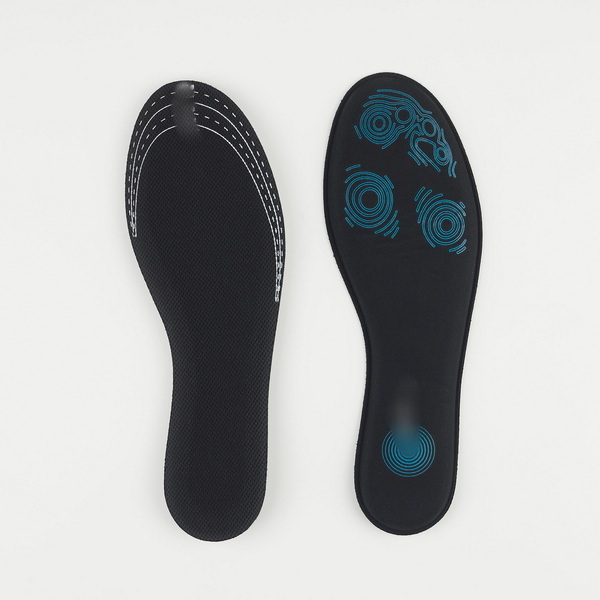
Memory foam insoles are soft, pressure-sensitive inserts made from viscoelastic foam that conforms to the shape of the foot. They are commonly used in casual footwear, sports shoes, and work shoes to improve cushioning, impact absorption, and perceived comfort. Many brands use removable versions, while others lightly glue the foam to the footbed to prevent movement.
These insoles adapt to body weight and temperature, which makes them feel customized but also leads to gradual compression over time. When the foam loses its bounce or no longer supports the arch, removing and replacing it becomes necessary. Knowing how to remove them safely ensures that users can refresh their footwear without damaging the shoe structure.
There are several reasons someone might want to remove memory foam insoles. The most common reasons include cleaning, deodorizing, replacing worn-out inserts, or upgrading to more supportive orthotic insoles. People with foot conditions may also need more structured or medical-grade inserts that require removing the original foam layer.
Another frequent reason is sizing and fit adjustment. In shoes that feel too tight or shallow, removing the original insole and replacing it with a thinner or more contoured insert can improve comfort. For manufacturers and OEM factories, offering removable insoles can be an important selling point, since it gives consumers flexibility and helps the product adapt to different market preferences.
Good preparation makes removal more efficient and reduces the risk of tearing the foam or scratching the shoe lining. Before starting, loosen laces or straps as much as possible so the shoe opening is wide and easy to access. Make sure the inside is dry, since moisture can weaken adhesives in an uneven way and make peeling unpredictable.
Place the shoes on a clean, stable surface with good lighting. If the insoles are expected to be glued, keep a household hair dryer nearby and prepare a flat, dull tool such as a plastic scraper, a rounded butter-knife style tool, or a dedicated shoe-care lever. If you plan to reuse the insoles, also prepare a soft cloth, mild detergent, and space for drying later.
Not all memory foam insoles are attached in the same way. Some are fully loose drop-in insoles, some are lightly spot-glued at the heel or arch, and others are fully glued from heel to toe. Gently press around the heel and arch area with your fingers and try to lift the edge. If the edge moves freely and you can easily slide a finger underneath, the insole is likely not glued.
If the edge feels stuck or only part of it lifts, there may be adhesive points that need to be released carefully. Light resistance suggests spot glue, which is easier to manage, while strong resistance across most of the length usually indicates a fully glued insole. Knowing this in advance helps you decide whether hand removal is enough or whether you need heat and a tool.
For non-glued memory foam insoles, removal is usually simple and quick. Hold the shoe with the opening facing you and slide your fingers under the heel edge of the insole. Use your thumb on the top edge for support while your fingers gently lift the foam away from the footbed.
Once the heel edge is free, walk your fingers forward along the sides, peeling the insole up in a smooth, continuous motion. Avoid bending the foam sharply, as this can create weak points or cracks in thinner products. If the toe area seems snug, flex the shoe slightly with your other hand to create space, then guide the insole out, heel first or toe first depending on the shoe shape.
Lightly glued insoles are common in athletic and lifestyle shoes, where brands want to keep the insole from sliding but still allow replacement. To remove a lightly glued insole, start at the heel and try to lift it with your fingers. You will usually feel specific spots where the foam sticks more strongly to the footbed.
Use small, controlled pulling motions instead of one big tug. Think of slowly peeling a sticker: lifting a small area, then moving along the edge, then lifting again. If you feel strong resistance at one point, stop pulling directly upward and instead work side to side, letting the adhesive stretch and release gradually. With patience, the majority of light glue points will separate without tearing the foam.
Fully glued insoles often require heat to soften the adhesive. Use a household hair dryer on a warm, not extreme, setting and direct the airflow into the shoe, focusing on the heel and midfoot areas first. Warm air helps the adhesive become more flexible, which makes it easier to separate the foam layer from the shoe base without leaving large chunks behind.
After warming for a short period, check the heel edge again. Gently lift with your fingers and see if the foam begins to separate more easily. If it does, continue to pull slowly while maintaining tension. If it does not, warm again, then slide a flat, dull tool between the foam and the footbed. Use low angles and short, shallow movements to avoid puncturing the bottom of the shoe. Alternate between warming and lifting in sections until the entire insole comes free.
Tools are very useful for stubborn glue, but they must be used carefully. Always choose something dull rather than sharp to avoid slicing the foam or cutting into the lining. Keep the tool almost parallel to the shoe base so the edge works like a scraper instead of a knife. Move in small increments, feeling for the separation between layers.
If you meet a very resistant patch, do not force the tool deep into the material. Instead, back out, warm the area again, and approach from another angle. Sometimes starting from the side or from the forefoot yields better results than insisting on the heel. This patient, controlled method is much safer than pushing hard in a straight line.
Both the memory foam and the interior of the shoe are more delicate than many people expect. Overly aggressive pulling can tear thin foam, especially near flex points like the ball of the foot. Strong pulling at a steep angle can also detach the upper from the midsole in cheaper constructions, causing visible deformation from the outside.
To avoid this, use moderate, steady force and always watch how the foam reacts. If it stretches too far or you hear small tearing noises, immediately release tension and change technique. Instead of vertical force, use a sliding motion with your fingers or tool, gently working between the two layers and letting the adhesive separate little by little.
Once the memory foam insole is removed, the footbed usually shows residue from sweat, dust, textile fibers, or adhesive. Begin by brushing out any loose particles with a soft cloth or small brush. This first step prevents abrasive grit from scratching the inner surface when you wipe with moisture.
Next, take a slightly damp cloth with mild soap solution and gently wipe the surface of the footbed. Focus on any darker or sticky areas where old adhesive may have remained. If there are small clumps of glue, use your fingernail or a dull tool to roll or scrape them away without gouging the material. After cleaning, leave the shoe in a ventilated area at room temperature until the interior is completely dry before inserting any new insole.
If you plan to reuse the memory foam insoles in the same shoes or another pair, cleaning them properly is important. Use a soft cloth or sponge dipped in a diluted mild detergent solution and wring it out so it is only slightly damp. Wipe the top surface where the foot rests, paying attention to the heel and ball areas where sweat and odor often concentrate.
Avoid soaking the insole or submerging it for long periods, because memory foam can absorb large amounts of water and may lose its shape if saturated. After wiping with the soapy cloth, use another cloth with clean water to remove remaining detergent. Then press the insole gently between dry towels to remove extra moisture without twisting or wringing the foam.
Drying is a crucial step that many users rush. Place the cleaned insoles in a well-ventilated indoor space away from strong sunlight or high heat sources. Direct intense heat can cause the foam to harden or crack, and it can also warp surface fabrics. Allow enough time for the core of the foam to dry completely, not just the surface.
To control odor, you can dust a light layer of common household deodorizing powder over the insoles once they are nearly dry, then gently brush or shake it off after some time. Regularly airing the insoles overnight between uses also helps moisture escape and reduces bacterial growth. A simple routine of wipe, air, and occasional deodorizing will keep them fresher for longer.
Even with careful cleaning, memory foam has a finite lifespan. Over time it compresses and no longer springs back fully when pressure is removed. When you press the heel area with your finger and the foam stays flat or slow to recover, it is a sign that the cushioning has reached its limit. Deep permanent footprints or grooves along the toes also indicate heavy wear.
Another clear indicator is comfort. If shoes that felt soft and supportive now create pressure points, heel soreness, or arch fatigue, the insoles may be too worn to function properly. Persistent odor that does not improve after cleaning is another clue that it is time for replacement. Replacing insoles at the right moment is a low-cost way to restore comfort and extend the overall life of the shoe.
Once the original memory foam insoles are out, you can choose replacements tailored to your needs. Some people prefer thicker cushioning for everyday walking, while others need firmer, more structured support for work or sports. Consider arch height, foot shape, and shoe type when selecting new inserts. Too soft can feel comfortable at first but may not support the foot over long periods.
Another factor is material choice. Many modern insoles combine foam with additional support elements such as heel cups or stabilizing shells. For customers who stand all day, more resilient materials with controlled compression can be better than ultra-soft memory foam alone. Manufacturers and OEM suppliers often offer multiple configurations under one product family so brands can match different market segments.
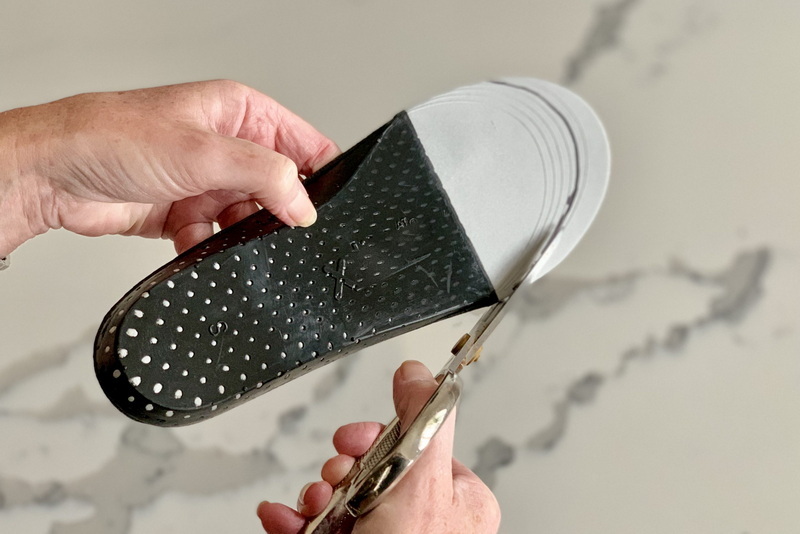
After cleaning the shoe interior and choosing new insoles, proper installation ensures long-term comfort. Use the removed memory foam insole as a template by placing it on top of the new piece. Trace along the outline, then trim the new insole gradually, cutting slightly outside the line at first and testing the fit inside the shoe. It is always easier to trim more than to replace what has already been cut away.
Place the trimmed insole into the shoe, heel first, then press the forefoot area down so it lies flat without curling at the edges. Check that there is no bunching under the arch or toe. Try the shoes on with your usual socks, stand up, and walk a short distance. Pay attention to any pressure points or slipping. If needed, remove the insole and adjust trimming at the toe or sides until the fit feels natural and secure.
People with plantar discomfort, heel pain, flat feet, or other conditions should be especially thoughtful when removing and replacing memory foam insoles. The original inserts may have been chosen to balance cushioning and space in a specific way. When switching to new ones, it is wise to increase wear time gradually, starting with short periods around home before using them for full workdays or long walks.
If you use prescription orthotics or have been advised by a professional, always follow that guidance before making changes. In many cases, the factory insole should be removed to give the orthotic enough space to work correctly. Stacking full-length insoles can crowd the shoe, leading to friction, blisters, and poor support, even if the foam itself feels soft.
Once you know how to remove memory foam insoles, you can make it part of a regular care routine. Every so often, take the insoles out, let the shoes and inserts air separately, and check for signs of damage. A quick clean and dry cycle keeps both the insole and the shoe interior fresher and more hygienic.
This routine is especially important in hot or humid climates, or for workers and athletes who sweat heavily. Regular maintenance reduces unwanted odor, slows down material breakdown, and keeps the footbed more comfortable. For brands and OEM factories, educating customers about such routines can improve user satisfaction and reduce complaints about comfort and smell.
As a specialized insole manufacturer, a factory can design memory foam insoles that balance comfort, durability, and removability. For example, the glue pattern, foam density, and surface textile can be customized so that the insole stays stable in daily use yet can still be removed without excessive damage. This balance greatly influences the actual user experience once the product reaches the market.
OEM partners can also request specific thicknesses, heel shapes, or arch contours tailored to different regions and user groups. By combining design expertise with clear usage instructions such as removal and care guides, brands can deliver footwear that feels premium and remains comfortable over a long service life. This kind of collaboration supports stronger branding and greater loyalty among end users.
Removing memory foam insoles is a simple process when approached with patience and the right technique. With careful preparation, gentle lifting, and the smart use of warmth and tools for glued models, you can separate the insole from the shoe without tearing the foam or damaging the interior. Once removed, regular cleaning, drying, and occasional deodorizing will keep reusable insoles fresher and more pleasant to wear.
When the foam no longer rebounds, stays flat, or begins to smell despite cleaning, it is time to replace it with a new pair that better supports your current needs. Choosing and installing suitable replacement insoles can transform the comfort of a familiar shoe and add months of practical use. For brands and OEM buyers, understanding and explaining this process builds trust and helps customers get the most from every pair of shoes.
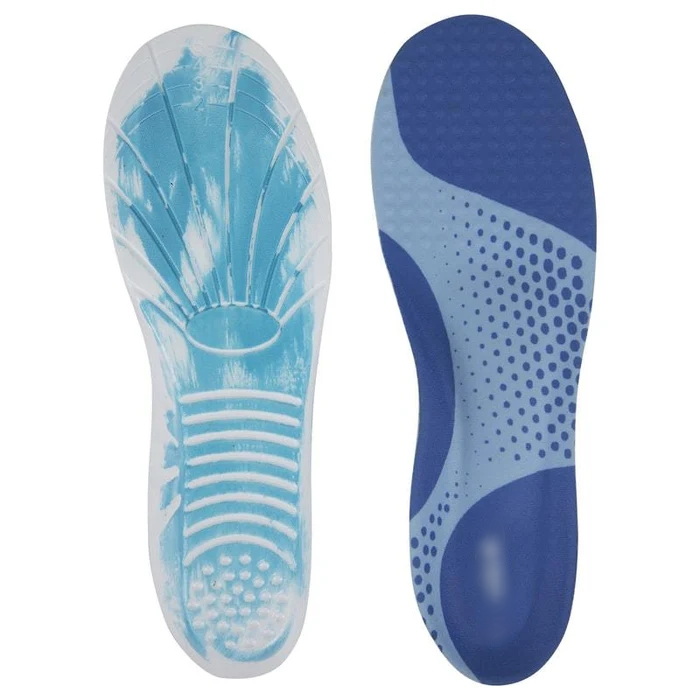
Some memory foam insoles are designed to be fully removable, while others are lightly or firmly glued. If they lift easily at the heel or sides, they are likely meant to come out by hand. If they resist strongly, gentle heat and careful peeling are usually the safest approach.
Memory foam insoles can be surface-cleaned with a mild detergent solution and a damp cloth. They should not be soaked, heavily scrubbed, or machine washed, because that can damage the foam structure. After wiping, they must be dried thoroughly at room temperature before going back into the shoes.
If the insole starts to tear, stop pulling firmly and switch to a slower, more controlled method, using your fingers or a dull tool to separate layers. Small tears may not affect light use, but large rips or crumbling foam usually mean the insole should be replaced. Continued tearing also signals that the adhesive is strong and extra patience or more heat is needed.
In most cases, full-length replacement insoles or orthotics should not be stacked directly on top of the original insert. Stacking can reduce internal space, cause tightness, and change how the shoe supports the foot. For the best fit, remove the old memory foam insole first, then install the new one so it sits flat and stable.
The right replacement interval depends on usage, body weight, and activity level, but many people notice a decline in comfort after extended daily wear. When the foam no longer rebounds, feels thin under pressure, or keeps odor even after cleaning, it is time for a new pair. Heavy professional or sports use may demand more frequent replacement than light casual wear.


