
Language
Views: 222 Author: Edvo Publish Time: 2025-12-16 Origin: Site


Content Menu
● Understanding Why Memory Foam Insoles Smell
>> Common Reasons For Odor Buildup
● Step-by-Step Guide To Remove Odor From Memory Foam Insoles
>> Step 1: Remove Insoles From The Shoes
>> Step 2: Dry Clean The Surface
>> Step 3: Create A Mild Cleaning Solution
>> Step 4: Sponge Clean Gently
● Natural Odor Removal Methods Using Household Materials
● Deep Cleaning For Stubborn Smells
● Preventing Odor Buildup In The Future
>> Wear Clean, Breathable Socks
>> Rotate Shoes
>> Remove Insoles After Heavy Use
>> Store Footwear In Open Spaces
>> Use Deodorizing Products Regularly
● The Role Of Hygiene In Odor Control
● When To Replace Memory Foam Insoles
● Additional Tips For Maintaining Fresh Insoles
● Why Proper Cleaning Extends Insole Lifespan
● Environmentally Friendly Cleaning Practices
● FAQ About Removing Smell From Memory Foam Insoles
>> 1. How often should I clean my memory foam insoles?
>> 2. Can I wash memory foam insoles in a washing machine?
>> 3. How can I dry wet insoles without deforming them?
>> 4. What natural ingredients are best for removing odor?
>> 5. When is it better to replace the insoles instead of cleaning them?
Memory foam insoles are a favorite choice among people who spend long hours on their feet. They provide exceptional comfort, pressure relief, and cushioning support, which helps reduce fatigue and discomfort. However, one common problem that nearly every user faces is the unpleasant smell that develops over time. This odor typically results from trapped sweat, moisture, and bacterial growth inside the foam material.
If you have ever wondered how to remove the smell from memory foam insoles, this guide will show you proven methods to clean, deodorize, and maintain them effectively. You'll learn not only how to clean smelly insoles but also how to prevent bad odors from forming again. With just a few simple household materials and consistent care, your insoles can stay fresh, hygienic, and long-lasting.
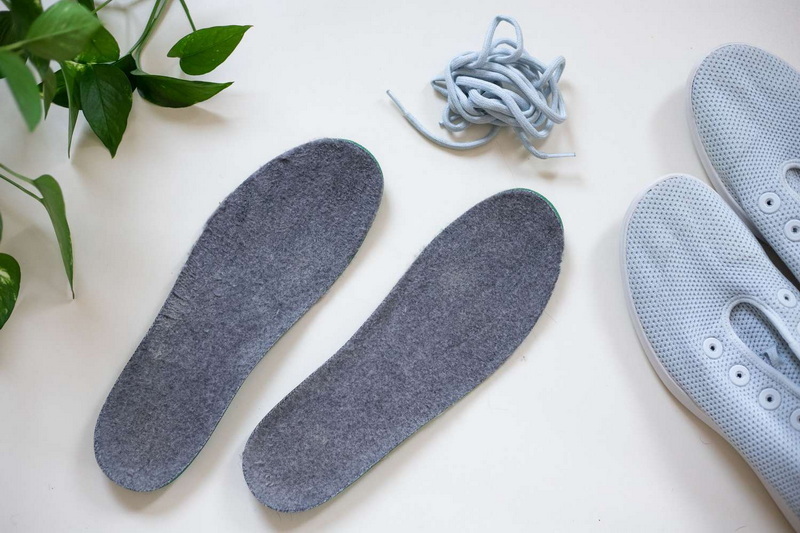
To tackle odor effectively, it is important to understand its root causes. Memory foam is a dense, absorbent material designed to conform to the shape of your foot. While this adaptability provides comfort, it also means the foam traps sweat and moisture more easily than other materials.
- Moisture accumulation: Your feet naturally sweat during the day, creating a humid environment where bacteria thrive.
- Bacteria and fungi: These microorganisms feed on sweat and dead skin cells, producing unpleasant smells as by-products.
- Low ventilation: Closed shoes with poor airflow prevent moisture from evaporating, worsening odor issues.
- Improper cleaning: Rarely washing or drying your insoles allows bacteria and dirt to multiply inside the foam.
- Long-term wear: Over time, even well-maintained insoles can retain odors as the foam ages and becomes less resistant to microbial growth.
Recognizing these factors makes it easier to choose the right cleaning technique and maintain freshness between washes.
Cleaning memory foam insoles properly can restore their comfort and extend their lifespan. The following steps outline a safe and efficient cleaning routine.
Start by taking the insoles out of your shoes. Cleaning them directly while inside the footwear can trap water inside, making drying difficult. Removing them ensures full exposure to air and allows you to clean every surface thoroughly.
Before using any liquids, use a soft brush or dry microfiber cloth to remove dust, lint, and loose dirt. A small toothbrush works well for cleaning edges and grooves. This prevents debris from mixing with water and creating a muddy residue during washing.
Prepare a bowl of warm water and add a small amount of gentle liquid soap or baby shampoo. The solution should be lightly soapy, not foamy. Harsh detergents or bleach-based cleaners should be avoided, as they can weaken the foam structure and cause irritation when worn.
Dip a soft cloth or sponge into the soapy water and wring it out thoroughly. Gently wipe both sides of the insole, paying special attention to areas near the heel and toes. These zones often absorb the most sweat and dirt. Avoid immersing the foam completely, as soaking can lead to deformation and a lingering damp smell.
Use another clean cloth dampened with plain water to wipe away soap residue. Too much water can penetrate the foam and lengthen the drying time, so rinse sparingly. Continue wiping until all cleaner traces are removed and the insole feels clean but not saturated.
Place the cleaned insoles in a well-ventilated space to dry naturally. Avoid direct sunlight, radiators, or hot blow dryers. Excessive heat can warp the foam and ruin its cushioned properties. For faster drying, keep them in front of a fan or near an open window. Depending on the airflow, drying may take 12–24 hours. Always ensure they are completely dry before putting them back in your shoes to prevent mildew.
For moderate odors, household remedies can be just as powerful as store-bought cleaners. These solutions are affordable, safe, and environmentally friendly.
Baking soda is a natural deodorizer that absorbs both moisture and acidic compounds. Sprinkle a thin, even layer over the top and bottom surfaces of your insoles. Let them sit overnight in a dry place, then shake off the excess powder the next morning. You'll notice instant odor reduction and added freshness.
Vinegar is well-known for its antibacterial and deodorizing effects. Mix equal parts white vinegar and water in a spray bottle. Lightly mist the surface of the insoles and allow them to air dry completely. The vinegar odor will dissipate, taking sweat and bacteria smells with it.
Activated charcoal naturally traps moisture and odor molecules. Place your insoles in a sealed bag or shoe box with a few charcoal sachets. Let them rest overnight or for a full day. This method works exceptionally well for deeply embedded odors.
For a pleasantly scented outcome, use essential oils such as lavender, eucalyptus, or tea tree oil. Add a few drops to your cleaning water or place a drop on cotton balls and store them with the insoles. These oils offer antibacterial and antifungal benefits while leaving behind a refreshing aroma.
If your insoles smell bad even after light cleaning, it's time for a more intensive approach.
1. Prepare a basin with warm water and mild detergent.
2. Soak the insoles for around five minutes only—just enough to loosen deep dirt.
3. Use a soft toothbrush to scrub gently in circular motions.
4. For an extra antibacterial boost, rinse them briefly with diluted vinegar and water.
5. Finally, pat dry with a towel and air dry thoroughly.
Persistent odors may indicate bacterial colonies inside the foam that can't be entirely removed. In such cases, replacing the insoles is often the most effective long-term solution.
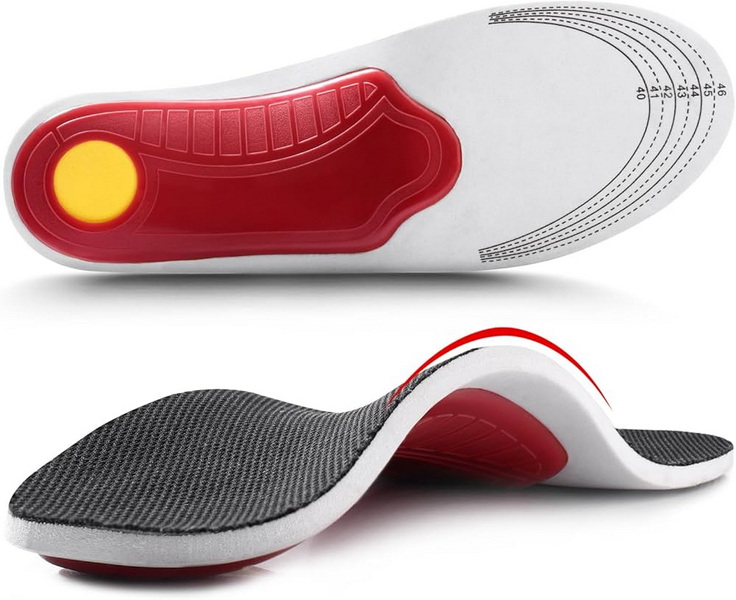
Once your insoles are clean, keeping them that way becomes much easier if you adopt a few good habits. Prevention is more efficient than dealing with odor after it appears.
Always pair your insoles with clean, dry socks made from breathable materials like cotton or moisture-wicking synthetics. They help absorb sweat before it seeps into the insoles.
Avoid wearing the same pair of shoes every day. Giving your footwear a break allows the insoles to dry out completely and prevents continuous moisture buildup.
After activities like running, hiking, or working long hours, remove your insoles and let them air out overnight. This prevents bacterial growth from residual sweat.
When not in use, store shoes in a cool, dry, and ventilated area. Closed or dark storage spaces trap humidity, encouraging odor formation.
Consider using foot powders, shoe sprays, or silica gel packets to maintain odor control between washes. Natural cedar shoe inserts also help by absorbing dampness and adding a fresh scent.
Sometimes foot odor issues are not just from the insoles themselves but result from improper foot hygiene. Taking care of your feet can drastically reduce unpleasant smells.
- Wash feet daily using mild soap and warm water, paying attention to areas between toes.
- Exfoliate regularly to remove dead skin cells where bacteria tend to settle.
- Trim toenails to minimize dirt buildup and bacteria under nails.
- Apply antifungal foot powder or cream if you are prone to athlete's foot.
- Dry thoroughly before putting on socks to avoid trapping moisture.
A consistent hygiene routine not only keeps insoles cleaner but also improves overall comfort and foot health.
Even the most durable memory foam will eventually lose its cushioning ability. Over time, moisture, body weight, and bacterial buildup degrade the structure. Here are clear signs that replacement is necessary:
- Insoles remain smelly even after multiple cleanings.
- The material feels stiff, brittle, or no longer bounces back under pressure.
- Discoloration or black spots indicate mold or mildew.
- The top fabric starts peeling or tearing.
Replacing your insoles every six months to one year—depending on usage frequency—ensures continuous comfort and hygiene. Regular replacement also prevents persistent odor problems that cleaning alone can't fix.
Keeping your memory foam insoles odor-free only requires small but consistent effort.
- Use antibacterial shoe spray after each wear to kill surface bacteria.
- Insert dryer sheets inside your shoes overnight to keep them smelling clean.
- Freeze your insoles occasionally—placing them in a sealed bag inside the freezer for several hours kills odor-causing germs naturally.
- Let shoes rest for at least 24 hours between wears if possible.
- Store properly using breathable dust bags or boxes rather than airtight containers.
These simple practices, when done regularly, make a noticeable difference in preventing odor recurrence.
Clean memory foam lasts longer because dirt and sweat can degrade its internal structure. Acids and bacteria slowly break down the foam's elasticity, causing it to lose shape and support. Regular cleaning removes these harmful elements and allows the material to breathe again.
Additionally, fresh-smelling insoles motivate you to wear your shoes more confidently. Whether you're at work, the gym, or on a long walk, keeping your footwear clean contributes to both comfort and personal hygiene. For businesses that sell or manufacture insoles, promoting proper cleaning education also enhances customer satisfaction and brand trust.
As sustainability becomes increasingly important, consider green cleaning habits for your memory foam insoles. Using biodegradable soaps, vinegar, and baking soda reduces environmental impact compared to commercial chemical sprays. Avoid dumping dirty soapy water down storm drains; instead, pour it into proper drainage systems. Air drying naturally also saves energy while being gentle on foam materials.
Environmentally friendly maintenance supports both your comfort and eco-conscious lifestyle.
Memory foam insoles provide unmatched comfort, but without regular cleaning, they can develop strong odors caused by sweat and bacteria. The good news is that odor removal is simple with consistent maintenance. By gently washing with mild detergent, using natural deodorizing agents like baking soda or vinegar, and allowing proper ventilation, you can restore freshness effectively.
Preventive care plays an equally vital role—wearing clean socks, drying insoles after use, and using deodorizing accessories all help stop smells before they start. When insoles become too worn or persistently smelly, replacing them ensures continued comfort and hygiene.
Clean, well-maintained memory foam insoles not only feel better but also last longer and keep your footwear pleasant to use. With these tips, your shoes will always stay fresh, comfortable, and ready for daily wear.
Clean them every two to three weeks, or more frequently if you use them in humid conditions or during heavy activity.
No. Machine washing can damage or tear the foam structure. Always hand-wash with mild soap and warm water instead.
Air dry naturally in a ventilated spot. Avoid using hair dryers, radiators, or sunlight, which can warp or shrink the foam.
Baking soda, white vinegar, charcoal bags, and essential oils such as tea tree or lavender are effective and safe deodorizing options.
If they still smell after multiple washes, show mold, or lose cushioning support, it's best to replace them for hygienic and comfort reasons.


