
Language
Views: 222 Author: Edvo Publish Time: 2025-11-10 Origin: Site


Content Menu
● What Are Orthopedic Insoles?
● Why Did Your Doctor Prescribe Orthopedic Insoles?
● Essential Steps to Start Wearing Orthopedic Insoles
>> Inspect and Fit Your Insoles
>> Monitor Comfort and Address Troubles
● Types of Orthopedic Insoles and Their Uses
>> Activity-Specific Orthotics
● Choosing the Right Shoes for Orthopedic Insoles
● Maintenance and Long-Term Use
● Troubleshooting Common Problems
● Lifestyle Benefits of Persisting With Orthopedic Insoles
● Myths and Misconceptions About Orthopedic Insoles
● Extra Tips for First-Time Orthotic Users
● Frequently Asked Questions (FAQ)
>> 1. How long does it take to get used to orthopedic insoles?
>> 2. Can I exercise with my orthopedic insoles?
>> 3. What should I do if the insoles hurt or cause redness?
>> 4. Do I need to remove regular shoe insoles before inserting orthopedics?
>> 5. How often should I replace my orthopedic insoles?
Orthopedic insoles prescribed by doctors are invaluable tools for people of all ages who experience foot pain, discomfort, or gait abnormalities. Medical-grade orthotics serve as personalized devices, systematically correcting imbalances, alleviating chronic pain, and preventing further injury. Transitioning to orthopedic insoles isn't instantaneous, but with attentive steps, anyone can experience enhanced comfort, stability, and lasting foot health. This guide explains every stage, sharing tips, troubleshooting advice, and answers to frequently asked questions, all in a practical, patient-friendly format.
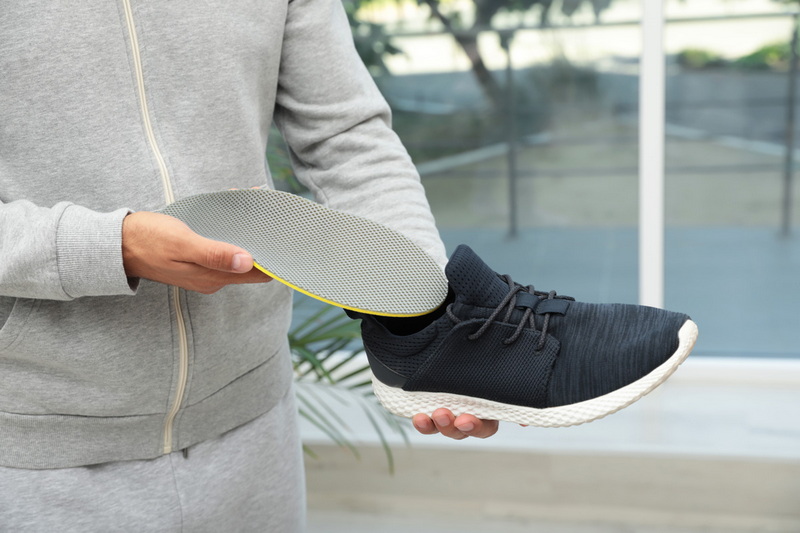
Orthopedic insoles, also called orthotics, are shoe inserts designed to provide support, correct alignment, and relieve foot-related ailments. Made with materials ranging from rigid plastics to soft cushioning foams, these devices may be crafted bespoke for an individual or purchased pre-made based on doctor recommendation. Their main purpose is to:
- Support foot arches and restore proper biomechanics
- Relieve pressure and distribute weight evenly
- Correct gait abnormalities and misalignments
- Address pain caused by flat feet, plantar fasciitis, high arches, bunions, and heel spurs
Doctors prescribe orthotics for numerous reasons:
- Chronic pain in the arches, heels, or balls of the feet
- Alignment problems leading to knee, hip, or back issues
- Diabetes-related complications, such as neuropathy or risk of foot ulcers
- Post-surgical recovery and injury rehabilitation
Custom orthotic insoles provide targeted relief, support rehabilitation, and can prevent worsening of musculoskeletal problems. Unlike generic shoe inserts, they are designed with your unique foot structure and medical history in mind.
Orthopedic insoles act as biomechanical aids, systematically guiding the foot into a healthier position during standing, walking, or running. Their structure often includes:
- Arch support: Prevents over-collapsing (flat feet) or excessive height (high arches).
- Heel cups: Cradle the heel to control motion and enhance stability.
- Metatarsal pads: Alleviate forefoot pressure and pain, especially in conditions like metatarsalgia.
- Shock-absorbing material: Reduces impact forces and fatigue during long periods of standing or walking.
These features combine to provide improved posture, better alignment, and overall body comfort.
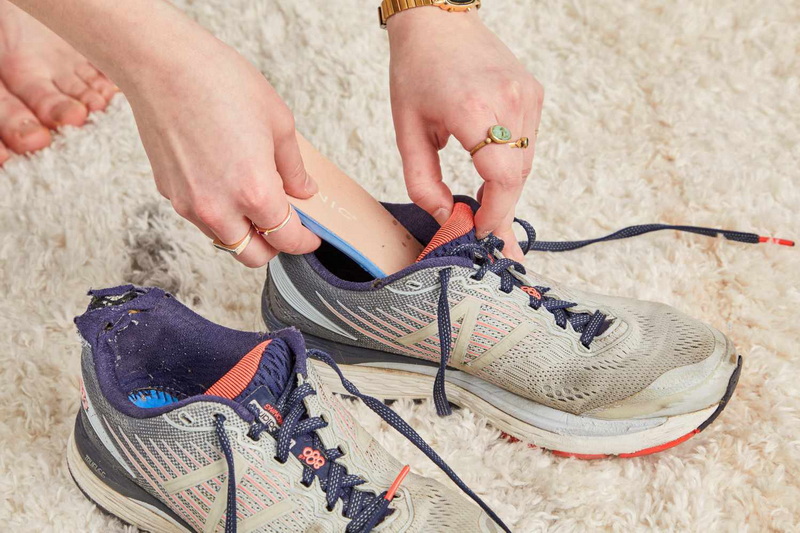
Begin by evaluating both your shoes and prescribed insoles for compatibility. Remove any old or factory-provided shoe liners first. Insert the orthopedic insoles, making sure they fit edge-to-edge and sit flat within the shoe. Your heel should feel snug yet not compressed, and the insole should remain stable throughout movement.
The break-in phase is crucial. Wear your new insoles for short periods—start with 30–60 minutes on the first day. Each day, incrementally increase that time by 30–60 minutes as your comfort allows. This progressive schedule minimizes muscle soreness and allows your feet and lower body to adapt gently.
During this period, avoid strenuous activity or exercise with the new insoles. Focus on light walking and daily activities until you can wear them for 6–8 hours comfortably.
Discomfort, mild soreness, or a sensation of unfamiliar pressure are common during early use. However, if pain intensifies, blisters, or significant redness occur, reduce usage and consult your provider for adjustment. Occasionally, insoles may require trimming for optimal fit or need minor customization for problematic pressure points.
Orthotic insoles are broadly categorized by their construction and medical purpose:
Made from hard plastic or carbon fiber, rigid orthotics are optimal for controlling abnormal motion in the foot's major joints. They correct severe biomechanical issues and provide maximal stabilization. Commonly prescribed for Achilles tendonitis, shin splints, and pronounced arch collapse.
Combining firm support and a bit of flexibility, semi-rigid orthotics blend control with comfort. They are often used for flat feet, athletes, and individuals needing moderate correction without the feeling of stiffness.
Focused on providing comfort, these insoles feature greater shock absorption. Ideal for diabetics and people prone to calluses or and plantar fasciitis, cushioned insoles alleviate stress in sensitive areas while enhancing comfort for all-day wear.
Athletic orthotics are built for high-impact sports, offering extra stability, rapid energy return, and advanced shock dissipation. Work-related insoles provide anti-fatigue support for jobs that require all-day standing. Dress shoe orthotics are thinner, fitting low-profile, tight shoes.
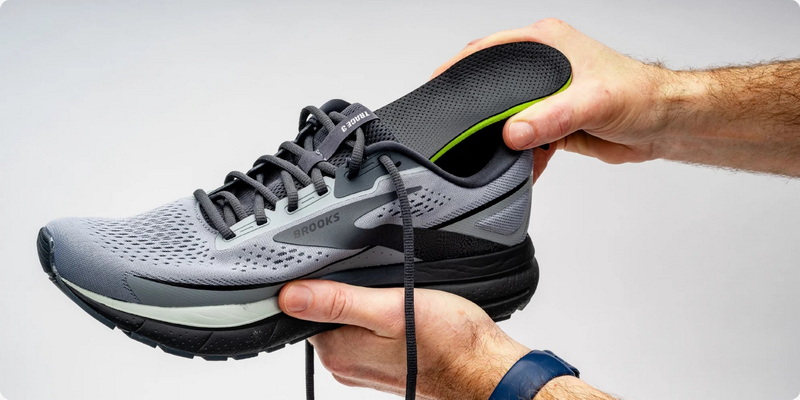
Proper footwear selection is critical to maximizing the benefits of your insoles:
- Ensure shoes offer enough internal volume to accommodate the additional structure of the insole.
- Styles with removable footbeds are preferable, as they allow better fit and stability.
- Tight or low-profile shoes (pumps, ballet flats, certain boots) may require three-quarter length or low-volume orthotics.
If the orthotics do not fit securely or distort the shoe's shape, consult your provider for recommendations on suitable footwear. Remember, improper shoe pairing can hinder the corrective function of your insoles.
Orthopedic insoles are built for longevity, but regular maintenance maximizes their effectiveness:
- Remove insoles nightly to air out and inspect for wear.
- Clean gently as per manufacturer instructions to prevent bacterial growth or odor.
- Replace insoles every 6–24 months, depending on wear patterns, usage intensity, and doctor's advice.
- Attend yearly check-ups with your podiatrist to review their effectiveness and adjust as necessary.
Neglecting maintenance could result in reduced support and potential aggravation of symptoms.
Beginner users sometimes face issues when starting with orthopedic insoles:
- Insole Slipping: Make sure the insole is properly sized for the shoe.
- Soreness After Prolonged Wear: Reduce usage duration if soreness occurs beyond initial adaptation.
- Blisters or Redness: Double-check shoe fit and speak to your doctor about pressure point relief.
- Persistent Pain: Customization is sometimes needed for unique biomechanical challenges.
Most problems are easily managed with patient feedback and minor adjustments.
Sticking to prescribed insoles and your doctor's plan brings major lifestyle enhancements:
- Reduced pain during walking, standing, and exercise
- Improved mobility and stamina for daily activities
- Enhanced posture, which may relieve related knee, hip, and lower back issues
- Decreased injury risk, especially for athletes or active workers
By steadily adapting to your insoles, you invest in better health across your whole body.
Several myths surround orthopedic insoles:
- Myth: “Orthotic insoles can fix any foot problem instantly.”
- Fact: Insoles are part of a comprehensive management plan—alongside exercise, stretching, proper footwear, and medical care.
- Myth: “Only elderly people need orthotics.”
- Fact: Orthopedic insoles benefit people of all ages—athletes, workers, diabetics, children, and adults alike.
- Myth: “Generic insoles and custom orthotics are the same.”
- Fact: Custom orthotics provide tailored support and are designed for specific medical needs, unlike general shoe inserts.
- Always consult your doctor before switching insoles or making adjustments.
- Track symptoms and comfort levels during the adaptation period; share with your clinician if problems persist.
- If traveling, pack an extra pair for convenience and hygiene.
- Orthopedic insoles often complement physical therapy and stretching exercises—ask your doctor about comprehensive care.
Successfully transitioning to doctor-prescribed orthopedic insoles is a gradual process requiring patience, proper shoe pairing, and consistent communication with your healthcare provider. Begin with short wear periods, proceed to full-day use step-by-step, and pay attention to your comfort and foot health. Clean your insoles regularly, attend foot check-ups, and embrace this journey as an investment in lifelong mobility, comfort, and wellbeing. Orthopedic insoles are more than medical devices—they're allies in your pursuit of pain-free living.
Most people require 2–4 weeks for full adjustment, gradually increasing wear time as comfort improves.
Use them for exercise only after you can wear them all day comfortably—typically after 1–2 weeks of safe adaptation.
Discontinue use and consult your provider; they may need adjustment or further customization.
Yes, remove any original liners/insoles for best fit and effectiveness.
Most orthotics last 6–24 months; replace them if visibly worn or less supportive.


