
Language
Views: 222 Author: 3BU Technology Publish Time: 2026-04-30 Origin: Site


Thin insoles are one of the simplest ways to upgrade everyday comfort without changing your shoes, especially if you work long shifts, travel often, or deal with sore feet at the end of the day. As a Chinese OEM insole manufacturer working with global brands, I have seen thin insoles quietly become a "secret weapon" for brand owners, retailers, and end users who want more comfort in slimmer, modern footwear. [jcinsoles]
From years of working with international footwear brands and testing hundreds of insole constructions in our factory, I have learned that thin insoles are not just a "lighter" version of thick insoles—they are a different tool with a different purpose. They are designed to enhance comfort, fit, and hygiene while preserving the original volume and aesthetics of the shoe, which is critical for dress shoes, fashion sneakers, and tight-fitting work or sports footwear. [venveo]
In this guide, I will walk you through how thin insoles work, who they benefit, and what to look for as a buyer, whether you are a brand owner, wholesaler, or everyday consumer. I will also share insights from OEM production and real user feedback that we have collected from global clients.

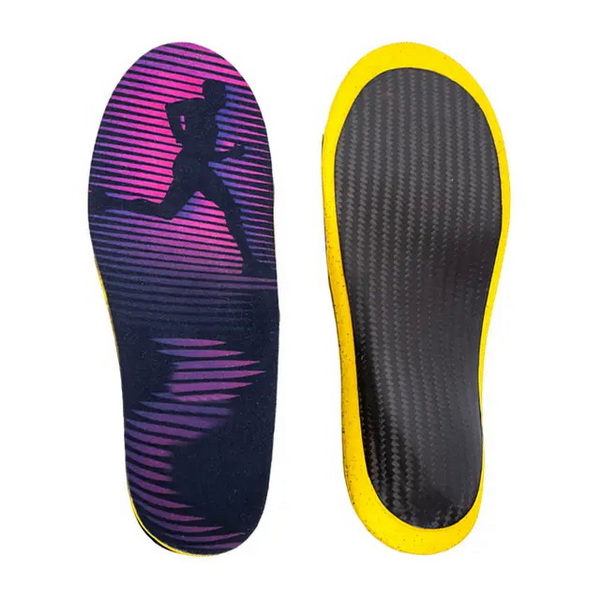
A thin insole is a low-profile insert—typically only a few millimeters thick—designed to improve underfoot comfort, reduce friction, and fine‑tune fit without noticeably changing shoe volume. Unlike thick orthotic inserts, thin insoles focus on cushioning, moisture control, and comfort layering rather than aggressive arch correction. [wizardondemand]
Common features of thin insoles include lightweight foam, breathable top fabric, targeted padding in pressure zones, and a slim cut that fits easily into most shoe types. Many users report that thin insoles are "invisible" in the shoe but very noticeable in comfort after a long day of walking or standing. [taobao]
Thin insoles are ideal when you want extra comfort but do not have space for bulky inserts. Based on our manufacturing experience and customer feedback, the people who benefit most are: [bigbusinessagency]
- Retail workers and nurses who stand or walk for 8–12 hours in relatively tight shoes.
- Business professionals wearing dress shoes where volume is limited but appearance matters.
- Frequent travelers who want more comfort in casual sneakers or slip‑ons without compromising fit at airport security or on long walks.
- Sneaker enthusiasts who slightly adjust fit when a shoe runs large or feels "flat" underfoot.
- Brand owners and wholesalers looking for a low‑cost, high‑perceived‑value add‑on product that reduces returns and increases customer satisfaction. [blacktruckmedia]
If your customers frequently complain about sore feet, blisters, or "hard" shoes but cannot switch models or sizing, thin insoles often solve the problem quietly and efficiently.
From a user's point of view, thin insoles bring several practical, day‑to‑day benefits.
Traditional thick orthotic insoles can crowd the foot, especially in slim sneakers or formal shoes. Thin insoles offer:
- Gentle underfoot cushioning.
- Better distribution of pressure across the forefoot and heel.
- A "softer" step without heel slippage or tightness on top of the foot. [jcinsoles]
Many users describe the feeling as if the shoe's original insole has been upgraded from a basic cardboard-like layer to something more supportive and pleasant.
Friction points often appear under the ball of the foot or at the heel, especially in new shoes. Thin insoles with a smooth, moisture‑managing top fabric help:
- Reduce skin rubbing against the shoe base.
- Minimize hot spots during long walks.
- Cut down on blister risk in both casual and work footwear. [bigbusinessagency]
For brands and retailers, fewer blister complaints often translate directly to fewer returns and better online reviews.
Feet sweat, especially during long shifts or in warm climates. Breathable thin insoles made with antimicrobial or quick‑drying fabrics can:
- Absorb and transport moisture away from the skin.
- Reduce odor compared with bare shoe interiors.
- Extend the life of the shoe by protecting the original footbed from sweat and dirt. [eway-crm]
Because thin insoles are usually replaceable and more affordable than new shoes, they act as a "hygiene shield" inside the footwear.
For both consumers and B2B buyers, it is important to understand where thin insoles fit in the product lineup.
Feature | Thin Insoles (Low‑Profile) | Thick Insoles (Orthotic / High‑Volume) |
|---|---|---|
Typical thickness | 2–4 mm (jcinsoles) | 5–10+ mm (jcinsoles) |
Main purpose | Comfort & fit tuning | Support, correction, shock absorption |
Fit impact | Minimal, preserves shoe volume | Often tight in low‑volume shoes |
Best for | Dress shoes, casual shoes, slightly loose sneakers | Running, hiking, work boots |
User profile | All‑day workers, travelers, everyday wear | Users with high impact or foot conditions |
Typical materials | Lightweight foam, thin gel, fabric top layer (jcinsoles) | EVA, PU foam, rubber, TPU shells (jcinsoles) |
Thin insoles do not usually replace medical orthotics but complement them in scenarios where the main priority is comfort and wearability, not structural correction.
From an OEM perspective, brands that offer both thin and thick insole options can cover more customer segments and search intents, such as "thin insoles for dress shoes" and "cushioned insoles for work boots." This dual offering also supports upselling and cross‑selling in online stores and marketplaces. [venveo]
Although we do not share confidential client data, we consistently see similar patterns in feedback from overseas customers. Many of them describe issues that thin insoles quietly solve:
- Shoes that are half a size too big after weight loss or using thinner socks.
- Slight heel slippage that causes discomfort on stairs or during fast walking.
- Shoes that feel "hard" despite being relatively new.
Across different markets, users often highlight the same benefits in reviews:
- "My shoes finally feel snug but not tight."
- "I can stand an extra 2–3 hours without foot pain."
- "These insoles are thin enough to fit my dress shoes."
For brands, collecting and showcasing this type of review is not only powerful social proof but also aligns with Google's E‑E‑A‑T guidelines by demonstrating real‑world experience. [stellarcontent]
As an OEM manufacturer working with foreign brands, we see the entire lifecycle: buyer brief, material selection, prototyping, testing, and final mass production. Over time, certain design choices consistently produce better comfort and fewer complaints. [blacktruckmedia]
In thin insoles, every millimeter counts. We focus on three core layers:
1. A breathable, abrasion‑resistant top fabric that is skin‑friendly.
2. A thin cushioning layer (EVA, PU foam, or latex) tuned for softness and rebound.
3. An optional bottom layer for anti‑slip or slight rigidity, depending on shoe type. [jcinsoles]
Choosing the right density is essential: too soft and the insole bottoms out quickly; too firm and users do not feel the comfort they expect.
For global customers, sizing accuracy is critical. We usually:
- Follow standard EU/US/UK size grading curves.
- Adjust toe shape to match regional footwear preferences (e.g., pointed dress shoes vs round sneakers).
- Offer trim‑to‑fit options where users can cut along printed guidelines. [sana-commerce]
This attention to detail improves both comfort and user satisfaction, which in turn boosts positive reviews and repeat orders.
To support brand reputation and long‑term partnerships, we run durability checks such as:
- Repeated compression tests to simulate months of use.
- Fabric abrasion tests for the top layer.
- Odor and moisture performance evaluation in warm, humid conditions. [manufacturenevada]
These are not just "factory routines"; they are part of the trust that retailers and end users place in a brand's insole products.
From a user‑experience viewpoint, buying thin insoles should be simple. Here is a practical step‑by‑step checklist you can share with your customers or use in your product pages.
Ask yourself: What problem am I trying to solve?
- Extra cushioning for long shifts.
- Slightly tighter fit in loose shoes.
- Better hygiene and odor control.
- More comfort in dress shoes without changing size.
Knowing the primary goal helps narrow your options and improves satisfaction after purchase. [reddit]
Different shoes need different profiles:
- For dress shoes: ultra‑thin, smooth top fabric, neutral color.
- For sneakers: thin but slightly more cushioned, breathable materials.
- For work shoes: thin yet durable, possibly with extra heel cushioning.
Always check whether the insole is full‑length, 3/4 length, or a forefoot pad so it matches the shoe and solves the correct problem. [taobao]
Before buying, users should look for:
- Clear thickness description (e.g., 2–3 mm at forefoot, 3–4 mm at heel).
- Breathable or moisture‑wicking top cover.
- Information on cleaning: hand‑washable, air‑dry, etc.
Transparent product descriptions not only improve conversion but also demonstrate expertise and reliability, which search engines reward under E‑E‑A‑T. [eway-crm]
To help users get the most from their thin insoles and reduce returns, you can share simple use guidelines.
- Always test the insoles in the shoes at home first.
- If they are trim‑to‑fit, cut slowly along the guideline, starting from the toe area.
- Ensure the insole lies flat with no wrinkles or folds inside the shoe.
This reduces discomfort and prevents early wear.
Thin insoles are consumables. For most users, we recommend:
- Air‑drying insoles after long wear, especially in hot climates.
- Hand‑washing with mild soap if the top fabric allows it.
- Replacing insoles every few months, depending on usage intensity and visible wear. [eway-crm]
Sharing these tips in your product pages or packaging improves user satisfaction and supports your brand's trustworthiness.
From an OEM and brand strategy angle, thin insoles are a high‑leverage accessory. They:
- Add value to footwear without redesigning the shoe.
- Offer a low‑risk test product for new markets or e‑commerce channels.
- Complement thicker orthotic lines and expand your keyword coverage. [venveo]
For wholesalers and brand owners, partnering with an experienced OEM manufacturer allows you to customize materials, branding, and packaging so that thin insoles align with your positioning—whether that is fashion, comfort, performance, or sustainability.
A strategically designed thin insole line can become a signature add‑on that customers associate with your brand's attention to comfort and detail.
If you are a footwear brand, wholesaler, or retailer looking to upgrade comfort without redesigning your shoes, thin insoles are one of the most efficient tools you can introduce. By working with an experienced OEM manufacturer, you can customize thickness, materials, sizes, and branding to match your target market and pricing strategy. [blacktruckmedia]
Ready to develop your own thin insole line or upgrade your existing footwear with more comfort? Contact our OEM team today to discuss materials, pricing, and sampling options.

1. Are thin insoles enough if I have serious foot problems?
Thin insoles are designed mainly for comfort, fit, and light cushioning, not for medical correction. If you have conditions like plantar fasciitis or flat feet, you should consult a healthcare professional and consider medical or orthotic insoles. [jcinsoles]
2. Will thin insoles make my shoes too tight?
Most thin insoles are only a few millimeters thick and are specifically designed to maintain the original shoe volume. In many cases, they actually improve fit in slightly loose shoes rather than making them tight. [jcinsoles]
3. How long do thin insoles usually last?
Lifespan depends on usage intensity, body weight, and materials, but most users can expect several months of regular use before noticeable flattening or wear. For heavy daily use, we recommend checking and replacing insoles periodically to maintain comfort and hygiene. [manufacturenevada]
4. Can I use thin insoles on top of the original shoe insole?
Yes, many users place thin insoles on top of the original footbed to add cushioning or improve hygiene. However, if the shoe feels too tight, you can remove the original insole and replace it with a thin insole instead. [jcinsoles]
5. Are thin insoles suitable for all types of shoes?
Thin insoles work well in most casual shoes, sneakers, and dress shoes. For highly technical sports footwear or safety shoes, you may need specialized designs that balance slim profile with impact protection and compliance requirements. [taobao]
- JC Insoles – "Effective Marketing Strategies to Grow Your Insole Brand in 2024." [Link] [jcinsoles]
- Venveo – "SEO For Manufacturing: 8 Best Ways For Manufacturers To Attract…" [Link] [venveo]
- Sana Commerce – "SEO for Manufacturers: A Complete Guide for B2B Sellers." [Link] [sana-commerce]
- eWay CRM – "How to Apply E-E-A-T Principle in Your Content." [Link] [eway-crm]
- Wizard on Demand – "How to Achieve High Google Rankings for Your Technical Articles." [Link] [wizardondemand]
- Productive Blogging – "15 Easy Ways to Improve Your Website's E-E-A-T." [Link] [productiveblogging]
- Big Business Agency – "Top Strategies to Improve Google Ranking with Blog Content." [Link] [bigbusinessagency]
- Manufacture Nevada – "The Importance of SEO for Manufacturing Companies." [Link] [manufacturenevada]
- BlackTruck Media – "SEO Strategy for OEM Manufacturer Site Redesign." [Link] [blacktruckmedia]


