
Language
Views: 222 Author: Edvo Publish Time: 2025-12-24 Origin: Site


Content Menu
● Introduction to Foam Insoles
● Primary Materials Used in Foam Insoles
>> 1. EVA (Ethylene Vinyl Acetate)
>> 3. Memory Foam (Viscoelastic Foam)
● Additional Functional Layers and Additives
● How Foam Insoles Are Manufactured
● Key Advantages of Foam Insoles
● The Role of Design and Ergonomics in Foam Insoles
● Sustainability in Insole Manufacturing
● Applications of Foam Insoles Across Footwear Categories
● Quality Control and International Standards
● FAQ
>> 1. What materials are most commonly used in foam insoles?
>> 2. Are foam insoles safe for long-term use?
>> 3. Can foam insoles be customized with my logo?
>> 4. How often should foam insoles be replaced?
>> 5. Are foam insoles environmentally friendly?
Foam insoles are a fundamental part of footwear design, playing a key role in improving comfort, support, and performance. Whether used in running shoes, safety boots, or casual footwear, foam insoles determine how shoes feel, perform, and last. Understanding their material composition is essential for brands, wholesalers, and OEM partners who want to provide high-quality, durable products to global consumers.
As one of China's leading insole manufacturers, we specialize in producing foam insoles tailored for international footwear brands. This article explores what foam insoles are made of, how they are produced, their advantages, and the factors influencing material choice for different applications.

Foam insoles provide essential shock absorption and help distribute pressure evenly across the feet. They reduce fatigue, increase comfort, and assist with posture correction by supporting natural foot alignment. For footwear designers, choosing the right foam type can significantly affect how consumers perceive the shoe's comfort and performance.
Today, foam insoles are not limited to a single type of material. Instead, they are engineered from a combination of foam compounds and surface fabrics to meet specific comfort, durability, and breathability requirements. This allows manufacturers to produce insoles that meet diverse functional goals—from athletic performance to orthopedic support and sustainable design.
The quality and feel of a foam insole largely depend on its base material. Each foam type offers unique advantages related to density, elasticity, resilience, and breathability. The most common materials in modern insole production include EVA, PU, Memory Foam, Latex, and Gel-Foam composites.
EVA foam is one of the most widely used materials due to its lightweight structure, flexibility, and cushioning properties. It provides reliable shock absorption and impact protection, which makes it ideal for sports and outdoor footwear. EVA is also easy to mold into various contours, giving manufacturers the flexibility to produce ergonomic and stylish designs.
EVA can be formulated in multiple densities, from soft and springy forms for running shoes to firmer versions for work boots. Another benefit of EVA is cost efficiency—it is affordable and suitable for large-scale OEM production without compromising quality. Many brands combine EVA foam with fabric covering or mesh to enhance comfort, breathability, and appearance.
Polyurethane foam is preferred for its elasticity and durability. It provides consistent cushioning over time and resists compression even with heavy use. PU foam insoles have a rich, supportive feel, making them ideal for premium and professional-grade footwear. The material conforms gently to the feet while maintaining structure and stability, giving users a balanced blend of comfort and longevity.
PU foam is particularly suitable for insoles designed for extensive walking, standing, or running. Its strong rebound and pressure-relief characteristics reduce joint stress and prevent fatigue during long wear periods. Many high-end OEM shoe projects use PU for its reliability and premium tactile experience.
Memory foam is known for adapting precisely to each foot's shape, offering customized comfort and superior cushioning. It softens under pressure and body heat, molding naturally to the curves of the foot. After use, it slowly returns to its original shape, a feature that distinguishes it from other materials.
This unique property makes memory foam highly effective for orthopedic and comfort-oriented footwear. It reduces foot strain and promotes even weight distribution, particularly beneficial for people with foot pain, high arches, or plantar fasciitis. However, memory foam tends to retain heat, so manufacturers often combine it with moisture-absorbing fabrics or perforation designs to enhance breathability.
Latex foam is another valued material, appreciated for its natural elasticity, ventilation, and antibacterial qualities. Derived from natural or synthetic rubber, latex provides instant responsiveness with a light bounce. It allows air to flow through the insole, keeping the foot cool and dry throughout the day.
Natural latex is preferred by environmentally conscious brands due to its biodegradability and renewable sourcing. However, latex may wear down faster than PU or EVA over time, which is why it's more commonly used in lifestyle footwear rather than heavy-duty or athletic models. Its soft, breathable nature makes it a favorite for consumers who prioritize comfort and sustainability.
Gel-foam hybrids combine the benefits of foam cushioning with the enhanced shock absorption of gel pads. The gel component, often placed in the heel or forefoot zones, minimizes impact stress and improves weight transition during walking or running. This dual-layer design maximizes comfort and stability, helping users maintain energy during physical activities.
Gel-infused insoles are used in sportswear, fitness shoes, and occupational footwear for people who stand or walk for extended hours. The combination of foam flexibility and gel resilience creates a superior cushioning effect that outperforms traditional single-material insoles.
Modern foam insoles are complex, multi-layered structures that integrate additional materials to enhance performance, hygiene, and durability. These include:
- Antimicrobial treatments: Applied to prevent odor and bacterial growth, ensuring hygiene for daily or sports use.
- Activated carbon layers: Help absorb moisture and neutralize odors naturally.
- Textile top covers: Materials such as mesh, microfiber, or bamboo fabric provide softness and quick-drying features.
- Structural reinforcements: TPU or carbon fiber elements can be embedded to improve arch support and anatomical stability.
- Surface coatings: Some insoles use UV-resistant or water-repellent coatings for added protection.
These functional layers align with the high demands of international footwear markets that require comfort, durability, and style without sacrificing hygiene and safety.
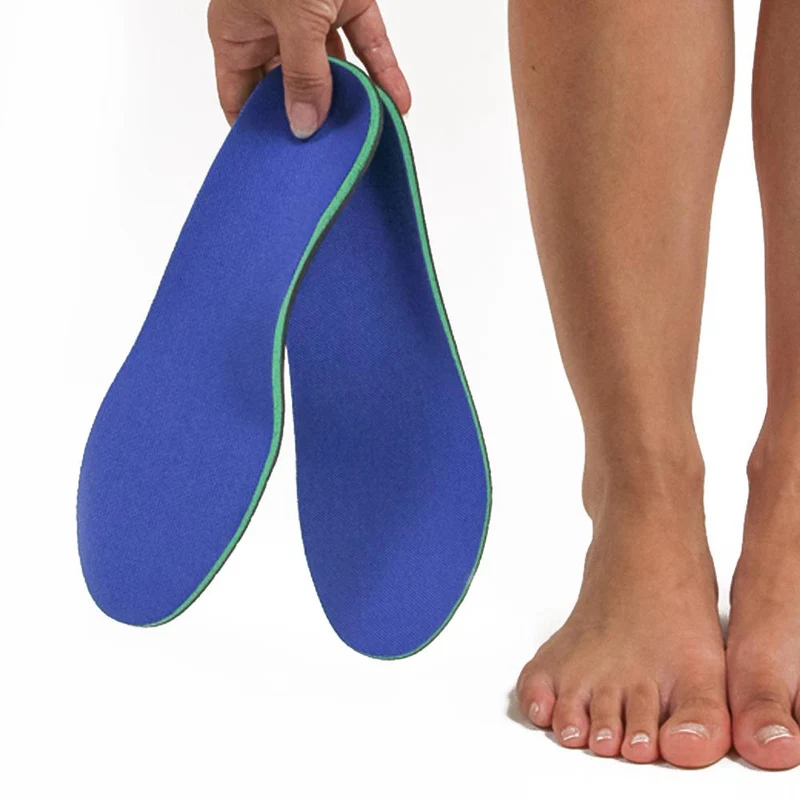
The production of foam insoles combines chemistry, precision engineering, and craftsmanship. The process generally includes the following stages:
1. Material formulation: Foam materials are produced formulating resin compounds or rubber blends with specific hardness and elasticity levels.
2. Foam molding: Using heat-compression or injection techniques, foam blocks or sheets are expanded and shaped into uniform sheets or molded insoles.
3. Cutting and shaping: CNC or die-cutting technology ensures accurate sizing based on shoe designs.
4. Molding and contouring: 3D compression molds create heel cups, arches, and toe lift for ergonomic comfort.
5. Lamination: Fabric layers and reinforcements are bonded with water-based adhesives that are environmentally friendly.
6. Quality control: Tests measure rebound resilience, hardness uniformity, and deformation after stress to ensure consistent quality.
As a leading OEM insole manufacturer, we utilize advanced molding technologies and digital cutting systems to meet international standards for precision, comfort, and durability. This ensures that every pair leaving the production line meets the specifications required by global footwear brands.
Foam insoles continue to dominate the footwear market due to their versatility and performance benefits. The key advantages include:
- Superior cushioning: Absorbs shock and reduces joint strain.
- Lightweight construction: Promotes comfort in extended wear.
- Versatility: Suitable for sports, casual, safety, and orthopedic footwear.
- Durability: High-quality PU and EVA resist compression over time.
- Breathability: Latex and perforated foam designs enhance airflow.
- Affordability: Offers comfort and quality at scalable production costs.
- Customization: Easily molded, dyed, or branded for OEM clients.
Because foam materials can be formulated in different densities and hardness levels, manufacturers can adjust performance attributes like support, stability, and flexibility to align with product positioning.
Beyond material selection, design plays a critical role in insole performance. Foot anatomy, walking patterns, and specific use cases influence how insoles should be structured.
Professional OEM manufacturers employ ergonomic modeling and biomechanical testing to design insoles that follow natural foot contours. Arch height, heel thickness, and toe spring are carefully calculated to ensure balance and posture alignment.
Some advanced insoles feature zonal support technologies, where different foam densities are strategically placed under the heel, arch, and forefoot areas. This approach provides dynamic comfort while maintaining proper movement mechanics.
Sustainability has become a top concern for modern brands and buyers. Foam insole production now embraces eco-friendly materials and greener processes to meet environmental expectations and compliance standards.
Eco-conscious materials include:
- Bio-based EVA: Made from sugarcane or other plant-based sources, offering reduced carbon emissions.
- Natural latex: Renewable and biodegradable, suitable for eco footwear.
- Recycled PU: Formulated using repurposed foam waste from previous production.
Additionally, many factories are shifting toward:
- Water-based adhesives: Replacing solvent-based glues to minimize VOC emissions.
- Non-toxic dyes: Ensuring safe contact and reducing environmental pollution.
- Energy-efficient molding systems: Lowering power consumption during production.
These innovations align with international sustainability goals and help brands promote greener products without sacrificing performance.
Because foam can be engineered in various densities and forms, it fits almost every shoe category:
- Sports and running shoes: Use lightweight EVA and gel-foam for flexibility and shock protection.
- Work and safety boots: Incorporate dual-density PU layers for impact resistance and durability.
- Casual and lifestyle shoes: Often use memory or latex foam for comfort and breathability.
- Orthopedic and medical shoes: Utilize contour-molded memory foam and gel inserts for targeted relief.
- Children's footwear: Combines soft EVA or PU with breathable fabrics to support foot growth.
- Eco-friendly footwear: Employs natural or recycled materials to meet sustainability goals.
Each category requires a different balance of cushioning, durability, and design. OEM manufacturers adjust formulations and production techniques to meet each requirement precisely.
For export-oriented manufacturers, maintaining strict quality standards is essential. Foam insoles must comply with international testing protocols covering comfort, strength, and safety.
Typical quality checks include:
- Compression and rebound tests for resilience.
- Abrasion resistance for long-term use.
- Dimensional accuracy for consistent sizing.
- Bacterial and odor control verification for hygiene.
Meeting certifications such as ISO 9001, REACH, or RoHS ensures that insoles meet global buyers' expectations and local regulatory standards.
A strong OEM capability allows overseas brands to develop unique insole designs that align with their brand identity and consumer market. OEM customization includes:
- Material selection and density adjustment.
- Private mold design for brand exclusivity.
- Logo embossing and color branding.
- Custom textile lamination for visual appeal.
- Packaging and labeling for direct export.
From prototype development to bulk manufacturing, professional OEM suppliers provide full-cycle support to help clients expand their product line quickly and efficiently while maintaining consistent quality.
Foam insoles are a combination of comfort, performance, and design innovation. Made from materials such as EVA, PU, memory foam, latex, and gel-foam composites, they offer a wide spectrum of comfort levels and functional benefits suitable for every type of shoe.
For footwear brands, choosing the right material mix and manufacturing partner determines product value and customer satisfaction. As a leading insole manufacturer in China, we provide OEM services that include material customization, ergonomic design, and sustainable production practices. With a balance of advanced technology and quality management, we help global brands deliver footwear that feels as good as it looks.
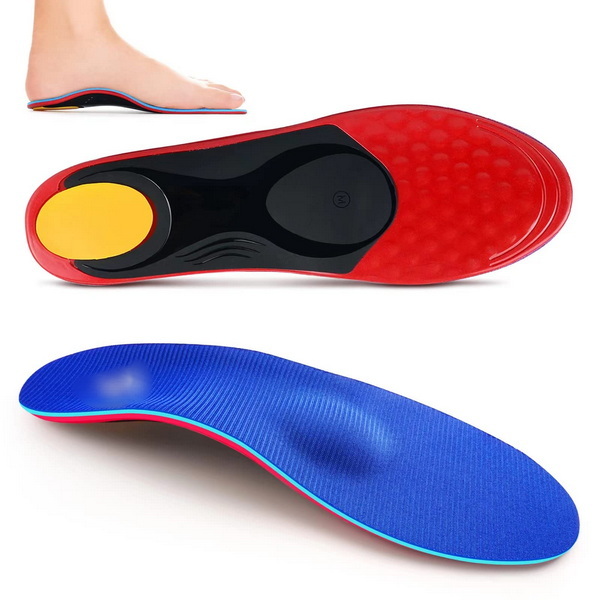
EVA and PU foams are the most popular materials due to their durability, cushioning, and cost efficiency. Memory foam and latex are used for comfort-oriented footwear, while gel-foam hybrids cater to high-impact shoes.
Yes. High-quality foam insoles made with non-toxic and environmentally friendly materials are suitable for long-term wear. Manufacturers also apply antimicrobial coatings to prevent odor and bacteria build-up.
OEM manufacturers can customize insoles with brand logos, printed designs, embossed patterns, and fabric covers that reflect your brand identity and market focus.
On average, insoles should be replaced every six to twelve months, depending on usage intensity. Heavy users may need replacements sooner to maintain comfort and support.
Yes, eco-friendly versions of foam insoles are now made from bio-based EVA, natural latex, or recycled polyurethane. These materials reduce carbon emissions and support sustainability goals.


