
Views: 222 Author: Edvo Publish Time: 2025-12-09 Origin: Site


Content Menu
● What Are Heat Moldable Insoles?
● Core Thermo‑Responsive Materials
>> Ethylene‑Vinyl Acetate Foam
>> Thermoplastic Support Plates
● Cushioning and Comfort Layers
● Top Cover and Skin‑Contact Surface
>> Fabric and Synthetic Covers
● How Heat Molding Works in Practice
● Performance and Biomechanical Benefits
● Typical Layered Construction
● Design Options for Different Markets
● Why Overseas Brands Choose Heat Moldable Insoles
● OEM Opportunities for Global Partners
● Environmental and Sustainability Considerations
● FAQ
>> 1. What are the key materials in heat moldable insoles?
>> 2. How do heat moldable insoles help with comfort?
>> 3. Are heat moldable insoles only for athletes?
>> 4. How often can an insole be remolded?
>> 5. What should brands discuss with an OEM factory before launching a heat moldable insole line?
Heat insoles are built from thermo‑responsive materials that soften when warmed, then reset into a stable, supportive shape as they cool. They combine cushioning foams, supportive shells, and comfortable top covers to create a custom fit for different feet and applications.

Heat moldable insoles are footbeds designed to change shape under controlled heat so they can follow the exact contours of the user's arches, heels, and forefoot. This molding effect lets brands offer a near‑custom fit without the complex process of fully bespoke orthotics.
Once heated and placed inside the shoe, the insole is shaped by body weight and posture while the wearer stands or walks for a short time. After cooling, the material becomes firm again, keeping much of the new profile and improving fit, comfort, and support during everyday use.
The defining feature of a heat moldable insole is its core layer of thermo‑responsive material that can be repeatedly softened and reshaped within a specific temperature range. This core must be soft enough to mold around the foot yet strong enough to support the body during regular activity.
To meet these demands, manufacturers use carefully engineered foam systems and plastic plates that offer resilience, stability, and predictable behavior when heated. By adjusting the composition and density of these materials, a factory can create insoles that range from soft comfort types to firm medical‑grade devices.
Ethylene‑vinyl acetate foam is widely used as a base material because it is light, resilient, and easy to process in sheets, blocks, or pre‑cut shapes. When warmed to its activation temperature, this foam becomes more flexible and can take on the details of the wearer's plantar surface.
After molding, the foam rebounds partially but keeps enough of the new contour to support the foot and maintain improved pressure distribution. Different hardness levels allow manufacturers to produce soft cushions for casual shoes or firmer platforms for performance and work footwear.
Polyurethane foam is selected for designs that require stronger support, long‑term durability, and a more energetic feel underfoot. In heat moldable insoles, it is formulated to soften enough for shaping while preserving its ability to carry higher loads and resist long‑term compression.
Compared with softer foams, this material tends to feel more supportive and stable, which is attractive for sports, outdoor, and occupational safety products. It can be used as a full‑length core or as localized reinforcement under the heel and arch areas.
Polyethylene‑based foams offer an appealing balance of moldability, structural stability, and ease of processing. These foams can be heated, shaped around the foot, and then cooled to create a relatively firm platform that still provides some cushioning.
They are widely used in orthopedic workshops and industrial insoles because they maintain their shape well over time. By layering this foam with other materials, factories can create hybrid constructions that combine stiffness, resilience, and comfort.
Many heat moldable insoles include a semi‑rigid or rigid support shell hidden beneath the softer foam layers. The shell acts as the skeleton of the insole, guiding the foot into a more efficient, aligned position while still allowing heat‑based customization.
This shell can be pre‑shaped to match common arch heights and later refined during the molding process. It may cover the full length of the insole or focus on the rearfoot and midfoot to control heel position, arch collapse, and rotational movement during gait.
Support shells are often made from thermoplastic materials that soften when heated and harden again as they cool. During molding, the plate can wrap more closely around the plantar surface, creating a precise arch profile and heel cup.
Once set, the plate provides firm resistance against the flattening of the arch and unwanted foot motion. This structure is vital for insoles intended to manage biomechanical issues such as over‑pronation, supination, or instability during dynamic movements.
Above the structural elements, cushioning layers give the insole its immediate comfort and plush feel. These layers smooth out the contact between the foot and the shell, help distribute pressure, and reduce the impact of each step.
Comfort layers can be tuned to specific activities. For example, softer, thicker cushioning may be used in insoles for standing all day, while firmer, thinner cushions suit precise sports or tight‑fitting footwear. This tuning ability allows an OEM factory to adapt designs quickly to different customer segments.
Memory‑type foams are popular as top comfort layers in heat moldable insoles. They respond gradually to heat and pressure from the foot, molding to small variations in shape that the main thermo‑responsive core might not capture fully.
This slow‑recovery behavior creates a cradling sensation that many users associate with premium comfort. Combined with a heat molded base, these foams deliver a double‑layer customization effect: the core sets the main form, while the top layer fine‑tunes contact and pressure.
Some constructions add specialized shock‑absorbing regions under high‑impact zones such as the heel and forefoot. These zones can be made from softer foams or gel‑like materials that compress more under load but rebound quickly.
By targeting only selected areas, manufacturers can balance cushioning and stability. The midfoot and arch may remain relatively firm for support, while the rearfoot and forefoot feel more forgiving on hard surfaces.
Cork‑blend layers have become a favored choice for brands seeking more natural materials with good support and moldability. When combined with compatible foams, cork‑based composites can be heated and shaped to the foot, then firm up into a stable, long‑lasting platform.
Cork offers springiness, moisture regulation, and a distinctive feel many users appreciate in comfort or orthopedic footwear. It also suits brand stories that highlight sustainability and long service life.
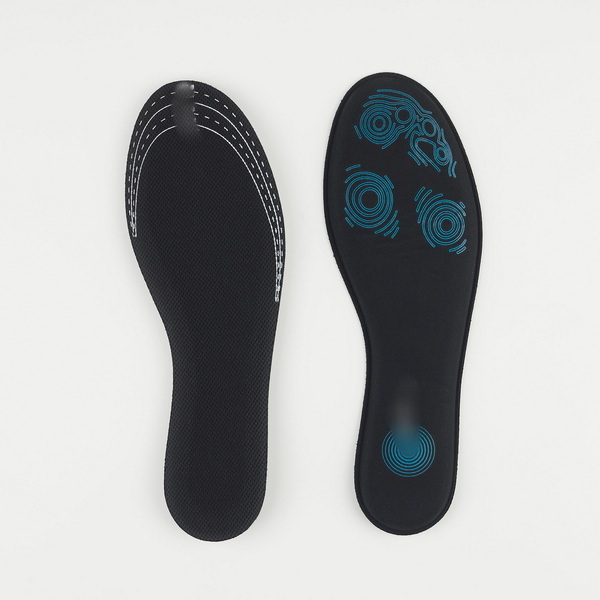
The top cover is the layer that directly touches the sock or skin, so it strongly influences perceived comfort and hygiene. It must cooperate with the molded shape while handling friction, sweat, and repeated flexing.
Manufacturers may choose soft textile covers for a warm, fabric‑like feel or smooth, more technical surfaces for better in‑shoe grip. Surface treatments can help manage moisture, reduce odor, and keep the insole fresher for longer periods of use.
Textile covers often use tightly woven or knit fabrics that wick moisture away from the skin. Some are bonded to very thin foam underlayers to add a touch of softness while still transmitting the shape of the underlying molded structure.
Synthetic surface materials, on the other hand, are chosen for resistance to abrasion and ease of cleaning. These covers tend to be popular in work footwear, outdoor shoes, and insoles designed for heavy daily use.
The heat molding process begins with warming the insole to the manufacturer's recommended temperature range, usually using an oven or professional heater. At this point, the thermo‑responsive components become flexible and ready to take on a new shape.
The warm insole is then placed into the shoe, and the user stands or walks for a short period so that body weight and natural stance press the material against the foot. As the insole cools to room temperature, it transitions back to a firmer state and captures much of the customized profile created during this brief molding session.
Because heat moldable insoles follow the unique contours of each foot, they can spread pressure more evenly than flat or generic insoles. This improved distribution reduces the risk of concentrated stress on sensitive spots, blisters, or local irritation.
Well‑designed versions with supportive shells can also improve foot alignment and stability. Better control of arch behavior and heel position can influence the movement of the entire lower limb chain, potentially reducing stress on ankles, knees, hips, and even the lower back.
Although designs vary among brands and target markets, many heat moldable insoles follow a similar multi‑layer structure. This structure allows different materials to perform specialized roles while working together as one integrated system.
A typical layout might include a supportive base or shell, one or more cushioning foam layers, and a comfortable, durable top cover. Additional elements such as heel cups, metatarsal support pads, or posting wedges can be integrated into the shell or foam to address specific biomechanical needs.
One reason heat moldable insoles are attractive to global brands is the wide range of design options available. By altering materials, layer thicknesses, and shell shapes, a factory can develop models customized for sports, casual wear, dress shoes, safety boots, or medical use.
For example, a running insole may feature a relatively firm arch, responsive midfoot support, and targeted heel and forefoot cushioning. A work boot insole could prioritize all‑day shock absorption, torsional stability, and rugged surface materials to withstand demanding environments.
Heat moldable insoles offer overseas brands a way to provide a personalized experience to end users without requiring complex measurement or manufacturing systems. Retailers can heat and mold the product in store, or customers can perform the process at home following simple instructions.
This sense of personalization becomes a strong selling point. Customers feel that their footwear is tuned specifically to them, which raises perceived value, enhances comfort, and encourages loyalty to the brand that offers such a solution.
A professional insole factory can support overseas partners with tailored development, including material selection, structural design, and branding options. Because the factory controls cutting, lamination, forming, and finishing, it can adapt quickly to different specifications from international clients.
Partners can choose from a standard catalog of proven heat moldable designs or collaborate on completely new structures that match their market strategy. Elements such as custom logos, packaging, and instruction leaflets can also be integrated into the overall solution.
To ensure reliable performance, heat moldable insoles must pass several quality control steps during production. Mechanical tests can evaluate compression set, resilience, and support retention after repeated loading cycles.
Thermal testing verifies that the insoles reach the desired softness at the recommended heating temperature without degrading or deforming excessively. Dimensional checks confirm that each pair matches size specifications and that the molded shape remains stable during normal use.
As consumer awareness of sustainability grows, insole factories and brands are paying more attention to material selection and manufacturing impact. Blends that incorporate natural components such as cork or bio‑based foams can help reduce dependence on traditional petrochemical materials.
At the same time, well‑engineered heat moldable insoles with strong durability and long‑term shape retention contribute to sustainability by extending product life. The longer an insole stays comfortable and supportive, the fewer replacements consumers need, which helps reduce overall material consumption.
For end users, the experience of using heat moldable insoles should be clear and straightforward. Simple written or visual instructions can guide them through the heating and molding process, explaining how long to warm the insoles and how to stand or walk during cooling.
Regular care helps preserve performance and hygiene. Users can remove insoles from shoes after heavy use to let them dry, keep them away from extreme heat sources outside the intended molding process, and clean the surface gently according to the manufacturer's guidelines.
Heat moldable insoles are built from thermo‑responsive foams, plastic shells, and comfort layers that soften when heated and then stabilize into a personalized shape as they cool. By combining support cores, cushioning systems, and carefully chosen top covers, they deliver a customized balance of comfort, alignment, and durability for different users and footwear categories.
For overseas brands, wholesalers, and footwear manufacturers, cooperating with an experienced insole factory makes it possible to tailor every layer of the product to their own market positioning. From material recipes and hardness ranges to shell geometry and surface design, each element can be tuned to create distinctive, high‑value heat moldable insole lines that stand out in global competition.
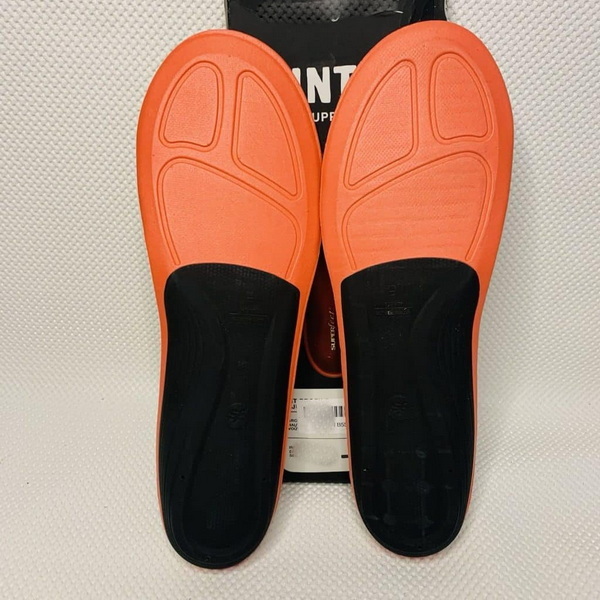
Key materials include thermo‑responsive foam systems, supportive plastic shells, and comfort layers such as memory‑type foam or cork‑based blends. Together they create a structure that can be heated, molded around the foot, and then cooled to hold a custom contour.
They help by adapting to the unique shape of the foot, spreading pressure more evenly and reducing localized stress on sensitive points. With the right combination of cushioning and support, users often experience less fatigue and improved overall comfort during long periods of standing or walking.
No, they are used in many segments, including casual shoes, work boots, outdoor footwear, and orthotic products for people with specific foot conditions. The same core technology can be tuned for different lifestyles by adjusting materials, support level, and cushioning.
In many designs, the thermo‑responsive core can be reheated and reshaped more than once, as long as the insole is treated gently and the recommended temperature is not exceeded. However, repeated molding should still follow the manufacturer's instructions to protect longevity and structural integrity.
Brands should clarify target users, footwear categories, desired support level, preferred materials, price range, and marketing story. With this information, the factory can propose suitable constructions, samples, and improvement suggestions that align with performance expectations and commercial goals.


