
Views: 222 Author: Edvo Publish Time: 2026-01-08 Origin: Site


Content Menu
● Understanding the Purpose of Orthotic Inserts
>> Common Signs of Overpronation
● How Orthotic Inserts Help with Overpronation
● Benefits of Using Orthotic Inserts for Overpronation
>> 1. Reduction of Pain and Inflammation
>> 2. Enhanced Athletic Performance
>> 3. Long-Term Injury Prevention
>> 5. Extended Footwear Lifespan
● Types of Orthotic Inserts for Overpronation
>> 4. Sports and Performance Orthotics
>> 5. Work and Safety Orthotics
● Choosing the Right Orthotic Inserts
● Materials Used in Orthotic Inserts
● How Orthotic Inserts Are Manufactured
● Maintenance and Lifespan of Orthotic Inserts
● Common Mistakes When Using Orthotic Inserts
● Industry Trends and Innovation in Orthotic Design
● The Role of OEM Manufacturers in Orthotic Development
● FAQ
>> 1. What is the main purpose of orthotic inserts for overpronation?
>> 2. Can orthotics permanently fix overpronation?
>> 3. How should I adapt to new orthotic inserts?
>> 4. Are custom inserts more effective than standard ones?
>> 5. How often should I replace my orthotic inserts?
Orthotic inserts are specialized insoles designed to optimize the alignment of your feet and ankles. For people suffering from overpronation—a condition where the foot rolls inward excessively upon impact—orthotic inserts provide targeted corrective support. They help restore natural movement, absorb pressure, and stabilize the entire lower body during walking or running.
Without proper correction, overpronation can contribute to a wide range of podiatric and orthopedic issues including plantar fasciitis, shin splints, Achilles tendonitis, and even lower back pain. Orthotic inserts act as an intermediary layer between your feet and shoes, ensuring the body's weight is distributed evenly across all contact points.
Our company, as a leading orthotic and insole manufacturer in China, partners with global footwear brands and OEM clients to produce high-quality custom and semi-custom orthotic inserts tailored to address these biomechanical issues. Through years of engineering and design experience, we understand the importance of material precision, anatomical accuracy, and ergonomic comfort in modern footwear solutions.
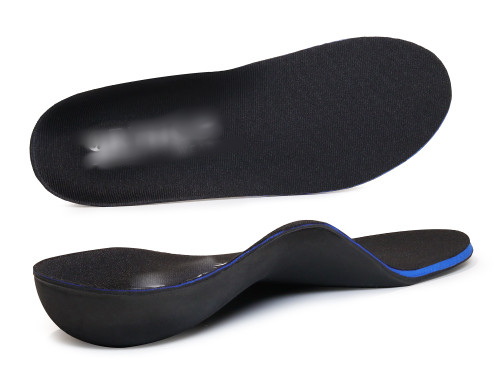
Overpronation occurs when your foot's arch collapses inward beyond its natural range during movement. This inward roll causes your ankle and knee to misalign, leading to inefficiency in gait mechanics and increased strain on muscles and ligaments.
- Visible inward tilt of the ankle when standing.
- Uneven wear on the inner sole or heel of shoes.
- Chronic soreness in arches, heels, or inner knees.
- Frequent shin splints or calf fatigue after exercise.
- Poor balance and difficulty maintaining posture.
If left unmanaged, overpronation affects the body's kinetic chain—from the feet up to the hips and spine—eventually altering body posture and movement stability. That's why early detection and correction using orthotic inserts are crucial for both athletes and everyday users.
Orthotic inserts are designed to bring biomechanical balance back to each step. By supporting the foot's natural arch and controlling excessive motion, they help prevent overpronation before it creates painful conditions.
- Arch Realignment: Reinforces natural arch curvature, preventing it from collapsing.
- Heel Stiffeners: Control rearfoot movement for improved stability and posture.
- Shock Absorption: Disperses impact energy effectively through cushioning layers.
- Pressure Redistribution: Ensures weight spreads evenly across the foot.
- Gait Correction: Guides your foot to promote natural pronation, not overpronation.
The science behind orthotic design focuses on influencing how your foot interacts with the ground. Every step initiates a chain of forces through the body; properly designed inserts control how those forces travel, reducing strain and improving energy efficiency.
Individuals suffering from persistent heel or arch pain often find immediate relief with orthotic inserts. These devices alleviate tension from ligaments and tendons, reducing inflammation and allowing natural recovery to occur.
Athletes dealing with excessive pronation can experience reduced speed or endurance due to inefficient energy transfer. Orthotic support improves gait control, energy distribution, and balance, allowing optimal athletic performance while minimizing injury risk.
Untreated overpronation progressively damages internal foot structures. Orthotic inserts prevent degenerative damage, protecting against bunions, joint misalignment, and even issues extending to the knees and hips.
Good posture begins from the ground up. Orthotic inserts help align the foot, which improves spinal alignment, reduces chronic lower back tension, and enhances standing comfort.
Shoes used by individuals with overpronation wear unevenly due to misaligned pressure points. With orthotic inserts, pressure is balanced across the outsole, preserving shoe structure and extending its usability.
The right orthotic choice depends on personal needs, lifestyle, and the severity of pronation. Each type offers different levels of correction and comfort.
These over-the-counter inserts are designed using standardized arch models. They provide moderate correction and are suitable for individuals experiencing mild to moderate overpronation.
For individuals requiring a tailored approach, custom orthotics are created using foot scans or molds. They reflect precise anatomical features and correct severe biomechanical deviations.
Semi-custom or adjustable orthotics combine standardized bases with customizable arch or heel adjustments, offering a cost-efficient yet highly comfortable alternative.
Athletes and runners benefit from advanced performance orthotics made of lightweight, shock-absorbing materials that support quick multidirectional movement without restricting natural motion.
For industrial workers, these inserts emphasize durability, anti-fatigue cushioning, and moisture-wicking designs to ensure comfort during long hours of standing or walking.
Selecting proper orthotic inserts requires evaluating your foot type, arch structure, lifestyle, and footwear preferences. Consider the following factors:
- Foot Structure: Identify whether your arches are low, medium, or high to match the insole's contoured profile.
- Material: Choose from EVA foam for flexibility, PU for durability, or thermoplastic shells for firm control.
- Cushioning Level: Balance between comfort and control based on activity intensity.
- Shoe Compatibility: Ensure adequate space inside shoes; some orthotics fit better in athletic shoes than formal footwear.
- Medical Consultation: Severe discomfort or chronic pain should be evaluated by a podiatrist before selecting inserts.
When testing orthotics, pay attention to how your feet feel after prolonged wear. You should notice enhanced stability, reduced fatigue, and smoother transitions in gait.
The effectiveness of orthotic inserts depends heavily on material selection. High-quality materials offer improved comfort, longevity, and responsiveness to foot pressure.
- EVA Foam: Lightweight, resilient, and ideal for everyday wear.
- PU Foam: Denser and more durable, providing firm yet comfortable support.
- Gel Layers: Offer excellent shock absorption properties for active use.
- Carbon Fiber Reinforcement: Used in high-performance orthotics for minimal weight with maximum stability.
- Antibacterial Fabrics: Improve hygiene by reducing odor and moisture buildup.
Premium manufacturers combine these materials into multi-layer constructions that balance flexibility, ventilation, and long-term durability.
In modern production lines, orthotic inserts for overpronation undergo precise design and engineering stages:
1. Digital Foot Scanning: Obtains 3D surface data of foot structure and gait alignment.
2. CAD Modeling: Converts scan data into adjustable 3D orthotic designs.
3. Material Cutting and Forming: Uses CNC or heat-molding techniques to shape inserts accurately.
4. Layer Bonding and Cushion Integration: Adds support layers for arch, heel cup, and forefoot cushioning.
5. Final Trimming and Finishing: Ensures perfect fitting and smooth surface edges.
By employing advanced manufacturing processes, OEM and ODM manufacturers can deliver consistent quality across mass production while maintaining biomechanical precision.
Proper care ensures orthotic inserts remain hygienic and functional over months of daily use.
- Remove the inserts after daily wear to allow ventilation.
- Clean them with mild soap and air dry before reinserting.
- Avoid heat exposure or sunlight during drying.
- Replace every 9–12 months depending on material wear, activity level, and personal usage.
Worn inserts lose their corrective structure and cushioning, diminishing their biomechanical effect. Regular replacement guarantees sustained comfort and health benefits.
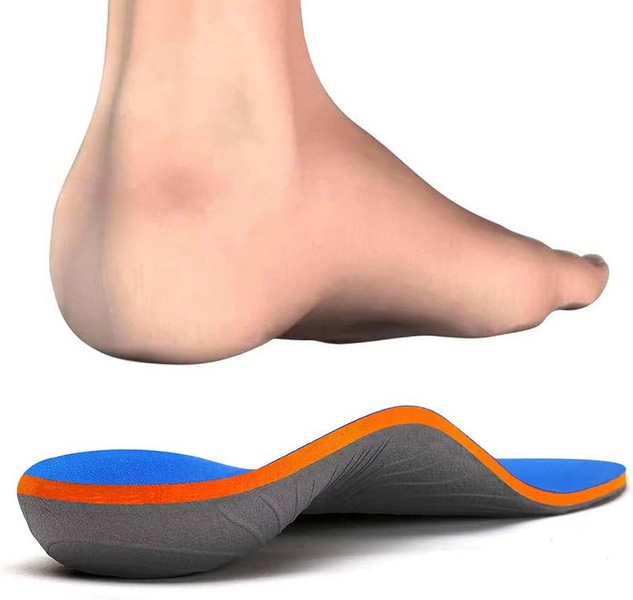
Even the best orthotics can cause discomfort if used improperly. Avoid the following errors:
- Using inserts without removing old shoe liners.
- Selecting incorrect sizes or arch profiles.
- Switching to full-day use immediately without break-in time.
- Ignoring cleaning and maintenance schedules.
- Pairing orthotics with unsuitable footwear.
Introduce new inserts gradually, allowing your feet time to adapt to their corrected alignment.
The orthotic market continues to evolve with technological advancements in biomechanics and material science. Current trends shaping the industry include:
- Smart orthotics with pressure sensors that analyze gait in real-time.
- Eco-friendly materials made from biodegradable or recycled compounds.
- Custom 3D printing for highly personalized orthotic shells.
- Hybrid cushioning systems that combine foam, gel, and air cell technology.
- Integration with athletic footwear brands, offering embedded support for specific use cases.
As a professional manufacturer, embracing these innovations allows companies to serve global clients seeking premium, scientifically backed performance products.
OEM manufacturing plays a vital role in meeting market demand for high-quality foot care products. As a Chinese leading orthotic insert factory, we work closely with international footwear brands, podiatrists, and distributors to design and produce custom orthotic insoles for overpronation support.
The OEM process involves collaborative design development, prototyping, testing, and large-scale production. By providing both prefabricated and bespoke orthotic solutions, manufacturers can deliver consistent quality, fast turnaround times, and brand differentiation for clients in medical, athletic, and fashion footwear industries.
Our production capabilities include EVA compression molding, polyurethane injection, and 3D digital customization, ensuring that every orthotic produced meets professional-grade standards.
Orthotic inserts for overpronation are indispensable for maintaining proper foot mechanics, reducing pain, and enhancing mobility. They not only correct posture and support joints but also aid in preventing long-term injuries caused by foot misalignment. Whether for athletes, workers, or everyday wearers, choosing well-designed orthotic inserts ensures comfort, balance, and lasting support.
With advancements in material technology and customization, orthotics today offer better performance and accessibility than ever before. For brands or retailers sourcing professional-quality products, partnering with a specialized OEM orthotic insert manufacturer ensures reliable production, customization flexibility, and consistent biomechanical results.
Healthy feet build the foundation for a balanced, active, and pain-free life—and the right orthotic insert is where that foundation begins.
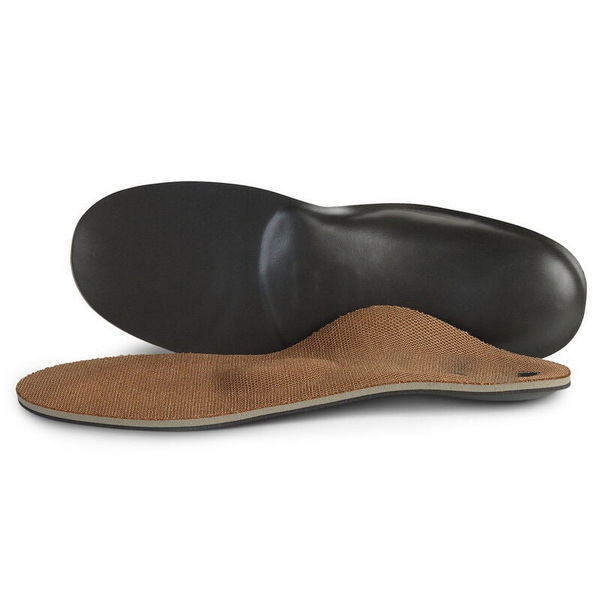
Their primary goal is to correct excessive inward rolling of the foot by supporting the arch and stabilizing the heel, improving comfort, mobility, and posture.
They do not alter foot bone structure but effectively manage symptoms and prevent worsening by maintaining natural foot alignment and reducing strain.
Start by wearing them for 1–2 hours daily and gradually extend the usage time over a week to allow muscles and ligaments to adjust.
Custom inserts provide precise correction for unique foot shapes, but high-quality prefabricated models can still offer effective support for moderate cases.
Replace them every 9–12 months or once they lose structural support, cushioning resilience, or start causing discomfort.


