
Language


Content Menu
● Understanding Orthotics for Shoes
● Types of Orthotics: A Comprehensive Overview
>> Custom vs. Prefabricated Options
● The Manufacturing Process: From Concept to Delivered Product
>> Advanced Assessment and Digital Design
>> Prototyping, Molding, and Milling
>> Trimming, Shaping, and Finishing
>> Quality Assurance and International Export
● Applications: Who Needs Orthotics and Why?
>> Medical Diagnosis and Daily Rehabilitation
>> Athletes and Performance Footwear
>> Occupational and Lifestyle Applications
● Selecting the Optimal Orthotics Partner
>> Strategic Considerations for Brands and Distributors
>> Product Lifecycle Management
● Environmental Sustainability in Orthotics Manufacturing
● Future Trends in Orthotics for Shoes
● Frequently Asked Questions (FAQ)
>> 1. How do orthotics differ from regular insoles?
>> 2. Can orthotics help with sports performance?
>> 3. What materials are commonly used in premium orthotics?
>> 4. How are orthotics customized for different users?
>> 5. What industries or consumers benefit most from orthotics?
Orthotics for shoes are advanced supportive devices designed to provide comfort, promote foot health, and correct biomechanical inefficiencies. Modern orthotics offer support for people of all ages, addressing a variety of conditions, including flat feet, plantar fasciitis, arthritis, sports injuries, and many chronic foot problems. This comprehensive guide explores what orthotics are, their benefits, types, materials, manufacturing techniques, and key applications, with practical advice for brands and wholesalers sourcing from leading Chinese manufacturing partners.
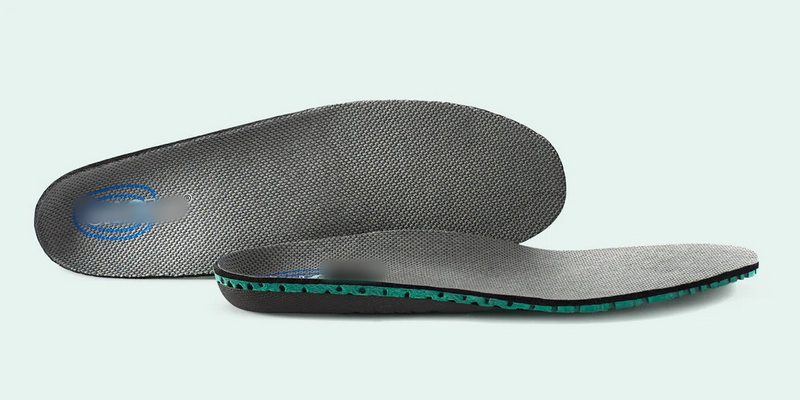
Orthotics are custom-tailored or prefabricated shoe inserts or footbeds that help align and support the foot, ankle, and lower body during movement. By optimizing natural biomechanics, they alleviate pain, prevent injuries, and improve comfort for even healthy feet.
Precision-crafted orthotics are developed using digital modeling technologies, ensuring each piece matches the unique anatomy of its wearer. Quality manufacturers leverage scanning and modeling to create a superior fit, whether for athletes, active professionals, or those with specific medical needs.
Orthotics serve several essential functions:
- Reducing pain in the foot, ankle, and lower limbs from biomechanical issues.
- Correcting abnormal gait or walking patterns.
- Enhancing comfort and stability in both everyday and athletic activities.
- Preventing and managing chronic conditions like plantar fasciitis, arthritis, and complications from diabetes.
- Supporting injury prevention and greater mobility for seniors and active populations.
Orthotics generally fall into two main categories:
- Custom orthotics are meticulously made to fit the unique structure of an individual's foot, using either 3D scans, plaster casts, or foam impressions. They address specific biomechanical or pathological issues.
- Prefabricated orthotics are mass-produced in standardized sizes, designed to offer general support and comfort. These are ideal for retail distribution and serve a broad customer base.
Both types can be enhanced with specialized features, such as added metatarsal pads, heel cups, or insoles engineered for particular sports or working conditions.
This class of orthotic is engineered to control motion and biomechanics, addressing issues like over-pronation and high arches. Functional orthotics correct gait and lower injury risks, often prescribed for athletes or those with persistent movement-based discomfort.
Focusing on redistributing pressure and providing cushioning, accommodative orthotics protect the foot from ulcers, calluses, and sore areas, particularly useful for those with diabetes, arthritis, or elderly mobility limitations.
Modern orthotics utilize advanced materials to maximize function and comfort:
- High-density EVA foam for cushioning and shock absorption.
- Thermoplastics such as polypropylene for supportive shells.
- Carbon fiber or graphite for light yet rigid support.
- Multi-layered gels and antibacterial covers for additional hygiene and comfort.
- Flexible polyurethane blends for specialized flexibility or pediatric orthotics.
Proper material selection ensures both durability and the necessary biomechanical effects tailored to each use.
The starting point is a detailed assessment of the end-user's foot. Leading manufacturers use digital scanning, pressure analysis mats, or physical molds to capture complete anatomical and functional data.
After data acquisition, the orthotic is engineered in CAD software. Engineers can simulate gait, adjust biomechanical corrections, and integrate brand or user-specific features. For OEM buyers, this phase allows for advanced private labeling or custom branding options.
Once modeled, the manufacturing process progresses through several detailed stages:
- Vacuum Forming and Heat Molding: Thermoplastics or graphite sheets are heated and vacuum formed over the digital or physical foot mold to create the orthotic shell. This ensures a precise match to user anatomy.
- CNC Milling: For materials like EVA foam, precise cutting using CNC machinery creates an exact, repeatable shape. Parameters are optimized to prevent deformation of soft foam materials.
- Layering and Padding: Subsequently, cushioned or antimicrobial layers are added to the structural shell, enhancing comfort and hygiene. Custom padding is often skived or gradually ground down to a feathered, comfortable edge by hand.
With all layers bonded together, the orthotic is meticulously hand-cut to match shoe dimensions, then sanded for a smooth fit. At this stage, covers, logos, and specialty features like perforations, arch supports, or heel reinforcement are integrated.
The final step comprises detailed quality inspection and fitting. Only units that pass durability and fit testing proceed to shipment. OEM production runs incorporate private branding, customized packaging, and regulatory documentation when needed.
Premium manufacturers implement rigorous QA at each step. Advanced testing labs simulate thousands of flex cycles, check surface hardness, and conduct antimicrobial efficacy assessments to guarantee product consistency. Collaboration with brands ensures that orthotics conform to various international standards like ISO, CE, and FDA registrations.
Flexible supply chains allow brands and wholesalers to request large-volume production or limited specialty runs with fully traceable batch records and real-time order updates.
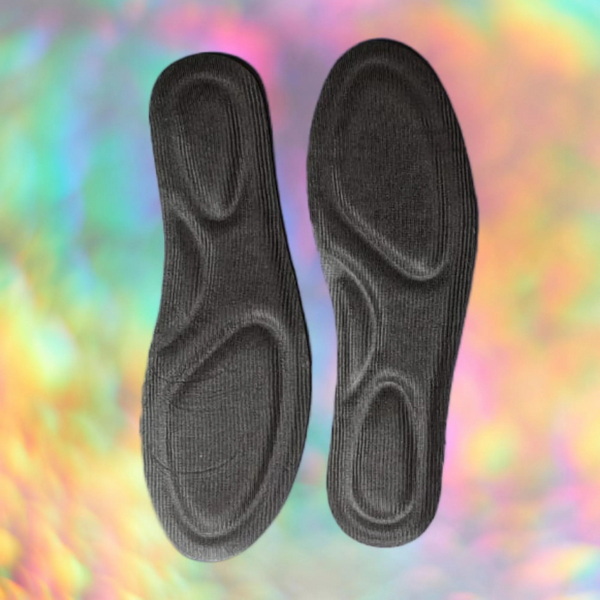
Orthotics play a pivotal role in clinical therapy. Medical professionals prescribe them for plantar fasciitis, bunions, diabetic foot, arthritis, pediatric gait abnormalities, and rehabilitation after surgery. By customizing foot support, orthotics reduce pain, speed recovery, and prevent future injury.
Sports orthotics enhance performance for runners, basketball players, soccer athletes, and hikers by optimizing alignment, absorbing shock, and decreasing fatigue. Periodic gait analysis and orthotic upgrades allow athletes to stay ahead of new performance trends.
Workers in retail, food service, construction, healthcare, and industry often stand or walk for extended hours. Orthotics help reduce occupational overuse syndromes and improve overall well-being.
Specialized lifestyle orthotics cater to pregnancy, children in growth spurts, and seniors requiring extra support or shock absorption, making orthotic solutions beneficial at any stage of life.
Brands should seek:
- Suppliers with modern factories offering digital modeling, high-speed prototyping, and customizable materials.
- Certified production meeting the latest regulatory and safety standards.
- The ability to offer private label, multilingual packaging, and full documentation for international export.
- Responsive R&D capacity to develop specialized products for sports, medical clinics, or luxury markets.
The development process should be collaborative—manufacturers guide brands through prototyping, approval, order tracking, and fast response to emerging trends. This partnership is vital for both established global brands and new market entrants seeking differentiation.
Orthotics manufacturing now benefits from advanced traceability solutions. Smart packaging, scannable batch numbers, and direct-to-consumer shipment all help ensure compliance, build trust with end-users, and streamline product recalls or upgrades.
Brands should also look for after-market support: warranty management, returns, and recurring orders from a trusted partner. Effective communication with OEM factories in China facilitates ongoing innovation and market success.
With rising environmental consciousness, top manufacturers integrate sustainable practices. This includes using recycled materials, eco-friendly adhesives, and energy-efficient production. Many factories are now ISO 14001 certified, validating their green credentials to international buyers and end-users alike.
Brands can market eco-conscious orthotics to differentiate themselves and satisfy growing consumer demand for sustainable, health-centric products.
Technology is transforming the world of shoe orthotics. 3D printing enables on-demand, highly customized production with rapid design iterations. Artificial intelligence and gait analysis software allow for smarter, more precise orthotic adjustments and remote fitting solutions.
As wearable tech and the health monitoring market evolve, integrated sensors in orthotics will provide real-time feedback on posture, gait, and load distribution. Brands that leverage these advancements will be positioned as innovators in the global footwear and health sectors.
Orthotics for shoes are essential to health, comfort, and performance for diverse user groups worldwide. As a premium Chinese manufacturer specializing in OEM services, we support brands, wholesalers, and clinics with advanced technology and full-service solutions. Whether custom or prefabricated, our orthotics meet the most demanding standards, offering personal comfort, medical benefit, and business value. Collaborate with us to access cutting-edge designs, reliable quality, and scalable supply for your international market strategy.
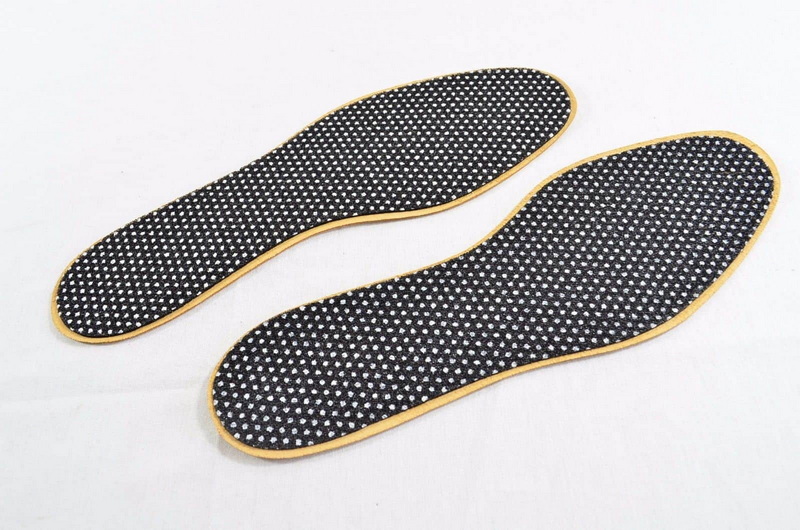
Orthotics are engineered to provide biomechanical correction and long-term medical benefit, while standard insoles mainly add comfort with basic cushioning.
Yes, especially when tailored to the athlete's anatomy and activity, orthotics often enhance alignment, improve energy efficiency, and reduce risk of injury.
High-performance orthotics use materials like EVA foam, thermoplastics, carbon fiber, and layered gels—all optimized for targeted support, durability, and comfort.
Manufacturers analyze foot scans, pressure maps, and user requirements to create digital models, then employ advanced production methods to deliver a perfect match in fit and function.
Medical patients, athletes, seniors, and workers across many industries find orthotics beneficial for pain relief, injury prevention, and daily comfort.


