
Views: 222 Author: Edvo Publish Time: 2025-11-09 Origin: Site


Content Menu
>> An Overview of High Arch Feet
>> Causes and Types of High Arches
● Problems Associated With High Arches
>> Health and Functional Implications
● Why Proper Inserts Are Essential for High Arches
>> Foot Support and Pain Prevention
>> Enhancing Comfort, Balance, and Performance
● Key Features of the Best Inserts for High Arches
>> 1. Accurate Arch Height and Contour
>> 2. Deep and Stable Heel Cup
>> 3. High-Quality Cushioning Materials
>> 5. Personalized Fit and Sizing Options
>> 6. Breathability, Moisture Control, and Anti-Odor
● Top-Rated Inserts for High Arches: Product Showcases
>> PowerStep Pinnacle High Insole
● Biomechanical Insights: Why High Arch Inserts Matter
● How to Choose the Best High Arch Insert for Your Needs
>> Step 2: Match Insert Type to Footwear
>> Step 3: Align With Activity Demands
>> Step 4: Consider Additional Comfort Features
>> Step 5: Value OEM/ODM Partnerships
● Wearing and Maintenance Tips
● Common Signs You Need High Arch Inserts
● OEM and Bulk Ordering: Choosing the Right Supplier
>> 1. What makes an insole suitable for high arches?
>> 2. Can high arch insoles help with plantar fasciitis?
>> 3. Are full-length or ¾-length insoles better for high arches?
>> 4. How often should high arch insoles be replaced?
>> 5. Is OEM customization available for high arch inserts?
High arches, or pes cavus, are a common but often overlooked foot structure variation. Individuals with high arches frequently encounter discomfort, balance issues, and risk of injury due to improper weight distribution. For international brands, wholesalers, and manufacturers seeking reliable OEM insole solutions, selecting the right arch inserts is both a matter of health and business value. This guide delivers a detailed, practical answer to the question: What are the best inserts for high arches?
A high arch foot, or cavus foot, displays a pronounced upward curve along the inner side of the foot. Unlike flat feet, only the ball and heel touch the ground, while the arch itself remains elevated and mostly off the floor. The “wet foot test,” performed by stepping with a wet foot onto a flat surface, helps visualize if your arch is high—a narrow print shows little midfoot contact.
The primary foot arches are the medial longitudinal arch (inside curve), lateral longitudinal arch (outer edge), and transverse arch (across the midfoot). The medial arch enables shock absorption through its spring-like construction, using ligaments, muscles, and plantar fascia to store and release energy with each step. High arches dramatically increase the stiffness of this structure, greatly reducing its ability to cushion impacts. Most weight shifts to the ball and heel, greatly elevating localized pressure and reducing the foot's shock-absorbing capacity. This places additional stress on joints and soft tissues, increasing risks for plantar fasciitis, metatarsalgia, and even knee, hip, or lower back discomfort. Often, the foot becomes more rigid and less mobile, which can worsen balance and proneness to ankle sprains or falls.
High arches usually have genetic or congenital origins, but can also develop from neuromuscular conditions or past injuries. There are two categories:
- Flexible high arches: These show arch height on non-weight-bearing postures, but flatten partially under load.
- Rigid high arches: The arch remains consistently high, regardless of standing, walking, or running.
Understanding the flexibility and underlying mechanics of the arch helps brands and consumers choose inserts offering sufficient support without compromising comfort.
- Localized pain in the heel, ball of the foot, and arch
- Frequent ankle sprains due to instability and supination
- Calluses and corns beneath the heel or forefoot from spot pressure
- Shin, knee, or back pain due to poor alignment
High arches reduce the body's natural shock protection, making high-impact activities uncomfortable and raising the risk of repeated stress injuries. The pronounced shape causes the foot to roll outward (underpronation or supination), leading to instability and increasing injury risk across the lower limb and lower back.
Specialized high-arch inserts help distribute pressure evenly across the foot, preventing the typical pain points and providing necessary cushioning in the arch, heel, and forefoot. These insoles ensure the heel and metatarsal areas are adequately cushioned to absorb shock, while supporting the arch to maintain proper foot posture and reduce fatigue during activity.
Footwear fitted with high-quality high arch inserts not only provides superior comfort, but can also:
- Improve gait and walking efficiency
- Enhance balance and reduce slips or falls
- Support long working hours or athletic performance by minimizing cumulative foot strain
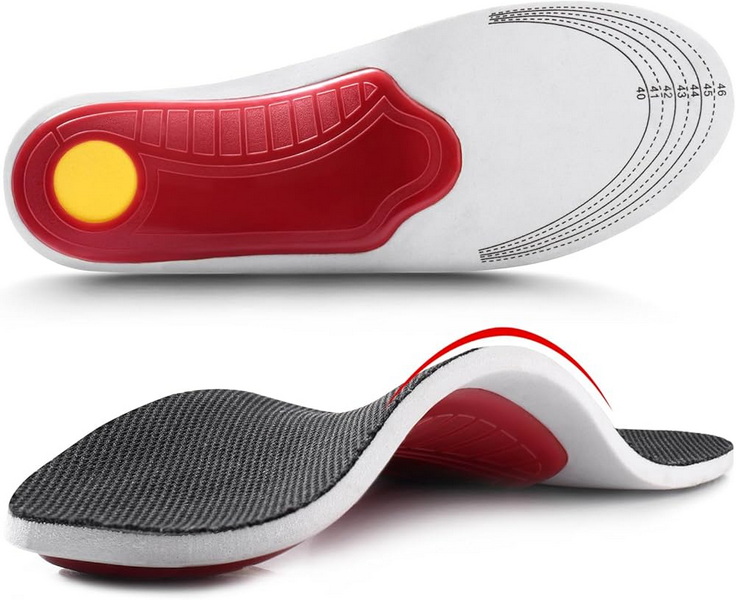
A good high-arch insert features a distinct, elevated arch ridge (typically 29-35mm) anatomically matched to the internal shape of high-arched feet. This prevents slipping, sliding, or inadequate support when worn for extended periods.
Choosing inserts with a deep, rigid heel cup provides enhanced stability. It helps prevent unwanted rolling (supination) and holds the foot in a neutral position, minimizing lateral movement and reducing the risk of injury.
Inserts designed for high arches must use dense memory foam, polyurethane, or EVA with multi-layered constructions. The aim is twofold: offer shock absorption where the foot cannot naturally provide it, and maintain long-lasting comfort over months of heavy use.
While flexible insoles can offer basic comfort, semi-rigid or rigid inserts give structural support, preventing excessive rolling of the foot and preserving correct gait mechanics. The best high-arch options incorporate reinforced arch bridges or embedded plastic frames to limit collapse or deformation.
Premium inserts frequently feature trim-to-fit designs or are manufactured in a wide range of predefined sizes. They are tailored to fit dress shoes, athletic trainers, boots, and even specialized work footwear. Some suppliers offer OEM/ODM adjustments in arch height, width, and material thickness to match foreign brand specifications.
Breathable upper covers and embedded moisture-wicking layers help prevent discomfort, excess sweating, and odor build-up during all-day wear.
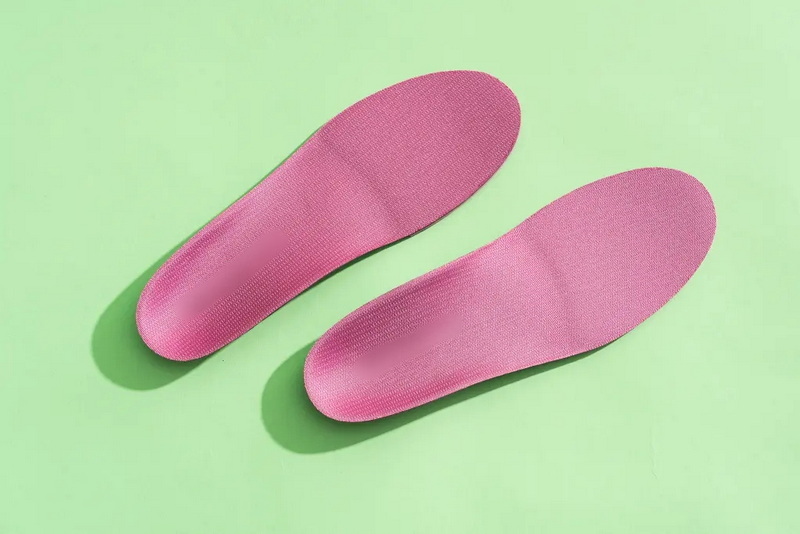
Notable for a pronounced arch contour and semi-rigid structure, this insole excels at stabilizing the heel and redistributing pressure. Its deep heel cup suits both casual and athletic users seeking a balance of support and shock absorption.
An industry staple, this insole features a rigid arch and reinforced heel, plus antimicrobial top covers to reduce odor. Its standout feature is the anatomical arch support, ideal for cases of extreme arch elevation and longstanding foot fatigue.
Engineered with a sturdy and streamlined arch profile, it combines extra-firm midfoot support with responsive forefoot and heel cushioning layers. This insert is particularly popular among runners and athletes who put their feet through significant daily stress.
With options for full-length or slim-profile shoes, Icebug offers moderate to high arch rigidity, advanced shock absorption, and lightweight comfort—ideal for work shoes and dress footwear.
Specialized for athletic pursuits, this insole leverages tailored arch geometry, shock-absorbing heel padding, and exceptional moisture management for ultimate performance and support.
High arched feet act as stiff springs, offering little flexibility to absorb landing forces during movement. Compared to low arches (which overpronate), high arches over-supinate, rolling outward and stressing the lateral parts of the foot and ankle. Inserts designed for high arches supplement the biological spring system, restoring energy efficiency and natural shock absorption. Key benefits include:
- Lowering risk of chronic injuries in active individuals and workers
- Preventing callus formation and nerve compression syndromes
- Correcting foot position to reduce compensatory problems up the kinetic chain (knee, hip, back)
Confirm your arch height via self-tests or clinician guidance. Not all high arches are equally rigid—flexibility, pressure points, and movement patterns should influence your choice.
Select full-length inserts for running and casual shoes; opt for three-quarter length or slim versions for dress shoes. Consider manufacturer trim-to-fit options for a perfect match.
Athletes and workers with intensive schedules benefit from multi-layered designs offering extra shock absorption and strong arch supports. Everyday users may prioritize lightweight comfort with moderate firmness.
Look for features like breathable covers, anatomical fit contours, edge tapers for seamless sock compatibility, and antimicrobial layers for extended wear.
For brands or resellers, OEM options should include advanced material choices, private labeling, and custom packaging—critical for product differentiation in competitive markets.
- Always break in new insoles gradually to allow adaptation.
- Rotate pairs or use removable inserts to maintain hygiene.
- Clean insoles regularly with a damp cloth and air dry to maximize lifespan.
- Replace insoles if you notice deformation, thinning, or reduced support (typically every 6–12 months under normal usage).
People with high arches often show:
- Soreness in the ball or heel of the foot after moderate activity
- Tire easily when standing or walking for prolonged periods
- Notice uneven wear on shoe soles—most prominent on the outer edge
- Develop frequent calluses or corns on specific pressure points
- Experience unusual ankle instability or recurring sprains
Prompt use of specialized inserts can prevent these symptoms from worsening and improve overall movement quality.
Partnering with a Chinese insole manufacturer ensures:
- Cost-effective pricing for bulk orders
- Highly customizable solutions for specific arch heights, densities, and sizes
- Modern manufacturing techniques offering consistent quality and scalability
- Strategic shipping and sourcing advantages for global partners
Brands, wholesalers, and sourcing agents should specify desired arch contour, footbed length, cushioning density, and top-layer materials for optimal results. Aligning on compliance certifications and product testing is also crucial for international market entry.
High-arch feet demand targeted support to prevent pain, maintain stability, and maximize comfort. Whether for athletic, occupational, or casual wear, selecting well-designed high arch inserts—featuring elevated contours, deep heel cups, robust cushioning, and personalized OEM options—can make a dramatic difference. For overseas brands and buyers, working with a trusted Chinese manufacturer ensures access to modern, customizable solutions that meet diverse market needs. Invest in the right high arch insole and feel the difference in every step.
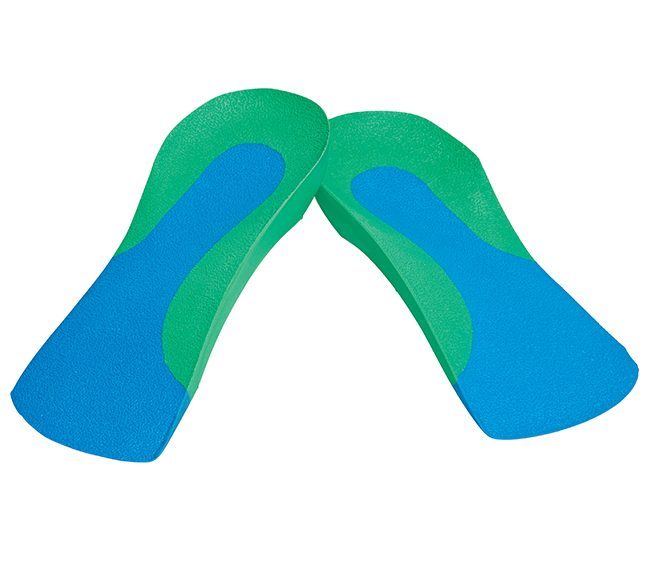
A distinct, well-elevated arch ridge, deep heel support, and rigid or semi-rigid construction ensure alignment and shock absorption for high-arched feet regardless of activity.
Yes. By redistributing weight and stabilizing the arch, these insoles minimize excess strain on the plantar fascia, reducing pain and healing time for plantar fasciitis sufferers.
Full-length insoles are ideal for athletic and casual shoes, offering maximum support, while ¾-length models fit tighter or dress shoes without crowding the toe box.
Typically, every 6-12 months, but more frequent replacement may be needed for users involved in intense activity or experiencing visible wear and support loss.
Yes. Modern manufacturers offer arch height, length, density, material, and branding customization to meet the precise needs of international brands and wholesalers.


