
Views: 222 Author: Edvo Publish Time: 2025-11-09 Origin: Site


Content Menu
● Understanding Deep Arched Feet and Inward Rolling
● Why Correction Is Vital for Comfort and Health
>> Benefits of Proper Correction
● Types of Inserts for Deep Arched Feet That Roll In
>> Firm Arch Support Technology
>> Deep Heel Cups and Motion Control Features
>> Custom vs. Over-the-Counter Orthotics
● Step-by-Step Guide: Choosing the Right Insert
● Care and Maintenance of Inserts
● Beyond Inserts: Holistic Correction Strategies
>> Targeted Foot and Lower Leg Exercises
>>> 1. Heel Raises
>>> 2. Arch Lifts
>>> 4. Band Resistance Movements
● Physical Therapy and Supportive Footwear
>> 1. What is the best material for deep arch correcting inserts?
>> 2. Can wearing unsupported inserts worsen foot posture?
>> 3. How can I tell if my insoles are helping?
>> 4. Are custom orthotics necessary for all cases?
>> 5. How often should orthotics be replaced?
Corrective insoles are essential for people with deep-arched feet experiencing inward rolling, supporting healthy alignment and comfort. Comprehensive solutions involve targeted arch inserts support, deep heel stabilization, and motion control features to ensure feet remain pain-free and functional through daily activity.
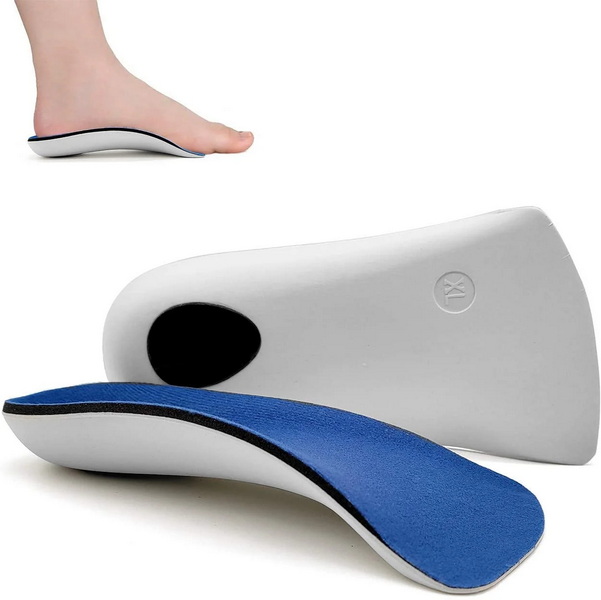
Deep-arched feet, also known as pes cavus, display a pronounced central arch, causing the foot to place more pressure on the heel and forefoot. With excess inward rolling or overpronation, this foot structure faces specific challenges:
- Strain on ligaments, especially the plantar fascia
- Fatigue in the ankles and knees due to poor alignment
- Increased risk of stress fractures, corns, and calluses
Daily standing, walking, or running activities impact biomechanics, causing discomfort that can radiate from the foot upward to hips and lower back.
Overpronation happens when each step causes the ankle and foot to collapse toward the midline of the body, flattening the arch more than normal. While some pronation is natural, excessive inward movement stresses the foot's support structures, leading to impact and alignment problems.
Achieving healthy foot alignment transforms posture, movement efficiency, and daily comfort:
- Pain reduction: Focused arch support minimizes pressure and prevents inflammation.
- Injury prevention: Supportive inserts reduce the risk of plantar fasciitis, stress fractures, and shin splints.
- Postural improvement: Healthy foot alignment reduces compensatory shifts up the kinetic chain, supporting knee, hip, and back posture.
Modern insoles for high arches utilize:
- Rigid or semi-rigid support: These materials preserve the natural arch form and stop excessive rolling.
- High contour design: Tailored arch height matches the user's unique foot shape for comfort and stability.
- Dual-layer materials: High-density EVA foam shields impact while underlying polymer structures hold their shape for thousands of hours of use.
Foot mechanics are stabilized by:
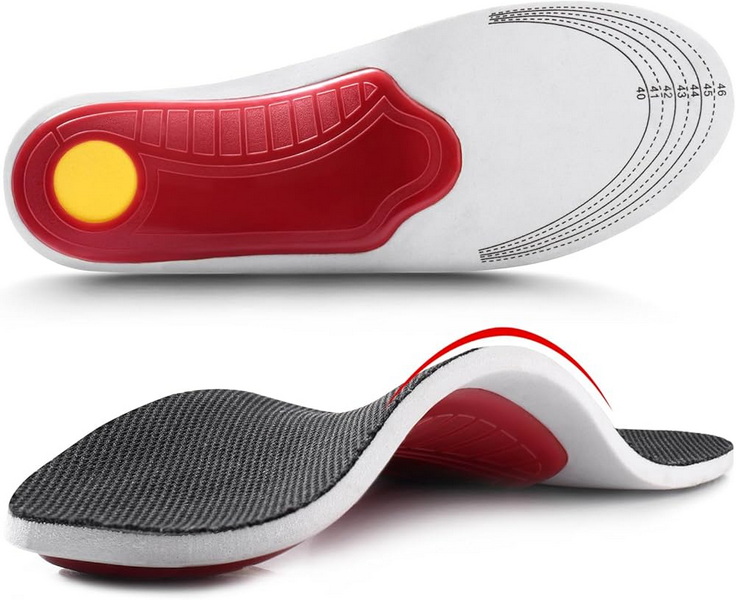
- Deep heel cup: Padding and structure cradle the heel, focusing impact absorption and reducing inner roll.
- Medial post and motion control zones: Strategic reinforcements on the inside edge of the insert help align the foot upon ground contact.
- Custom solutions: Tailored analysis by podiatrists produces precise arch and heel fits; recommended for complex biomechanical concerns.
- OTC inserts: Widely accessible options with modern materials and design can address mild to moderate deep arch overpronation effectively.
Many top brands develop specialty models for this unique need, offering a balance of durability, breathability, and corrective profile.
1. Assess Your Needs
- Consult a professional or use online tools to confirm your arch type and pronation pattern.
- Determine if symptoms are related to overpronation and deep arch structure.
2. Prioritize Features
- Seek out high-rigid arch design and deep heel cup structure.
- Inspect for reinforced motion control areas along the arch's medial slope.
- Aim for breathable, moisture-wicking materials.
3. Fit Testing
- Place orthotic in your shoe and walk several minutes to ensure it conforms—no pinching or bunching at the toes.
- Trim-to-fit options may offer enhanced customization.
4. Break-in Period
- Expect a short adjustment window; rotate wear time to allow feet to adapt.
- Note comfort levels and assess the reduction of fatigue, pain, or instability.
- Routine cleaning: Wash manually with gentle detergent and air dry fully—avoid machine washing.
- Inspect regularly: Look for compressed foam, cracked bottoms, or loss in arch height.
- Rotate usage: Using multiple pairs or alternating days increases lifespan and hygiene.
In addition to inserts, specific exercises can improve muscle strength and gait, amplifying orthotic benefits.
This exercise targets foot and ankle muscles to increase arch support and stability.
- Stand with feet hip-width apart and rise onto the balls of your feet, holding briefly before lowering.
- Repetitions: 10–15 times per set, 2–3 sets daily.
Strengthens the abductor hallucis, supporting arch integrity.
- While seated, keep feet flat. Lift and hold your arches, without raising toes or heels.
- Hold: 2–3 seconds. Repeat: 10–15 times.
Improves toe and intrinsic foot muscle coordination.
- Place a towel on the floor; grasp and scrunch the towel toward you with your toes.
- Repetitions: 10–15 times each foot.
Develops ankle and arch power.
- With a resistance band looped around your foot, invert and evert your foot against tension.
- Repetitions: 10 times each direction.
Barefoot walking on uneven surfaces activates stabilizing muscles and encourages natural arch action.
- Duration: 10–15 minutes, increase with fitness level.
Maintains flexibility and helps prevent tension that can exacerbate pronation.
- Use a wall for support, extend one leg back with heel flat, lean forward to stretch the calf.
- Hold: 20–30 seconds; switch sides.
A comprehensive approach may include physical therapy for gait retraining or targeted rehabilitation. Shoes with motion control features, rigid arch infrastructure, and deep heel support bolster the effects of inserts.
- Seek shoe styles with wide toe boxes, shock-absorbing midsoles, and supportive heel counters.
- Combine appropriate shoes with quality orthotics to maximize correction and comfort.
- Avoid overly soft or purely cushioned inserts lacking structured arch support.
- Replace orthotics every 6–12 months as they lose firmness or cause a return of symptoms.
- Monitor posture changes—reduction in fatigue and improvement in walking comfort signal effective correction.
- Use gradual adaptation: Begin with short periods, build up to full-day wear.
- Consult an expert for prolonged pain, persistent misalignment, or injury.
Addressing deep arched feet that roll inward means combining rigid, structured inserts with targeted exercises, supportive footwear, and ongoing evaluation. Correct choices restore natural alignment, enhance comfort, and protect against pain and injury. Maintaining foot health with routine care, proper adjustment, and expert guidance ensures long-term results and a more active lifestyle.
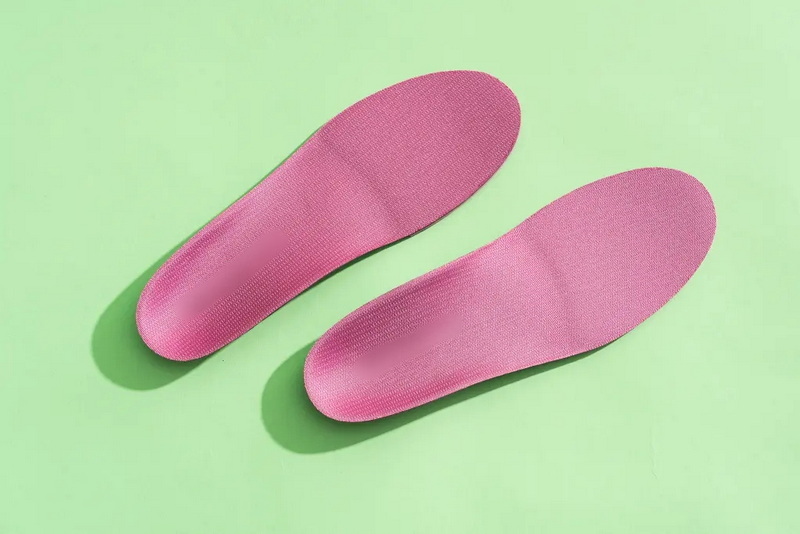
Dense EVA foam layered with composite plastics is optimal, providing stable, non-collapsing arch support.
Yes. Without sufficient rigidity and arch contour, inserts may worsen instability and lead to additional strain.
Effective insoles decrease foot pain, support the arch, and leave shoes with even wear patterns. Regular self-assessment is recommended.
Not always. Many over-the-counter insoles provide excellent support for most users. Severe biomechanical issues may require custom evaluation.
Typically every 6–12 months, or sooner if signs of breakdown, lost arch support, or pain return.


