
Views: 222 Author: Edvo Publish Time: 2025-12-15 Origin: Site


Content Menu
● The Mechanics Behind High Arch Pain
● Why People with High Arches Need Special Insoles
● Key Features of the Best Insole for High Arches
>> 1. Firm Yet Flexible Arch Support
>> 2. Deep and Stabilizing Heel Cup
>> 3. Pressure-Relieving Cushioning
>> 4. Breathable and Anti-Odor Materials
>> 6. Durability and Consistency
● Popular Types of Insoles for High Arches
>> Gel Insoles
● How to Choose the Right Insole for High Arches
>> Step 1: Know Your Arch Type
>> Step 2: Define Your Usage Scenario
>> Step 3: Select Suitable Material
>> Step 4: Match Fit and Shoe Design
>> Step 5: Consider OEM Custom Solutions
● The Science of Cushioning and Pressure Distribution
● Benefits of Using the Right Insoles
● OEM Insole Manufacturing for Global Brands
● Market Trends in High-Arch Insole Demand
● Caring for High-Arch Insoles
● Advanced Comfort Technologies Used in Modern Insoles
● Practical Applications and End-User Segments
● FAQ
>> 1. What is the main purpose of insoles for high arches?
>> 2. Which material is best for high-arch support?
>> 3. How do I know if I have high arches?
>> 4. Can I use high-arch insoles in any type of shoe?
>> 5. How often should I replace insoles?
High arches, also known as pes cavus, are a common yet often misunderstood foot condition. They create excessive pressure on the heel and forefoot, leading to discomfort, pain, and even long-term posture issues when left unaddressed. Whether you are an athlete, an office worker, or someone who spends hours on their feet, finding the right arch insole can make a remarkable difference in your comfort and stability.
Choosing the best insole for high arches is not just about cushioning—it's about aligning the body, supporting biomechanics, and preventing injuries. This guide explores which insoles suit high arches best and how OEM insole manufacturing in China helps businesses deliver premium comfort and performance worldwide.
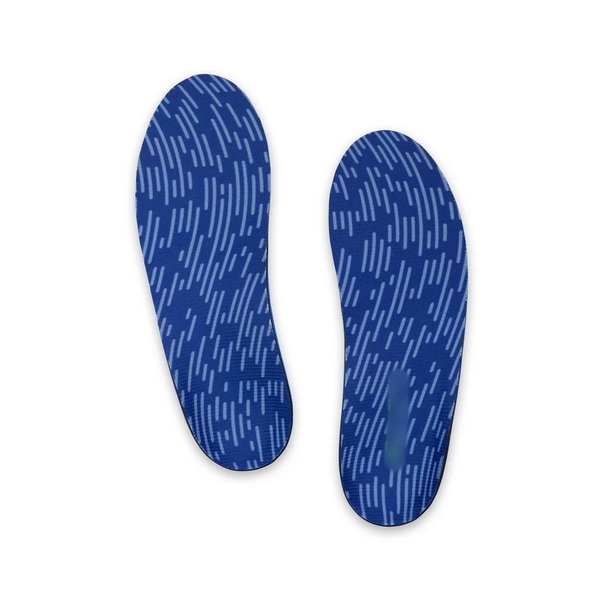
High arches occur when the middle portion of the foot—the arch—does not flatten enough to absorb shock during movement. Unlike flat feet, which touch the ground completely, high arches leave a noticeable gap between the arch and the floor. This condition can be hereditary or acquired due to neurological, structural, or muscular factors.
People with high arches typically experience:
- Pain in the heel, arch, or ball of the foot.
- Foot fatigue after walking or standing.
- Calluses under the toes or heel.
- Frequent ankle twisting due to instability.
- Difficulty finding comfortable, supportive shoes.
An insole specifically designed for high arches helps fill the gap under the arch, adding stability and support.
Every step you take exerts pressure on your feet. With high arches, this pressure fails to distribute evenly because the foot contacts the ground at only two main points—the heel and the forefoot. As a result, the midfoot bears less load, forcing tendons and ligaments to absorb excessive impact. Over time, this imbalance contributes to foot strain and knee or hip discomfort.
A properly engineered insole creates a bridge under the arch, redistributing stress so that all foot zones work together harmoniously. In biomechanical terms, this promotes neutral pronation, where the foot strikes and pushes off in a balanced manner.
Specialized insoles act as shock absorbers and weight distributors for high arches. They correct foot posture, reduce muscle strain, and enhance comfort during prolonged standing or walking. Without proper insoles, people may develop chronic pain conditions such as plantar fasciitis or shin splints.
High-arch insoles also reduce the likelihood of joint misalignment, which can affect the knees, hips, and lower back. By maintaining the correct foot alignment, the body achieves better stability and performance in daily activities or sports.
The ideal insole for high arches must deliver a combination of structure, softness, and adaptability. Below are the most critical features to consider:
High arches require a contoured design to support the natural curvature of the foot. The insole must be firm enough to prevent collapse yet flexible to accommodate movement. EVA foam and TPU reinforcement cores often provide this balance.
A deep heel cup locks the foot in place, reducing unwanted rolling or tilting. It improves stability, especially for those prone to ankle sprains or imbalance.
Look for multi-density foams or gel layers that dissipate impact. Since only the heel and front bear pressure in high-arched feet, cushioning in these areas prevents soreness and fatigue.
Moisture-wicking fabrics such as mesh, bamboo charcoal foam, or perforated EVA promote airflow and prevent odor buildup—ideal for daily or athletic use.
Trimmable edges allow consumers to tailor insoles to their shoes. For manufacturers offering OEM services, customizable thickness, hardness, and cover fabric greatly improve market adaptability.
High-arch insoles must retain their structure even after prolonged compression. Quality materials ensure long-term performance and comfort, which builds brand reputation for resellers and OEM clients alike.
EVA (ethylene-vinyl acetate) remains the industry standard for lightweight comfort. It compresses under pressure but quickly rebounds, offering stability. These insoles are popular due to their affordability, ease of customization, and reliability across multiple shoe categories.
Gel-based insoles evenly distribute pressure across the sole and reduce impact shocks. Their elasticity makes them ideal for high-arch relief, improving comfort during long hours of standing or walking.
PU (polyurethane) delivers a bouncier and more robust cushioning effect. It lasts longer than EVA and suits mid to high-performance footwear ranges. The combination of firm arch and soft toe-heel zones makes PU insoles excellent for those seeking durable comfort.
These insoles mold perfectly to the user's foot, offering personalized comfort. Memory foam insoles are a favorite for casual and comfort-oriented footwear lines.
Orthotics are specially designed to correct posture and gait irregularities. Medical-grade orthotic insoles for high arches deliver targeted support, making them suitable for users with chronic pain.
For global shoe brands and distributors, custom OEM insoles designed by Chinese manufacturers allow for varied designs, thickness levels, densities, and branding. They combine functional technology with market appeal.
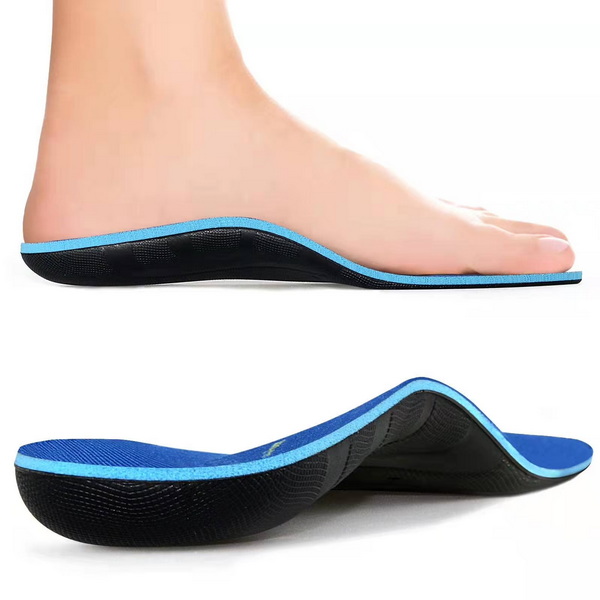
Understanding your arch height is vital. Perform a wet footprint test: if your footprint shows only the heel and front with minimal connection, you likely have high arches.
Running insoles differ from work boot insoles. Choose depending on your activity—sports insoles require stronger shock absorption; office insoles can focus more on comfort and breathability.
Different materials deliver distinct benefits. EVA ensures flexibility, PU adds resilience, and gel provides maximum shock absorption. For brands seeking to target multiple user segments, offering varied material options increases market coverage.
Ensure insoles fit snugly within your footwear. Overly thick insoles may feel tight, while thin ones can slide around. Always test compatibility with your regular shoes.
OEM partnerships allow brands to develop products aligned with their identity. Whether for athletic, casual, or orthopedic footwear lines, Chinese factories offer custom molding, anti-bacterial coatings, and ergonomic shaping.
Cushioning materials play a scientific role in absorbing kinetic energy. High-arch insoles often integrate multiple layers with varying densities:
- The top layer provides softness and airflow.
- The middle layer offers compression control.
- The bottom layer delivers rigidity for arch stabilization.
This structure efficiently disperses ground reaction forces, protecting the calf and knee joints. Recent advancements, like gel-foam hybrids, enhance rebound energy, improving athletic performance and reducing fatigue over time.
- Relief from pain and fatigue: Reduces stress on the arch, heel, and metatarsals.
- Improved posture and alignment: Encourages better joint posture from foot to spine.
- Enhanced stability: Prevents over-supination or ankle rolling.
- Long-term durability of footwear: Insoles shield shoes from internal wear and tear.
- Increased user satisfaction: High comfort levels translate into customer loyalty and repeat purchases.
For manufacturers, producing anatomically correct insoles adds value to footwear brands competing in premium markets.
China plays a leading role in the global insole supply chain. Advanced technology and efficient production systems have positioned many Chinese manufacturers as reliable OEM partners for international brands.
Our factory, as a top-tier insole manufacturer in China, integrates R&D, molding, and packaging into a complete solution for OEM and ODM clients. Whether you're building a sportswear brand or a comfort footwear label, we customize insole designs that meet brand positioning and regional market demands.
- Material selection: EVA, PU, PORON, latex, gel, and hybrid materials.
- Multi-layer construction: Combining soft comfort and stable structure.
- Customization: Tailored hardness, thickness, cut, and contour.
- Brand integration: Logo embossing, pattern printing, and private labeling.
- Mass production: Automated PU pouring systems and EVA compression molds ensure consistency and efficiency.
- Global compliance: Certifications for REACH, RoHS, and antimicrobial properties.
For wholesale distributors and importers, our OEM factory offers an excellent balance between cost efficiency, quality, and customization flexibility.
The global demand for specialty insoles is growing rapidly due to increasing health awareness, sports participation, and ergonomic footwear design. Consumer preferences now lean toward lightweight, breathable insoles that combine comfort with style.
Additionally, the e-commerce boom has made personalization more accessible. Retailers now promote customized insoles for specific activities—running, hiking, or working—allowing users to find tailored comfort solutions.
For B2B clients, this trend signals a high potential in private-label production. Offering differentiated products, such as sustainable or recycled-material insoles, also enhances brand competitiveness.
High-quality insoles require proper care to maintain performance. Here are tips to extend their life:
1. Remove insoles regularly from shoes to let them air out.
2. Clean using mild soap and a damp cloth; avoid machine washing.
3. Store in a shaded, ventilated place to prevent moisture damage.
4. Replace insoles approximately every six months or when compression marks appear.
5. For OEM or retail packaging, include user care instructions to improve brand professionalism.
Modern high-arch insoles employ advanced technologies that enhance function and comfort:
- 3D Foot Scanning: Allows brands to produce ergonomically precise insoles.
- Dual-Density Foam Layers: Blend softness at pressure points with firmness at the arch.
- Shock-Absorbing Gel Pods: Targeted zones that reduce heel and forefoot stress.
- Breathable Fabric Coating: Minimizes odor and moisture for active users.
- Eco-Friendly Materials: Bamboo fiber or recycled EVA cater to sustainability trends.
For OEM production, adopting these innovations strengthens brand image and customer trust.
High-arch insoles serve multiple market segments:
- Athletic shoes: Marathon runners and gym enthusiasts need resilient support.
- Work boots: Labor-intensive jobs demand long-hour comfort and durability.
- Casual footwear: Everyday users prioritize lightness and cushioning.
- Medical and orthopedic lines: Target corrective and therapeutic support.
- Fashion shoes: OEM designers can integrate comfort without sacrificing style.
Offering segment-specific designs helps brands diversify their catalogues and capture broader customer bases.
The best insole for high arches should combine proper arch support, shock absorption, breathability, and long-lasting comfort. Materials like EVA, PU, and gel create the ideal balance between structure and cushioning. As more people become aware of foot health, the importance of specialized insoles will continue to grow.
For end users, the right insole provides relief and posture correction. For importers and footwear brands, partnering with a professional OEM insole manufacturer in China ensures technical excellence, competitive pricing, and unmatched customization. A well-designed insole not only enhances comfort but also elevates the perceived quality of the entire shoe.
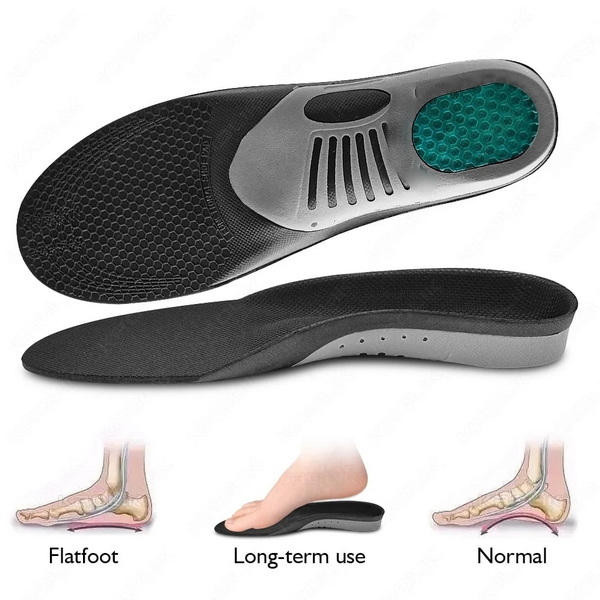
They support the natural curvature of the foot, redistribute body weight evenly, and reduce pressure on the heel and forefoot.
EVA is the most popular for flexibility, PU for durability, and gel for superior shock absorption. Combining them often yields optimal comfort.
Perform a wet footprint test. A narrow, curved imprint with minimal midfoot contact usually indicates high arches.
Yes, most can be trimmed for size, but check shoe depth and inner design to avoid tightness.
Replace every six to twelve months, depending on use frequency, material quality, and visible wear.


