
Language
Views: 222 Author: Edvo Publish Time: 2025-11-09 Origin: Site


Content Menu
>> Common Issues Associated with High Arches
● How High Arch Inserts Address These Issues
● Key Features of High Arch Inserts
● Types of Inserts for High Arches
>> Off-the-Shelf High Arch Insoles
>> Dress Shoe and Slim-Profile Inserts
● How to Select the Right High Arch Insert
>> Understand Your Arch Profile
>> Use Case and Activity Level
● OEM Solutions for Brands and Wholesalers
>> Benefits of Choosing a Leading OEM Manufacturer
● Comprehensive Support and After-Sales Services
● The Importance of Educating End-Users
>> Smart Insoles and Foot Health Monitoring
● FAQs About Inserts for High Arches
>> 1. What material is best for high arch inserts?
>> 2. Can high-arch insoles help prevent ankle sprains?
>> 3. Are custom orthotics necessary for all high arches?
>> 4. How long do high arch insoles last?
>> 5. What's the fastest way to check if I have high arches?
People with high arches face unique challenges when it comes to foot comfort and health. Ordinary shoes seldom provide the necessary support for this foot type, often resulting in discomfort, pain, and a higher risk of injury. For international brands, wholesalers, and manufacturers, sourcing the right high-arch insoles from experienced OEM partners is key to meeting customer demands. This guide explores everything you need to know about inserts for high arches—including their features, types, benefits, and how to choose the perfect solution for both business and end-user satisfaction.
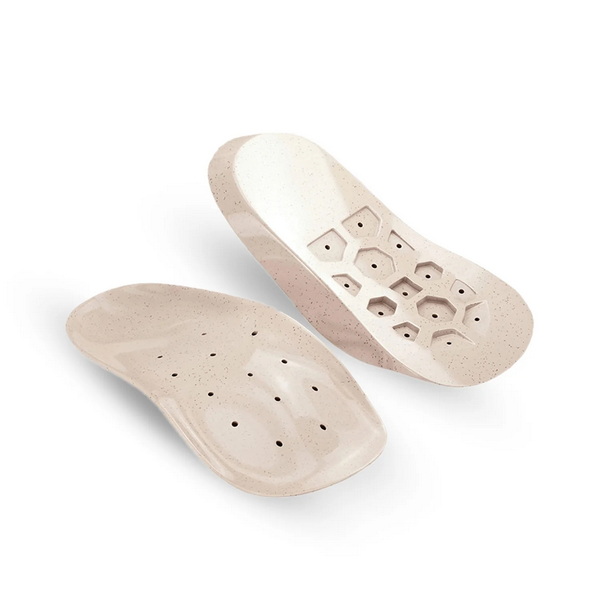
High arches, or cavus feet, are characterized by a pronounced upward curve along the inside of the foot. This anatomical variance affects how pressure is distributed and how shock is absorbed with each step.
If you have a high arch, the curve from your heel to the ball of your foot is considerably raised. You may notice more wear at the heel and forefoot of your shoes, because these areas carry the majority of your body weight. High arches are often hereditary and can also develop following neurological or muscular conditions.
- Localized Pain: High arches can lead to pain in the heel and ball of the foot during walking, running, or even standing for long periods.
- Instability: There is a higher risk of the foot rolling outward (supination), which can cause frequent ankle sprains.
- Calluses and Corns: Concentrated weight on certain areas results in callusing and corn formation.
- Knee, Hip, and Back Pain: Misalignment in the feet can have a ripple effect, contributing to discomfort in the knees, hips, or lower back.
- Reduced Shock Absorption: The rigid arch absorbs less impact, putting more stress on bones and joints.
Inserts designed specifically for high arches help correct alignment, provide stability, lessen pressure points, and absorb impact. Quality insoles fill the gap under the arch, distributing forces across the whole foot and improving comfort and gait.
A defining characteristic of high arch insoles is their elevated arch support, typically ranging from 29mm to 35mm. The contours should mirror the natural curve of the foot to ensure an ergonomic fit, providing both support and comfort.
The best high arch insoles offer a balance between firmness for structural support and flexibility to allow for natural movement. Semi-rigid and rigid orthotics are effective for individuals needing stability without limiting mobility.
A deep heel cup is crucial for stability. It cradles the heel, aligning the ankle and reducing the risk of outward rolling. This deep support helps maintain correct foot posture even during dynamic motion.
Extended padding from heel to toe cushions every step, minimizing the load on high-pressure points and absorbing shock. This is particularly important for athletes and individuals who spend hours on their feet daily.
High arch inserts are crafted to evenly distribute weight, lessening the burden at both the heel and ball of the foot. This balance alleviates discomfort and can prevent the formation of painful calluses or corns.
Today's insoles use breathable, antimicrobial, and moisture-wicking fabrics to keep feet dry and healthy, even during extended wear periods.
Pre-molded insoles marketed for high arches offer standardized arch heights and general support. These are ideal for consumers who need immediate relief in casual, athletic, or work shoes.
Crafted from 3D foot scans or molds, custom orthotics are tailor-made to fit the user's unique arch structure. Customization allows for precise pressure dispersion and is particularly beneficial for severe or complicated cases.
Athletes, industrial workers, and those with active lifestyles benefit from insoles designed for greater durability and shock absorption. Activity-specific inserts typically feature reinforced heels and additional cushioning to protect feet under repetitive or high-impact activity.
- EVA Foam: Lightweight, flexible, and resistant to compression, it provides comfort for day-to-day use.
- Gel Inserts: Focus on impact absorption and soft support, ideal for workers or sportspeople on hard surfaces.
- Memory Foam: Conforms closely to the shape of each foot, offering a personalized cushioning experience.
- Rigid Plastics/Carbon Fiber: Provide maximum support and correct misalignments, best for cases requiring firm stability.
For styles with less room, such as dress shoes and ballet flats, slim-profile high-arch insoles offer support without adding bulk or discomfort.
Perform a simple “wet test” by stepping onto a paper with a damp foot. If the print shows only a thin connection between the forefoot and heel, you have high arches. Knowing your foot structure helps in choosing the ideal insole shape and height.
Select insoles with the right volume for your shoe type. High-volume insoles work best with running shoes, boots, or sneakers, whereas low-profile insoles are better for slim-fitting footwear.
Match the insert to your main activities. Everyday walking may only require basic EVA foam support, while long-distance running, hiking, or industrial work might call for reinforced, highly-cushioned options.
Some individuals prioritize lightness and breathability, while others require firm support. The right material can enhance comfort, durability, and foot health.
Select insoles according to your shoe size and ensure they fit snugly without moving. Proper alignment maximizes support and prevents discomfort.
High-quality insoles last between six to twelve months under regular use. Adjust replacement schedules if you notice decreased support, visible wear, or persistent foot discomfort.
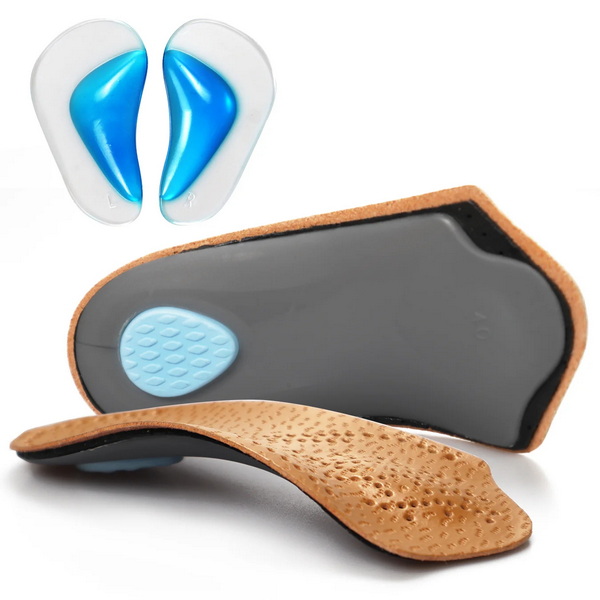
Partnering with a specialized insole manufacturer provides brands and wholesalers with advanced design options, consistent quality control, and flexible production to meet evolving market trends.
- Diverse Product Lines: Ability to create high-arch, medium-arch, and low-arch insoles for various markets.
- Advanced Technology: 3D scanning, rapid prototyping, and custom branding ensure products meet specific customer requirements.
- Eco-Friendly Materials: Focus on sustainability, hypoallergenic, and breathable fabrics.
- Strict Quality Assurance: In-house testing and certification for international compliance.
- Efficient Logistics: Reliable supply chain management and fast global delivery.
- Scalability: Capable of handling orders for both niche markets and large supermarket chains.
An experienced OEM manufacturer assists with everything from insole selection and design to marketing materials and after-sales support.
- Guidance in arch analysis and insole fitting for partner brands
- Custom packaging and labeling for private label sales
- Technical training and resources for retail staff
As a B2B supplier, providing educational materials to your buyers enhances trust and customer satisfaction. Offering information about how to identify high arches, the importance of proper foot support, and how to install and maintain insoles empowers your customers and drives brand loyalty.
Emerging technologies include smart insoles that track gait, pressure distribution, and daily activity, delivering real-time data to users and healthcare professionals.
Eco-friendly materials, biodegradable foams, and sustainable packaging represent the growing demand for green solutions in the footwear industry.
Advanced manufacturing allows for the mass production of personalized insoles through digital scanning and modular assembly lines, making once-premium features accessible to larger markets.
People with high arches need specialized support for lasting comfort and injury prevention. High-arch insoles, whether pre-made or custom, provide essential stability, cushioning, and pressure distribution. For brands, wholesalers, and manufacturers, working with a leading Chinese OEM partner ensures that end-users receive the world-class products they need while supporting long-term business growth and innovation.
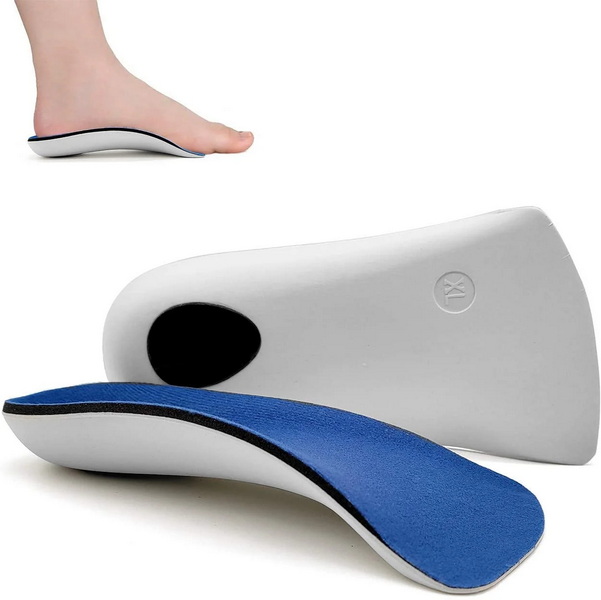
EVA foam is great for everyday wear, gel works for long shifts, and rigid carbon fiber or plastic is favored by athletes or those who need maximum support.
Yes, deep heel cups provide added stability and reduce outward foot rolling, a common cause of sprains.
Many users find relief with quality off-the-shelf insoles. Custom orthotics are best for severe cases, chronic pain, or complex medical conditions.
Typically, quality insoles should be replaced every six to twelve months, depending on usage intensity.
Try the “wet test”—step onto paper with a damp foot. If the print has only a narrow or no band connecting heel and ball, your arches are likely high.


