
Views: 222 Author: Edvo Publish Time: 2025-12-15 Origin: Site


Content Menu
● Why Insoles Are Essential for High Arches
● Key Features to Look For in Insoles for High Arches
>> 2. Cushioning and Shock Absorption
● Types of Insoles Suitable for High Arches
>> Gel and Memory Foam Insoles
● How Insoles Help High Arches in Everyday Life
● How to Choose the Right Insoles for You
● Common Mistakes When Choosing Insoles
● Care and Maintenance Tips for Insoles
● How Footwear Choice Affects Insole Performance
● When to Consult a Specialist
● The Role of Insoles in Athletic Performance
● Are Insoles Enough to Correct Posture?
● Future Trends in Insole Technology
● FAQ
>> 1. What problems can high arches cause?
>> 2. Can insoles fix high arches permanently?
>> 3. Are custom orthotics better than prefabricated insoles?
>> 4. How often should I replace insoles for high arches?
>> 5. Can I use high arch insoles in all types of shoes?
People with high arches often struggle with discomfort, poor balance, and foot fatigue because their feet do not make complete contact with the ground. This uneven pressure can lead to long-term pain, instability, and even posture-related problems. That's why choosing the right pair of insoles isn't just about comfort—it's about preventing injury, improving performance, and supporting the natural structure of the foot.
Whether you're an athlete, retail worker, or someone who simply wants better everyday comfort, this guide will help you understand exactly what kind of arch insoles you need for high arches and how to choose them effectively.
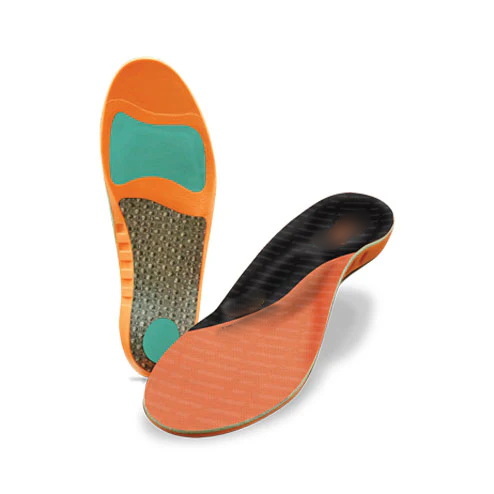
High arches, medically known as pes cavus, describe a condition where the arch of the foot is raised higher than normal. This structure means that less of the foot touches the ground during movement, placing greater pressure on the heel and ball of the foot. Unlike flat feet, which roll inward, high-arched feet roll outward—this movement is called supination.
People with high arches often notice:
- Persistent pain in the arch, heel, or metatarsal area.
- An unsteady gait or frequent ankle sprains.
- Calluses or worn areas on the outer soles of their shoes.
- Muscle fatigue after standing for long periods.
If left untreated, high arches can cause long-term conditions such as plantar fasciitis, metatarsalgia, Achilles tendonitis, and even lower back pain. Because the body's alignment begins with the feet, correcting support issues early is critical to overall musculoskeletal health.
Shoes alone can rarely provide the necessary support that high arches require. Insoles created for normal or flat arches often lack sufficient contour or firmness to support an elevated foot structure. Insoles designed specifically for high arches fill that gap by redistributing pressure, aligning the foot, and improving balance.
The key functions of insoles for high arches include:
- Redistribution of Pressure: They spread weight evenly to prevent concentrated stress on the heel and forefoot.
- Enhanced Cushioning: They absorb shock that the natural arch cannot, reducing strain during impacts.
- Improved Alignment: They stabilize the heel and guide the foot into a neutral position, reducing joint stress.
- Reduced Fatigue: They provide comfort and endurance for all-day wear, whether walking, running, or standing.
The right insoles don't just make walking easier—they can transform how your feet support your entire body.
When choosing insoles, quality and structural design matter more than brand or price. Here are the essential features that help high-arched individuals achieve comfort and stability.
The insole must match the height of your arch without feeling overly stiff or raised. An overly pronounced insole can cause additional pain by forcing pressure on the arch. Choose an insole that mirrors your foot's natural contour, offering both lift and gentle flexibility.
Because high arches provide less natural cushioning, good insoles must absorb impact effectively. Multi-layer designs using EVA foam, gel, or polyurethane deliver lasting comfort and prevent stress injuries. Proper cushioning in both the heel and ball of the foot ensures a balanced stride with less tension.
Durable materials ensure continued performance and hygiene. Breathable materials like ortholite or antimicrobial foams help wick away moisture and prevent odor buildup. The combination of firmness and pliability ensures your insole supports without compressing too quickly over time.
A contoured heel cup enhances stability by aligning your heel to the leg. This reduces the tendency of high-arched feet to roll outward, minimizing the risk of ankle sprains. Deep heel cups also enhance running and sports performance by securing your foot in a neutral position.
An effective insole should flex naturally with your foot movement while maintaining structure. If it's too rigid, it can cause discomfort; if too soft, it loses support. Adjustable or trimmable insoles ensure a proper fit across different shoe types.
With so many options on the market, understanding the main categories of insoles will help narrow your choice effectively.
Custom orthotics are designed by specialists based on detailed foot measurements, scans, or casts. These medical-grade insoles address specific foot imbalances and chronic pain issues. They provide unmatched precision but are often more expensive and take time to produce.
Prefabricated or over-the-counter insoles are easily available and more cost-effective. Many brands now offer models specifically for high arches, featuring elevated support zones and shock-absorbing padding. Prefab insoles work well for moderate conditions and everyday use.
Gel-based or memory foam insoles are ideal for comfort seekers. They conform to your foot shape, providing plush cushioning. While these are great for light walking and standing, they may not offer the firm support required for prolonged athletic use.
Sports insoles combine cushioning, stability, and moisture-resistance features. Designed for running, tennis, and high-impact activities, they provide firm arch support and durable construction that can endure active movement and heavy sweating.
Some users prefer natural materials like cork or leather. Cork insoles mold slightly to the foot over time while maintaining structure, making them suitable for dress shoes or long working hours. Leather insoles, though less cushioned, offer superior breathability and smell resistance.
High-arch insoles do far more than relieve localized foot pain—they can improve body mechanics. Properly supported feet help correct walking patterns, which, in turn, reduces stress on ankles, knees, hips, and even the lower back.
Consider the following benefits:
- Better Posture: Good arch support aligns the spine and helps you stand taller without effort.
- Improved Athletic Performance: Runners and athletes experience enhanced stability, quicker recovery, and fewer injuries.
- Reduced Joint Pressure: Correcting supination ensures smoother motion and less friction in joints.
- Enhanced Circulation: Even weight distribution avoids compressing nerves or blood vessels in the foot.
- Daily Comfort: Tasks like commuting, shopping, or long shifts become easier with reduced soreness.
For those working on hard floors all day—nurses, factory staff, or retail employees—high-quality insoles can mean the difference between fatigue and effortless mobility.
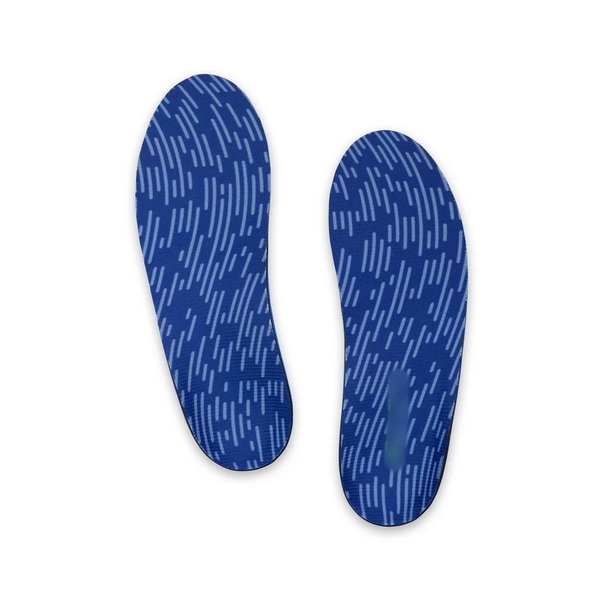
Selecting the most suitable insoles depends on several key factors:
1. Know Your Arch Height: Use a wet test or visit a podiatrist for accurate arch analysis.
2. Match Your Activity Level: Choose athletic, daily, or casual insoles according to intended use.
3. Select Proper Material: Heavier users may prefer firmer orthotic-grade foam for stability.
4. Ensure Correct Size: Trim-to-fit options work best to ensure edge-to-edge coverage.
5. Check Compatibility: Make sure your insoles fit well within your shoes without cramping toe space.
6. Test and Adjust: Walk around for a few minutes after inserting new insoles. You should feel balanced support across the whole foot.
7. Replace Periodically: Worn-out insoles lose structure and can do more harm than good. Replace them roughly every 6 to 9 months depending on use frequency.
Even informed buyers make errors that lead to poor comfort or lack of results. Be mindful of these common mistakes:
- Buying insoles based solely on price or brand reputation.
- Picking soft, cushion-only inserts without adequate arch support.
- Ignoring your foot size and shoe type.
- Assuming one insole fits all activities—sports needs differ from office wear.
- Neglecting gradual adaptation time; it often takes a few days for your feet to adjust fully.
A good practice is to test your insoles during different activities—standing, walking, and sitting—to ensure consistent comfort.
With proper care, insoles can last longer and stay hygienic. Follow these maintenance habits:
- Remove insoles after use to air dry.
- Clean gently using a damp cloth and mild soap; avoid soaking.
- Let them dry naturally—never use direct heat.
- Keep them in a cool place to maintain elasticity.
- Rotate between pairs if you use them daily.
- Store shoes and insoles separately overnight to avoid bacterial growth.
Regular cleaning not only extends the product life but also prevents unpleasant odors and infections.
The type of shoe you pair with your insoles has a major impact on how well they perform. Supportive footwear enhances insole benefits, while unsupportive shoes can counteract them.
For athletic shoes, look for models labeled as “neutral” or “arch-supportive,” as they provide extra room for insoles and support high arches naturally. Avoid overly flexible shoes that bend excessively under pressure.
For working shoes, choose sturdy soles and midsoles that complement insole firmness. Steel-toe boots or service shoes often pair well with rigid insoles.
For dress shoes, choose slim, low-profile insoles or partial inserts that maintain shoe aesthetics without tightness.
Understanding compatibility ensures consistent foot support, regardless of the type of footwear you wear.
While insoles improve many symptoms, some individuals with severe foot pain or deformities should seek professional evaluation from a podiatrist. You should consult a specialist if:
- You suffer ongoing heel or ankle pain despite using good insoles.
- You notice unnatural walking patterns or knee misalignment.
- Your feet frequently feel numb or tingly.
- You have underlying conditions such as diabetes or neuropathy.
A professional can recommend orthotic therapy, physical exercises, or specialized footwear modifications to provide more comprehensive care.
Athletes with high arches face unique challenges. Because their arches absorb less impact naturally, every landing or sprint creates higher stress on joints. Proper insoles mitigate this by stabilizing movement and lowering pressure points.
Benefits for athletes include:
- Enhanced traction and stability during quick directional changes.
- Reduced fatigue from repetitive motions such as jumping or running.
- Better control and posture during long-distance activities.
- Prevention of overuse injuries common in high-impact sports.
Whether running marathons, playing tennis, or cycling, using performance insoles customized for high arches can increase endurance and confidence.
While insoles greatly improve alignment and comfort, they are part of a larger posture correction strategy. Strengthening foot and leg muscles through stretching and targeted exercises complements the effects of insoles.
Exercises such as calf stretches, towel scrunches, and balance training strengthen stability muscles around your ankles and arches. Combined with supportive insoles, these habits correct gait patterns more effectively than either approach alone.
Modern foot support technology is evolving quickly. Manufacturers are now developing advanced insoles with smart sensors, temperature control, and customized 3D-printed orthotics.
Smart insoles can track pressure distribution, step count, and balance metrics via mobile apps. Custom 3D insoles are already reshaping the market by providing perfect fits generated from digital scans. These innovations promise even greater comfort, durability, and precise support for people with all kinds of arch structures.
Choosing the right insoles for high arches is essential for maintaining healthy, pain-free feet and proper body alignment. The best options combine structured arch support, deep heel cups, and lasting cushioning to absorb shocks and distribute weight evenly. Whether you choose custom-made orthotics for specialized conditions or high-quality prefabricated insoles for daily use, the key is ensuring a balance between firmness and comfort.
Your feet are the foundation of every movement. With the proper insoles, you not only reduce pain and fatigue but also improve your posture, stability, and overall quality of life with every step you take.
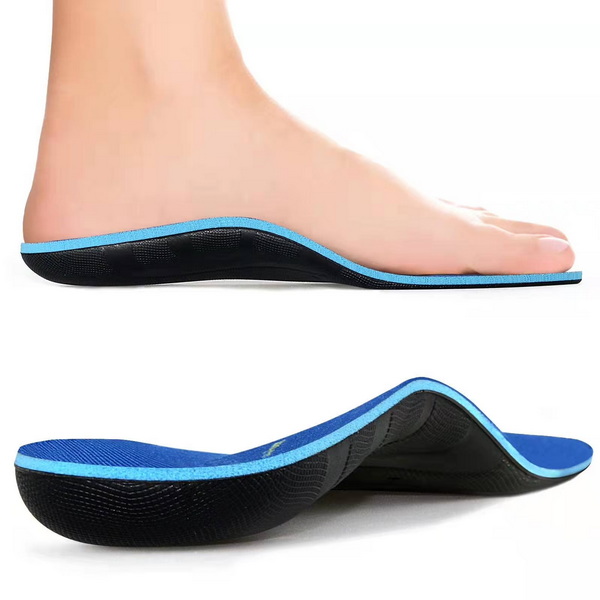
High arches can lead to frequent ankle sprains, plantar fasciitis, calluses, pain in the heel or forefoot, and reduced shock absorption during activities.
Insoles cannot change the physical structure of the foot, but they offer essential support and cushioning that significantly reduce discomfort and prevent complications.
Custom orthotics provide precise, medical-grade correction for severe cases, while prefabricated insoles are suitable for mild to moderate high arches at a lower cost.
On average, insoles should be replaced every six to twelve months depending on your activity level and how quickly the material compresses or flattens.
Most insoles fit athletic, casual, or work shoes, but not all models suit narrow dress shoes. Choose low-profile designs for formal footwear to ensure comfort without tightness.


