
Language
Views: 222 Author: Edvo Publish Time: 2025-12-10 Origin: Site


Content Menu
● Top Places to Get Fitted for Orthotics
>> Medical Clinics and Podiatrists
>> Physical Therapy and Rehabilitation Centers
>> Specialized Orthotics and Prosthetics Clinics
>> Retail Footwear Stores and Shoe Fitters
>> Online and Mail‑Order Custom Orthotics
● What Happens During a Fitting
>> History, Goals, and Lifestyle Review
>> Physical Examination and Gait Analysis
>> Casting, Scanning, or Impression
● Types of Orthotics You Might Be Offered
>> Functional Versus Accommodative Designs
>> Sport, Work, and Everyday Variants
● Everyday Benefits of a Proper Orthotic Fit
● Common Foot Problems Orthotics Can Help
● How to Choose the Right Place for Your Fitting
● Preparing for Your Orthotic Fitting
● Why Professional Orthotics Pair Well with Quality Insoles
● FAQ
>> 1. How do I know I need orthotics?
>> 2. Are custom orthotics better than generic insoles?
>> 3. How long does a fitting appointment usually take?
>> 4. How long will my orthotics last?
>> 5. Can I move my orthotics between different pairs of shoes?
Custom orthotic for shoes can dramatically improve comfort, stability, and performance, but only when they are properly evaluated and fitted by qualified professionals. There are several reliable places to get fitted, from medical clinics to retail solutions and convenient remote services, and understanding the differences helps you choose the best option for your feet and your lifestyle.
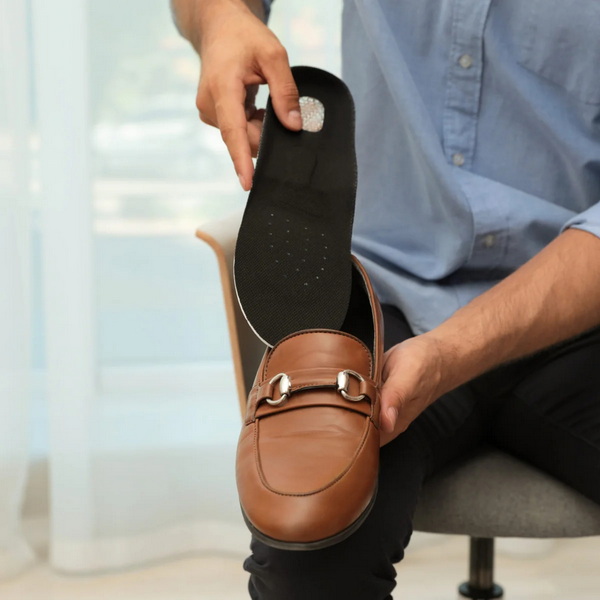
Orthotic devices are customized inserts placed inside footwear to support and align the foot and ankle so that the body moves more efficiently and with less pain. They are typically prescribed or designed after a detailed evaluation of foot mechanics, posture, and gait to address issues such as overpronation, flat feet, heel pain, or high arches.
Custom orthotics help redistribute pressure under the foot, improve alignment through the knees and hips, and reduce strain on soft tissue structures. With the right fit, they can enhance walking comfort, athletic performance, and long‑term joint health in daily life and work.
Different locations offer orthotics with varying levels of assessment, customization, and follow‑up care. The best choice depends on whether you need medical treatment, performance optimization, or basic comfort support.
Specialist foot and ankle clinics and podiatry practices provide a comprehensive evaluation and prescription process for orthotics. These clinics perform detailed biomechanical exams, analyze gait, and often use casting or digital scanning to create tailored devices for complex foot conditions.
Podiatrists and orthopedic‑focused clinics are ideal if you have persistent pain, deformities, previous injuries, or systemic conditions that affect the feet. They also typically offer follow‑up adjustments to fine‑tune the fit as your body adapts or your activity level changes.
Many physical therapy and rehabilitation centers integrate orthotics into treatment plans for lower limb pain, sports injuries, and postural problems. Therapists evaluate not only the feet but also knees, hips, and core to see how orthotics can complement strength and mobility programs.
These centers often perform both weight‑bearing and non‑weight‑bearing assessments before taking molds or scans. This option suits active individuals and athletes who want orthotics that work seamlessly with training and rehabilitation.
Dedicated orthotics and prosthetics providers focus on designing and fabricating custom devices, often with advanced technology and laboratory support. They use a structured process that may include three‑dimensional scanning, foam impressions, and detailed clinical notes to produce precise inserts.
These clinics are suitable if you require complex or highly technical devices, or if you prefer a facility whose main expertise is custom orthotic fabrication and long‑term follow‑up. Many also coordinate with physicians, therapists, and insurers to integrate orthotics into a broader care plan.
Some footwear retailers employ trained fitters who use pressure‑mapping platforms or basic gait observation to recommend supportive off‑the‑shelf or semi‑custom inserts. Although these products are not medical prescriptions, they can offer meaningful comfort and support for mild issues.
Retail solutions are generally faster and more affordable than clinic‑made devices and are a reasonable starting point for people with general discomfort rather than diagnosed pathology. However, those with significant pain, deformity, or medical conditions should still seek formal clinical assessment.
Remote providers have emerged that allow users to order impression kits, create molds at home, and send them back for custom fabrication. These services often rely on questionnaires about lifestyle, pain patterns, and footwear to guide design decisions.
Online custom solutions can deliver substantial savings compared with traditional clinic‑made devices while still offering personalized support and adjustment policies. They are particularly attractive for busy users, people in remote areas, or those seeking a second pair for everyday shoes after receiving a clinic‑prescribed device.
A proper orthotic fitting follows a structured evaluation so that the final device addresses real biomechanical needs rather than only adding cushioning. While details vary by provider, most assessments share several core steps.
Clinicians begin by asking about pain location, duration, previous injuries, and any existing diagnoses related to the feet, knees, hips, or back. They also review work demands, sports, walking surfaces, and typical footwear so that the device suits real‑life use rather than a theoretical ideal.
This information helps distinguish between conditions driven by structural foot shape and those aggravated by training errors, occupational standing, or inadequate shoes. Clear goals such as running without heel pain or standing at work with less fatigue guide design choices.
Next, the provider inspects the feet in relaxed and loaded positions, noting arch height, callus patterns, and alignment of the heel and forefoot. They may also evaluate ankle range of motion, leg length, and how knees and hips line up over the feet.
Many clinics add gait analysis, observing walking or jogging to identify overpronation, supination, or unstable motion patterns that contribute to pain. Some centers use video capture or pressure‑sensing platforms to quantify loading through each phase of the step cycle.
If custom devices are recommended, the clinician or technician will capture a model of each foot via plaster casting, foam impression, or digital scanning. For many methods, the foot is held in a controlled neutral position to ensure the device encourages ideal alignment rather than duplicating a faulty stance.
This model, combined with clinical notes on diagnosis, body mass, activities, and footwear style, guides fabrication in an orthotic laboratory. Depending on the provider, production can take a period of time before the patient returns for final fitting and adjustments.
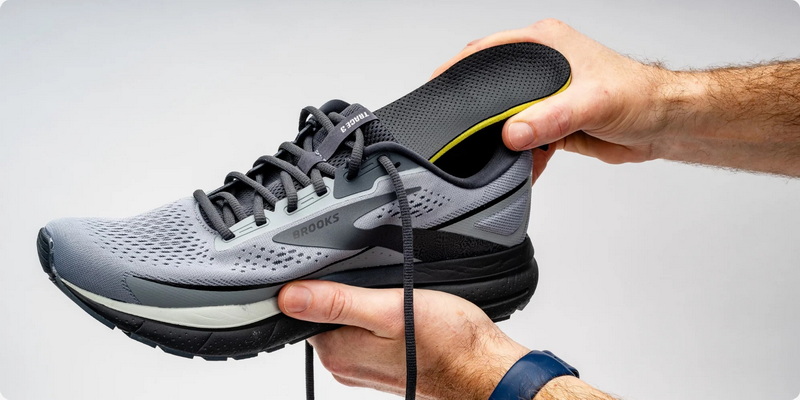
Different orthotic categories exist to support specific conditions, levels of activity, and footwear styles. Understanding the main types helps you discuss options during your fitting.
Functional devices aim to control abnormal motion and improve biomechanics, often using firmer materials to guide the foot through each step. These are commonly used for issues such as overpronation, sports performance, and joint alignment problems.
Accommodative designs focus on cushioning and pressure redistribution, using softer materials to protect sensitive areas and deformities. They are frequently chosen for systemic conditions, severe arthritis, or prominent bony areas that need relief rather than aggressive motion control.
Sport‑focused orthotics emphasize shock absorption, energy transfer, and stability during rapid direction changes or higher impact activities. Work‑oriented and daily‑wear devices prioritize long‑duration standing comfort, durability, and compatibility with uniform or safety footwear.
Clinics often recommend different profiles and materials for running shoes, dress footwear, and boots so that support follows the user across environments. Some patients alternate between pairs designed for specific tasks, such as one for office use and another for training.
When orthotics are accurately fitted, they do more than just reduce discomfort under the feet. They can influence how the entire lower limb chain functions during walking, climbing stairs, and performing daily tasks.
By improving foot alignment, orthotics can reduce stress on the plantar fascia, Achilles tendon, and various ligaments and muscles around the ankle. This often translates into less fatigue at the end of the day, especially for people who stand for prolonged periods.
Better control of pronation or supination also affects how force travels through the knees and hips. Many users report that once their feet are properly supported, long‑standing aches in the shins, knees, or lower back diminish or become easier to manage alongside stretching and strengthening programs.
Many users seek orthotic fittings because of specific recurring problems rather than general discomfort. Understanding which issues respond well to orthotics helps set realistic expectations.
Conditions such as plantar heel pain, arch strain, forefoot overload, and discomfort under the ball of the foot often respond positively to structured support. When the device redistributes load and aligns the foot more effectively, sensitive tissues are allowed to recover.
People with flat feet or very high arches may also gain stability and shock absorption from the right orthotic design. For some, the goal is not to change foot shape but to ensure that each step is less stressful on joints and soft tissue, so that daily activity becomes more sustainable.
The best location for orthotic fitting depends on your symptoms, budget, and expectations for follow‑up care. Considering a few key questions will guide you toward the most suitable provider.
If you experience persistent or severe pain, visible deformities, or have a systemic condition that affects circulation or sensation, a medical clinic or podiatrist is strongly recommended. Active individuals with sports‑related discomfort may benefit most from integrated care at a physical therapy center that combines orthotics with strength and mobility training.
Those seeking economical improvement in general comfort can begin with a reputable retail fitter or online custom service, especially if pain is mild and mainly related to long standing or inadequate footwear. Regardless of the route, ask about evaluation methods, materials, warranty, and the possibility of adjustments, since fine‑tuning is often essential.
Arriving prepared for an orthotic fitting helps the clinician understand your real‑world needs. Bringing several pairs of shoes that you use for work, leisure, and sport allows the provider to judge how the device will interact with different footwear shapes and volumes.
It is also helpful to note when and where pain is worst during a typical day, as well as any activities that you avoid because of discomfort. Sharing this information clearly can lead to a design that targets the most troublesome situations, such as walking on hard floors, climbing stairs, or long shifts on a factory line.
Wearing comfortable clothing that makes it easy to observe leg and hip movement can improve the quality of gait analysis. When the clinician can freely see joint alignment while you walk or jog, subtle movement patterns that cause strain are easier to identify and correct.
Even a perfectly designed device can feel unfamiliar at first. Most providers recommend a gradual break‑in schedule, starting with limited daily wear and building up over time so that muscles and joints can adapt.
During the first period, some mild fatigue or awareness under the arch can be normal as the body adjusts to a new alignment. However, sharp pain, persistent rubbing, or worsening symptoms should be reported quickly so that adjustments can be made to contour, posting, or cushioning.
Regular follow‑up visits or communication with the provider help ensure that the device continues to match your needs. As activity levels, body mass, or footwear change, small modifications can make a significant difference in comfort and long‑term outcomes.
Professionally prescribed devices deliver targeted medical or performance benefits, and their effectiveness depends heavily on precise fit and thoughtful design. High‑quality insoles manufactured with consistent standards can complement this by providing the comfort, durability, and shoe‑to‑shoe versatility that users need every day.
When clinics and manufacturers work with accurate foot data, reliable materials, and clear usage goals, the result is a combination of clinical precision and long‑term comfort. This synergy allows orthotics to support healthy movement not just in the treatment room but in daily work, commuting, and sport.
For brands, wholesalers, and footwear producers, partnering with a reliable insole manufacturer makes it easier to turn clinical recommendations into scalable products. Stable quality, material innovation, and the ability to handle customized specifications ensure that end users receive consistent support in every pair of shoes.
Getting fitted for orthotics is not only about adding cushioning; it is about understanding how your whole body moves and then tailoring support to your specific needs. Whether you choose a medical clinic, rehabilitation center, specialized lab, retail fitter, or remote service, the key is a thorough evaluation, appropriate materials, and the willingness to adjust the device until your feet feel truly supported in real‑world use.
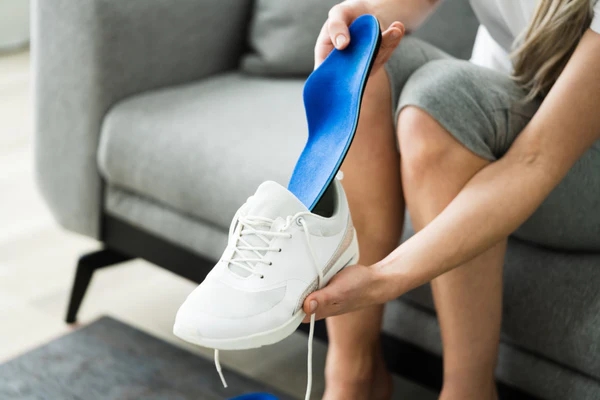
Persistent foot, heel, or arch discomfort, frequent fatigue when standing, or pain that radiates into knees, hips, or lower back are common signs that orthotics may help. If simple footwear changes do not improve symptoms, scheduling a professional evaluation is recommended.
Custom devices are designed for the contours and mechanics of each foot, which makes them more effective for specific conditions and performance goals. Generic products can add comfort but rarely correct complex biomechanical problems or provide the same level of long‑term support.
Most in‑person orthotic fittings include history, examination, gait analysis, and some form of casting or scanning within a single session. More complex cases or combined therapy assessments may require additional visits for testing and follow‑up.
Service life depends on body mass, activity level, materials, and how often the devices are worn. High‑quality custom products commonly provide reliable support over extended periods but should be reviewed regularly to ensure they still match your biomechanics and wear patterns.
Many designs are intended to be transferable among compatible footwear with similar internal shapes and volume. However, very slim dress shoes, specialty sports footwear, or safety boots may require separate configurations for optimal comfort and function.


