
Language
Views: 222 Author: Edvo Publish Time: 2025-11-25 Origin: Site


Content Menu
● Main Types of Insoles You Can Buy
● Where To Buy Insoles for Everyday Use
● Buying Insoles in Sports and Outdoor Stores
● Buying Insoles Online as a Consumer
● Key Technical Factors to Check Before You Buy
● Trying and Fitting New Insoles
● Online vs. Offline Buying – Which Is Better?
● When to Upgrade From Basic to Advanced Insoles
● Buying Insoles for Special Footwear
● Bulk and OEM Buying for Brands and Wholesalers
● How to Choose a Reliable OEM Insole Partner
● FAQ
>> 1. What is the best place to buy insoles for everyday shoes?
>> 2. Where should runners and athletes buy insoles?
>> 3. Can I buy insoles online if I do not know my arch type?
>> 4. When should I consider medical or orthotic‑style insoles?
>> 5. How can brands and wholesalers buy insoles directly from manufacturers?
If you are asking Where To Buy Insoles for Shoes?, you are already on the right path toward better comfort, support, and foot health. This complete guide explains where to buy shoe insoles, how to choose the right type, and what to consider if you are a consumer, a retailer, or a brand owner sourcing insoles in bulk.
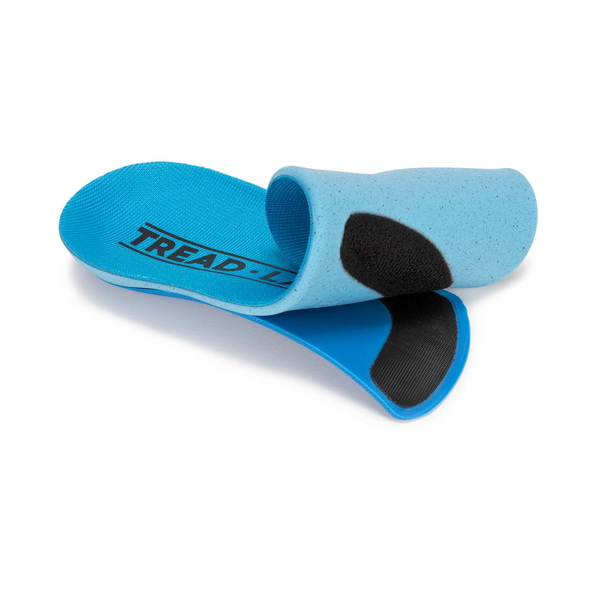
High‑quality insoles can reduce fatigue, ease pain, and improve alignment from your feet up to your knees, hips, and back. They also help protect joints by absorbing shock and spreading pressure more evenly across the foot. For people who walk, run, or stand for long periods, insoles can make the difference between daily discomfort and lasting comfort.
Before deciding where to buy, it is essential to understand the most common insole categories:
- Cushion insoles: Soft, plush models focusing on comfort and shock absorption in everyday shoes.
- Arch support insoles: Structured designs that keep the foot in a neutral position and reduce stress on the arch and heel.
- Sport/performance insoles: Built for running, hiking, and high‑impact activities, with reinforced heel cups and forefoot cushioning.
- Work insoles: Tougher designs for safety shoes and work boots, usually with extra support for long hours on hard floors.
- Orthotic‑style insoles: More corrective structures that help manage conditions such as plantar fasciitis, flat feet, or high arches.
For many people, the first answer to “Where To Buy Insoles for Shoes?” is local retail. Offline channels are still very convenient:
- Pharmacies and drugstores: Good for quick, off‑the‑shelf inserts aimed at tired feet, heel pain, or basic cushioning.
- Supermarkets and big‑box retailers: Offer simple and affordable insoles that you can buy together with other daily products.
- Shoe shops and department stores: Sometimes stock replacement insoles and comfort insoles together with fashion or casual footwear.
These channels are ideal when you want something fast and inexpensive, or when you are buying insoles for the first time and prefer to see the product packaging in person.
Sports shops and outdoor retailers are excellent options if you are active or work in demanding environments. They often carry:
- Running insoles optimized for shock absorption and heel‑to‑toe transitions.
- Hiking and trekking insoles with strong arch support and stable heel cups.
- Work‑boot insoles designed for heavy‑duty use and long hours on concrete or rough ground.
One advantage of these stores is the staff experience: many employees understand common foot problems for runners, hikers, and workers, so they can recommend products based on your shoe type and activity.
Online shopping has become one of the most complete answers to “Where To Buy Insoles for Shoes?”. There are three main online paths:
1. Specialist insole stores
- Dedicated sites focus on insoles, arch supports, and orthotics.
- They give detailed descriptions of foot types, arch profiles, and shoe volume, and often provide comparison charts or guides.
2. Footwear and outdoor e‑commerce platforms
- Many large online shoe and outdoor retailers offer powerful filters by size, activity, material, and arch support level.
- You can compare many models side‑by‑side and read feedback from other users.
3. General marketplaces
- Marketplaces list thousands of insole models from global sellers.
- They are useful for price comparison, bulk packs, and hard‑to‑find styles or sizes.
When shopping online, it is helpful to know your shoe size, rough arch type, and the kind of shoe you will use the insoles in, so that you can filter and shortlist quickly.
To make any channel work for you, pay attention to several technical details:
- Arch height: Low, medium, and high arches need different shapes of support; using the wrong one can feel worse than using no insole.
- Foot volume and shoe space: High‑volume insoles need deeper shoes, while low‑volume insoles fit tighter footwear such as cycling shoes or dress shoes.
- Length and trim lines: Some insoles are full‑length, while others are 3/4 length; many full‑length models include trim lines so you can cut the toe area to match your existing insole.
Material and firmness:
- Foam and memory foam focus on soft cushioning and pressure relief.
- Gel emphasizes shock absorption, especially under the heel and forefoot.
- Cork and rigid plastics emphasize support and control.
- Leather combines moderate cushioning with a high‑end feel, especially in formal shoes.
Matching these factors to your daily routine (office, warehouse, sports, long‑distance walking, etc.) helps you select insoles that genuinely work instead of just filling space in your shoes.
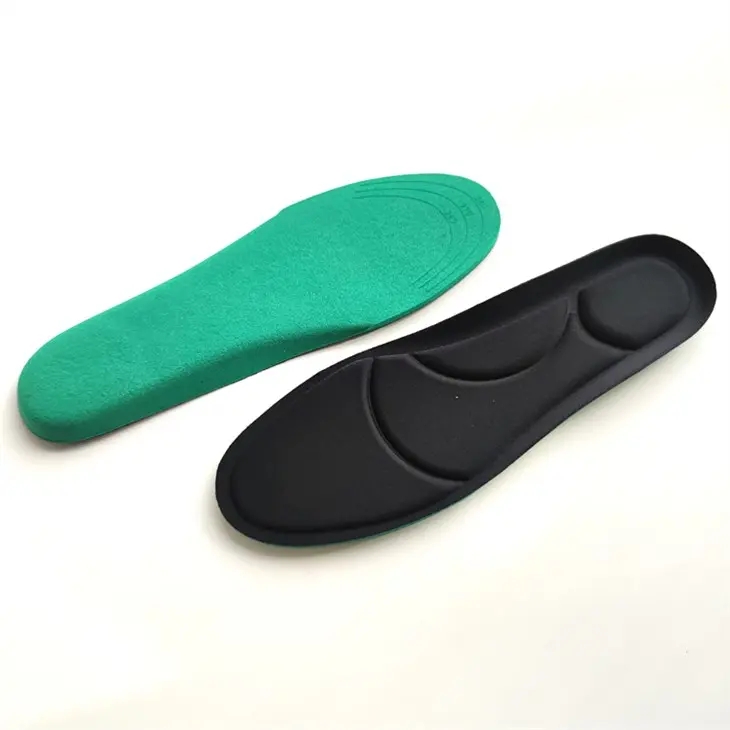
Once you decide where to buy insoles for shoes, you still need to make sure they fit correctly inside the footwear you already own:
1. Remove the original sock liner or factory insole from your shoe.
2. Place the new insole on top of the original one and trim along the outline if the new insole is slightly longer.
3. Insert the new insole and check that it lies flat without buckling or lifting at the heel or toe.
4. Stand up and feel whether the arch contacts your foot evenly and whether your heel is stable inside the heel cup.
5. Break‑in period: wear the insoles at home for one or two hours a day for several days before moving to full‑day use, especially if the arch support is firm.
This simple process prevents rubbing, pressure points, and toe crowding and allows your muscles and ligaments to adapt gradually.
Neither online nor offline is “best” for everyone; the right channel depends on what you value most:
- Choose offline if you want instant access, simpler choices, and the chance to feel firmness with your hands.
- Choose online if you want maximum range, technical filters, advanced materials, or models tuned for specific sports or medical needs.
In practice, many people combine both methods: they test a simple or popular insole type in a local store, then later upgrade to more specialized models once they understand what arch shape and thickness suit them.
You may start with basic cushioning insoles from a supermarket or pharmacy, but certain signs indicate it is time to invest in more advanced products:
- Persistent heel or arch pain even after replacing worn shoes.
- Knee, hip, or lower‑back discomfort after long periods of standing or walking.
- Noticeable over‑pronation (foot rolling inward) or supination (foot rolling outward).
- Very flat or very high arches that do not feel supported by standard inserts.
In these cases, moving up to orthotic‑style or sport‑specific insoles, whether purchased from a specialty store, online expert shop, or medical provider, can bring clear improvements in comfort and performance.
The question “Where To Buy Insoles for Shoes?” can have different answers depending on the kind of shoes you wear most often:
- Dress shoes and business footwear: Look for slim, low‑volume insoles, often in leather or thin foam, from shoe shops or specialist online stores; they must fit without making the shoes too tight.
- Running and training shoes: Sports shops, running stores, and online running‑gear retailers usually provide the right balance of cushioning and support for repetitive impact.
- Work boots and safety shoes: Industrial suppliers, outdoor retailers, and dedicated workwear e‑commerce sites offer heavy‑duty, anti‑fatigue insoles made to handle tough conditions.
- High heels: Many comfort and fashion retailers sell slim high‑heel insoles or forefoot cushions that relieve pressure without taking too much space.
Matching channel, shoe type, and insole design ensures your purchase actually solves your problem instead of creating a new one.
For brand owners, wholesalers, and footwear manufacturers, the most cost‑effective answer to “Where To Buy Insoles for Shoes?” is direct cooperation with professional OEM factories. Instead of buying finished retail packs, you develop private‑label insoles designed for your exact market segment.
With OEM production, you can:
- Select materials (EVA, PU foam, gel, memory foam, cork, fabric laminations) and hardness according to your target users.
- Decide on insole shape, thickness, heel cup depth, and arch profile for running, walking, safety, outdoor, or medical lines.
- Customize surface fabrics, colors, logos, printed patterns, and packaging so that the insoles match your brand identity.
- Plan different series for different regions or sales channels: e.g., one range for supermarkets, one for sports chains, and one for online exclusive sales.
Long‑term cooperation with a reliable OEM insole manufacturer also helps you maintain stable quality, predictable delivery times, and consistent performance from one production batch to the next.
If you are a brand, importer, or wholesaler, picking the right factory is just as important as deciding where to buy insoles for shoes in general. When evaluating potential OEM partners, consider:
- Production capacity and equipment: Look for modern molding, cutting, lamination, and bonding lines that can handle large orders and complex structures.
- Material control and testing: A good factory monitors hardness, rebound, compression set, color stability, and odor resistance of foam and gels.
- Design and R&D ability: Strong OEM partners support you with sampling, material suggestions, 3D shape adjustments, and improvements based on market feedback.
- Quality system and certifications: Formal quality systems, relevant test reports, and export experience are crucial for long‑term B2B cooperation.
- Communication and after‑sales service: Clear, responsive communication helps avoid misunderstandings about specifications, labeling, and packaging.
By combining these criteria with sample testing and trial orders, you can secure a stable supply of insoles that support your brand's reputation.
Whether you are a consumer buying a single pair or a buyer planning a bulk order, it helps to go through a simple checklist:
- Who will use the insoles (everyday user, athlete, worker, patient, or shoe brand customer)?
- What shoes will they be used in (sneakers, dress shoes, safety boots, outdoor boots, high heels)?
- What is the primary goal (comfort, pain relief, performance, warmth, or odor control)?
- What arch height and foot volume do you need (low, medium, or high; low‑volume shoe or high‑volume boot)?
- What material and thickness are acceptable (soft, medium, or firm support; thin or thick profile)?
- Where is the most suitable place to buy (local store, specialized online shop, brand website, medical provider, or OEM factory)?
Answering these points in advance makes your purchasing process faster and reduces the risk of returns, complaints, or unsatisfied end users.
Where To Buy Insoles for Shoes? has many correct answers, and the ideal one depends on whether you are an individual user or a B2B buyer. Local pharmacies, supermarkets, sports stores, and specialty footwear shops remain excellent options when you need convenient, ready‑to‑use inserts. At the same time, online insole specialists, brand websites, and general marketplaces give you a vast choice of materials, arch profiles, and activity‑specific designs. For brands, wholesalers, and manufacturers, cooperating directly with a professional OEM insole factory makes it possible to create tailored, private‑label products that match your market's needs. By understanding your foot type, shoe style, usage scenario, and sourcing strategy, you can always choose the right channel and the right insoles for lasting comfort and support.

For everyday shoes, the most practical options are pharmacies, supermarkets, and big‑box retailers, where you can quickly find basic cushioning and simple arch support models. If you want a wider choice of materials and designs, specialist online insole stores and official brand websites usually provide more detailed information and more sizes.
Runners and athletes often get the best results from sports shops, running specialty stores, and outdoor retailers that stock performance insoles designed for impact absorption and stability. After testing different styles in these stores, many athletes order advanced sport‑specific models online once they know their preferred arch profile and cushioning level.
Yes. Many online shops explain how to check your arch using simple at‑home methods, such as a wet‑foot test on paper, and then match the footprint to low, medium, or high arches. Some sites provide short quizzes or guides that ask about your foot shape, shoe type, and common pain areas, then recommend suitable products.
You should consider medical or orthotic‑style insoles if you experience chronic heel pain, arch pain, knee or back issues related to walking, or if you have conditions such as plantar fasciitis or diabetes‑related foot problems. In these situations, it is sensible to consult a doctor, podiatrist, or orthotic clinic, because they can evaluate your gait, foot shape, and health needs before recommending specific products.
Brands and wholesalers can cooperate with specialized insole factories that provide OEM or private‑label services. By sharing your target market, performance requirements, material preferences, and branding ideas, the factory can develop custom samples and then scale up to mass production with your logo, packaging, and quality standards. This route is ideal for building a complete insole line under your own brand instead of reselling generic products.


