
Views: 222 Author: Amanda Publish Time: 2025-09-08 Origin: Site


Content Menu
● Understanding Orthotics for Shoes
● Where to Buy Orthotics for Shoes
>> Specialized Orthopedic Clinics and Podiatrists
>> Physical Therapy and Rehabilitation Centers
>> Online Marketplaces and Specialty E-Commerce Stores
>> Retail Sporting Goods and Specialty Footwear Stores
>> Wholesale and OEM Manufacturers—Ideal for Brands and Bulk Buyers
● Types of Orthotics for Shoes
● Key Considerations When Choosing Orthotics for Shoes
>> Assess Your Foot Shape and Condition
>> Budget and Cost vs. Benefit
● Frequently Asked Questions (FAQ)
>> 1. What are orthotics for shoes used for?
>> 2. Are custom orthotics better than over-the-counter ones?
>> 3. How do I know if I need orthotics for shoes?
>> 4. Can I buy orthotics safely online?
>> 5. How long do orthotics for shoes typically last?
Finding the perfect orthotics for shoes can dramatically improve comfort and foot health. Whether you suffer from plantar fasciitis, flat feet, or other foot issues, choosing the right orthotic is essential. This comprehensive guide explains where to buy orthotics for shoes, the types available, and how to select the best option for your needs. Throughout this article, we will cover various sources, including online stores, clinics, and retail locations, and provide practical tips for making well-informed decisions.

Orthotics for shoes are specially designed insoles or inserts that support the foot's structure and function. They help correct biomechanical issues, relieve pain, and improve walking or running efficiency. Orthotics can reduce strain on muscles and joints by properly aligning the feet and absorbing impact.
There are two main categories of orthotics:
- Custom orthotics: Tailored to your individual foot shape and condition, typically prescribed by a healthcare professional after assessment and sometimes created from molded impressions, 3D scans, or X-rays.
- Over-the-counter (OTC) orthotics: Pre-made for general use, available in drugstores or online, suitable for mild discomfort or preventative purposes but less precise than custom devices.
Understanding these differences helps buyers select the ideal type of orthotics for shoes based on their specific foot problems and lifestyle.
Orthopedic clinics and podiatrists are the most reliable places to get custom orthotics for shoes. These specialists conduct thorough foot and gait analyses and prescribe orthotics designed to address individual biomechanical issues. This personalized process often includes taking an impression or scan of your feet, ensuring the orthotic closely matches your foot's contours.
- Benefits: Precise fit especially for complex foot problems; ongoing professional support and follow-up.
- Drawbacks: Higher cost and the need for an appointment.
Many physical therapy clinics have expertise in orthotic fitting as part of treatment for foot injuries or chronic pain. These centers often collaborate with orthopedic suppliers to custom-make orthotics designed to improve mobility and reduce pain resulting from conditions like arthritis, diabetes, or sports injuries.
- Advantages: Treatment-focused approach that integrates orthotics in rehab plans.
- Considerations: May be limited to therapy patients or require referrals.
Online sales channels provide a vast range of orthotics for shoes, including options for both daily comfort and athletic performance. Many online vendors offer detailed product descriptions, sizing charts, and customer reviews to guide buyers.
- Top platforms: Amazon, Zappos, and dedicated foot care websites.
- Pros: Convenient access, competitive pricing, rapid delivery options.
- Cons: No physical try-on; sizing errors possible without proper measurement; returns may require shipping fees.
Stores that focus on running, hiking, or athletic shoes often stock a variety of orthotic insoles designed for different sports or activity levels. Knowledgeable staff can recommend products based on individual foot type and usage.
- Tip: Opt for stores with trained shoe fitters or foot health consultants for better guidance and fitting services.
For companies, retailers, or brands looking to incorporate orthotics into their product line, working directly with reputable OEM manufacturers, particularly from manufacturing hubs like China, offers significant advantages. These manufacturers can produce custom orthotics for shoes that meet brand specifications at competitive wholesale prices.
- Benefits: High-volume orders with customizable design, materials, and branding.
- Ideal for: Footwear brands, importers, wholesalers, and large-scale distributors.
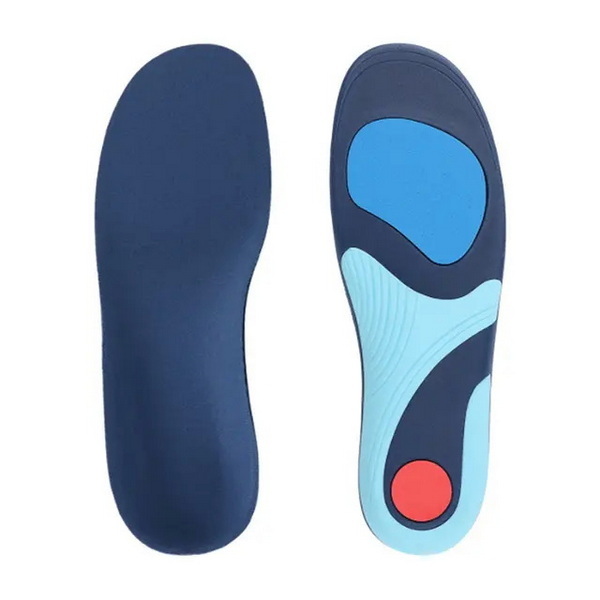
Prefabricated orthotics are manufactured in standard sizes and shapes designed to accommodate common foot issues such as mild arch support or extra cushioning. These are readily available at pharmacies, shoe stores, and online and provide a cost-effective solution for general discomfort.
Custom orthotics are molded specifically to an individual's foot contours either by physical molds or digital scanning technology. They provide precise correction for complex biomechanical problems and are usually made from durable, high-quality materials to ensure long-lasting support.
Semi-custom orthotics blend features of both prefabricated and custom types. They use a more limited number of sizes but allow some adjustments or fine-tuning to better fit the foot, offering improved comfort and support at a price point lower than full custom orthotics.
Professional assessment is best for identifying your exact foot type—whether you have flat feet, high arches, or pronation issues—and related pain. Without a diagnosis, it is difficult to choose orthotics that will provide the needed support and prevent further injury.
Orthotics come in a variety of materials, from soft foam or gel for cushioning to rigid plastics and carbon fiber for structural correction. Consider activity level and comfort preferences. For example, runners often benefit from shock-absorbing materials with firm arch support.
Not all orthotics fit every shoe style. Thicker orthotics may not fit in tight shoes such as dress footwear. Consider orthotics designed specifically for your shoe type or seek thinner versions that maintain support without bulk.
Orthotics for shoes require periodic replacement because cushioning compresses and materials wear down, reducing support. Typically, high-quality orthotics last 1 to 3 years depending on use.
While custom orthotics tend to be more expensive, their long-term benefits in reducing pain and improving foot function often justify the investment. Over-the-counter options offer affordable alternatives, particularly for mild or temporary needs.
When possible, try orthotics physically before purchase to confirm fit and comfort. Many specialty stores provide trial periods or return policies to ensure customer satisfaction.
To maximize the lifespan of orthotics for shoes, proper care is essential. Regular cleaning with mild soap and water prevents odor and material breakdown. Avoid submerging rigid orthotics but wipe them carefully. Allow orthotics to air dry completely before inserting back into shoes. Replace them promptly once support wanes or signs of wear appear.
Where to buy orthotics for shoes varies depending on individual needs, budget, and convenience preferences. For personalized care and specific biomechanical correction, orthopedic clinics and podiatrists remain the top choice. Physical therapy centers also provide treatment-integrated orthotic options. For convenience and variety, online retailers and specialty footwear stores offer accessible solutions. Wholesale and OEM manufacturers are optimal for brands and large buyers seeking custom-designed orthotics. By understanding the different types of orthotics and key factors in selection, anyone can find the orthotics for shoes that enhance comfort, reduce pain, and support healthy foot function.
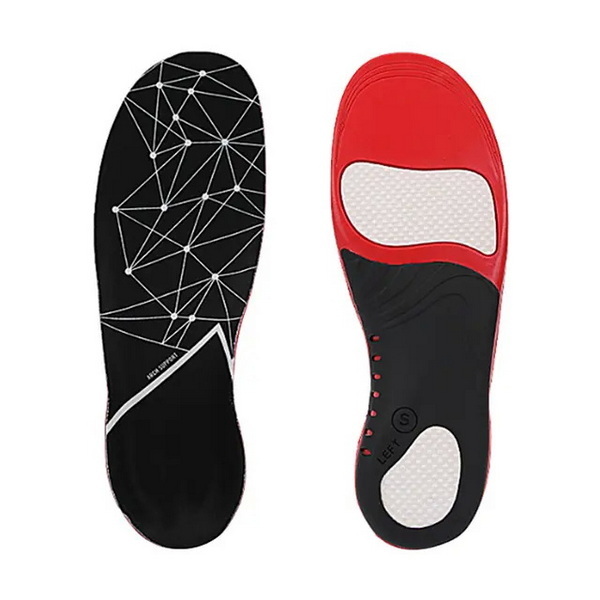
Orthotics provide additional support to the feet, helping to correct alignment, reduce pain from foot conditions such as plantar fasciitis, flat feet, or arthritis, and improve overall walking or running mechanics.
Custom orthotics offer a precise, tailored fit that addresses specific foot problems and is typically superior for chronic or severe conditions. Over-the-counter orthotics are convenient and cost-effective but suited more for mild discomfort or preventative care.
If you experience persistent foot, heel, or arch pain, notice abnormal wear patterns on your shoes, have flat feet or high arches, or suffer from related knee or back pain, consulting a specialist may indicate whether orthotics are appropriate.
Yes, buying orthotics online is safe if you select reputable sellers with clear sizing guides, customer reviews, and good return policies. Measuring your foot accurately before purchase helps avoid sizing issues.
The lifespan of orthotics depends on frequency of use, activity level, and material quality but generally ranges from 1 to 3 years. Replace orthotics when they no longer provide adequate support or show signs of wear.


