
Views: 222 Author: Edvo Publish Time: 2026-01-05 Origin: Site


Content Menu
● Understanding the Function of Insole Foam
● Main Types of Insole Foam Materials
>> EVA (Ethylene Vinyl Acetate) Foam
>> Memory Foam (Viscoelastic Foam)
>> Latex Foam
>> Gel Foam
● Other Essential Foam Options
>> PORON Foam
● Open-cell vs. Closed-cell Foams
● Choosing the Right Insole Foam
>> Match Foam Type to Footwear Purpose
>> Balance Comfort, Durability, and Cost
>> Focus on Moldability and Production Efficiency
>> Sourcing and Quality Control
>> Sustainability and Market Trends
● Advanced Multi-layer Foam Design
● Common Manufacturing Techniques
>> Lamination
>> Die Cutting
● Comparing Foam Types for Key Properties
● Why OEM Manufacturers Prefer EVA and PU Blends
● Importance of Customization in OEM Manufacturing
● Industry Trends: The Future of Insole Foam Technology
● FAQ
>> 1. What is the most durable insole foam?
>> 2. Which foam type offers the most comfort?
>> 3. What insole foam is best for sports shoes?
>> 4. Are latex foam insoles environmentally friendly?
>> 5. Can foam density be customized during OEM production?
Footwear comfort starts from the inside out. A well-made insole not only enhances the walking experience but also protects the feet from stress and fatigue. As one of the leading foam insole OEM manufacturers in China, we understand that choosing the right insole foam is a critical decision for any footwear brand, wholesaler, or manufacturer. The type of foam used affects not only comfort and product durability but also production cost, sustainability, and customer satisfaction.
If you are deciding which type of insole foam is best for your product line, understanding the materials, properties, and performance of different foams is essential. This article explores the major foam types used in insole manufacturing, how they perform under various conditions, and practical tips for choosing the right one for your specific application.

The primary role of insole foam is to provide cushioning and shock absorption between the foot and the shoe sole. However, advanced foams do much more than that. Modern consumers expect insoles that maintain balance, support arches, manage moisture, and resist odor, all while ensuring long-term durability.
Insole foam serves these core functions:
- Cushioning: Softens the impact between the foot and hard surfaces.
- Support: Distributes pressure evenly and supports foot alignment.
- Energy return: Provides rebound to reduce fatigue during walking or running.
- Breathability: Keeps the inside of the shoe dry and odor-free.
- Durability: Retains shape and comfort after thousands of steps.
Choosing the right insole foam depends on how these properties align with your footwear purpose—whether athletic shoes, work boots, orthopedic footwear, or casual sandals.
EVA foam is one of the most commonly used materials in the footwear industry. It's lightweight, flexible, and known for its excellent shock absorption. Manufacturers love EVA because it's easy to mold, cut, and laminate in large production runs.
Advantages:
- Superior cushioning that reduces joint stress.
- Lightweight for better mobility and comfort.
- Resistant to cracking and UV damage.
- Smooth surface ideal for lamination with fabric or mesh.
Applications:
EVA foam works well for running shoes, sneakers, hiking boots, and everyday footwear. It's also popular for cost-effective OEM production due to its low material cost and process efficiency.
Drawbacks:
EVA foam may compress over time with prolonged use. To enhance performance, manufacturers often blend EVA with rubber or add PU layers for improved durability and bounce.
PU foam is revered for its balance between comfort and resilience. It offers consistent cushioning and longevity, making it suitable for footwear that demands both softness and endurance.
Advantages:
- High elasticity and structural integrity.
- Uniform cell structure ensuring even support.
- Long-lasting under heavy loads and repeated compression.
- Adjustable density, allowing OEM customization.
Applications:
It's widely used in work boots, orthopedic footwear, and professional shoes that must endure extended wear. PU foam retains shape better than EVA and provides stable arch support.
Drawbacks:
PU foam is heavier and costlier to produce than EVA. However, its extended lifespan makes it ideal for premium or performance-focused footwear lines.
Memory foam is a high-performance foam that molds to the user's foot shape. Its slow-recovery behavior provides a plush, personalized comfort that many consumers associate with luxury.
Advantages:
- Molds perfectly to individual foot contours.
- Provides excellent pressure distribution.
- Feels soft yet supportive for extended wear.
- A luxurious feel suitable for comfort-focused brands.
Applications:
Ideal for casual wear, orthopedic footwear, and high-end lifestyle shoes. Many manufacturers pair memory foam insoles with fabric covers for a soft-touch finish.
Drawbacks:
Memory foam retains heat and is less breathable. Also, it can lose its resilience under consistent heavy use, so combining it with firmer layers like PU helps maintain shape.
Latex foam, made from natural or synthetic rubber, is flexible and resilient. Known for its springy rebound and natural ventilation, latex provides a refreshing feel.
Advantages:
- Naturally antibacterial and antifungal.
- Soft, elastic, and responsive with each step.
- Renewable material option (when natural latex is used).
- High breathability keeps feet cool and comfortable.
Applications:
Perfect for eco-friendly footwear, comfort sandals, and insoles requiring sustainability. It gives a natural feel appreciated by environmentally conscious consumers.
Drawbacks:
Overexposure to moisture and sunlight may accelerate degradation. Furthermore, users with latex allergies must avoid natural latex foam products.
Gel foam combines the best of both cushioning and cooling performance. Gel is either infused into the foam material or layered as an insert to enhance comfort and temperature regulation.
Advantages:
- Great shock absorption during athletic performance.
- Prevents overheating inside shoes.
- Adds rebound and comfort for long activities.
Applications:
Used in sports shoes, training footwear, and orthopedic insoles. Gel foams are perfect for shoes meant for prolonged standing or impact-intensive sports.
Drawbacks:
Gel layers can make the insole slightly heavier. The production process is also more expensive, which may limit its use in budget footwear models.
Neoprene foam, a synthetic rubber material, offers exceptional durability and insulation. It's highly resistant to environmental wear, making it suitable for demanding applications.
Advantages:
- Long lifespan and high compression resistance.
- Thermal insulation and water resistance.
- Reliable support for orthopedic and industrial use.
Applications:
Ideal for protective footwear, medical orthotics, and outdoor gear. It helps absorb vibration and provides joint support during prolonged use.
Drawbacks:
It's heavier than other foams and less breathable, so it's best used for specialized insole categories rather than casual shoes.
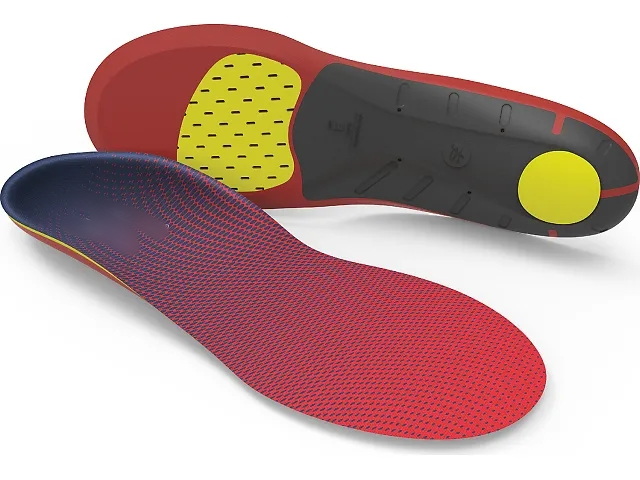
PE foam is firm and lightweight, often used as a base layer for multi-density insoles. It's resistant to moisture and deformation, giving structure to the insole.
PORON is a microcellular polyurethane foam known for unmatched shock absorption and longevity. While more expensive, it's often used in high-end footwear and orthopedic insoles.
These specialty foams are excellent for OEMs seeking differentiated performance and branding advantages in their product lines.
Foams can be classified by cell structure, which directly affects breathability and performance.
- Open-cell foam: Soft, breathable, and moisture-absorbing. It's commonly used in lifestyle and comfort footwear because it conforms easily to foot pressure.
- Closed-cell foam: Dense, waterproof, and resilient against compression. Often used in industrial, hiking, and outdoor shoes for its durability.
Some insoles integrate multiple foam layers — combining open-cell cushioning with closed-cell stability for optimal results.
Different shoe categories demand distinct foam features:
- Athletic shoes: Use EVA or gel-infused foam for energy return.
- Work boots: PU and neoprene foams resist compression under heavy loads.
- Orthopedic footwear: Memory foam improves fit and reduces pressure.
- Eco-friendly models: Natural latex offers sustainability without sacrificing comfort.
Every manufacturer must consider performance relative to cost. EVA is cost-effective but less durable. PU and memory foam cost more, yet deliver higher perceived value. Blended designs often provide the best balance for large-scale OEM production.
From a manufacturing standpoint, some foams are easier to die-cut, laminate, and mold. EVA and PU offer superior compatibility with automated production lines, improving consistency and reducing waste.
Partnering with experienced foam suppliers ensures consistent density, resilience, and thickness. This is critical for brands that produce in large quantities while maintaining product quality across shipments.
Today's consumers are more environmentally aware, driving demand for eco-friendly materials. Foams made from natural latex or recycled PU blends are gaining traction. Certifications for non-toxic, odorless, and recyclable products help brands market responsibly.
High-end footwear often integrates multi-density foam technology, where different layers perform different roles:
- Top layer: Soft foam for initial cushioning and comfort.
- Middle layer: Dense foam for structural stability.
- Bottom layer: High-resilience foam or gel insert for rebound.
This multi-layer approach maximizes comfort and durability. OEM manufacturers can customize layer thickness, hardness, and density to create products optimized for brand-specific needs.
Additionally, technologies like 3D molding, compression-cutting, and heat lamination allow precise shaping that matches ergonomic foot contours.
Used for shaping EVA and PU materials, ensuring uniform thickness and density.
Ideal for high-volume production, creating consistent insoles with fine detail.
Combines foam with textiles or mesh surfaces, improving aesthetics and comfort.
Used for customized insole shapes to suit specific brands and consumer requirements.
Each technique offers different levels of precision, efficiency, and customization, and the right process depends on production scale and product category.
| Foam Type | Cushioning | Durability | Breathability | Weight | Cost | Best For |
|---|---|---|---|---|---|---|
| EVA Foam | Excellent | Moderate | Good | Light | Low | Sports, casual shoes |
| PU Foam | Very good | Excellent | Moderate | Medium | Medium | Work boots, orthopedic |
| Memory Foam | Excellent | Moderate | Low | Medium | Medium-High | Comfort, lifestyle |
| Latex Foam | Good | Good | Excellent | Light | Medium | Eco-friendly footwear |
| Gel Foam | Excellent | High | Moderate | Medium | High | Athletic footwear |
| Neoprene Foam | Good | Excellent | Low | Heavy | Medium | Industrial footwear |
For large-scale footwear manufacturing, a combination of EVA and PU foams provides optimal balance. EVA contributes lightweight flexibility, while PU adds durability and structured support. This dual formulation reduces long-term compression while enhancing rebound response.
Blended foam technology is cost-effective and performs exceptionally well in both sports and everyday footwear categories. Many global shoe brands rely on OEM producers that specialize in such material engineering to maintain product consistency and comfort standards.
Every brand has unique consumer demands, from softness levels to targeted price points. Professional OEM manufacturers can fine-tune:
- Foam density and thickness based on shoe category.
- Mold shape for arch support or heel lift.
- Surface finishes such as antibacterial coatings or moisture-wicking fabrics.
- Packaging and branding to match global retail requirements.
Collaborating with an experienced Chinese insole manufacturer ensures access to advanced equipment, material expertise, and global export capability — all key to creating competitive, high-quality products.
The insole market continues to evolve, blending material science with consumer-driven design. Modern innovations include:
- Bio-based polymers: Eco foams derived from renewable sources like castor oil.
- Graphene and carbon-infused foams: Enhance durability and energy transfer.
- Air-cell cushioning: Improved breathability and adaptive shock dispersion.
- Smart foam materials: Integrating pressure sensors for performance monitoring.
Sustainability will remain a top priority. Brands that adopt recyclable or biodegradable foam technologies can appeal to conscious consumers while meeting international environmental standards.
Determining which type of insole foam is best depends largely on your footwear's end use, production goals, and target market. For sports performance, EVA and gel-infused foams deliver lightweight impact absorption. For long-lasting support, PU foam is unbeatable. When comfort and contour fit are essential, memory foam offers unmatched luxury. And for sustainability and natural comfort, latex foam stands out.
The key lies in balancing comfort, cost, and durability while adapting foam compositions to fit your brand's identity and manufacturing needs. Partnering with a professional OEM insole manufacturer in China ensures custom solutions that meet international quality standards and consumer expectations.
By choosing carefully and innovating continuously, footwear brands can deliver superior comfort that keeps customers walking confidently—step after step.
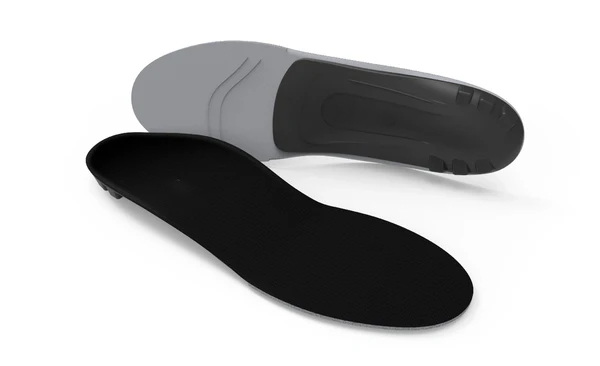
PU foam is widely recognized for its durability and resistance to flattening. It maintains its shape and performance even after prolonged use, making it ideal for professional footwear.
Memory foam provides the best personalized comfort by contouring to the foot's shape. It evenly distributes pressure, reducing fatigue over time.
EVA foam or gel-infused EVA provides excellent cushioning and energy return, perfect for running and high-impact activities.
Yes. Natural latex is biodegradable and renewable, making it a sustainable choice for eco-conscious footwear brands.
Absolutely. Manufacturers can control foam density, thickness, and hardness to meet different footwear categories, from ultra-soft lifestyle shoes to firm work boots.


