
Views: 222 Author: Edvo Publish Time: 2025-11-06 Origin: Site


Content Menu
● What Are Memory Foam Insoles
● Benefits of Memory Foam Insoles
● Common Concerns About Washing Memory Foam Insoles
● Can You Wash Memory Foam Insoles?
● Step-by-Step Guide: Washing Memory Foam Insoles
● Preventing Odors and Extending Lifespan
● Do's and Don'ts for Washing Memory Foam Insoles
● Applications and OEM Customization Options
● Caring for Memory Foam Insoles in Different Environments
● Environmental Impact and Sustainability in Washing Practices
● Troubleshooting Common Cleaning Issues
>> 1. How often should memory foam insoles be washed?
>> 2. Can memory foam insoles go in the washing machine?
>> 3. Is it safe to use disinfectant sprays on memory foam insoles?
>> 4. What should I do if my insoles smell even after cleaning?
>> 5. How do I dry memory foam insoles quickly?
Memory foam insoles have revolutionized foot comfort in modern footwear, delivering excellent shock absorption, arch support, and adaptive cushioning for people of all ages and lifestyles. As these insoles have gained popularity, customers and businesses alike frequently ask: Are memory foam insoles washable? Caring for these essential shoe components is not only important for hygiene, but also for maximizing product longevity and performance. This comprehensive guide explains everything you need to know, including best practices, step-by-step cleaning methods, common mistakes, and maintenance tips, targeted for international brands, wholesalers, manufacturers, and everyday users.
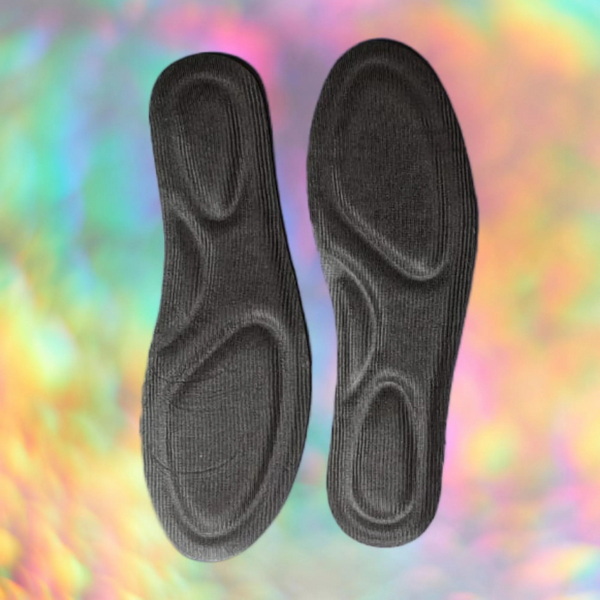
Memory foam insoles are shoe inserts made from viscoelastic polyurethane, a material renowned for its ability to conform to the shape of the wearer's foot. Originally developed for medical and aerospace uses, memory foam gained popularity in everyday footwear due to its superior pressure distribution and personalized cushioning. Unlike ordinary foam or gel insoles, memory foam responds to weight and heat, offering a customized fit that reduces fatigue, eases pain, and boosts walking comfort.
Key Features:
- Responsive support that “remembers” foot shape
- Excellent shock absorption for walking, running, and standing
- Adaptable fit for different shoe styles
Memory foam insoles are found in casual shoes, athletic sneakers, work boots, and even luxury footwear, providing value and comfort to millions worldwide.
Understanding the advantages of memory foam insoles will help users appreciate why proper cleaning and maintenance are so important:
- Pressure Relief: Evenly distributes weight, reducing stress on joints and pressure points.
- Moisture Management: Some models incorporate moisture-wicking layers to keep feet dry and fresh.
- Odor Control: Many insoles include antimicrobial features for fighting odors.
- Custom Fit: Foam adapts to individual foot shapes for unmatched comfort.
High-quality memory foam insoles enhance shoe durability and improve foot health, making them an ideal choice for global brands and value-focused wholesalers.
The main concern with washing memory foam insoles is preserving their structure, flexibility, and performance. Users often worry whether water or detergents will cause the foam to break down, lose shape, or develop lingering odors. Since memory foam is an absorbing material, improper washing may result in foam saturation, slow drying, and risk of mildew.
Typical Questions:
- Will washing affect foam cushioning?
- Can machine washing damage the insoles?
- How do you dry memory foam after cleaning?
- What cleaning agents are safe to use?
Addressing these worries requires specific cleaning techniques tailored to memory foam's unique properties.
The simple answer is: Yes, memory foam insoles can be washed, but careful cleaning is essential to avoid damaging the material. Unlike some synthetic or gel insoles, memory foam requires gentler handling to ensure its shape, structure, and antibacterial features are maintained. Most manufacturers recommend spot cleaning or gentle hand washing, rather than machine washing.
Preferred Washing Methods:
- Hand Washing: The optimal method for cleaning memory foam insoles, using mild soap and lukewarm water.
- Spot Cleaning: For minor stains, use a damp cloth with diluted soap.
- Drying Naturally: Air dry thoroughly, away from direct sunlight or heat sources to prevent shrinking or warping.
Avoid harsh chemicals, vigorous scrubbing, or submerging the insoles for extended periods.
Follow these detailed steps to effectively clean your memory foam insoles:
1. Remove the Insoles:
Take the insoles out of your shoes before cleaning. This prevents water from entering the shoe interior and allows for better handling.
2. Shake Off Loose Dirt:
Gently brush or shake off any debris, dust, or dried mud from the surface.
3. Prepare a Cleaning Solution:
Fill a basin with lukewarm water and add a small amount of mild detergent or gentle soap.
4. Clean Gently:
Dip a soft cloth or sponge into the solution. Wring it out so it's damp and not soaking wet. Wipe the insoles carefully, focusing on any stained or soiled areas.
5. Rinse Lightly:
Use a separate damp cloth with clean water to remove any remaining soap from the insoles.
6. Remove Excess Water:
Press a dry towel against the insoles to absorb surface moisture, making sure not to twist or wring the foam.
7. Air Dry Completely:
Place insoles in a well-ventilated area, away from direct sunlight or heaters. Allow to dry thoroughly before reinserting into shoes.
- Do not machine wash or tumble dry: The aggressive motion can deform the foam and shorten its lifespan.
- Avoid soaking: Immersing insoles for long periods can lead to waterlogged foam and long drying times.
- Use gentle soaps: Harsh chemicals and bleach can break down foam structure.
- Drying time: Depending on thickness, expect memory foam insoles to take 12-24 hours to fully air dry.
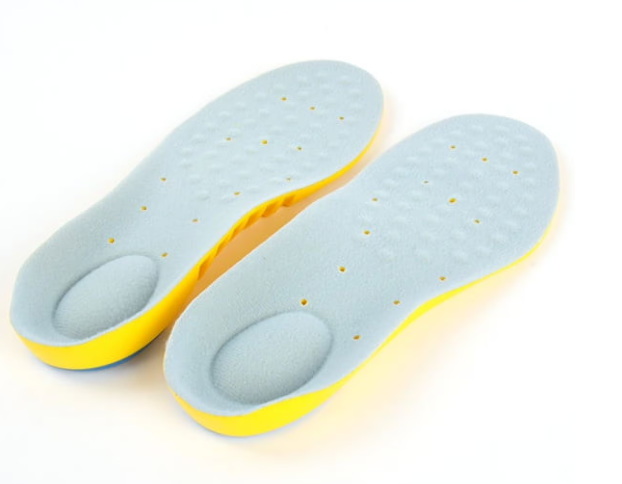
Regular cleaning is only part of maintaining memory foam insoles. Here are additional tips for keeping your insoles fresh and long-lasting:
- Use Antimicrobial Sprays: Special shoe sprays can help neutralize odor and prevent microbial buildup.
- Rotate Insoles: Alternate between pairs so each set has time to dry completely after use.
- Store Properly: When not in use, store insoles in a dry environment.
- Replace When Needed: Even the best memory foam insoles lose responsiveness after extended wear—replace every 6-12 months for optimal support.
Brand owners and OEM suppliers may offer washing instructions directly on product packaging, so always check labels before cleaning.
Do's:
- Wash with lukewarm water and mild soap
- Spot clean whenever possible
- Allow insoles to air dry naturally
- Remove from shoes before washing
Don'ts:
- Do not use bleach, strong chemicals, or abrasive brushes
- Avoid washing machines and dryers
- Do not expose to direct sunlight or heat sources
- Never wring or twist memory foam
Following these guidelines guarantees ongoing comfort and hygiene from memory foam insoles, supporting premium quality standards for footwear manufacturers and exporters.
As one of China's leading memory foam insole manufacturers, providing OEM and ODM services to international brands and distributors, new materials and customization methods have been integrated to suit diverse customer needs:
- Thickness and Density Customization: Tailor insoles to various markets, activities, and shoe types.
- Antibacterial Additives: Embedded agents resist odors and enhance washability.
- Branded Packaging: Private label solutions for retail and online sellers.
- Special Surface Fabrics: Mesh, terry cloth, and moisture-wicking options for enhanced durability and quick drying.
These features boost product differentiation in international wholesale and retail markets.
Proper washing and maintenance practices ensure product reliability and customer satisfaction across various environments:
- Sports and Athletic Use: Frequent cleaning is needed for insoles used in sports. Hand washing and air drying are most effective.
- Work Shoes: Insoles in boots and work shoes should be cleaned periodically, focusing on odor control and stain removal.
- Children's Footwear: Use gentle detergents and ensure insoles are completely dry before use to avoid skin irritation.
- Outdoor and Seasonal Shoes: Memory foam insoles exposed to moisture or dirt should be spot cleaned promptly to avoid deep staining and degradation.
Eco-friendly washing routines reduce environmental impact and extend insole life, aligning with global consumer demands and brand values:
- Choose Biodegradable Detergents: Reduce ecological harm by using plant-based cleaning agents.
- Minimize Water Usage: Spot cleaning conserves water and maintains foam integrity.
- Promote Longevity: Prolonging the life of insoles prevents excess waste and supports sustainable footwear manufacturing practices.
Leading OEM suppliers continuously improve material technologies to enhance washability while minimizing environmental footprint.
Occasionally, cleaning memory foam insoles may pose challenges. Here's how to address common issues:
- Persistent Odor: Try soaking in a mixture of water and baking soda for 10-15 minutes, then rinse thoroughly.
- Stubborn Stains: Use diluted vinegar as a natural cleaner in small areas, followed by gentle soap rinsing.
- Slow Drying: Increase airflow by placing insoles near a fan but avoid direct heat.
- Foam Damage: If foam softens or crumbles after washing, replace with a new pair from a reputable manufacturer.
Memory foam insoles provide remarkable comfort and health benefits, and with proper washing techniques, their functionality and lifespan can be preserved. Hand washing with mild soap, air drying, and avoiding harsh chemicals are key to maintaining hygiene and support. For international brands, wholesalers, and manufacturers, offering clear care instructions gives consumers confidence and encourages repeat business. Whether for sports, work, or daily wear, well-maintained memory foam insoles deliver value both to users and suppliers worldwide.
Wash every 2-4 weeks depending on use. Activewear or sports use may require weekly spot cleaning.
No. Machine washing may damage the foam, cause loss of shape, and reduce lifespan. Hand washing is recommended.
Generally yes, but always use mild, water-based sprays and avoid soaking the foam. Test on a small area first.
Try odor-removal techniques like baking soda bouquets, ventilation, or replacing old insoles with new ones.
Press gently with a dry towel to remove excess moisture and dry in a well-ventilated space. Do not use a dryer or put insoles in direct sunlight.


