
Language
Views: 222 Author: Edvo Publish Time: 2026-02-25 Origin: Site


Content Menu
● Overview of Japan's Performance Insoles Market
● Growth Drivers and Industry Trends
● The Importance of OEM Manufacturing in the Insole Industry
● Leading Performance Insoles Manufacturers and Suppliers in Japan
>> ArchFitter by Nippon Fitting Co., Ltd.
>> Bridgestone Sports Co., Ltd.
● The Role of Chinese and Japanese Collaboration
>> Key Benefits of Japan–China OEM Partnerships:
● What to Consider When Choosing a Performance Insole Supplier
● Material and Design Innovations in Modern Insoles
● Market Outlook and Future Opportunities
>> Emerging Opportunities Include:
● Why Japan Continues to Lead Globally
● How to Establish a Successful OEM Partnership
● FAQ
>> 1. What are the advantages of Japanese performance insoles?
>> 2. Do Japanese suppliers offer OEM and ODM services?
>> 3. Which materials provide the best foot support?
>> 4. How do performance insoles improve sports performance?
>> 5. Are eco-friendly insoles popular in Japan?
Japan's footwear and health technology industries have been globally recognized for their precision engineering and relentless pursuit of comfort. Within this innovative ecosystem, performance insoles manufacturers and suppliers in Japan have distinguished themselves as world leaders, catering to professional athletes, orthopedic specialists, and fashion brands alike.
The market for performance insoles continues to grow steadily as consumers demand products that support foot health, enhance comfort, and optimize sports performance. This article explores the leading Japanese manufacturers, emerging material technologies, OEM/ODM collaborations, and how global brands can benefit from Japan's advanced insole production ecosystem.

The Japanese insole market is driven by a mix of high consumer expectations, rigorous quality standards, and technological innovation. Unlike many countries where insoles are viewed as simple shoe accessories, Japanese consumers treat them as essential products that can improve posture, circulation, and overall well-being.
Japanese performance insoles manufacturers and suppliers invest heavily in research and testing, ensuring products balance flexibility, support, and durability. The market includes specialized insoles for:
- Running and performance sports
- Work and industrial safety footwear
- Medical and orthopedic needs
- Everyday comfort and casual fashion shoes
Japan's integration of ergonomics with material science has created an insole sector defined by precision design, comfort, and sustainability. These traits make Japanese producers reliable partners for international OEM orders.
Several factors have contributed to Japan's strong presence in the global insole industry:
- Aging Population Dynamics: Japan's elderly population demands products that improve stability and reduce pressure during walking, driving market growth in orthopedic insoles.
- Sports and Fitness Boom: The surge in running, golf, and hiking among younger consumers increases demand for shock-absorbing and performance-enhancing insoles.
- Sustainability Compliance: Japanese companies emphasize environmentally friendly materials, including bio-based polymer foams and water-soluble adhesives.
- Technological Integration: Smart sensors and 3D-printed foot molds are being used to develop data-driven comfort systems for custom applications.
As these trends converge, performance insoles manufacturers and suppliers across Japan are reimagining how insoles contribute to mobility and health—not just in footwear, but in lifestyle design.
Global footwear brands and distributors increasingly turn to OEM partners to scale production, reduce costs, and access high-end engineering. In Japan, OEM manufacturing in the insole industry focuses on precision, flexibility, and brand adaptability.
Partnering with performance insoles manufacturers and suppliers in Japan or China offers key advantages:
- Comprehensive OEM/ODM Services: Design customization, private-label branding, and packaging solutions.
- Material Expertise: Mastery in EVA, PU, TPU, and hybrid foam integration for specific performance goals.
- Strict Quality Assurance: ISO-certified systems ensure reliable mass-production consistency.
- Innovation Compatibility: Access to R&D facilities and 3D CAD modeling software for prototype refining.
Today's international footwear firms benefit not only from high-quality Japanese craftsmanship but also from efficient OEM networks that connect Japanese R&D with Chinese large-scale production capabilities.
Let's explore several reputable companies that define Japan's leadership in this competitive industry.
Asahi Kasei is a diversified materials company deeply involved in advanced polymer development. Its memory foam and microcellular technologies are widely used in high-end sporting insoles. Through joint innovation projects, Asahi Kasei provides OEM solutions that combine durability with custom energy-return properties, ensuring maximum performance under repeated pressure.
Sorbothane Japan has built a legendary reputation around shock absorption. Its proprietary viscoelastic polymer material absorbs up to 90% of impact energy, making it a go-to choice for athletes and healthcare professionals. Sorbothane collaborates with global sports brands as one of the most reliable performance insoles suppliers offering tailored OEM fabrication options.
Focusing on orthopedic design, ArchFitter's insoles are engineered with anatomical contouring and customizable arch supports. The brand continually integrates medical research into new product lines, making it a trusted partner for clinics and retail orthotic distributors worldwide. Their OEM models include 3D arch mapping solutions and anti-fatigue midsoles.
Nitto Denko is renowned for producing high-density foam and adhesive composites that form the foundation of many performance insole structures. Their eco-friendly innovations, such as water-based adhesives and recycled foam sheets, attract sustainability-driven brands seeking responsible performance insoles manufacturers and suppliers.
Extending from tire innovation to ergonomic footwear technology, Bridgestone applies its rubber expertise to develop impact-diffusion insoles. Its athletic models feature lightweight polymers and 3D cushioning layers derived from tire substrate materials. The company's OEM division actively serves sports brands throughout Asia and Europe.
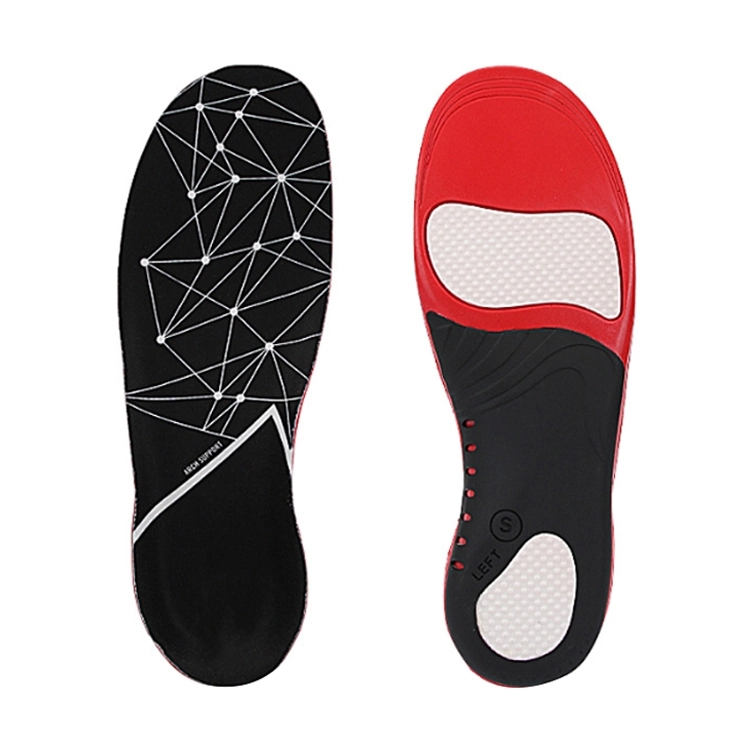
The international footwear supply chain thrives on collaboration between Japanese design precision and Chinese manufacturing capacity. Many renowned Japanese insole companies now work alongside Chinese OEM producers to meet global demand efficiently.
Our company, for example, serves as one of China's leading OEM insole manufacturers, partnering directly with Japanese material innovators. This synergy creates premium, affordable products that meet the expectations of international clients in Europe, North America, and Oceania.
- Japanese material innovation + Chinese cost competitiveness
- Seamless supply chain management from prototype to export
- Cross-border R&D exchanges enabling technology sharing
- Large-scale productivity without sacrificing craftsmanship
This partnership model allows foreign brands to receive Japanese-quality performance insoles at globally competitive pricing—an attractive proposition in today's increasingly demanding footwear market.
Selecting the right performance insoles manufacturer and supplier directly influences your brand's reputation, product quality, and customer satisfaction. Consider the following evaluation factors:
1. Material Performance: Investigate the foam density, elasticity, and shock absorption index.
2. Certifications and Compliance: Look for ISO 9001, BSCI, or SGS accreditation.
3. Sample Testing: Always inspect pre-production prototypes for fit and resilience.
4. Sustainability Standards: Preference toward suppliers using recycled or non-toxic materials.
5. Global Experience: Select factories with proven export capability and communication transparency.
Ensuring that your OEM partner understands brand positioning and product functionality will give you a strong foundation for long-term collaboration.
Japanese engineering continues to redefine the capabilities of insoles through research partnerships between material suppliers and sports medicine institutions. Several key innovations stand out:
- Hybrid Cushioning Layers: Multi-material constructions that combine EVA comfort with PU shock resistance.
- Graphene and Carbon Fiber Sheets: Lightweight frames that stabilize foot movement during dynamic sports.
- Biometric Sensors: Embedded chips measure foot pressure, stride balance, and posture data.
- Eco Foam Formulations: Performance insoles now include algae-based foam or recycled marine plastics.
- 3D-Printed Insoles: Tailor-fit solutions achieved through digital scanning and automated printing.
Each breakthrough not only enhances comfort but also reduces production waste, aligning with global sustainability goals.
The global insole market is projected to exceed USD 6 billion by 2030, with Japan maintaining a major share thanks to its technological leadership. Future opportunities will center around personalized comfort and connected wearable systems.
- Orthopedic-Enabled Fitness Insoles: Tracking gait and providing data feedback to mobile apps.
- Green Manufacturing Alliances: Joint initiatives between Japanese and foreign factories to create carbon-neutral insoles.
- Luxury and Fashion Collaborations: High-end design houses integrating Japanese biomechanics into designer footwear.
- Medical Health Applications: Insoles with temperature regulation for diabetic and elderly users.
Global buyers seeking performance insoles suppliers should look toward Japan for future-proof designs that merge art, science, and sustainability.
Japan's competitive edge stems from its integrated approach to innovation and its cultural dedication to quality. The country's manufacturers emphasize long-term performance testing, product traceability, and customer-specific customization—values that appeal to international retailers and OEM buyers.
The combination of:
- Precision manufacturing
- Rigorous quality control
- Open OEM partnership models
- Continuous technological evolution
ensures Japan's continued position as one of the premier hubs for performance insoles manufacturers and suppliers worldwide.
Building a productive OEM partnership requires clear communication and shared development goals. The steps below outline a common process for global brands sourcing from Asia:
1. Initial Inquiry and Requirements Briefing: Share target specifications, end-user profiles, preferred materials, and quantity.
2. Sample Development Phase: Manufacturers create prototype models for evaluation.
3. Performance Testing: Brands assess durability, weight, and arch feedback.
4. Contract and Production Scheduling: Set terms, MOQ, pricing, and delivery deadlines.
5. Quality Auditing: Conduct third-party inspections and random factory checks.
6. Long-Term Support: Maintain continuous improvement through seasonal updates and feedback loops.
This model ensures continuous alignment between the brand's vision and the manufacturer's technical expertise, resulting in consistent product success.
Japan stands at the intersection of tradition and technology, continuing to dominate the global insole landscape. The country's performance insoles manufacturers and suppliers combine advanced material science, ergonomic design, and meticulous craftsmanship to produce premium-quality solutions for athletes, healthcare providers, and everyday users alike.
For international buyers, partnering with Japanese manufacturers—or working through OEM partners in China with Japanese collaboration—promises optimized quality, design integrity, and cost-effective scalability. In a market increasingly defined by comfort, sustainability, and personalization, Japan's role as a trusted innovator remains stronger than ever.
Contact us to get more information!
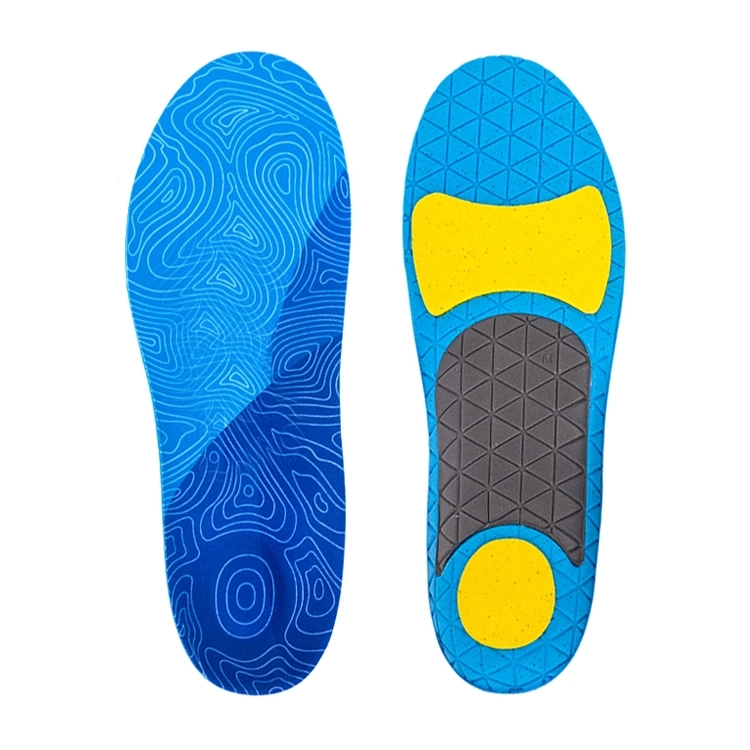
Japanese performance insoles offer advanced biomechanics, consistent cushioning, and breathable materials that adapt to various foot shapes. Their ergonomic precision reduces fatigue and enhances athletic performance over time.
Yes. Most performance insoles manufacturers and suppliers in Japan and their OEM partners in China provide end-to-end services, including product design, branding, packaging, and logistics support.
The best materials for high-performance insoles include EVA for lightweight comfort, PU for durability, gel for cushioning, and carbon-composite for structural stability.
By aligning the foot and distributing pressure evenly, performance insoles enhance balance, reduce impact stress, and improve energy transfer—resulting in better athletic output and reduced injury risk.
Yes. Many Japanese manufacturers now use recycled rubber, plant-based foams, and non-toxic adhesives to meet eco-label requirements while maintaining comfort and longevity.


