
Language
Views: 222 Author: Edvo Publish Time: 2025-11-14 Origin: Site


Content Menu
● FSA-Eligible Expenses: The Essentials
● Are Orthotic Insoles FSA Eligible?
● How to Use Your FSA for Orthotic Insoles
● Types of Orthotic Insoles Eligible for FSA
● Advantages of Using FSAs for Orthotic Insoles
● Documentation and Recordkeeping
● Choosing the Right Orthotic Insole Supplier
● The Role of OEM Manufacturers
● Maximizing FSA Benefits with Orthotic Insoles
● Orthotic Insoles for Families and Children
● Summary Table: Key Points on FSA and Orthotic Insoles
● FAQ
>> 1. What documentation is needed for FSA orthotic insole purchases?
>> 2. Do I need a prescription for store-bought orthotic insoles?
>> 3. Are all types of insoles covered by FSA?
>> 4. Can I use FSA funds for my children's orthotic insoles?
>> 5. What happens if my FSA claim for insoles is denied?
Orthotic insoles have become a vital accessory for individuals who seek relief from foot pain, enhanced posture, and greater overall comfort. While some see insoles as mere cushioning, others—especially those with chronic pain or orthopedic conditions—regard them as a critical element of daily living. For these individuals, the cost and accessibility of quality orthotic insoles take on paramount importance. In the United States, a Flexible Spending Account (FSA) can serve as a financial tool to offset certain medical expenses. This detailed guide explores whether orthotic insoles qualify for FSA reimbursement, covering definitions, purchase criteria, and tips for maximizing your benefits.
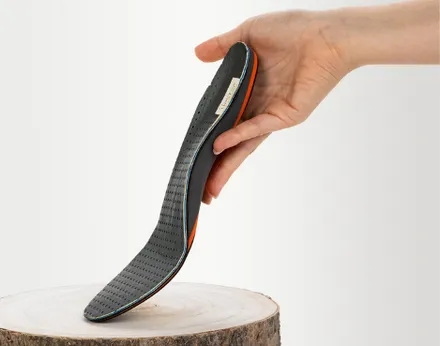
A Flexible Spending Account (FSA) is an employer-sponsored benefit plan that allows employees to set aside pre-tax dollars for qualifying medical expenses. The key advantage of an FSA lies in its tax savings—since contributions come out of your salary before taxes are calculated, your taxable income is reduced. The funds in an FSA can be used to cover a broad range of healthcare-related products and services, as outlined by IRS regulations. Common eligible expenses include doctor visits, prescription medications, medical supplies, and in some cases, certain over-the-counter products that are medically necessary.
Employees typically elect an annual contribution at the start of each plan year, with the funds available for use from the outset. Some plans allow a carryover of a certain amount to the next year, while others may implement a “use it or lose it” policy.
The IRS defines qualifying medical expenses as costs incurred to diagnose, treat, or alleviate a physical or mental condition. For a product like orthotic insoles to be deemed eligible, it must primarily serve a medical purpose rather than offer general comfort. This distinction is crucial, especially when selecting an insole intended to address specific foot health concerns like plantar fasciitis, flat feet, heel spurs, or diabetic neuropathy.
In general, medical products that simply make daily life more comfortable may not be eligible unless a healthcare provider affirms their medical necessity. Some items require a written prescription, even if they are available over the counter. For orthotic insoles, this means added documentation may be necessary to secure FSA reimbursement.
The answer is usually yes—orthotic insoles are considered eligible expenses under most FSA plans. Insoles designed to treat or manage a diagnosed medical condition, especially when prescribed by a healthcare provider, typically qualify for FSA reimbursement. However, there are nuances to be aware of:
- Prescription Requirements: Most FSAs require a prescription for over-the-counter insoles to qualify, unless they are custom orthotics, which are almost always eligible when ordered by a doctor.
- Custom vs. Mass-Market Insoles: Custom orthotic insoles—molded specifically for your feet and your condition—are clearly eligible. Store-bought insoles are eligible only when prescribed for a specific medical need.
- Supporting Documentation: Always retain a prescription and itemized receipt to facilitate fast and successful claims processing.
These requirements exist to distinguish genuine medical needs from products that provide generic comfort.
Consult your healthcare provider to determine whether orthotic insoles are medically necessary for you. If so, request a written prescription outlining the diagnosis and the need for insoles. Next, purchase insoles from a reputable supplier, ideally one experienced with supporting FSA claims. When using your FSA debit card or filing a manual reimbursement claim, attach copies of the prescription and a detailed receipt.
Tips for a smooth process:
- Ensure the prescription is specific and states the medical necessity.
- Verify that your FSA plan lists orthotic insoles as eligible.
- Use an experienced supplier who can provide detailed receipts.
- Submit claims promptly, before the year-end deadline.
Not all insoles are the same—FSA-eligible models include a range of options tailored for medical needs:
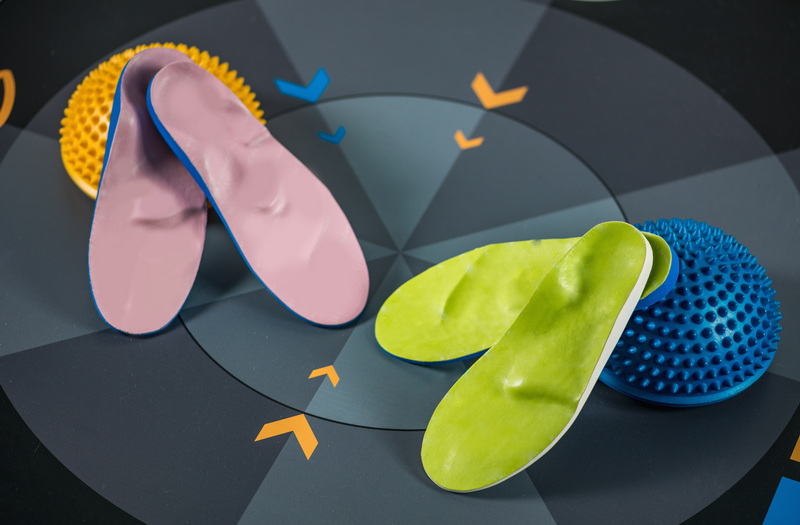
- Custom Orthotics: Individually molded based on scans or impressions of your feet, these insoles target specific structural or biomechanical issues.
- Plantar Fasciitis Insoles: Designed to support the arch and cushion the heel, these help relieve chronic heel pain.
- Diabetic Insoles: Specially crafted to minimize pressure points and reduce the risk of wounds or sores for diabetic patients.
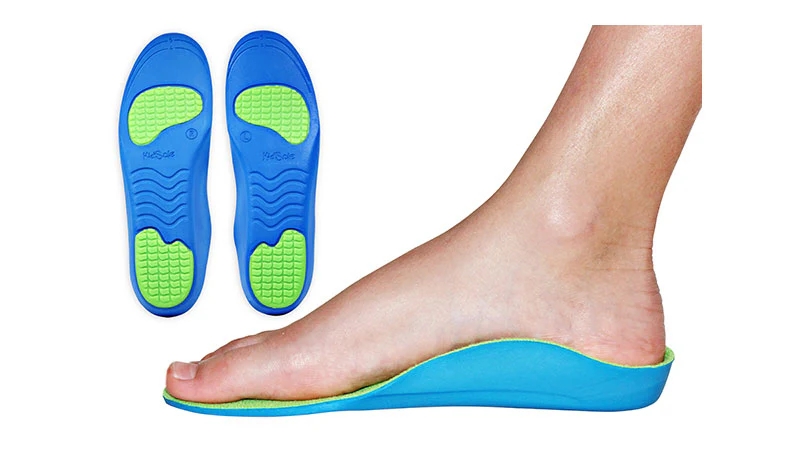
- Flat-Foot Insoles: Provide structural support to those with low or fallen arches, improving gait and reducing strain.
- Heel Spur Pads: Cushion the heel bone to alleviate inflammation and pain arising from heel spurs.
Each type targets a different medical condition, increasing the likelihood of FSA approval when accompanied by the relevant prescription.
Paying for orthotic insoles through your FSA confers several notable benefits:
- Tax Savings: Since contributions to your FSA are made before tax, you stretch your money further.
- Predictable Budgeting: With funds set aside at the year's start, you can plan for medical or orthotic expenses without disruption.
- Access to Higher-Quality Products: Knowing that FSAs cover medically necessary insoles encourages investment in custom or specialized solutions, rather than settling for substandard alternatives.
FSAs make it easier for individuals to prioritize foot health without sacrificing financial security.
A successful FSA claim for orthotic insoles hinges on thorough documentation. Your prescription should specify that the insoles are required to treat a diagnosed medical condition, and the purchase receipt must clearly state the nature of the product. Some plans may require a letter of medical necessity, particularly for custom orthotics.
Keep all paperwork—including prescriptions, receipts, and any correspondence with your healthcare provider or FSA administrator—organized and ready to submit. Electronic copies or scans can simplify submission and archiving.
While IRS guidelines shape most FSAs, individual plans may vary in their precise regulations and documentation standards. Always check the details of your own plan—and if uncertain, consult your FSA administrator or human resources department. If you encounter a denied claim, review the reasons stated, acquire any additional paperwork that might be required, and resubmit per their instructions.
Employers may provide helpful documentation checklists or online claim submission portals to facilitate the process.
For individuals and professionals—such as physicians, physical therapists, or those coordinating procurement for a business—selecting a reliable supplier is essential. Look for suppliers specializing in orthopedic or medical-grade insoles, and insist on products that conform to relevant national and international standards.
If buying in bulk for resale or employee programs, seek out a manufacturer with OEM capabilities. Such suppliers can deliver customized insoles, provide compliance certificates, and assist with thorough product documentation—useful for both business and FSA claim purposes.
Original Equipment Manufacturers (OEMs), especially those based in China, play a crucial role in the orthotic insole supply chain. As a leading Chinese manufacturer, your company can help clients navigate FSA and healthcare requirements by:
- Providing clear documentation and product specifications.
- Supporting custom orders for bulk buyers, clinics, and brand owners.
- Adhering to strict quality control and international standards.
Offering personalized guidance on insurance and FSA eligibility can set you apart from competitors, strengthening long-term partnerships.
To gain the most from your FSA:
- Plan ahead: Estimate possible medical needs at the start of the year and allocate enough for orthotics and related expenses.
- Act early: Buy custom or medical-grade insoles soon after your plan starts; don't wait for the year-end rush.
- Review deadlines: Submit claims well ahead of cut-off dates to avoid forfeiting unused funds.
- Communicate: Keep in close touch with both healthcare providers and suppliers to ensure that all necessary paperwork is completed accurately.
Being proactive increases the chance of successful FSA reimbursement and helps avoid unnecessary financial stress.
FSAs permit the purchase of medical devices like orthotic insoles for dependents, including children. Common pediatric conditions, including flat feet, in-toeing, or musculoskeletal complaints, may require insoles. As with adult claims, always obtain a pediatrician's recommendation and an explicit prescription to support FSA eligibility.
It's important for parents, especially those with active children or athletes, to recognize that investing in proper foot support can have lasting benefits, potentially preventing the development of chronic conditions later in life.
| Consideration | Details |
|---|---|
| FSA-eligible? | Yes, with medical necessity and prescription |
| Documentation needed | Doctor’s prescription, itemized receipt, (sometimes) letter of medical necessity |
| Types covered | Custom orthotics, medical-grade OTC insoles (with prescription) |
| Dependent coverage | Eligible, with appropriate documentation |
| Supplier recommendation | Choose experienced medical-grade or OEM suppliers |
| Tax savings? | Yes, from pre-tax contributions |
| Plan variation? | Yes, check specifics with your administrator |
Orthotic insoles are generally eligible for FSA reimbursement if they are prescribed for a specific medical condition and you maintain appropriate documentation. Leveraging FSAs to cover the cost of medically necessary orthotic insoles not only saves you money but also encourages investment in your foot health and overall well-being. By planning wisely, keeping thorough records, and working with reputable suppliers, you ensure a smoother, more cost-effective purchasing experience.
A written prescription from your healthcare provider, along with an itemized receipt from your supplier, is typically required. Some FSA plans might also request a letter of medical necessity.
Most FSAs require a prescription even for over-the-counter or non-custom insoles if the purchase is intended to address a specific medical need.
Not all insoles are covered; only those considered medically necessary are eligible. This usually excludes basic comfort insoles or mass-market cushioning products unless prescribed for a medical reason.
Yes, FSAs allow you to use funds for orthotic insoles purchased for dependents, as long as you provide necessary supporting documentation and meet medical necessity conditions.
Review the denial reason, ensure all documentation and prescriptions are complete, and resubmit your claim. If questions remain, consult your healthcare provider or FSA administrator for additional help.


