
Language
Views: 222 Author: Edvo Publish Time: 2026-01-01 Origin: Site


Content Menu
● Understanding Birkenstock Insoles
>> Core Components of Birkenstock Insoles
● Compatibility with Other Types of Shoes
>> Different Footwear Categories and Suitability
● Proper Fitting and Adjustment Tips
● Why People Choose Birkenstock Insoles for Other Shoes
>> 1. Enhanced Comfort and Fatigue Reduction
>> 2. Better Postural Alignment
>> 4. Improved Breathability and Hygiene
● Limitations and Challenges You Should Know
● Professional Insights from OEM Manufacturers
>> Advantages of OEM Alternatives
● Installing Birkenstock Insoles Correctly
● When Not to Use Birkenstock Insoles
● Choosing Between Original and OEM Versions
● How to Recognize a Good Insole Fit
● The Health Benefits of Consistent Insole Support
● Sustainable Materials in Modern Insole Production
● FAQ
>> 1. Can Birkenstock insoles be used in athletic sneakers?
>> 2. How can I tell if the arch height suits my feet?
>> 3. What's the difference between original and OEM Birkenstock-style insoles?
>> 4. Do cork-latex insoles require a break-in period?
>> 5. Can these insoles be washed?
Birkenstock has become synonymous with comfort, craftsmanship, and long-term foot health. Over the years, millions of customers worldwide have relied on the brand not only for its sandals but also for its highly supportive contoured insoles. Those familiar cork-latex footbeds are designed to mimic the natural shape of the foot, offering excellent alignment, pressure distribution, and arch stability.
But what happens when you love that unique comfort and want to experience it in other types of shoes — sneakers, boots, or even dress shoes? This leads to a popular question many footwear enthusiasts ask: Can you put Birkenstock insoles in other shoes?
The short answer is yes, you can, but success depends on a few critical factors such as shoe design, fit, and structural compatibility. In this article, we will discuss how Birkenstock shoe insoles can be adapted for different footwear types, why they work so well, and what you should consider before making the switch. We'll also share some expert advice from professional OEM insole manufacturers on how brands and distributors can customize similar designs for their own product lines.
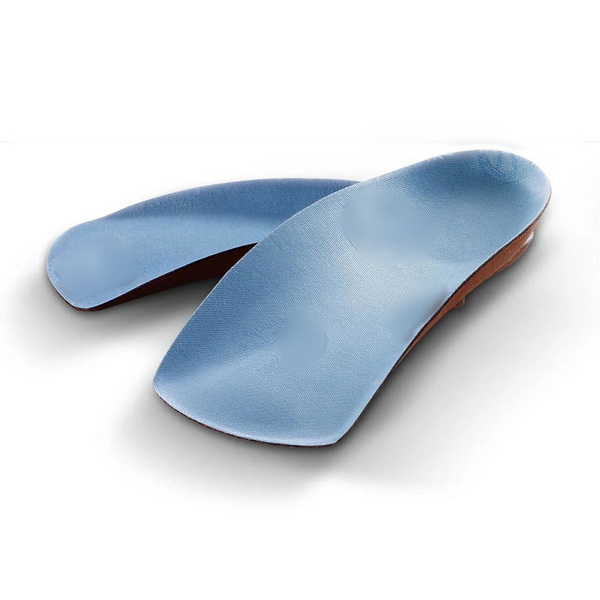
To understand compatibility, it's helpful to first know what makes Birkenstock insoles unique. They are based on ergonomic design principles backed by decades of orthopedic research and evolving craftsmanship.
Each insole is crafted to mirror the foot's natural shape, providing a firm yet cushioned bed that encourages proper walking posture. The footbed is not flat; instead, it guides the foot into an anatomically aligned position that supports the arches and distributes weight evenly.
- Cork-latex base: This hybrid material provides both structure and elasticity. The cork molds slightly to your foot over time, “remembering” its shape and improving comfort the more you wear it.
- Deep heel cup: A defining feature that holds the heel bone in its natural position, promoting stability and reducing shock.
- Raised toe ridge: Helps the toes grip and maintain natural balance while walking.
- Arch contouring: Supports both longitudinal and transverse arches, essential for correcting overpronation or fallen arches.
- Soft lining (suede or leather): Ensures breathability and moisture management.
Altogether, these components work synergistically to create a stable and supportive platform for the foot, contributing to Birkenstock's signature comfort.
One of the biggest attractions of Birkenstock insoles is their versatility. However, transferring them into other types of shoes isn't always straightforward. The level of compatibility depends on shoe design, interior shape, and space allowance.
| Shoe Type | Compatibility | Expert Comment |
|---|---|---|
| Sneakers / Trainers | High | Excellent for daily comfort and improved arch support. Works best when existing insoles are removable. |
| Work Boots / Hiking Boots | High | Cork insoles absorb shock and enhance endurance for long hours of standing or walking. |
| Casual Flats | Medium | Works well with thinner insoles. Tight-fitting flats may require slim designs. |
| Dress Shoes / Loafers | Medium | Adds comfort but may reduce interior space. Opt for tailored OEM versions. |
| Heeled Shoes | Low | Foot angle and structure not suitable for rigid arch beds. |
| Sandals | Low | Redundant if shoes already have built-in curvature. |
The takeaway: Birkenstock insoles perform best in shoes with adjustable or removable footbeds. For narrow or low-profile styles, using thinner and flexible versions of cork insoles ensures a better fit.
When moving your Birkenstock insoles into other shoes, just placing them inside isn't enough. A proper adjustment process ensures that your foot remains stable and evenly supported.
1. Remove existing insoles if they're detachable; this creates room for the cork bed.
2. Trim the toe edge only if necessary, cutting small portions slowly to preserve contouring.
3. Check heel placement — the cup should sit exactly at the shoe's heel base.
4. Test walk indoors for at least an hour to detect pressure spots or misalignment.
5. Avoid double stacking insoles; it alters balance and increases friction.
Taking time to align the insole correctly can make a noticeable difference in both comfort and durability.
There's a reason so many people want to experience the Birkenstock feel beyond their classic sandals. The insoles offer tangible health and ergonomic benefits that few general-purpose inserts can match.
The structured cork-latex base provides dynamic balance between softness and firmness. When walking or standing for long periods, the insole cushions pressure points and maintains muscle support. Users often report reduced heel pain and general foot fatigue after switching to this style of insole.
Good posture starts from the ground up. The contoured design corrects misalignment by supporting key pressure zones in the foot arch. When posture improves, the knees, hips, and lower back naturally align into a more comfortable, neutral position.
Unlike generic foam insoles that flatten within months, the cork-latex composition of Birkenstock insoles is resilient. With basic maintenance, one pair can last anywhere from eight months to over a year of daily use — a cost-effective solution for consumers.
Natural materials like cork and suede offer superior air circulation compared to synthetic foams. They absorb excess moisture and prevent unpleasant odors, making them ideal for long-day wear or humid climates.
Every product has limits, and Birkenstock insoles are no exception. Understanding those limitations helps prevent misuse or premature damage.
Cork-latex bases are generally thicker than most insoles. This design ensures consistent support but can restrict space in smaller shoes. If your shoe feels tight at the top or presses against the toes, you may need to look for slimmer options.
Though only slightly heavier than foam insoles, cork versions can make lightweight shoes feel more substantial. This isn't an issue for boots or casual wear but may not suit athletic performance shoes designed for speed.
Birkenstock insoles mold to your feet gradually. During the initial days, you may feel uneven firmness or mild stiffness until the material conforms to your natural foot curve. This is part of the break-in process.
Due to their contoured structure, Birkenstock-style insoles are less flexible than flat inserts. In footwear requiring toe flexibility, like running shoes or minimal trainers, users might prefer half-length or hybrid material alternatives.
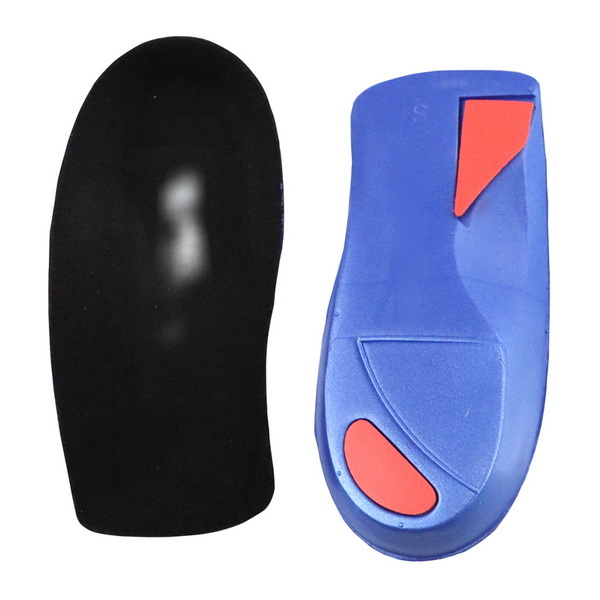
As OEM experts in insole design and production, we often receive requests from global clients wanting to replicate the comfort signature of Birkenstock. From a manufacturing standpoint, we find that achieving comfort and structural balance requires a precise combination of ergonomic design, material layering, and arch engineering.
- Anatomical shaping: 3D modeling software simulates pressure zones to ensure optimal arch contour and heel stability.
- Layered structure: Different densities of EVA or cork are combined for elasticity and support.
- Breathable upper fabrics: Antimicrobial and sweat-wicking linings enhance all-day freshness.
Through OEM solutions, footwear brands can reproduce similar benefits while tailoring the design to target demographics — for example, thinner versions for Asian markets or wider-foot contours for European customers.
- Cost efficiency for wholesale customers while maintaining high quality.
- Brand customization including packaging and logo imprint.
- Flexible minimum order quantities suitable for startups or established distributors.
- Fast prototyping to test different comfort levels and materials.
For wholesalers and brand owners, OEM cooperation offers both commercial and ergonomic advantages. This allows your customers to enjoy Birkenstock-like comfort within your own branded footwear line.
A successful replacement process ensures comfort and safety. Here's a simplified step-by-step guide for installation:
1. Inspect your shoe interior. Look for even surfaces and make sure no glue residue interferes with fitting.
2. Align heel and toe zones. Position the heel cup firmly against the back of the shoe.
3. Adjust for fit. If necessary, make small trim cuts near the toe without affecting arch areas.
4. Check for stability. The insole should not slide forward or buckle.
5. Test for comfort. Wear them indoors at first to avoid blister formation before long-term use.
To prolong the life of your Birkenstock or OEM insole, follow these maintenance guidelines:
- Air dry regularly. Remove insoles from shoes after long wear to let them breathe.
- Avoid water exposure. Cork can weaken when soaked — wipe gently with a damp cloth instead.
- Use a cork sealer occasionally. Restores firmness and protects the surface from cracking.
- Replace when flattened. When you notice fading contour or reduced cushioning, it's time for new ones.
- Store properly. Keep in a cool, ventilated area away from heat sources.
Caring for your insoles not only protects the investment but also ensures consistent comfort and hygiene.
While the benefits are impressive, certain shoe styles or foot conditions might not be compatible with rigid cork-based insoles.
- Do not use them in narrow or high-heeled shoes, where toe alignment and heel slope conflict with the contour.
- Avoid placing them over fixed orthotic inserts or existing medical insoles unless instructed by a podiatrist.
- Refrain from using them inside barefoot or minimalist footwear, as the added height changes natural ground feedback.
- For children's footwear, use soft, flexible insoles tailored for developing feet instead of firm cork types.
Recognizing these exceptions ensures safe and proper usage.
For consumers, choosing the original Birkenstock insole guarantees proven quality and materials. However, for brands, wholesalers, or private labels, working with an OEM partner can help achieve the same comfort features with greater flexibility in pricing and design.
Modern OEM factories in China now utilize automated molding and pressure-testing equipment capable of producing insoles nearly identical in quality. For example, they can adjust arch height, layer density, or surface finish according to brand needs. Additionally, sustainable materials — such as recycled cork granules or biodegradable EVA — are now widely available for eco-friendly insole production.
Whether using a Birkenstock insert or an OEM variation, it's essential to recognize signs of a perfect fit:
- The heel cup should cradle the heel naturally without gaps.
- Arches should feel gently supported, not forced.
- Toes must have enough space to move without overlapping the ridge area.
- The ball of the foot aligns with the insole's widest part.
- The shoe remains comfortable even after extended wear with no unusual pressure points.
If these criteria are met, you can trust your replacement insole to provide the same comfort and alignment benefits that Birkenstock designs are celebrated for.
Regularly wearing properly contoured insoles doesn't just make feet more comfortable — it improves your overall biomechanics. When both feet maintain equal alignment, the ankles rotate less inward, knees absorb less stress, and the spine maintains proper curvature. Over time, many users experience noticeable relief from common problems such as:
- Heel pain and plantar fasciitis
- Shin splints caused by poor shock absorption
- Knee discomfort related to misalignment
- Lower back strain due to uneven gait
This is why comfort footwear professionals always emphasize consistent insole support across different kinds of shoes. It's not about luxury but health maintenance.
Another reason to consider OEM alternatives is sustainability. Today's eco-conscious consumers prefer biodegradable and renewable products. Cork, Birkenstock's primary material, is a naturally regenerative resource harvested without harming trees. OEM producers have further improved on this concept by incorporating:
- Recycled EVA foam, reducing plastic waste.
- Organic cotton linings or bamboo fibers for moisture control.
- Vegan leather uppers, maintaining style with environmental responsibility.
- Water-based adhesives, eliminating harmful volatile compounds.
Through sustainable sourcing and production, brands can deliver both comfort and environmental awareness to their markets.
To sum it up, yes, you can put Birkenstock insoles in other shoes, provided the shoes have enough space and a removable footbed. The distinct cork-latex construction, deep heel cup, and arch contours can significantly enhance comfort, alignment, and support across a wide range of footwear styles.
However, for tight-fitting or minimalist shoes, consider slimmer or custom-made alternatives developed by professional OEM manufacturers. Whether for personal use or brand development, the key is achieving a balance between sturdiness, flexibility, and design compatibility.
The comfort science pioneered by Birkenstock has influenced global insole development, inspiring OEM factories to create equally supportive, eco-friendly, and customizable solutions. By combining ergonomic innovation with thoughtful manufacturing, both consumers and brands can experience lasting comfort and confidence in every step.
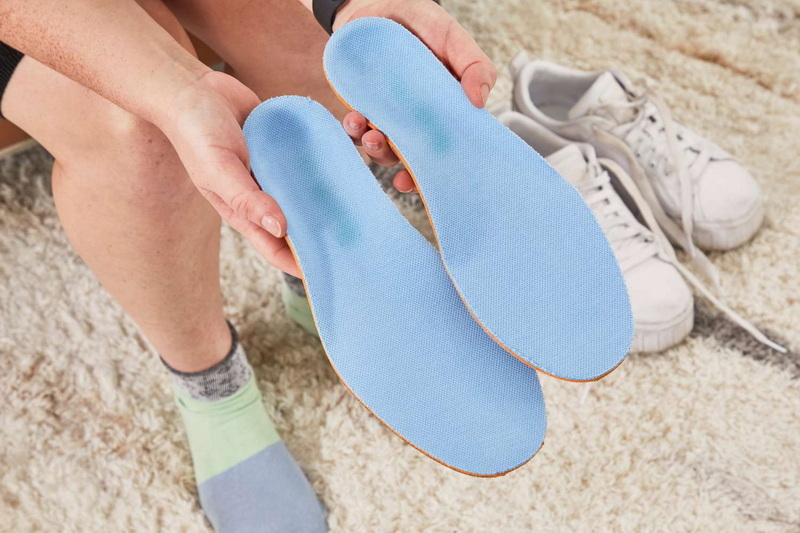
Yes, they work particularly well in sneakers with removable insoles. They add stability and arch support, making long walks more comfortable without affecting flexibility too much.
When you place your foot on the insole outside of the shoe, the arch should support your foot without feeling like it's pushing up too high. The best fit feels natural and balanced.
Original Birkenstock insoles come from the brand itself, while OEM versions replicate similar structure and comfort with customizable materials, thicknesses, and branding options.
Yes, most users need several days of regular wear for the cork to mold perfectly to their foot shape. After that, the comfort level increases significantly.
Avoid machine washing. Instead, wipe gently with a damp cloth and mild soap if necessary. Let them air dry completely before inserting back into shoes.


