
Language
Views: 222 Author: Amanda Publish Time: 2025-09-02 Origin: Site


Content Menu
● Understanding Orthotic Inserts
● Can You Wash Orthotic Inserts?
>> Recommended Method: Hand Washing
● Step-by-Step Cleaning Guide for Orthotic Inserts
>> 1. Remove Orthotics From Shoes
>> 3. Prepare Mild Soap Solution
>> 4. Gently Clean With a Soft Brush or Cloth
● Advanced Maintenance Tips for Orthotic Inserts
>> Regularly Rotate Orthotic Inserts
>> Store Orthotic Inserts Properly
● How Often Should Orthotic Inserts Be Cleaned?
● Common Mistakes to Avoid When Cleaning Orthotic Inserts
● How to Know When to Replace Orthotic Inserts
● Frequently Asked Questions (FAQ)
>> 1. How often should I clean my orthotic inserts?
>> 2. Can I put my orthotic inserts in the washing machine?
>> 3. What should I do if my orthotics get wet?
>> 4. How can I remove bad odors from my orthotic inserts?
>> 5. When should I replace my orthotic inserts?
Orthotic inserts are essential devices designed to provide support, comfort, and corrective alignment for feet. As they are often worn daily, keeping orthotic inserts clean and well-maintained is important for both hygiene and longevity. But a common question arises: Can you wash orthotic inserts? The answer is yes, but with careful considerations to protect their structure and effectiveness.
This comprehensive guide will explore how to safely clean orthotic inserts, the best materials and methods to use, important maintenance routines, and tips to avoid damage. It will also cover how to manage odors, extend the life of your orthotics, and answer common questions about orthotic care.
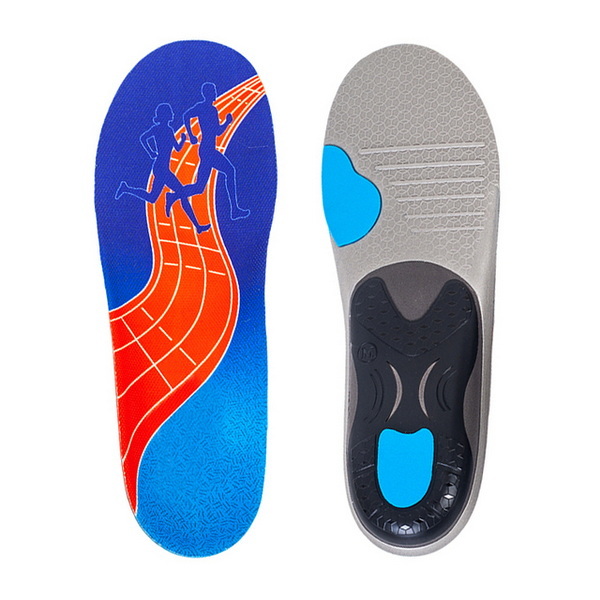
Orthotic inserts are specialized shoe insoles tailored to improve foot function, alleviate pain, and support proper posture. They may be made from various materials including plastics, foam, leather, cork, gel, or composites, each sensitive to different cleaning techniques.
Because orthotic inserts contain adhesives, molded structures, and sometimes delicate top covers, improper washing can lead to warping, breakdown, or reduced support. Therefore, knowing how to correctly clean them is crucial both for comfort and performance.
Yes, orthotic inserts can be washed, but not like regular shoe insoles or laundry. They should never be submerged in water or put in washing machines and dryers, as excessive moisture and heat can damage their shape and adhesive bonds.
The safest way to clean orthotic inserts is by hand washing with mild soap and warm water:
- Prepare a small bowl of warm water mixed with gentle soap or mild detergent.
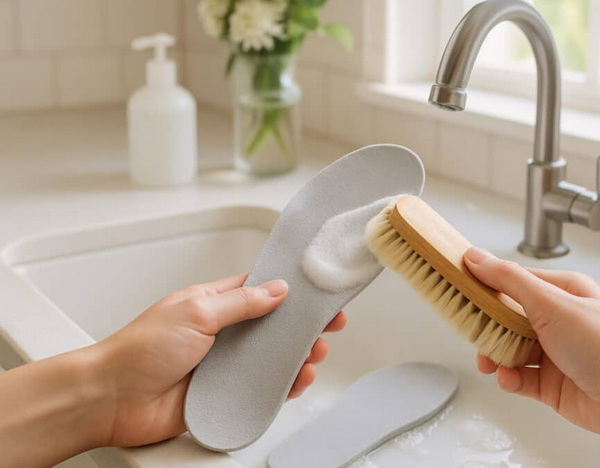
- Use a soft cloth, sponge, or soft-bristle brush (such as an old toothbrush) dipped lightly in the soapy water.
- Gently wipe the surface of the inserts to remove dirt, sweat, and debris.
- Avoid soaking or saturating the orthotics to prevent weakening their structure.
After cleaning, pat-dry with a towel and then air dry completely in a shaded, well-ventilated area. Never expose orthotics to direct heat sources like radiators or sunlight, which can warp the material.
Start by taking the orthotic inserts out of the shoes to allow access and prevent moisture buildup inside the footwear. This also prevents any residual moisture from damaging the shoe interiors.
Use a dry soft brush or cloth to remove loose dirt and dust from the surface. This step helps avoid spreading dirt during the washing process.
Fill a bowl with warm water and add a few drops of gentle dish soap or mild laundry detergent. Mix without creating too much foam.
Dip a soft brush or cloth into the soapy water, squeezing out excess liquid to avoid drenching. Carefully scrub the orthotics' surface, especially in areas prone to dirt buildup such as the heel and toe spots.
Use a damp cloth with clean water to wipe away soap residue; avoid rinsing orthotics directly under running water as this may over-saturate them.
Pat the orthotic inserts dry with a clean towel, then leave them to air dry completely on a flat surface away from direct sunlight or heat. Proper drying prevents moisture retention that could promote bacterial or fungal growth.
Different orthotic materials should be cleaned and maintained differently:
- Foam and EVA (Ethylene Vinyl Acetate): These can absorb water easily and should be wiped carefully to avoid saturation.
- Leather Covered Inserts: Require gentle wiping with a damp cloth and occasional use of leather conditioners to maintain suppleness.
- Plastic or Rigid Inserts: Can generally tolerate slightly more rigorous cleaning but still avoid soaking.
If possible, have more than one pair of orthotic inserts and rotate them between shoes or days. This rotation allows each pair to air thoroughly, preventing odor buildup and material fatigue.
Clean shoes themselves regularly, as dirty or damp shoes shorten the life of orthotic inserts by exposing them to excessive grime and moisture.
When not in use, store orthotic inserts in a dry, cool place away from direct sun and heat. Avoid compressing or stacking heavy objects on them, which can deform their shape.
Because orthotic inserts sit inside shoes and absorb sweat, they can develop unpleasant odors and harbor bacteria. Below are safe ways to deodorize them without damage:
- Baking Soda Paste: Mix baking soda with a little water to form a paste, rub it gently on orthotics, then wipe and dry.
- Baking Soda Overnight: Sprinkle baking soda on the surface before bed and brush off in the morning. This absorbs moisture and neutralizes odors.
- White Vinegar or Rubbing Alcohol: Lightly spray these disinfectants then wipe clean; ensure thorough drying to avoid lingering smells.
- Use Essential Oils: A few drops of tea tree, lavender, or eucalyptus oil can be applied as natural deodorizers and antibacterials.
- Activated Charcoal Packs: Place small charcoal packs in shoes overnight to absorb odors naturally.
The cleaning frequency can vary based on usage, but general guidelines include:
- Light cleaning: Every one to two weeks.
- Deep cleaning: Once a month.
- Immediate cleaning: When inserts are visibly dirty or emitting odor.
Daily airing removes moisture and prevents odor buildup even without frequent washing.
- Do not soak orthotic inserts in water or attempt to fully immerse them.
- Avoid using harsh household cleaners or bleach that can break down materials and adhesives.
- Never place orthotics in dishwashers, washing machines, or dryers.
- Do not expose orthotics to direct sunlight or heat sources to dry.
- Avoid bending, twisting, or applying excessive force during cleaning which can deform the device.
Such mistakes can compromise the function of orthotic inserts, denying users effective foot support and potentially causing discomfort.
Even with proper care, orthotic inserts wear out over time. Look for these signs indicating replacement is needed:
- Cracks or visible damage on the surface or underside.
- Loss of cushioning or support, making feet uncomfortable.
- Deformation or warping from regular use.
- Persistent odors that do not improve with cleaning.
- Significant flattening or breakdown of foam or gel layers.
Custom orthotics typically last between 1 to 3 years, depending on wear, activity level, and care.
In summary, you can wash orthotic inserts carefully by hand using mild soap and water, but avoid soaking or machine washing. Proper cleaning and maintenance prevent odor, bacteria build-up, and material damage, extending your orthotics' lifespan. Routine airing, rotation, and deodorizing also contribute to comfort and hygiene.
By adopting these recommended practices, orthotic users can maintain the full benefits of support and comfort without compromising the function or durability of their inserts. Clean, well-maintained orthotics can significantly improve foot health and overall well-being for those relying on these devices.
It's best to clean orthotic inserts weekly or as needed when they appear dirty or emit odor. Daily airing helps reduce moisture and odor buildup.
No, washing machines and dryers can damage the shape and materials of orthotics. Always hand wash gently with mild soap and water.
Pat them dry with a towel to remove moisture, then air dry completely in a ventilated area, avoiding direct heat or sunlight to prevent warping.
Use baking soda, white vinegar, or specialized deodorizing sprays designed for orthotics to eliminate odors safely. Regular cleaning also helps prevent them.
Replace orthotics if you notice cracks, flattening, or loss of support. Typically, custom orthotics last 1-3 years depending on usage and care.
[1](https://www.vionicshoes.com/blog/how-to-clean-orthotics/)
[2](https://cadenceinsoles.com/pages/how-to-clean-your-shoes-and-insoles)
[3](https://evolveprosthetics.com/how-to-care-for-custom-shoe-inserts/)
[4](https://www.podexpert.com/en/blog-comfort-orthopedic-sole-how-to-clean-pxl-153_172_207.html)
[5](https://www.youtube.com/watch?v=RPaGKuMHpq4)
[6](https://care-med.ca/how-do-i-take-care-of-my-custom-shoe-inserts/)
[7](https://www.pongratzop.com/blog/how-to-clean-orthotics/)
[8](https://www.canyonfootankle.com/library/insole-maintenance-recommendations-orthotics-care.cfm)
[9](https://www.upstep.com/a/answers/orthotics/should-you-clean-your-orthotics)
[10](https://www.footandanklesnh.com/tips-and-advice/b/how-to-care-for-your-orthotics-maintenance-tips-for-longevity)
[11](https://www.youtube.com/watch?v=4Yvp28vKiRQ)
[12](https://orthoticshop.com/blog_new/how-to-properly-care-for-your-orthotic-shoes-and-insoles/)
[13](https://www.medi.de/en/faq/foot-orthotics/care/)
[14](https://www.nth.nhs.uk/resources/insoles-wear-and-care-information/)
[15](https://www.bioped.com/blog/can-i-wash-my-orthotics-and-still-maintain-their-effectiveness/)
[16](https://treadlabs.com/blogs/insoles-reach-your-stride/how-to-clean-shoe-insoles-essential-care-guide)
[17](https://www.reddit.com/r/Rollerskating/comments/1g8dt75/can_i_wash_my_insoles_without_destroying_them/)
[18](https://columbiapodiatryllc.com/how-to-keep-shoe-inserts-orthotics-fresh/)


