
Views: 222 Author: Amanda Publish Time: 2025-09-01 Origin: Site


Content Menu
● The Importance of Proper Footwear and Insoles
● Should Orthotics Go Over Insoles?
>> When to Remove the Original Insoles
>> When Orthotics Can Be Worn Over Insoles
● Different Types of Orthotic Insoles and Their Interaction with Shoe Insoles
>> Semi-Rigid Orthotic Insoles
● How to Properly Fit Orthotic Insoles
● Benefits of Using Orthotic Insoles Properly
● Common Misconceptions About Orthotic Insoles
● Signs Your Orthotic Insoles Do Not Fit Properly
● Maintenance and Life Span of Orthotic Insoles
● Additional Tips for Optimal Orthotic Use
● Frequently Asked Questions (FAQs)
>> 1. Can orthotic insoles be used with any shoe?
>> 2. How do I know if I should remove my shoe's original insoles?
>> 3. Can I wear orthotic insoles over existing insoles in athletic shoes?
>> 4. How long does it take to get used to orthotic insoles?
>> 5. Are orthotic insoles worth the investment?
Orthotic insoles are specially designed devices aimed at improving foot comfort, alleviating pain, and correcting foot alignment. A common question among users and patients is whether orthotics go over the original insoles of shoes or whether the original insoles should be removed. This detailed article dives into the considerations, benefits, and best practices regarding using orthotic insoles with existing shoe insoles.
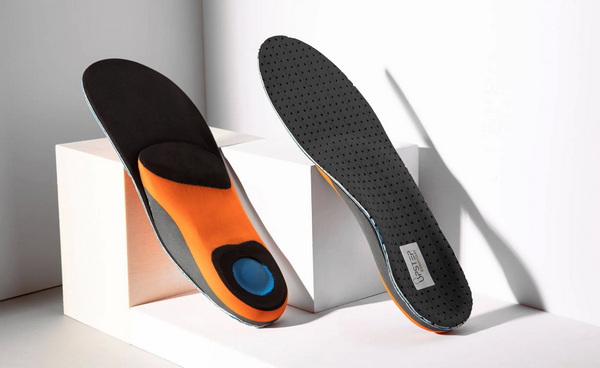
Orthotic insoles, also known as orthotics, are therapeutic devices that provide additional support to the foot's structure. They are commonly used to address various foot conditions such as plantar fasciitis, flat feet, overpronation, and heel pain. Unlike regular shoe insoles that mainly provide cushioning, orthotic insoles are designed to realign and stabilize the foot for improved posture and comfort.
Orthotic insoles come in various materials and designs, including rigid, semi-rigid, and soft types, tailored either custom made by a podiatrist or available as over-the-counter products. Their purpose is not only cushioning but correcting abnormal foot mechanics and providing targeted support where needed most.
Choosing the right pair of shoes in combination with the correct insoles plays a major role in foot health. Ill-fitting shoes or poor insoles can exacerbate foot problems, leading to discomfort and even chronic pain. Footwear quality and fit, combined with an appropriate orthotic insole, contribute to balanced weight distribution and prevent injuries.
Orthotic insoles are a vital part of this equation. They can adapt shoes for specific conditions, improve shock absorption, and promote better alignment from the feet through to the spine. This makes understanding how to integrate orthotic insoles with shoe insoles essential.
Whether orthotic insoles go over existing insoles depends on a variety of factors including the type of orthotic, the structure and fit of the shoe, and the user's specific foot health needs.
Most orthotic insoles are engineered to replace the original insoles rather than overlay them. Removing the original insole ensures optimal fit, support, and alignment as the orthotic can sit directly against the shoe's insole, providing the intended therapeutic benefit.
- Orthotic insoles provide precise arch support and foot alignment that may be compromised if used over existing insoles.
- Double layering insoles often leads to a tight shoe fit, reducing circulation and comfort.
- Removing the stock insole allows for the orthotic to function as designed.
There are exceptions where orthotic insoles may be placed on top of original shoe insoles.
- If the original insole is thin and fixed, some orthotics can fit over comfortably.
- Shoes that are roomy or have extra space can accommodate two insoles without discomfort.
- Under specific medical guidance where therapeutic benefits require combined layers.
However, careful evaluation of shoe fit and comfort is essential to prevent foot issues such as pinching or pressure spots.
Orthotic insoles come in different types, and their compatibility with existing shoe insoles varies accordingly.
Rigid orthotics are made from stiff materials designed to provide maximum control over foot motion. Because of their firm structure, they usually require the removal of original insoles to allow the orthotic to fully engage the foot and shoe, ensuring the therapeutic effect is maintained. They are commonly prescribed for serious foot deformities or injuries.
Semi-rigid insoles blend flexibility with support. Depending on their thickness and the shoe's capacity, these may sometimes be worn over thin original insoles, especially in athletic footwear where shock absorption layers exist. However, removal of the original insole is often still recommended to provide a stable base.
Soft orthotic insoles focus more on cushioning and comfort rather than structural correction. They can sometimes be layered over original insoles without significant issues, particularly in shoes with abundant interior space.
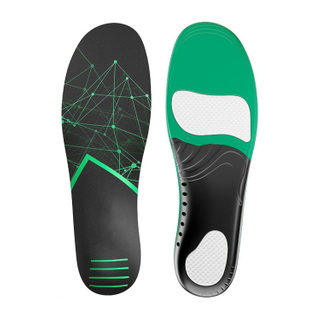
Ensuring the correct fit of orthotic insoles maximizes their efficacy and comfort. Here are the steps:
1. Remove the original insole if necessary to make space for the orthotic.
2. Place the orthotic insole so it lies flat within the shoe.
3. Test the fit by wearing the shoe and walking short distances.
4. If the shoe feels too tight, consider a wider shoe or orthotic design adjustment.
5. Follow any specific medical advice for wearing time and break-in period.
Pay attention to any pain, numbness, or pressure points as these may indicate improper fit or insufficient space in the shoe.
- Enhanced Foot Support: Properly fitted orthotics redistribute pressure and support arches.
- Pain Relief: Alleviates symptoms related to plantar fasciitis, heel spurs, and overpronation.
- Improved Alignment: Helps correct posture and gait for long-term musculoskeletal health.
- Durability and Comfort: Custom or specialized orthotics are more comfortable when fitted directly without layering.
Orthotic insoles also help in reducing fatigue in the feet and legs, enabling better performance in daily activities and sports.
- Soft, cushioned insoles provide the same benefits as orthotics — False. Orthotic insoles focus on structural support.
- Orthotics can always be placed over original insoles without issue — False. This depends entirely on shoe space and insole thickness.
- Orthotic insoles are uncomfortable — Initial discomfort is normal but can be managed with gradual use and proper fit.
Using orthotic insoles incorrectly or with poor fit can cause discomfort. Watch out for these signs:
- Pain or soreness in the arch or heel after using the orthotic insole.
- Numbness or tingling in the feet indicating pressure on nerves or blood vessels.
- Shoes feeling unusually tight or causing blister formation.
- Increased discomfort after long periods of use.
If any of these symptoms occur, consult a podiatrist or orthotics specialist to reassess your insoles or footwear.
To keep orthotic insoles effective:
- Clean them regularly with a damp cloth and mild soap.
- Avoid soaking or exposing insoles to excessive heat which can deform them.
- Inspect for wear and replace every 1-2 years or according to manufacturer or specialist recommendations.
- Rotate insoles between shoes to extend their lifespan.
Proper maintenance also ensures that orthotics maintain their structural integrity and continue providing the needed support.
- Choose Appropriate Shoes: Deep toe boxes and removable insoles facilitate orthotic use better.
- Avoid High Heels or Tight Shoes: These limit orthotic effectiveness by constraining natural foot positioning.
- Gradual Usage: Build up your tolerance to orthotics over a few weeks, starting with short wear periods.
- Professional Guidance: Have orthotics fitted or approved by a medical specialist for best outcomes.
Orthotic insoles are generally designed to replace the original insoles inside shoes to deliver maximum support, comfort, and therapeutic benefit. While some orthotics can be worn over thin or flat original insoles in roomy shoes, the best practice often involves removing the shoe's existing insoles. Proper fit, shoe selection, and careful break-in are key to maximizing foot health and comfort using orthotic insoles. If unsure about the best setup, consulting a foot health specialist ensures optimal results.
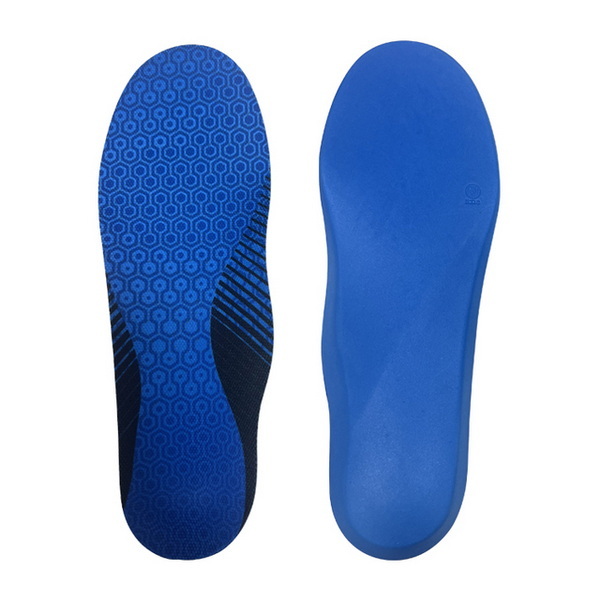
Orthotic insoles are compatible with most shoes, especially those with removable insoles or enough interior space to accommodate them. It is best to remove the original insole for the best fit unless otherwise advised by a specialist.
If the orthotic insole fits snugly and the shoe feels comfortable with both layers, you might keep the original insole. However, most expert advice recommends removing it to avoid crowding and discomfort.
Possibly, if the existing insoles are thin and the shoe fits well with both insoles. Otherwise, the original insoles should be removed to maintain proper shoe fit and orthotic function.
It generally takes a few weeks to adjust to orthotic insoles. Gradual wearing from 1-2 hours per day up to full-day use helps minimize discomfort.
Yes, especially for people with foot pain or postural problems. They provide targeted support, reduce pain, and improve foot mechanics, enhancing overall quality of life.
[1](https://alineinsoles.com/blogs/news/do-i-remove-original-insoles-when-using-orthotics-insoles)
[2](https://www.upstep.com/a/community/orthotics/do-insoles-go-over-the-insole-that-comes-in-the-shoe-or-do-we-remove-the-one-that-s-there)
[3](https://www.solescience.ca/questions-orthotics-youve-always-wanted-ask/)
[4](https://theinsolestore.com/pages/insole-guide)
[5](https://www.reddit.com/r/BBallShoes/comments/vu7432/can_you_put_an_orthotic_on_top_of_the_insoles/)
[6](https://www.drscholls.com/pages/faq)
[7](https://heelthatpain.com/foot-orthotic-guide/)
[8](https://www.melbournepodiatryclinic.net.au/blog/can-i-wear-orthotics-in-shoes-that-already-have-support-in-them/)
[9](https://www.footsurgeon.com/top-3-signs-your-foot-orthotics-dont-fit-right/)
[10](https://www.royaldevon.nhs.uk/media/sneklmhq/advice-for-wearing-orthotic-insole-devices-275-v5.pdf)


