
Language
Views: 222 Author: Amanda Publish Time: 2025-09-02 Origin: Site


Content Menu
● Types of Orthotic Inserts and Their Uses
● How Do Orthotic Inserts Help?
● Does Insurance Cover Orthotic Inserts?
>> Insurance Providers and Orthotic Insert Coverage
>> Medicare Coverage for Orthotic Inserts
>> Limitations and Exclusions in Insurance Coverage
● Steps to Get Orthotic Inserts Covered by Insurance
>> Step 1: Verify Your Insurance Policy
>> Step 2: Obtain a Medical Diagnosis
>> Step 3: Get a Prescription and Treatment Plan
>> Step 4: Select an In-Network Provider
>> Step 5: Submit Necessary Documentation and Claims
● Understanding Costs and Insurance Impact
● Frequently Asked Questions (FAQ)
>> 1. Are orthotic inserts covered by most insurance plans?
>> 2. Does Medicare cover custom orthotic inserts?
>> 3. What documentation is required for insurance coverage of orthotic inserts?
>> 4. Can I use any healthcare provider or orthotic supplier with insurance?
>> 5. What should I do if my insurance claim for orthotic inserts is denied?
Orthotic inserts have become an essential part of managing various foot and lower limb conditions by providing support, correcting alignment, and alleviating pain. For patients and providers alike, understanding whether insurance covers orthotic inserts is critical to accessing these beneficial devices without financial hardship. This comprehensive guide dives deep into the nuances of insurance coverage for orthotic inserts, explaining eligibility, types of coverage, procedures to maximize benefits, and what to expect from different insurance plans including Medicare.

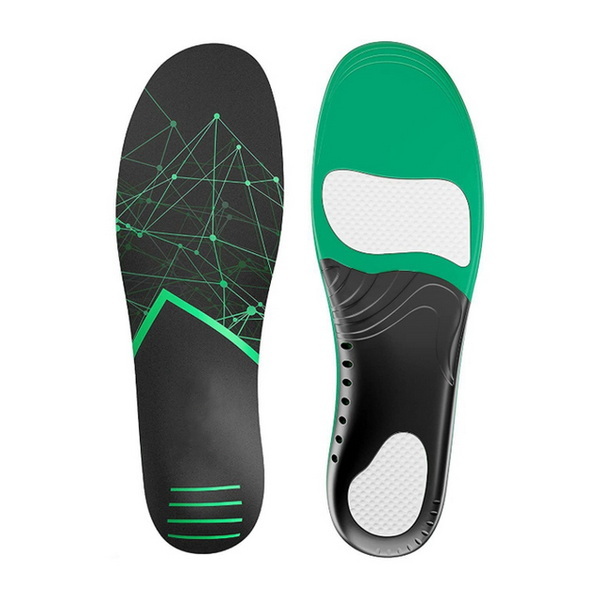
Orthotic inserts, also known as orthotics, are devices worn inside the shoes designed to correct biomechanical foot faults and improve overall foot function. They serve multiple purposes, such as cushioning pressure points, providing arch support, and correcting abnormal gait patterns. Orthotic inserts can be custom-made or prefabricated, with custom inserts tailored to an individual's specific anatomical and functional needs based on a foot scan or mold.
People with conditions such as plantar fasciitis, flat feet, arthritis, diabetes-related foot problems, or overpronation often rely on orthotic inserts to improve balance, reduce pain, and enhance mobility. Orthotic inserts contribute not only to foot health but also positively affect posture, knee alignment, and lower back comfort by restoring proper mechanics.
There are two main types of orthotic inserts:
- Custom Orthotic Inserts: Individually designed based on a patient's foot shape and biomechanics. These are generally prescribed by podiatrists or orthopedic specialists and fabricated using molds or digital scans. Custom orthotics tend to provide precise correction and comfort for severe or complex foot issues.
- Prefabricated Orthotic Inserts: These are standard off-the-shelf products that provide general support and cushioning. While less expensive, they may not address specific biomechanical problems as effectively as custom inserts.
Both types are valuable tools, with custom inserts usually recommended for chronic or severe conditions, while prefabricated inserts serve well for minor issues or preventive care.
Orthotic inserts work by redistributing pressure on the foot, stabilizing joints, and correcting abnormal movement patterns. This leads to:
- Pain relief in conditions like heel spurs, plantar fasciitis, and metatarsalgia.
- Reduced joint stress in the ankle, knees, hips, and lower back.
- Enhanced athletic performance by optimizing foot mechanics.
- Prevention of deformities and ulcers, especially important for diabetic patients.
Properly prescribed orthotic inserts can significantly improve the quality of life for those with foot-related ailments.
The question of insurance coverage for orthotic inserts is complex because coverage depends on the insurer, the insurance plan, whether the orthotics are deemed medically necessary, and the documentation provided.
Multiple private insurance companies offer coverage for orthotic inserts, particularly when they fall under Durable Medical Equipment (DME). Common insurers like Aetna, UnitedHealthcare, and Blue Cross Blue Shield typically require:
- A doctor's prescription specifying the medical necessity.
- Documentation of diagnoses such as flat feet, diabetic neuropathy, or severe biomechanical dysfunction.
- Use of in-network orthotic providers.
Coverage may include both custom orthotic inserts and prefabricated ones if prescribed accordingly.
Medicare Part B provides coverage for certain orthotic inserts, mainly custom-molded ones, under strict conditions. According to Medicare guidelines:
- Orthotic inserts are covered if prescribed for a severe foot condition such as diabetes-related neuropathy, foot deformities, or after amputation.
- Coverage includes one pair of shoes with custom inserts or one pair of custom orthotic inserts annually.
- Medicare typically covers 80% of the approved amount, with the beneficiary responsible for 20% coinsurance and any deductible.
Patients need to use Medicare-approved suppliers and present a prescription and treatment plan to qualify.
It is important to understand the limitations:
- Orthotic inserts primarily prescribed for comfort, minor aches, or purely preventive reasons are often excluded.
- Some insurance plans cap the number of orthotic inserts covered annually or require frequent reassessment.
- Coverage may be denied if prior authorization is not obtained.
- Non-custom orthotics or those purchased outside approved channels may not be reimbursed.
Understanding policy specifics beforehand can prevent unexpected out-of-pocket expenses.
Here is a systematic approach to maximize insurance coverage:
Before acquiring orthotic inserts, patients should check their insurance plan details to confirm coverage policies. This can be done by reviewing policy documents online, calling customer service, or consulting with the billing department of the prescribing provider.
A licensed healthcare professional, such as a podiatrist or orthopedic doctor, must provide a formal diagnosis. This diagnosis should clearly explain the medical need for orthotic inserts, using clinical evaluations, imaging, or gait analysis if necessary.
The healthcare provider should issue a prescription that includes details on the type of orthotic inserts required, the condition being treated, and the expected outcome of using the orthotics. Some insurers require a detailed treatment plan or a letter of medical necessity.
To reduce costs and ensure direct billing to insurance, it is advisable to use an orthotic provider who is within the insurance network. Many insurance companies provide lists of preferred providers and suppliers.
The healthcare provider and orthotic manufacturer usually assist patients with submitting insurance claims. Documentation typically includes prescriptions, medical records, and proof of diagnosis. Patients should keep copies of all paperwork for their records.
If insurance denies coverage, patients can request a written explanation and file an appeal. Supporting documentation from the attending physician emphasizing the medical necessity of the orthotic inserts can often overturn denials.
Without insurance, the cost of custom orthotic inserts can range from $200 to $500 or more, while prefabricated options are less expensive. Insurance coverage can significantly reduce these costs, sometimes covering most or all expenses.
Patients should inquire about copayments, deductibles, and any out-of-pocket maximums under their policies.
- Replacement Policies: Orthotic inserts wear out over time and may need replacement. Insurance plans may limit replacements to once a year or every two years.
- Footwear Modifications: Some insurances also cover therapeutic footwear or shoe modifications when prescribed with orthotics.
- Coverage for Children: Many insurance providers offer similar policies for pediatric orthotic inserts, especially for congenital deformities or developmental issues.
Insurance coverage for orthotic inserts varies widely depending on the insurer, plan, and documented medical necessity. While Medicare and most private insurers provide partial or full coverage for medically required orthotic inserts, patients must verify their policy details and follow prescribed steps to optimize benefits. Utilizing an in-network provider, obtaining a detailed medical diagnosis, and complete documentation are crucial for successful coverage. Orthotic inserts play a vital role in treating foot conditions, improving mobility, and enhancing quality of life—insurance support can make these devices accessible to those in need.
Most insurance plans cover orthotic inserts if prescribed for medical necessity by a healthcare professional. However, coverage details and eligibility criteria vary widely among insurers and plans.
Yes, Medicare Part B covers custom orthotic inserts for qualifying medical conditions, including diabetes-related foot problems, with coverage typically limited to one pair annually.
Required documentation usually includes a medical diagnosis by a healthcare provider, a prescription for the orthotic inserts, treatment plans, and sometimes prior imaging or diagnostic tests.
Using in-network providers and suppliers is highly recommended for insured patients, as it minimizes out-of-pocket costs and ensures the claims process is smoother.
Patients can request a detailed denial explanation, appeal the decision, and submit additional medical documentation or letters from their healthcare provider supporting the medical necessity of the orthotic inserts.
[1](https://www.upstep.com/a/blog/get-your-orthotics-covered-by-insurance-with-these-easy-steps)
[2](https://footnanklecenters.com/does-medicare-cover-custom-orthotics/)
[3](https://www.reddit.com/r/HealthInsurance/comments/16g9usm/coverage_for_orthotic_shoe_inserts/)
[4](https://primecareprosthetics.com/blog/does-insurance-cover-orthotics)
[5](https://www.goodrx.com/conditions/musculoskeletal/custom-orthotics-cost)
[6](https://www.medicare.gov/coverage/therapeutic-shoes-inserts)
[7](https://givingcare.silverts.com/how-to-get-orthotics-covered-by-insurance-in-5-steps/)
[8](https://www.solescience.ca/faq-insurance-coverage/)
[9](https://easyfeet.store/blogs/our-blog/are-orthotics-covered-by-insurance)
[10](https://www.aetna.com/cpb/medical/data/400_499/0451.html)


