
Language
Views: 222 Author: 3BU Technology Publish Time: 2026-05-01 Origin: Site


Walking around a factory floor, running a 10K, or just standing behind a counter all day, you quickly learn one truth: the wrong insole will punish your feet, your knees, and even your lower back. As a team that has spent years developing foam insoles for international brands, and as someone who has personally tested dozens of materials in real shoes, I can tell you that the right foam under your feet changes everything. [jcinsoles]
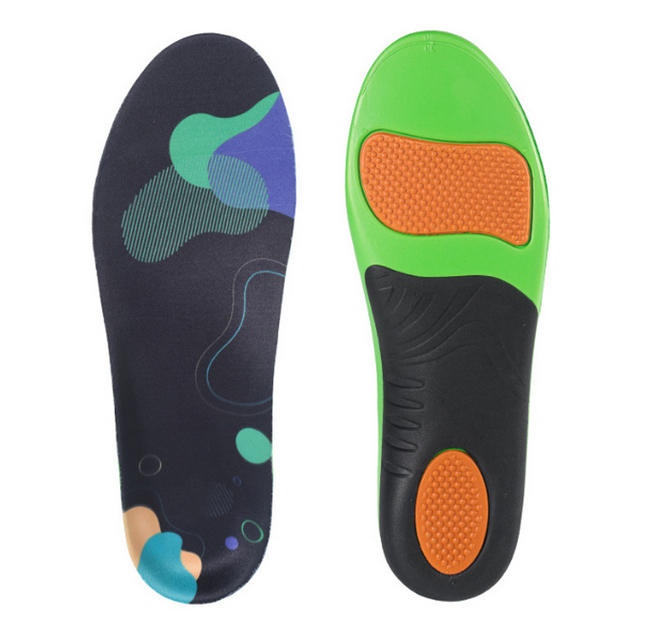
Foam insoles are removable layers inside your shoes made from materials like EVA, PU, memory foam, or hybrid foams that provide cushioning, shock absorption, and support. They act as a buffer between your foot and the hard ground, helping distribute pressure more evenly across the sole. [evocoltd]
From an OEM manufacturing perspective, foam insoles are not "just padding." They influence:
- Overall comfort and perceived quality of the shoe
- Long‑term durability and customer satisfaction
- Brand differentiation in crowded categories like running shoes, safety footwear, and casual sneakers [weartheese]
If you have ever finished a shift with burning heels or tingling toes, you have already felt what happens when foam density, resilience, or contouring are wrong. [sprinsole]
As a leading OEM insole manufacturer, we work with multiple foam systems because different markets and end‑users have very different needs. [evocoltd]
EVA (ethylene‑vinyl acetate) is one of the most common materials for insoles.
- Lightweight yet surprisingly cushioning
- Good shock absorption for everyday and sports shoes
- Easy to mold and cut for different shapes and thicknesses
However, lower‑grade EVA can compress over time and lose its bounce, so selecting the right density and formulation is critical if you want long‑term comfort. [evocoltd]
PU (polyurethane) foams tend to be more durable and resilient.
- Higher durability under repeated compression
- Better for work boots, safety shoes, and heavy‑duty environments
- Can be engineered with different density zones for targeted support [evocoltd]
The trade‑off is that PU foam is generally heavier than EVA, so it's less common in ultra‑light performance footwear. [firework]
Memory foam insoles contour to the shape of the foot and provide an instantly "soft" feel.
- Excellent first‑impression comfort
- Great for casual footwear, house shoes, and light walking
- Can help reduce pressure points for sensitive feet
The downside: some memory foams can trap heat and feel less supportive for high‑impact activities. Combining memory foam with a firmer base layer is often the best solution. [evocoltd]
Modern footwear brands increasingly request hybrid constructions: for example, a PU base for structure, an EVA layer for weight reduction, and a memory foam top for step‑in comfort. [weartheese]
We also see growth in:
- Eco‑enhanced foams (recycled or bio‑based content)
- High‑rebound foams that add energy return for running and training
- Open‑cell foams for improved breathability and moisture management [firework]
From the outside, all foam insoles may look similar. Inside the shoe, they perform very differently. Here is how a well‑designed foam insole helps your feet.
Every step sends impact forces up through your feet, ankles, knees, and spine. A good foam insole:
- Compresses to absorb part of that impact
- Spreads force over a larger area of the foot
- Reduces the "hardness" you feel when walking on concrete or metal grids [sprinsole]
For workers on assembly lines or in warehouses, this is not just comfort—it can influence fatigue, productivity, and injury risk over the long term. [sprinsole]
Many customers we talk to complain about burning under the forefoot or heel pain at the end of the day. The right foam insole design uses varied thickness and density to:
- Support the heel and midfoot so the forefoot carries less load
- Reduce sharp pressure under metatarsal heads
- Minimize friction points that can lead to blisters or calluses [sprinsole]
Foam alone does not automatically provide proper arch support. For that, you need:
- Correct arch profile (low, neutral, or high)
- Appropriate stiffness in the arch area
- A heel cup deep enough to keep the foot stable [sprinsole]
We often combine foam with a more rigid insert in the arch or heel to balance comfort and biomechanical support, especially in insoles designed for pronation control. [evocoltd]
Unventilated foam can trap sweat and heat. Better foam insole designs:
- Use open‑cell foams that allow air to circulate
- Integrate moisture‑wicking top fabrics
- Add anti‑odor treatments when required by the brand [evocoltd]
For consumers, this translates into cooler, drier feet and less smell at the end of a long day.

Across markets and product lines, user reviews tend to highlight similar themes:
- Immediate comfort: People notice when an insole feels soft and forgiving right away.
- Long‑day performance: Positive reviews often mention standing 8–12 hours with much less pain. [sprinsole]
- Fit and trimming: Users appreciate when insoles can be easily trimmed to fit different shoe sizes. [sprinsole]
- Durability: Negative reviews usually focus on foam flattening out too fast, especially in budget products.
As an OEM partner, we actively collect feedback from our clients' end‑users and feed it back into material selection and structural design. Over time, this data helps us fine‑tune foam density, thickness, and reinforcement zones for each application.
Whether you are a buyer for a footwear brand or an individual user looking to upgrade your shoes, you can use a simple framework.
Ask: Where and how will these insoles be used?
- Office / casual walking
- Long‑shift standing (retail, hospitality, manufacturing)
- High‑impact sports (running, court sports)
- Safety or outdoor boots
Different scenarios require different levels of cushioning, support, and durability. [sprinsole]
Knowing whether you have low, neutral, or high arches and whether you overpronate makes selection much easier. [sprinsole]
- Low arch / flat feet: Prefer stronger arch support and stability features.
- Neutral arch: Balanced cushioning and moderate support.
- High arch: Extra cushioning, especially under the forefoot and heel.
If you are unsure, simple "wet tests" or in‑store assessments can help, and complex cases should always be evaluated by medical professionals. [sprinsole]
Here is a quick reference you can adapt into your product pages:
Use case | Recommended foam choice |
|---|---|
Everyday casual | EVA or memory foam on EVA base |
Long‑shift standing / work boots | PU or PU + EVA hybrid with deep heel cup |
Running / training | High‑rebound EVA or advanced hybrid foams |
Hiking / outdoor boots | Durable PU with moisture‑managing top layer |
House shoes / recovery slides | Soft memory foam with breathable fabric |
[firework]
Even the best foam insoles have a lifespan. To keep comfort and support consistent:
- Ensure they sit flat and do not crowd the shoe
- Replace them when they show visible compression or you feel increased fatigue
- For intensive use, evaluate them every 6–12 months [sprinsole]
As an OEM insole supplier, we see the full journey from design concept to mass production. Here's how a typical project works.
We start by clarifying:
- Target market (running, lifestyle, safety, kids, etc.)
- Price positioning and margin targets
- Brand‑specific comfort philosophy (softer vs more supportive) [sana-commerce]
This ensures that the foam insoles fit not only the shoe, but the brand story.
Our engineers evaluate:
- Foam density and hardness
- Compression set (how much the foam "stays flat" after being squashed)
- Tear strength, abrasion resistance, and hydrolysis resistance
We combine lab results with field testing—actual people wearing prototypes in real work or sports conditions—to validate comfort and durability. [firework]
Using CAD and 3D modeling, we design:
- Contoured shapes for the heel cup and arch
- Thickness mapping to control pressure zones
- Perforation and channels for breathability
Once approved, we build molds and produce pilot runs for confirmation.
We then move from sample to mass production, with:
- Incoming material checks
- In‑process inspections for thickness, hardness, and bonding
- Random wear‑simulation tests for long‑term performance
For brands, this behind‑the‑scenes work is often invisible, but it is what ensures that a positive review today is still positive twelve months from now.
The insole industry is evolving quickly along with the rest of footwear technology. [iambic]
Some key trends we see:
- Higher stack, lighter weight: Running and walking shoes aim for maximum cushioning while remaining lightweight, using advanced foams for both midsoles and insoles. [firework]
- Sustainability: More brands request foams with recycled content or bio‑based components without sacrificing comfort. [evocoltd]
- Data‑driven fit and personalization: AI‑assisted foot scans and preference profiling influence insole contour and foam selection, especially in premium lines. [iambic]
- Segment‑specific insoles: Dedicated insoles for manufacturing workers, nurses, warehouse staff, and delivery drivers, tuned to their unique movement patterns and surfaces. [sprinsole]
For OEM customers, working with a partner who follows these developments allows your products to stay competitive in both comfort and marketing claims.
From both user feedback and our own testing, here are simple, high‑impact habits:
1. Give your feet time to adapt. When switching from thin factory insoles to high‑support foam insoles, increase wear time gradually over 1–2 weeks. [alineinsoles]
2. Rotate pairs if possible. Letting foam "recover" between days can extend its life.
3. Use moisture‑wicking socks. They work with breathable foams to keep feet drier. [evocoltd]
4. Pair insoles with the right shoes. Even the best insole cannot fully fix a worn‑out or poorly sized shoe.
5. Listen to early warning signs. Persistent pain, numbness, or swelling should be discussed with a medical professional.
If you are a footwear brand, wholesaler, or manufacturer looking for reliable OEM foam insole solutions, working directly with a specialist gives you:
- Access to proven foam formulations for different markets
- Custom designs that reflect your brand's comfort philosophy
- Scalable production with consistent quality control
At 3BU Technology, we support international clients from concept to container, helping you create foam insoles for feet that genuinely deliver comfort in every step.
Ready to develop your next foam insole project?
Contact our expert team to discuss materials, samples, and OEM customization options tailored to your market.

1. How long do foam insoles usually last?
Most quality foam insoles last between 6 and 12 months of regular use, depending on your body weight, activity level, and working surface. Heavy industrial use or daily high‑impact sports can shorten that timeframe, so inspect your insoles regularly for flattening or loss of support. [sprinsole]
2. Are foam insoles good for standing all day?
Yes, foam insoles are particularly helpful for workers who stand for long periods, especially on hard concrete floors. PU or hybrid foam constructions with a deep heel cup and adequate arch support can noticeably reduce fatigue and heel pain after long shifts. [sprinsole]
3. Can I use foam insoles if I have flat feet or high arches?
You can, but you should choose the right profile. People with flat feet often benefit from insoles with stronger arch support and stability features, while those with high arches usually need extra cushioning to avoid pressure points. For chronic pain or medical conditions, a podiatrist's advice is always recommended. [sprinsole]
4. Do foam insoles make shoes too tight?
If you choose the correct thickness and trim the insole to match your shoe size, foam insoles should not make shoes uncomfortably tight. In some cases, you may need to remove the original factory insole to create enough volume for the new foam insole. [sprinsole]
5. What is the difference between cheap and premium foam insoles?
Budget insoles often use lower‑density foams that feel soft at first but compress quickly and lose their cushioning. Premium foam insoles use better formulations, multi‑layer structures, and more precise shaping, which results in longer‑lasting comfort, better pressure distribution, and improved overall foot support. [firework]
1. JC Insoles – "Effective Marketing Strategies to Grow Your Insole Brand in 2024." [Link] [jcinsoles]
2. MarketVeep – "4 Best Practices for Your Content SEO Strategy in Manufacturing." [Link] [marketveep]
3. Evoco – "Designing Comfortable and Sustainable Footwear: Exploring Insole Material Innovations." [Link] [evocoltd]
4. THEESE – "Influence of Modern Technology on Footwear Comfort." [Link] [weartheese]
5. Firework – "The Future of Footwear: Navigating Innovation and Sustainability." [Link] [firework]
6. Sprinsole – "The Ultimate Guide to Comfort: Best Insoles for Manufacturing and Assembly Line Workers." [Link] [sprinsole]
7. IAMBIC – "AI-Tailored Footwear: IAMBIC's New Approach to Custom-Fit Shoes." [Link] [iambic]
8. ALINE – "How to Transition From Factory Insoles to Performance Insoles." [Link] [alineinsoles]
9. Sana Commerce – "SEO for Manufacturers: A Complete Guide for B2B Sellers." [Link] [sana-commerce]


