
Language
Views: 222 Author: Edvo Publish Time: 2025-10-14 Origin: Site


Content Menu
● Why Are Fallen Arches a Problem?
● How Can Inserts Help Fallen Arches?
>> Stabilize and Align the Foot
>> Improve Gait, Balance, and Posture
● Types of Inserts for Fallen Arches
>> Off-the-Shelf or Prefabricated Insoles
>> Sport-Specific and Activity-Oriented Insoles
● How to Use Inserts for Fallen Arches
>> Ongoing Care
● Real Life Benefits of Inserts
● Addressing Myths About Inserts and Fallen Arches
● Supporting Your Feet: Everyday Strategies
>> 1. What's the difference between generic and custom orthotic inserts?
>> 2. How often should I replace my inserts?
>> 3. Can children benefit from arch-support inserts?
>> 4. Will inserts cure my fallen arches?
>> 5. Should I use inserts in all my shoes?
Fallen arches—also known as flat feet—affect millions worldwide, resulting in discomfort, fatigue, and even persistent pain that reaches up through the legs and lower back. For people with this common foot condition, finding effective solutions is vital for maintaining an active, comfortable lifestyle. Orthotic shoe inserts, also called insoles, deliver remarkable relief and support, improving overall well-being. This guide offers an in-depth look at how inserts help fallen arches, the types of arches insoles available, selection strategies, and practical tips for ongoing comfort and foot health.
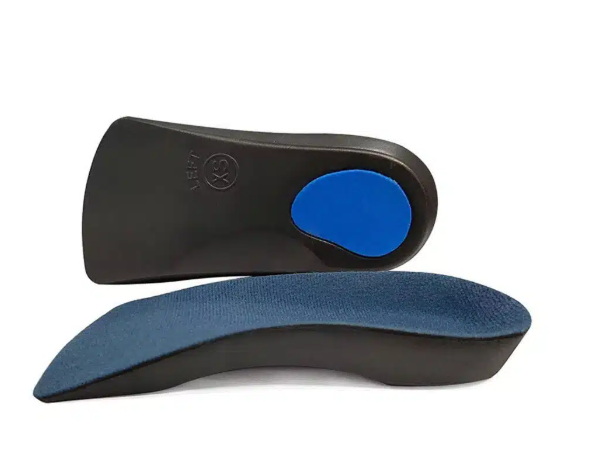
Fallen arches occur when the natural upward curve on the inside of your foot collapses, causing the sole to touch the ground almost completely. This condition can be inherited, develop with age, or emerge after injury, obesity, or repetitive stress to the feet. Common symptoms of fallen arches include aching or heaviness in the feet, swelling along the inner ankle, difficulties standing on tiptoes, and discomfort that sometimes radiates into the legs, knees, hips, or lower back.
Fallen arches change the way your body supports itself. While arches are designed to provide spring, absorb shock, and distribute weight across the foot, their absence means every step can place stress where the body is least prepared for it. Over time, poorly distributed forces lead to strained muscles and ligaments, pain during standing or walking, and a higher risk of injuries and related conditions.
Healthy arches act as the foundation for your entire kinetic chain—that is, the set of joints, bones, and muscles from feet up through your spine. Arches help your foot act as both a shock absorber and a lever for movement. If arches collapse, the mechanics of walking and standing can become inefficient and even damaging. This can cause overpronation, when the ankle rolls excessively inward, which further stresses joints, ligaments, and tendons.
The result is not just physically uncomfortable. Over time, people with untreated fallen arches can develop chronic issues, such as plantar fasciitis, tendonitis, bunions, shin splints, and knee and back pain. Left unaddressed, these issues may seriously affect mobility and quality of life.
Orthotic shoe inserts are designed to restore proper alignment and support, even if your natural arch is weak or collapsed. Here are the most important ways inserts make a difference:
Shoe inserts are engineered to create more even weight distribution across the sole. Instead of letting pressure accumulate on weak spots, well-designed inserts cushion high-impact areas, reduce pressure points, and relieve pain in the heels, balls of the feet, and the arch itself.
By fortifying the inside curve of the foot and cupping the heel, inserts decrease the tendency for your ankles to roll inward. This extra stability encourages a healthier stance and normalized walking gait, helping your body move with less strain and reducing the risk of additional injuries.
Without proper support, foot muscles and the plantar fascia—tough connective tissue under your arch—work harder to stabilize every step. This leads to early fatigue, soreness, and sometimes inflammation. Inserts take on some of this burden, so you stay comfortable longer, whether walking, running, or standing for extended periods.
The complications from fallen arches often occur over time, as lack of support produces ongoing stress and inflammation. Orthotic inserts protect the feet by optimizing load transfer and lessening the stress that causes chronic issues like plantar fasciitis or stress fractures.
With added support and alignment, the rest of your body is also supported. Proper foot mechanics promote better posture, more stable movement, and improved balance. This is especially beneficial for older adults, athletes, or anyone returning to physical activity after injury.
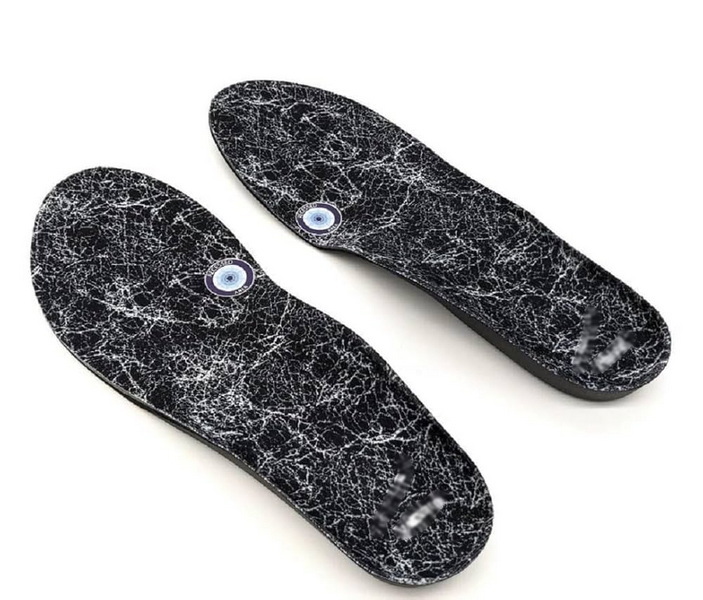
Different foot shapes and activity levels require varied insert designs. Here are the main categories:
These are mass-produced, ready-to-use insoles that usually fit a wide range of shoes. They provide moderate arch support and cushioning, making them a great first step for people with mild to moderate fallen arches. Many are also trimmable to ensure a snug fit.
Custom orthotics are crafted from molds of your feet, accommodating unique biomechanical needs, severe flat feet, or ongoing pain. They use higher-quality materials, last longer, and deliver precise alignment correction. Though more expensive, they are often covered by insurance if prescribed medically.
Some insoles are tailored for particular activities, such as running, hiking, or high-impact sports. These variants focus on extra heel and arch shock absorption, blister prevention, and reducing fatigue. Athletic inserts are especially popular among runners and people who spend long hours on their feet.
- Deep heel cups for stability and shock absorption.
- Low to medium arch support that's firm yet not rigid.
- High-quality materials (EVA, PU foam, gel, cork) for durability and moisture management.
- Breathable fabric covers for hygiene and odour reduction.
- Trim-to-fit designs compatible with your preferred shoe styles.
Before selecting an insert, determine your arch type through home tests (wet paper test) or better yet, a podiatric evaluation. Understanding the degree of your fallen arches helps you choose the correct level of support.
Choose based on activity, severity of your arches, and budget. Prefabricated insoles are fine for mild issues. For persistent pain, unusual foot shape, or athletic requirements, consider custom orthotics.
A well-fitted insert should lie flush against the heel and arch, not bunch up or slip when you walk. Always check that your shoe has enough room for the insert without becoming too tight.
Start by wearing your new inserts for just 1–2 hours a day, then gradually increase use. Mild discomfort at the beginning is normal as your feet adjust, but ongoing pain is not—if you experience it, consult a professional.
Replace inserts as recommended, usually every 6–12 months or when you notice compression, flaking, decreased support, or unpleasant odors. Regular replacement ensures sustained comfort and efficacy.
Those who wear inserts for fallen arches typically experience an improvement in daily comfort and activity levels:
- Reduced or eliminated foot pain during ordinary activities and sports.
- Improved stamina for standing or walking long distances.
- Lower rates of foot fatigue, swelling, and ankle discomfort.
- Decreased incidence of associated conditions, including plantar fasciitis and tendonitis.
- Enhanced athletic performance and fewer injuries resulting from poor foot mechanics.
- Better posture with less lower back and joint pain.
- Greater stability and security, minimizing trips and falls, particularly for seniors or those with balance issues.
Misconceptions abound about orthotic inserts:
- It's not true that only people with high arches need support. In fact, those with flat feet may benefit more, especially if they experience discomfort or biomechanical stress.
- Not all insoles are created equal. Mass-market gel inserts or soft foam cushions may feel good at first but lack the structural support and durability needed for true correction of fallen arches. Look for purpose-built arch supports.
- Wearing inserts is not just for athletes or older adults. Anyone experiencing symptoms or wishing to prevent future problems can benefit, regardless of age or occupation.
- Inserts are not a miracle cure—persistent, severe pain should always be examined by a medical professional, who can recommend a comprehensive treatment plan alongside orthotic support.
Orthotic inserts work best when combined with general healthy habits:
- Wear supportive, well-fitted shoes whenever possible. Avoid sandals or shoes with minimal structure for long periods.
- Maintain a healthy body weight to reduce excess stress on your arches.
- Stretch and strengthen foot and leg muscles regularly to preserve flexibility and stability.
- Replace worn-out shoes and inserts promptly. Old, broken-down footwear loses its protective benefits.
- Listen to your body—do not ignore pain or swelling. Prompt attention keeps minor issues from becoming major setbacks.
Inserts designed for fallen arches offer a powerful solution to common complaints of pain, tiredness, and mobility loss. With even pressure distribution, proper foot alignment, and less muscle fatigue, orthotic insoles make everyday activities and sports more enjoyable. Custom or ready-made inserts can prevent long-term complications for anyone with flat feet, ensuring better gait, balance, and comfort. Combine daily use with supportive shoes and healthy habits for best results. Explore your insert options today and take the first confident step towards a life with stronger, happier feet.
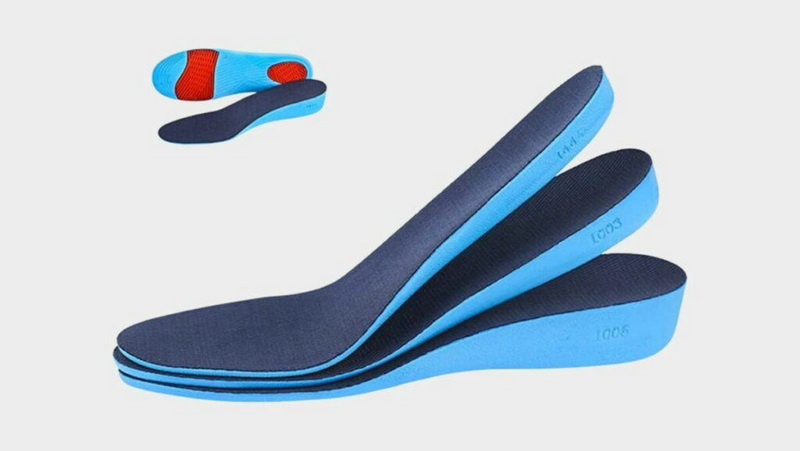
Generic inserts offer a one-size-fits-most solution, generally providing basic arch support and ease of use at a lower cost. Custom orthotic inserts are tailored specifically for an individual's foot structure, delivering targeted relief for complicated or severe cases.
Most orthotic insoles should be replaced every 6–12 months, although athletic users or people who stand for long hours may need to replace them more often. Insert breakdown shows as flattening, loss of resilience, or destructed padding.
Children with symptomatic flat feet often see relief with supportive inserts. Early intervention helps guide healthy foot development, supports comfort in sports, and can prevent future structural problems.
Inserts typically do not “cure” fallen arches, but they significantly reduce symptoms and protect against further deterioration. In children, there's a better chance of lasting correction as bones and soft tissues are still developing.
For best symptom control, inserts should be used in any shoe worn for long periods—at home, work, or sports. Consistent use delivers better structural support and greater relief.


