
Views: 222 Author: Edvo Publish Time: 2025-12-28 Origin: Site


Content Menu
● Understanding Dr. Scholl Custom Fit Orthotic Inserts
● Average Lifespan of Dr. Scholl Custom Fit Inserts
● Key Signs That It's Time to Replace Your Orthotic Inserts
>> 3. Visible Damage or Deformation
● Factors That Influence the Lifespan of Orthotic Inserts
>> Foot Pressure and Body Weight
>> Climate and Moisture Exposure
● Best Practices to Extend the Life of Dr. Scholl Custom Fit Inserts
● Replacement Frequency Recommendations by User Type
● Importance of Regular Replacement
● Benefits of Maintaining Fresh Orthotic Inserts
● OEM Manufacturer Insights on Durability Development
● How to Replace and Fit New Dr. Scholl Inserts Properly
● Common Mistakes to Avoid When Using Orthotic Inserts
● Environmental Considerations and Disposal Methods
● Buying Replacement Inserts: What to Consider
● The Role of Custom Fit Technology in Comfort Retention
● Why Dr. Scholl Remains a Global Leader in Orthotics
● FAQs
>> 1. How can I tell when my Dr. Scholl inserts are worn out?
>> 2. Can I wash my orthotic inserts with detergent?
>> 3. Should I use the same pair in different shoes?
>> 4. Are Dr. Scholl Custom Fit inserts good for athletes?
>> 5. What happens if I don't replace my inserts on time?
Orthotic inserts are essential for supporting foot comfort, posture correction, and long-term joint health. Among the many insole brands available, Dr. Scholl's Custom Fit Orthotic Inserts are known for their precise foot support, innovative pressure mapping technology, and ability to improve daily comfort. These custom insoles are designed to provide the right balance between cushioning and arch alignment, helping users walk more naturally while reducing fatigue and stress on their joints.
However, even the most durable orthotic inserts have a limited lifespan. Users who wear these inserts daily often wonder how long they should last and when exactly to replace them. Changing them at the right time ensures continuous comfort and prevents the insoles from losing effectiveness.
In this article, we'll go beyond just the average replacement cycle — exploring lifespan expectations, wear indicators, maintenance practices, factors that influence durability, and manufacturer insights from orthotic OEM experts.
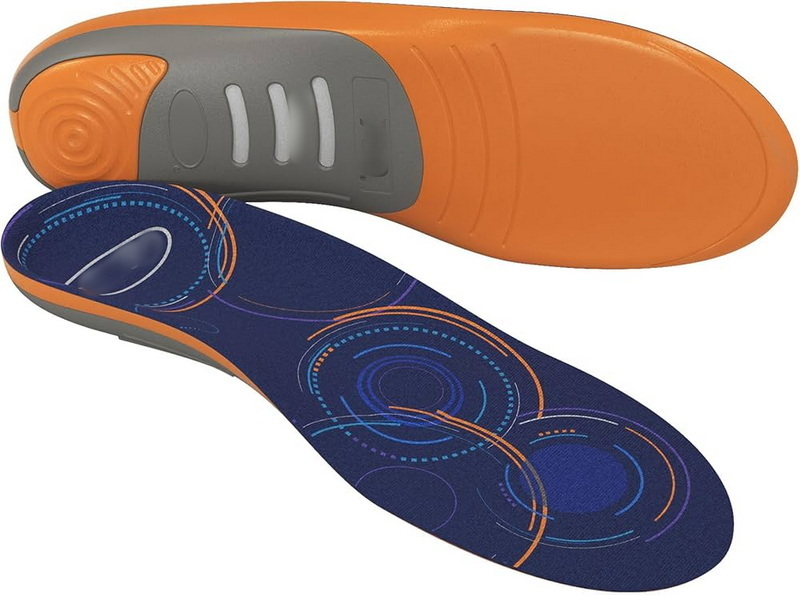
Dr. Scholl's Custom Fit Orthotic Inserts are not typical shoe liners. They use a multi-layer design that molds to your foot's unique contours. The upper layer offers a soft and breathable surface, while the base layer provides structured support and shock absorption. The system is developed using foot-mapping technology that evaluates pressure points, arch type, and balance distribution to recommend the perfect fit.
These inserts are ideal for multiple footwear categories — sports shoes, casual sneakers, work boots, and even certain dress shoes. Their versatility and ergonomic design make them a leading choice for people who spend extended hours standing or walking.
Because they combine foam resilience, gel cushioning, and stability layers, their comfort benefits are long-lasting. But like any supportive gear, orthotic inserts will eventually degrade with time and use.
The average lifespan of Dr. Scholl Custom Fit Orthotic Inserts generally falls between six months and one year. However, this timeframe can vary depending on personal habits and environmental conditions.
- Occasional users: People who wear their inserts only on weekends or short hours daily can expect up to 12 months of use.
- Daily commuters or workers on their feet all day: Average lifespan reduces to about six to nine months.
- High-intensity users or athletes: Inserts may need replacement as soon as four to six months due to heavier pressure and sweat exposure.
Even though the material used in these inserts is durable, prolonged compression gradually flattens the cushioning and weakens the arch structure. Over time, foot alignment and shock absorption decrease, leading to reduced performance and comfort.
Knowing when to replace your Dr. Scholl Custom Fit Orthotic Inserts depends on noticing several physical and functional changes. You don't need to wait until discomfort becomes severe — early signs of wear are enough to justify replacement.
If the insert's arch feels lower or provides less lift than before, its structure is likely compressed. This loss affects your gait and posture over time.
A cushioning layer that no longer rebounds indicates that the foam or gel base has reached its limit and is no longer absorbing impact effectively.
Cracks, tears, peeling edges, or uneven surfaces signal material fatigue. Even small defects can cause pressure imbalance and discomfort.
Persistent odor, even after cleaning, suggests bacterial buildup inside the material layers — a clear reason for replacement.
If you start to feel heel soreness, arch tension, or ankle strain again, it means the inserts have stopped performing optimally.
Taking immediate action once these signs appear helps prevent long-term foot fatigue or posture-related issues.
Not all users experience the same wear pattern. Several external and internal conditions affect durability. Recognizing them helps users prolong the lifespan of their inserts and maximize investment value.
Individual body weight and gait pattern determine how much stress the inserts endure. Heavier weight or a pronated foot structure accelerates compression and material wear.
Athletes, warehouse workers, and retail staff exert high impact on their insoles. Repetitive motion and long standing hours speed up deterioration.
A poorly fitting shoe can fold, shift, or improperly compress an insert. Footwear with solid heel counters and proper internal space helps keep the insert stable and efficient.
Gentle cleaning improves hygiene, but excessive washing or exposure to high heat may damage bonding layers and deform materials. Proper care maintains elasticity and support longer.
Humid or wet conditions soften foam and promote bacterial growth. Drying shoes and inserts properly each day prevents deterioration.
Genuine Dr. Scholl inserts use high-grade polymers and cushioning gels. Replacements from unauthorized sources or cheap copies often lack durability and compress faster.
Proper care and mindful habits can significantly extend insert life while maintaining hygiene and comfort.
- Use two alternating pairs to allow one set to air out between wears.
- Store shoes in a dry, ventilated area to avoid moisture retention.
- Wipe inserts weekly using mild soap on a damp cloth; avoid machine washing.
- Air dry completely before reinserting them into shoes.
- Avoid folding or bending inserts when removing from shoes.
Taking these simple precautions ensures that your inserts remain firm, clean, and responsive for a longer period, even under daily use.
| User Type | Suggested Replacement Period | Recommended Care Routine |
|---|---|---|
| Light daily users | Every 9–12 months | Simple wiping and occasional air drying |
| Retail and factory workers | Every 6–9 months | Alternate pairs; daily cleaning recommended |
| Athletes and runners | Every 4–6 months | Replace frequently due to sweat and stress |
| Seniors | Every 6–9 months | Prioritize comfort and stability checks |
| Outdoor professionals | Every 4–6 months | Rinse dirt regularly; store in dry place |
By following these schedules, users maintain consistent foot support and reduce the risk of fatigue or imbalance.
Orthotic inserts are like tires on a vehicle — essential for balance, but they naturally wear down. Delaying replacement can lead to cascading issues:
- Uneven pressure causes discomfort or mild pain in the foot arch.
- Muscle fatigue and poor alignment extend up the body, affecting knees and back.
- Increased moisture and bacteria growth may cause odor or fungal infections.
- Reduced shoe integrity when uneven pressure affects the inner sole.
Replacing orthotic inserts at proper intervals ensures the user maintains healthy posture, reduced fatigue, and longer shoe lifespan.
Keeping your inserts in good condition has multiple long-term advantages that go beyond temporary comfort.
- Sustained shock absorption: Fresh inserts effectively reduce joint strain.
- Improved balance and posture: Proper arch support stabilizes your walking gait.
- Better hygiene: Clean inserts prevent odor and bacteria accumulation.
- Extended shoe life: New orthotics maintain shoe structure by distributing weight evenly.
- Consistent comfort: Smooth cushioning avoids heel or toe friction throughout the day.
For businesses in the footwear or orthopedic industry, communicating these benefits to customers can build trust and encourage repeat purchases.
As a professional OEM insole and orthotic manufacturer, our company specializes in developing high-performance inserts for global brands. We understand the science of material density, cushioning rebound, and ergonomic shaping. Manufacturers and distributors should focus on several technical areas to improve the durability and customer satisfaction of orthotic products:
- Select premium-grade EVA and memory foams with enhanced compression resistance.
- Incorporate antimicrobial fabrics to maintain hygiene for prolonged use.
- Test inserts under simulated foot pressure cycles to evaluate long-term deformation rates.
- Use eco-friendly materials that sustain both comfort and environmental standards.
- Offer multiple arch profiles to cater to diverse user needs — low, medium, and high arches.
Educating end users about regular replacement cycles can also reduce warranty claims and build a reputation for product transparency.
When switching to a new pair of orthotic inserts, proper fitting ensures maximum comfort and effectiveness.
1. Remove old insoles completely from the shoe to make space.
2. Align the new inserts following the shoe's natural heel contour.
3. Trim slightly if necessary to match shoe size — only from the toe end, never the arch area.
4. Test wear for short durations during the first few days to allow your feet to adapt.
5. Check shoe fit again — inserts should not move or bunch during walking.
Correct installation maintains the performance level of your footwear and avoids discomfort from misalignment.
To ensure optimal comfort and durability, avoid these common user mistakes:
- Wearing inserts in worn-out shoes: Old shoes lose structure, limiting insert effectiveness.
- Ignoring cleaning routines: Accumulated dirt and sweat degrade material faster.
- Using one pair for multiple high-impact purposes: Separate pairs for running and daily wear extend product life.
- Applying heat to dry inserts: High temperatures warp or harden foam materials.
- Buying by shoe size alone: Proper foot pressure mapping or model matching is crucial for correct fit.
Correcting these habits helps users gain more consistent comfort and longer-lasting support.
Dr. Scholl inserts, like most orthotic products, use layered polymer materials that may not be fully biodegradable. However, users can practice responsible disposal to minimize waste:
- Recycle plastic components where local facilities allow.
- Upcycle old inserts as house slipper padding or gardening kneepads.
- Avoid burning or chemical disposal, as the materials may release harmful fumes.
- Support sustainability programs by returning used inserts during brand exchange promotions.
For manufacturers, exploring biodegradable EVA alternatives or partially recycled foams can align with global sustainability trends and brand responsibility goals.
When replacing Dr. Scholl Custom Fit Orthotic Inserts, users may come across a variety of models. To choose the right one:
- Verify your original model number or fit ID for accurate replacement.
- Prefer authorized retailers or brand websites to ensure authenticity.
- Check for arch level and shoe compatibility before purchase.
- Consider newer product lines with enhanced materials or anti-odor technology.
- Evaluate whether your foot size or condition has changed since your previous purchase.
A correct replacement maintains continuous comfort and prevents adaptation issues.
Dr. Scholl's Custom Fit technology tailors support to an individual's unique foot structure. Through foot mapping machines, pressure points are analyzed, and inserts are suggested to match specific arches and body weight profiles.
Over time, however, even this precise customization can lose calibration as materials fatigue. That's why the customized feel should be recalibrated every 6–12 months. Users may benefit from revisiting a foot-mapping kiosk or professional fitting center annually to ensure alignment accuracy remains optimal.
For brand owners and OEM partners, this presents a strong after-sales opportunity — promoting updated fittings drives customer loyalty and supports long-term product adoption.
The success of Dr. Scholl's Custom Fit series lies in the merging of technology and accessibility. The brand bridges the gap between medical-grade orthotics and everyday comfort insoles. Their products are:
- Scientifically engineered, yet affordable for general use.
- Easy to fit, without requiring professional adjustments.
- Versatile across footwear types, accommodating different lifestyles.
- Focused on health benefits, not just temporary comfort.
These attributes make them a preferred choice worldwide, especially for people seeking reliable comfort solutions backed by a trusted brand heritage.
Still, as durable as they are, replacement remains key to maintaining these benefits over time.
The ideal replacement interval for Dr. Scholl Custom Fit Orthotic Inserts depends on how often you wear them, your daily activity, and the types of shoes you use. On average, users should replace their inserts every six to twelve months. Recognizing signs of wear — such as degraded cushioning, odor, or reduced support — ensures that your feet continue to receive balanced comfort and posture protection.
Proper maintenance, alternating pairs, and following good hygiene practices will extend each insert's lifespan and performance. For distributors and OEM manufacturers, educating end users on replacement intervals adds significant value, reducing return rates and boosting brand trust.
Healthy feet support a healthy lifestyle. Keeping your orthotic inserts fresh is one of the simplest, most effective ways to maintain comfort, alignment, and long-term mobility.
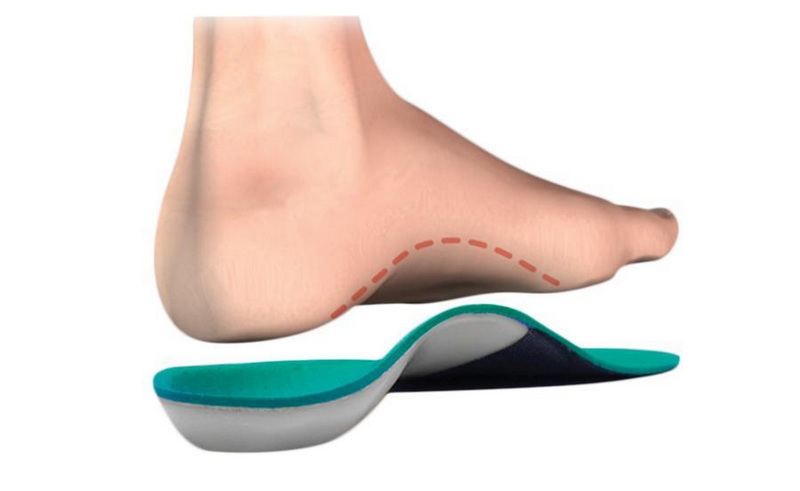
If your feet feel sore again or the insert surface looks flat or cracked, it's time to replace them. Loss of arch support is a sure sign of compression fatigue.
No. Use mild soap with a damp cloth instead. Avoid soaking or machine washing because exposure to water and heat can damage bonding layers.
You can, but frequent swapping increases wear and tear. Having separate pairs for different activities helps maintain shape and cleanliness.
They work well for light athletic activity, but professional athletes may prefer specialized sport orthotics for higher shock absorption and flexibility.
Old inserts lose support and cushioning, leading to fatigue, poor balance, and increased risk of foot pain or injury over time.


