
Views: 222 Author: Edvo Publish Time: 2025-11-26 Origin: Site


Content Menu
● The Importance of Orthotic Insoles
● Factors Affecting the Lifespan of Orthotic Insoles
● General Replacement Guidelines
● Signs Your Insoles Need Replacement
● How To Maximize Insole Longevity
● Benefits of Regular Insole Replacement
● Comparing Different Types of Orthotic Insoles
● Role of Foot Health Professionals
● Stepwise Guide to Replacing Insoles
● Additional Considerations for Special Populations
● Combining Insoles With Other Comfort Features
● Advanced Tips for Orthotic Maintenance
● Frequently Asked Questions (FAQs)
>> 1. How do I know if my orthotic insoles are worn out?
>> 2. Can I wash my orthotic insoles in a machine?
>> 3. Should I replace my insoles if they still look new?
>> 4. Do children's orthotic insoles need replacing more often?
>> 5. Is it okay to use one pair of orthotics for different shoes?
Orthotic insoles are essential for improving foot health, supporting proper alignment, and relieving discomfort for people from all walks of life. Whether custom-made or off-the-shelf, orthotics benefit casual users, athletes, and those with specific medical conditions. However, to maximize these benefits, insoles must be replaced at regular intervals. Understanding how frequently to replace orthotic insoles helps maintain optimal support and comfort.

Orthotic insoles serve as foundational support within footwear, correcting biomechanical imbalances and reducing strain on feet, knees, hips, and the lower back. They are critical for those with flat feet, plantar fasciitis, high arches, diabetes, or standing-intensive jobs. Timely replacement preserves corrective properties and prevents recurrence of pain and discomfort.
Several key factors influence how long orthotic insoles last and when you need to replace them:
- Material Quality: Insoles made of high-density foam, gel, or composite materials are generally more durable than basic foam or felt models.
- Frequency of Use: Daily wear will result in faster breakdown compared to occasional use.
- Body Weight: Higher body weight exerts more pressure on the insole, leading to faster wear.
- Activity Type: High-impact activities such as running or sports accelerate wear and tear.
- Footwear Fit: Shoes that do not fit well or lack proper support can shorten insole lifespan.
- Hygiene and Maintenance: Regular cleaning and proper airing out significantly extend the life of insoles.
The recommended replacement intervals depend on insole type and user activity:
- Custom Orthotics: Typically last 1-2 years under normal conditions. However, annual evaluations are recommended to check for any necessary adjustments.
- Off-the-Shelf Orthotics: Useful lifespan ranges from 6 months to 1 year, especially for those used daily.
- Athletes: For high-impact or intense activities, orthotic insoles may need replacement every 3-6 months due to the increased stress.
- Children: Insoles may need replacing every 1-2 years because of rapid growth and changing foot structure.
Determining when it's time to replace insoles is critical for maintaining their effectiveness:
- Decreased Comfort or Support: If insoles no longer provide adequate cushioning or arch support, it's a clear sign they are worn out.
- Visible Wear and Tear: Look for flattening, cracks, tears, or deep imprints in the material.
- Persistent Odor: Unpleasant smell or presence of mold indicates material breakdown and compromised hygiene.
- Reduction in Performance: Recurrence of foot, knee, or back pain means insoles aren't doing their job.
- Loss of Alignment: Misalignments or uneven wear patterns show that insole support has diminished.
Proper care extends the usable life of orthotic insoles:
- Remove insoles after wearing to let them air out and prevent moisture buildup.
- Clean regularly using mild soap and gentle scrubbing, then dry naturally out of direct sunlight.
- Alternate between two pairs for daily use to reduce stress on any single pair.
- Store insoles in a cool, dry environment to maintain shape and material integrity.
- Use properly fitted shoes to reduce insole movement and corresponding wear.
Maintaining a regular insole replacement schedule offers multiple benefits:
- Consistent Support: Ensures ongoing protection from biomechanical abnormalities, reducing risk of injury.
- Improved Comfort: Keeps footwear feeling fresh and cushioned, minimizing fatigue.
- Optimal Hygiene: Prevents the buildup of sweat, bacteria, and odor that accumulate over time.
- Enhanced Performance: Athletes and active users enjoy peak support for longer, contributing to better outcomes.
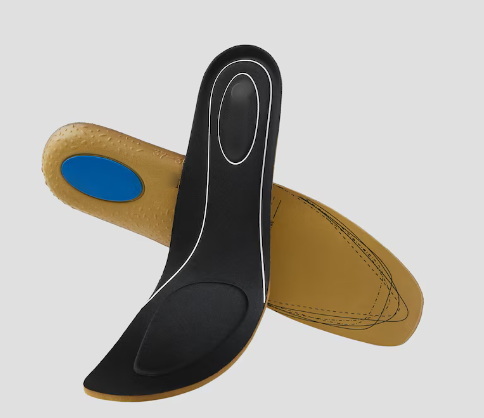
| Insole Type | Average Lifespan | Ideal Users | Replacement Frequency |
|---|---|---|---|
| Custom Orthotics | 1-2 Years | Medical, long-term | Annually/Biannually |
| Sports Orthotics | 3-6 Months | Runners, athletes | Quarterly/Biannual |
| Off-the-Shelf | 6-12 Months | General, everyday | Semi-Annually/Yearly |
| Gel Insoles | 4-8 Months | Occasional/Extra cushion | 2-3 Times a Year |
Foot health professionals are essential partners for those relying on orthotic insoles. Experts can evaluate whether insoles still provide adequate support and make necessary adjustments or replacements. Annual or biannual check-ups ensure that both the feet and device remain in optimal condition.
A methodical approach ensures proper insole replacement:
1. Remove old insoles and inspect the inside of your shoes for debris or damage.
2. Clean the shoe interior completely before inserting new insoles.
3. Position the new insoles so that they fit snugly without bunching or sliding.
4. Wear shoes with new insoles in short intervals initially to allow the feet to adapt.
5. Monitor for any discomfort or issues during the break-in period.
Misconceptions about orthotic insoles often lead users to delay replacement:
- “If it looks fine, it's still good.” The structural support and cushioning may fail before visible damage occurs.
- “Custom orthotics last forever.” All insoles wear out; changes in foot structure or activity can mean adjustments or new devices are needed.
- “All insoles need the same replacement schedule.” Material quality, design, and usage frequency affect longevity.
Some users need specific attention:
- Diabetic Patients: Should replace insoles every 6-12 months and have regular assessments to prevent complications such as ulcers.
- Workers in Demanding Jobs: Occupations requiring long hours on hard surfaces accelerate insole wear; replacements every 3-6 months may be needed.
- Children and Teens: Foot growth and changing gait require more frequent evaluations and replacements.
Orthotic insoles work best when paired with quality footwear features such as:
- Ergonomic arches built into shoes
- Cushioned midsoles
- Breathable materials
- Proper lacing systems that secure the foot and insole
To further extend the lifespan and effectiveness of your orthotic insoles:
- Keep a replacement schedule based on wear patterns and activity level.
- Use antimicrobial sprays or inserts to improve hygiene.
- Record wear dates to stay ahead of breakdown and ensure continuous support.
- Upgrade to custom orthotics if experiencing repeat pain or discomfort with standard insoles.
Routine orthotic insole replacement is critical for preserving foot health, comfort, and functionality. By considering factors like activity, material, and wear patterns, users ensure lasting support and prevent pain or injury. Partnering with professional guidance, maintaining good hygiene, and watching for subtle signs of wear guarantee every step stays comfortable and secure. Invest in your well-being by following established replacement guidelines and treating orthotic insoles as the foundation for a healthy and active lifestyle.
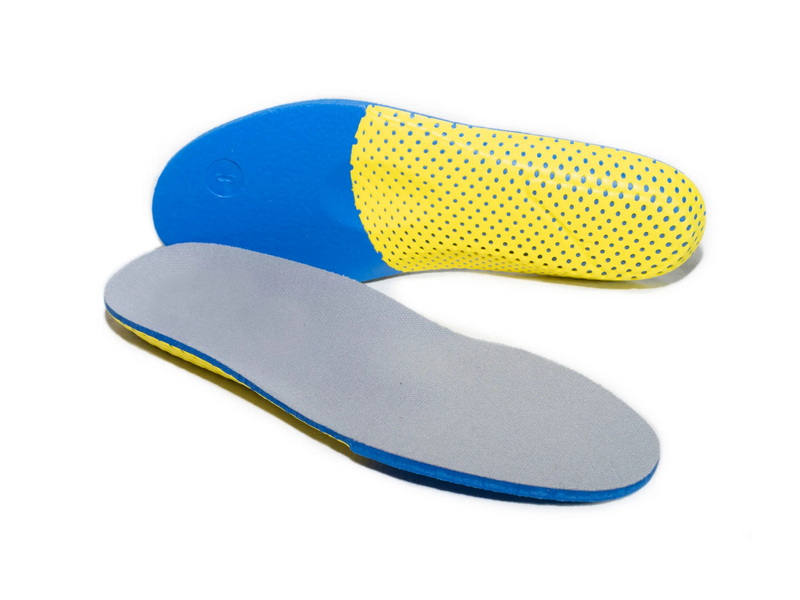
Recognizing wear is straightforward when comfort decreases, support lessens, or you notice new pain. Deformities or excess odor are clear indicators of needed replacement.
Most orthotic insoles should not be machine washed, as agitation and heat may degrade materials. Always hand wash gently and air dry.
Visual appearance isn't enough—structural breakdown often occurs before visible damage. Replace insoles based on time and performance, not just looks.
Children grow quickly and are active, so insoles often require replacement every 6-12 months or whenever shoe sizes change.
While possible, transferring insoles between shoes can hasten wear and result in poor fit. For heavy use, maintain primary insoles for your most-worn footwear.


